Introduction
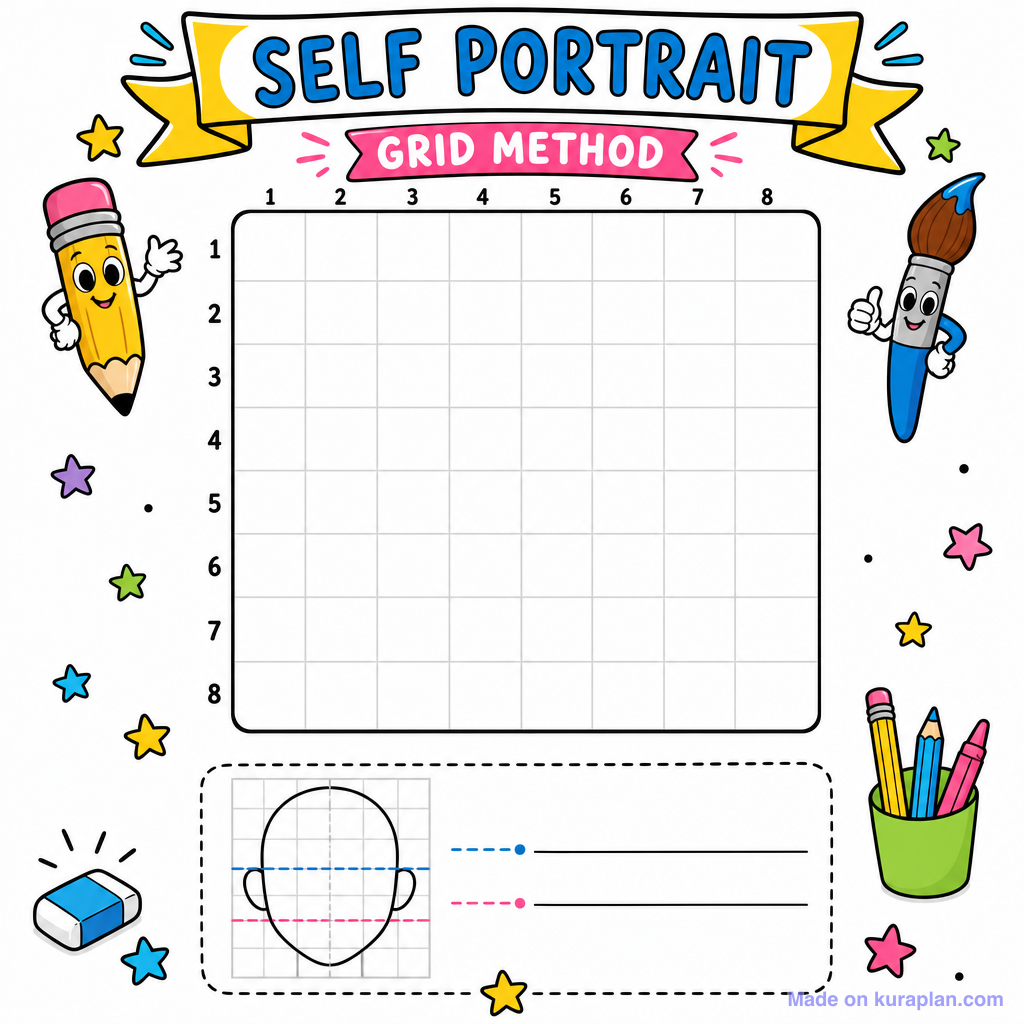
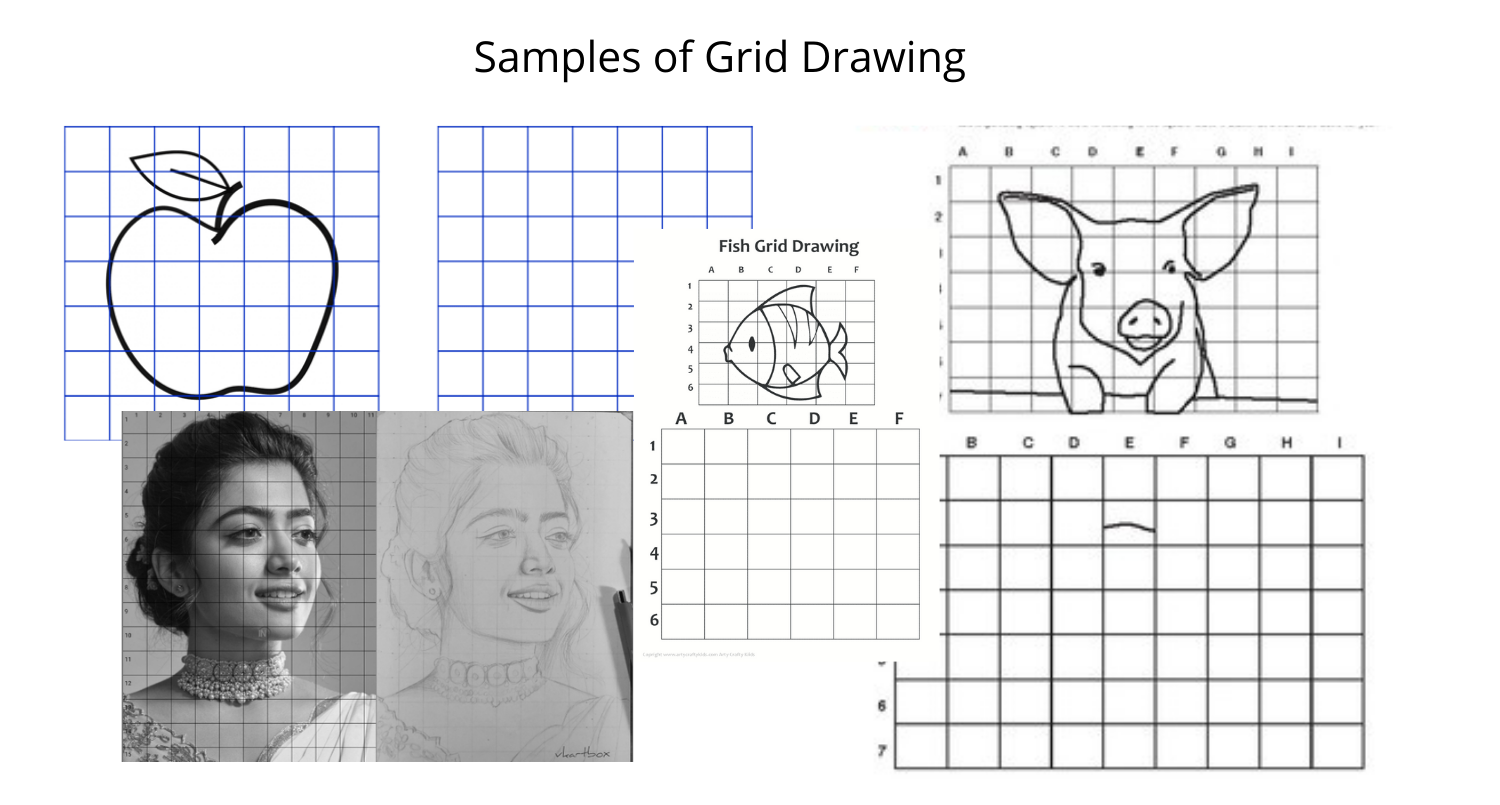
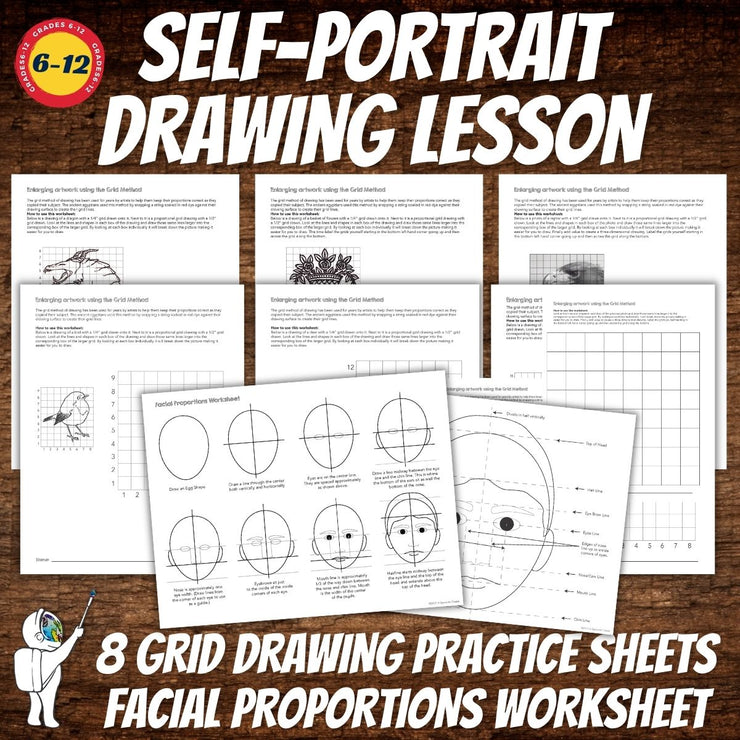
A portrait drawing grid is a structured visual art tool that divides a reference image and a blank canvas into identical coordinate squares to build foundational spatial awareness and proportional accuracy. According to the National Art Education Association (NAEA), early engagement with structured grid frameworks significantly enhances children’s visual-spatial reasoning, fine-motor precision, and observational problem-solving capabilities. Utilizing printable Grid Drawing worksheets allows educators and parents to break down complex facial anatomy into manageable, localized coordinates, transforming intimidating artistic tasks into structured, stress-free matching exercises.
Visual Learning & Skill Snapshot:
- Core Focus: Coordinate-based visual decomposition and proportional human portrait recreation.
- Target Skill: Spatial reasoning, visual discrimination, fine-motor proportion, and photo-based concept mastery.
- Key Recommendation: Pair high-contrast reference images with simple 3×3 or 4×4 coordinate grids before progressing to complex layouts.
Core Principles and Visual Learning Overview
Portrait drawing grids operate on the principle of reducing cognitive load by shifting focus from the whole, overwhelming subject to individual, isolated squares. When young learners pair this technique with concrete Photo Flashcards, the brain rapidly connects real-world visual features to abstract geometric coordinates. This cognitive bridge encourages children to analyze lines, curves, negative space, and intersections independently rather than relying on symbols or mental guesswork. Systematic grid scaling teaches learners how to measure distances visually, understand scale shifts, and refine hand-eye coordination through hands-on Educational Activities designed specifically for developing minds.
Key Specifications and Breakdown
| Age / Learning Stage | Visual Skill & Grid Ratio | Pedagogical Application & Scaffolding |
|---|---|---|
| Ages 5-6 (Early Explorers) | 3×3 Grid Matrix | Focuses on basic shape placement, large facial features, and high-contrast photo matching. |
| Ages 7-9 (Developing Artists) | 4×4 Grid Matrix | Emphasizes proportional relationships, contour continuity, and precise line intersection. |
| Ages 10+ (Advanced Observers) | 6×6 Grid Matrix | Targets subtle shading transitions, anatomical accuracy, and independent scale transference. |
Systematic visual division supports cognitive mapping by reducing complex multi-variable imagery into manageable, isolated components that align directly with early childhood neurological development phases. — National Art Education Association (NAEA)
Step-by-Step Practical Application and Printing Guidelines
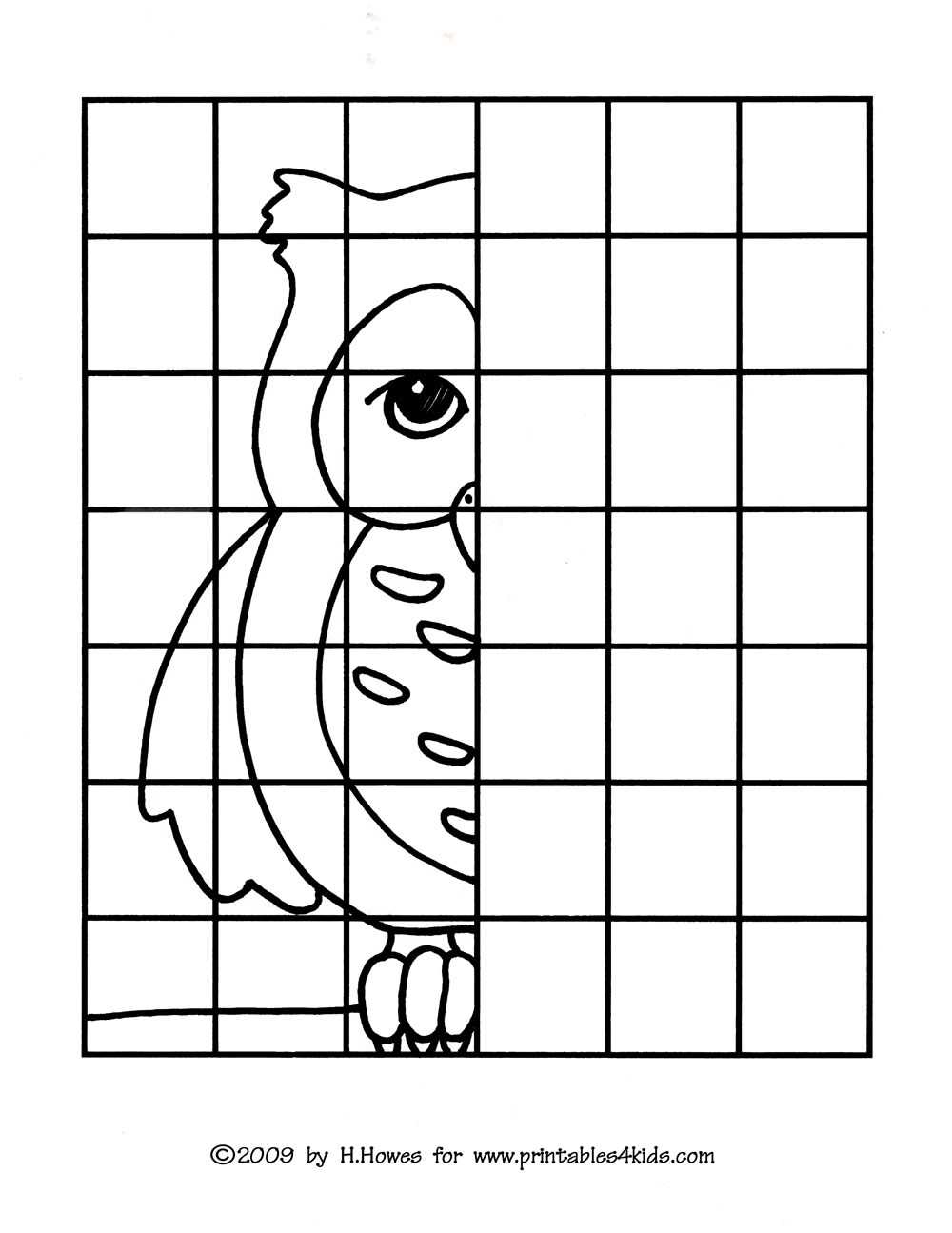
Executing a successful portrait drawing session requires crisp, clean printouts where coordinate lines remain clearly visible without overwhelming the reference subject. Educators should select high-contrast photographic portraits, overlay a uniform grid of squares, and provide a corresponding blank grid sheet with matching coordinate labels (such as letters across the top and numbers down the side). Instruct learners to isolate one square at a time using an index card or sliding mask to block out surrounding visual distractions. This disciplined scanning method trains the brain to look strictly at directional lines, angles, and shapes rather than naming the facial feature being drawn.
Common Challenges and How to Avoid Them
Children frequently encounter frustration when attempting to draw multiple grid squares simultaneously instead of working systematically through one coordinate box at a time. Overcoming this hurdle involves enforcing a square-by-square progression strategy, ensuring young artists check adjacent lines across borders before finalizing contours. If proportions appear distorted, verify that the reference grid and the drawing grid share the exact same aspect ratio to prevent accidental stretching or squishing of the facial features.
💬 Frequently Asked Questions
Explore More Free Learning Printables and Visual Activities on WePhotoAgency
Unlock a comprehensive collection of downloadable educational resources designed to strengthen spatial intelligence, artistic confidence, and cognitive development. Educators, parents, and homeschoolers can easily discover structured worksheets, visual tools, and engaging creative exercises by visiting WePhotoAgency.com for immediate printing.
Visual Reference Gallery