Introduction
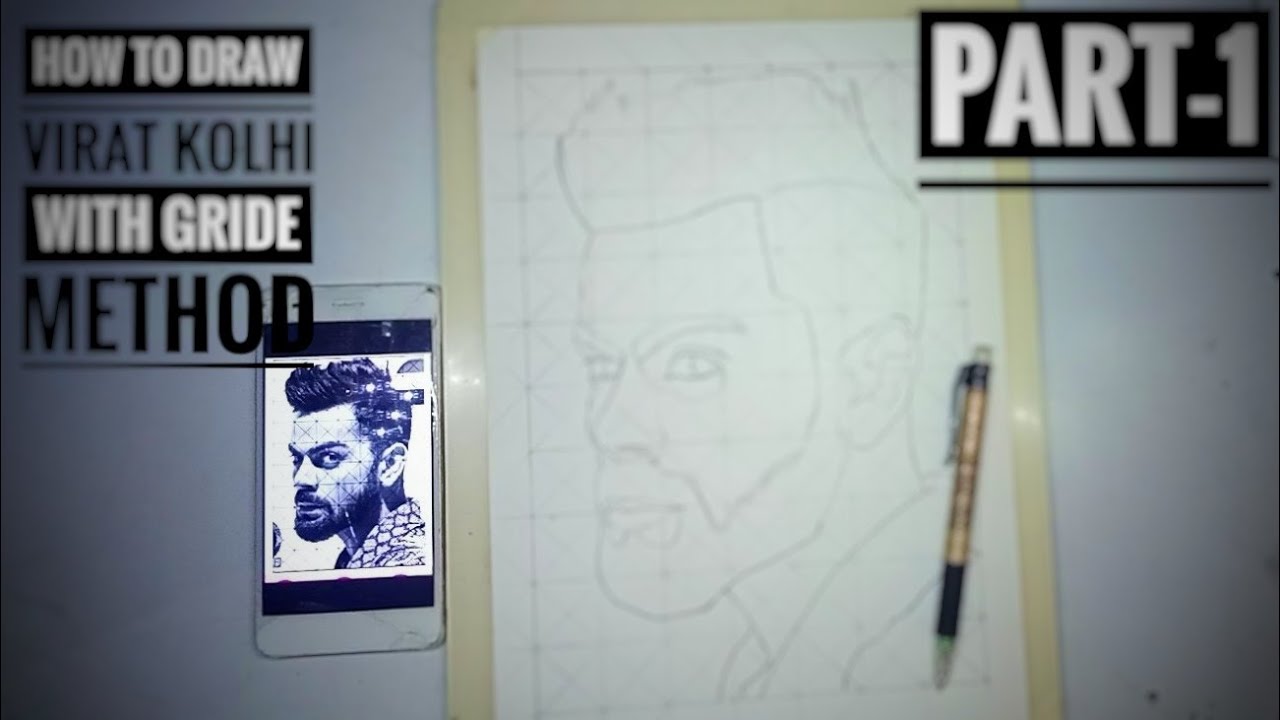
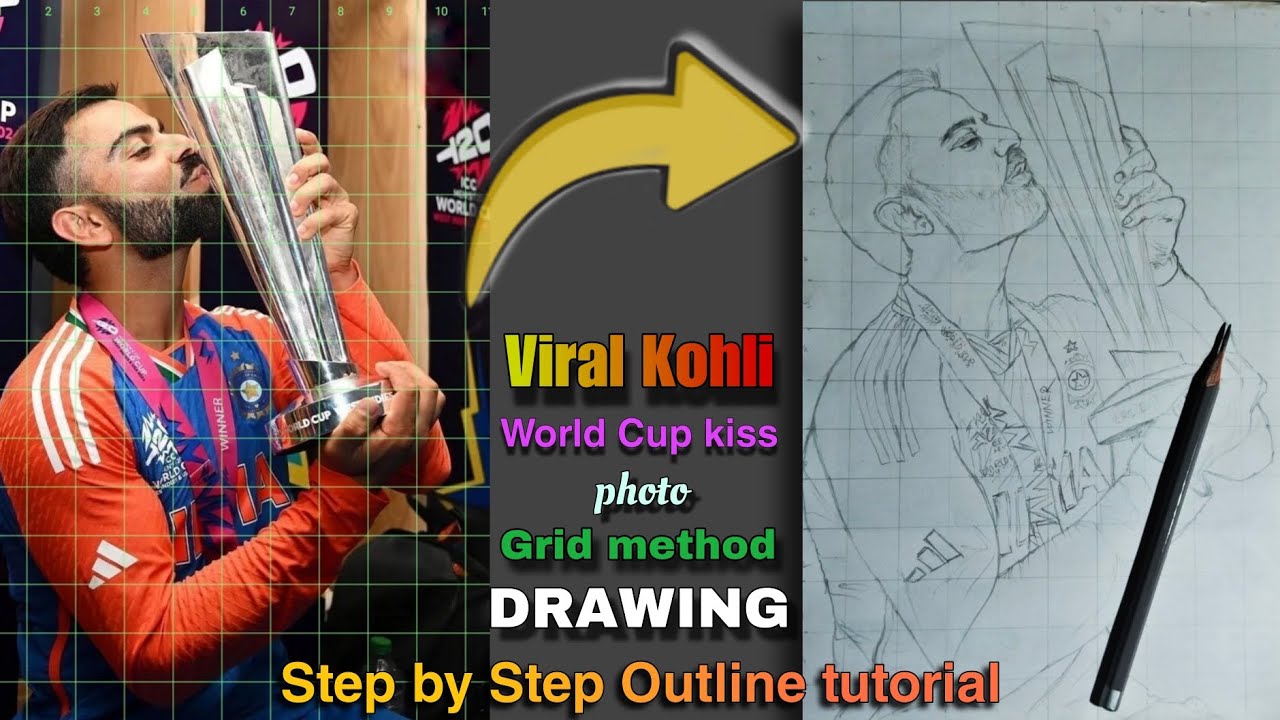
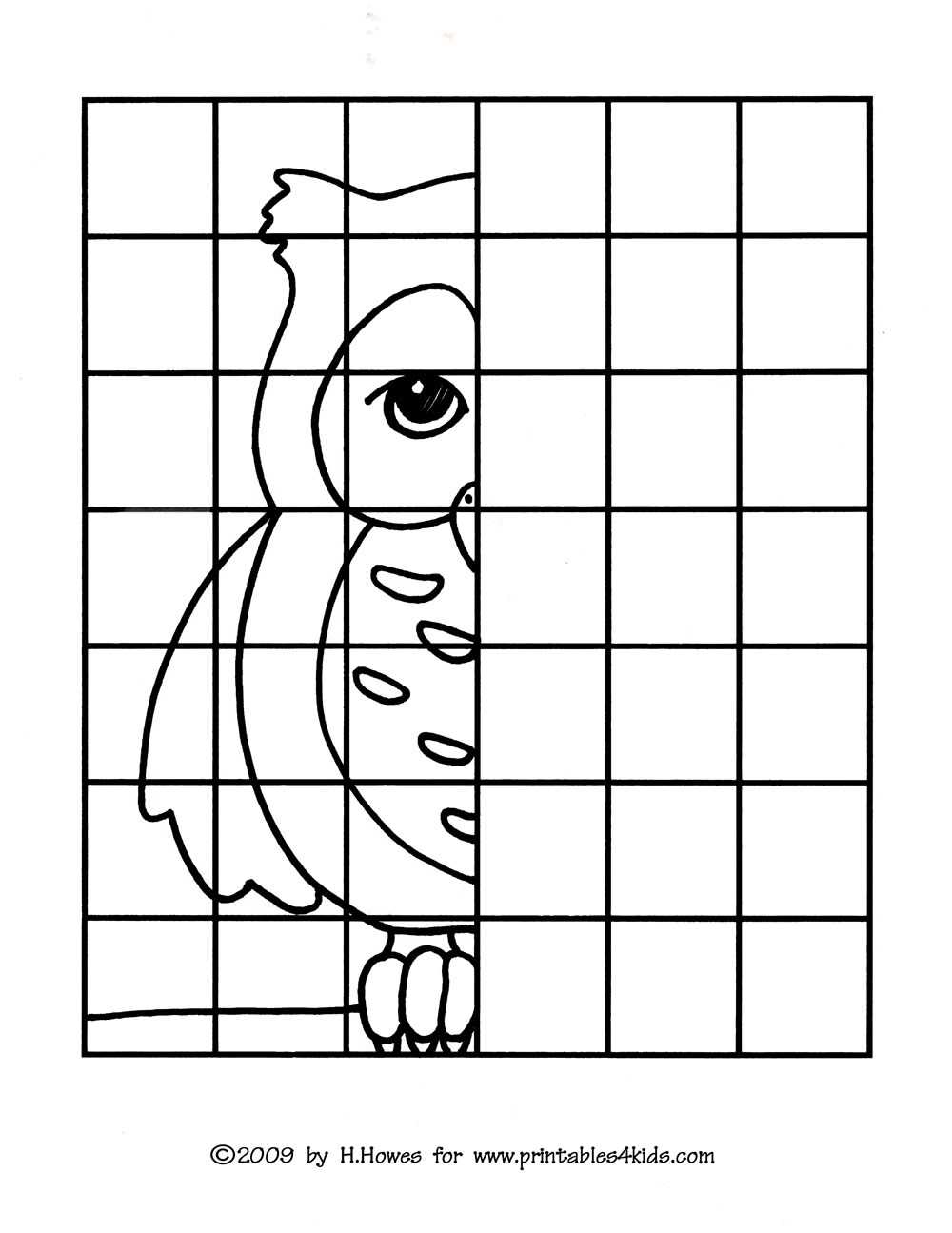
Grid method drawing virat kohli is an instructional visual arts technique that breaks complex photographic reference images into manageable coordinate squares to teach spatial proportion and observational accuracy. According to the National Art Education Association (NAEA), structured visual-spatial exercises improve hand-eye coordination, fine-motor precision, and analytical observation skills in developing learners. Utilizing recognizable portraits of athletes enhances student engagement, transforming abstract drawing exercises into purposeful cognitive tasks. Educators and homeschoolers frequently combine this technique with structured Grid Drawing worksheets to foster early analytical drawing competencies.
Visual Learning & Skill Snapshot:
- Core Focus: Breaking complex photographic portraits into coordinate grid squares to teach accurate proportion scaling.
- Target Skill: Spatial reasoning, visual discrimination, and fine-motor pencil control.
- Key Recommendation: Use high-contrast photo reference sheets alongside numbered grids to reduce cognitive overload for younger learners.
Core Principles and Visual Learning Overview
Spatial reasoning development relies heavily on breaking down intricate visual stimuli into isolated geometric components. Grid method drawing virat kohli leverages real photographic reference cards to transition learners from intuitive scribbling to analytical proportion estimation. By isolating features such as facial contours, hair structure, and facial expressions within individual squares, children learn to evaluate negative space and line direction independently of the entire composition. This methodical approach reinforces cognitive mapping, ensuring that students look at actual visual data rather than preconceived mental symbols of eyes, noses, and mouths. Integrating Photo Flashcards alongside these worksheets further strengthens cognitive recognition and visual literacy.
Key Specifications and Breakdown
| Age / Learning Stage | Visual Skill & Grid Ratio | Pedagogical Application & Scaffolding |
|---|---|---|
| Ages 5–7 (Early Elementary) | 2×2 or 3×3 simple grid, high-contrast lines | Focuses on basic shape recognition and matching lines inside isolated squares. |
| Ages 8–10 (Middle Elementary) | 4×4 intermediate grid, proportional scaling | Teaches coordinate mapping, angle estimation, and shading transitions. |
| Ages 11+ (Advanced Learners) | 6×6 detailed grid, tonal values | Refines intricate facial mapping, realism, and pencil pressure techniques. |
Structured visual art exercises foster critical neural pathways by bridging multi-step problem solving with fine-motor execution. — National Art Education Association (NAEA)
Step-by-Step Practical Application and Printing Guidelines
Executing a successful printable grid drawing session requires clear preparation of physical materials and clear step-by-step instructions. Educators begin by printing the subject template alongside a blank matching grid sheet on heavy-weight cardstock to prevent pencil tearing during erasing. Learners are instructed to isolate one single grid box at a time, utilizing a piece of opaque paper or an L-shaped card blocker to cover the remaining sections of the reference image. This isolation technique forces the visual cortex to process abstract lines, curves, and intersections rather than the whole face of the athlete. For supplementary hands-on tasks that reinforce manual dexterity and cognitive development, explore various Educational Activities designed for classroom and home settings.
Common Challenges and How to Avoid Them
Rushing through proportions and misidentifying coordinate box intersections represent the most frequent obstacles encountered by young learners. Children naturally tend to draw from memory rather than observing the exact lines inside a specific square, which distorts facial alignment. Educators mitigate this error by encouraging students to check surrounding reference lines and measure anchor points with a pencil edge before committing to final ink or dark pencil marks. Slowing down the observation process ensures that learners accurately translate visual data from the reference coordinate to the drawing grid.
💬 Frequently Asked Questions
Explore More Free Learning Printables and Visual Activities on WePhotoAgency
Accessing high-quality visual resources empowers parents, homeschoolers, and art educators to cultivate foundational spatial and cognitive skills in young learners. Discover an extensive collection of structured printables, visual flashcards, and creative drawing tools by visiting the primary resource library at WePhotoAgency.com to support continuous educational development.
Visual Reference Gallery