Introduction
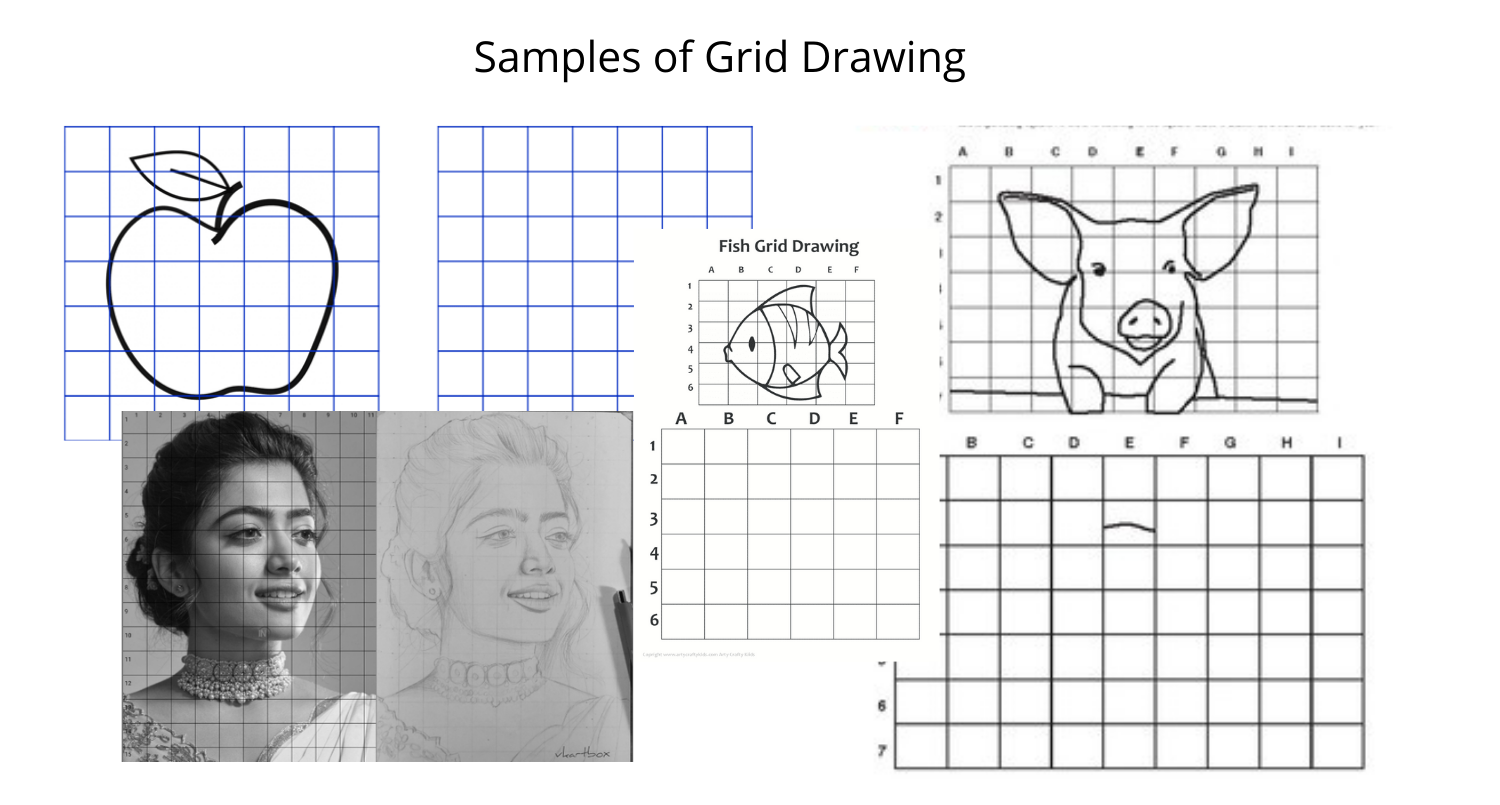
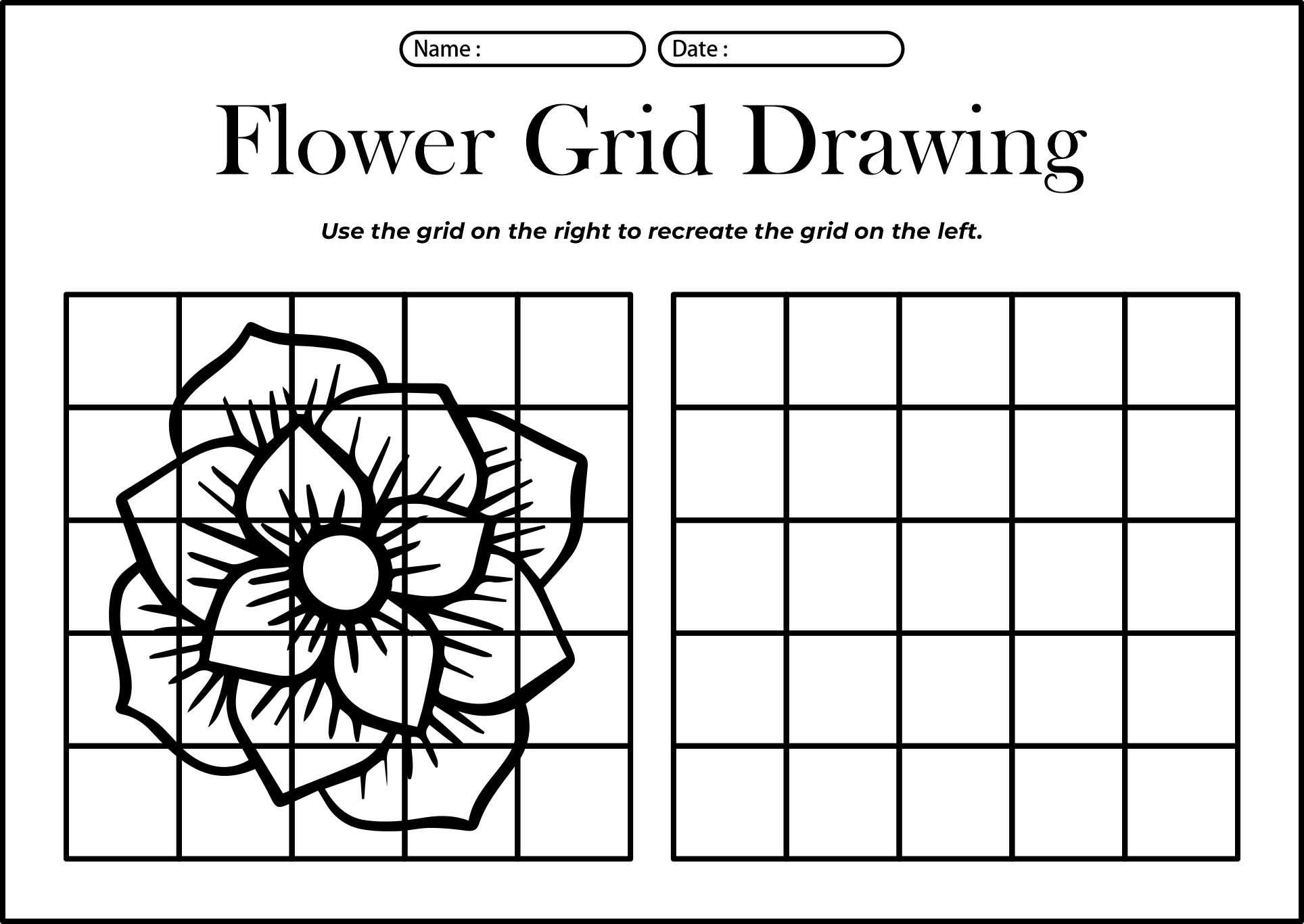
A grid for drawing portraits is a foundational visual learning tool that divides reference imagery and blank drawing paper into corresponding geometric coordinate systems to systematically teach proportion estimation, spatial reasoning, and hand-eye coordination. According to the National Art Education Association (NAEA), structured observational drawing techniques effectively build early cognitive mapping by transforming complex visual stimuli into manageable geometric segments. Integrating printable Grid Drawing worksheets alongside real-photo visual resources transforms abstract artistic rendering into concrete spatial calculation. Educators utilize these structured frameworks to bridge the gap between perceptual observation and fine-motor execution in early elementary learners.
Visual Learning & Skill Snapshot:
- Core Focus: Systematic spatial proportion breakdown using coordinate-based drawing grids.
- Target Skill: Spatial reasoning, visual discrimination, fine-motor proportion, and photo-based concept mastery.
- Key Recommendation: Pair high-contrast photo references with bold, numbered grid lines to maximize cognitive mapping efficiency.
Core Principles and Visual Learning Overview
Proportional coordinate mapping fundamentally enhances a child’s ability to process visual information by breaking intricate facial structures down into isolated, identifiable grid squares. When children isolate a single square containing an eye or a section of hair, cognitive overload decreases, allowing the brain to focus purely on lines, angles, and negative space without the intimidation of the whole portrait. This structured practice reinforces bilateral integration and visual-motor control, skills that directly support broader academic performance in geometry and writing. Utilizing Photo Flashcards alongside custom grids further strengthens cognitive memory retention and photographic observation habits.
Key Specifications and Breakdown
| Age / Learning Stage | Visual Skill & Grid Ratio | Pedagogical Application & Scaffolding |
|---|---|---|
| Ages 4–6 (Early Preschool) | 2×2 or 3×3 simple grids | Focuses on basic contour recognition and gross spatial awareness using high-contrast photo references. |
| Ages 7–9 (Early Elementary) | 4×4 or 5×5 intermediate grids | Teaches exact coordinate tracking, facial landmark placement, and relative proportion estimation. |
| Ages 10+ (Advanced Primary) | 6×6+ complex coordinate grids | Refines precise scale transfer, shadow mapping, and independent observation techniques. |
Structured visual partitioning significantly accelerates proportional estimation accuracy by reducing cognitive load during complex observational tasks — National Art Education Association (NAEA)
Step-by-Step Practical Application and Printing Guidelines
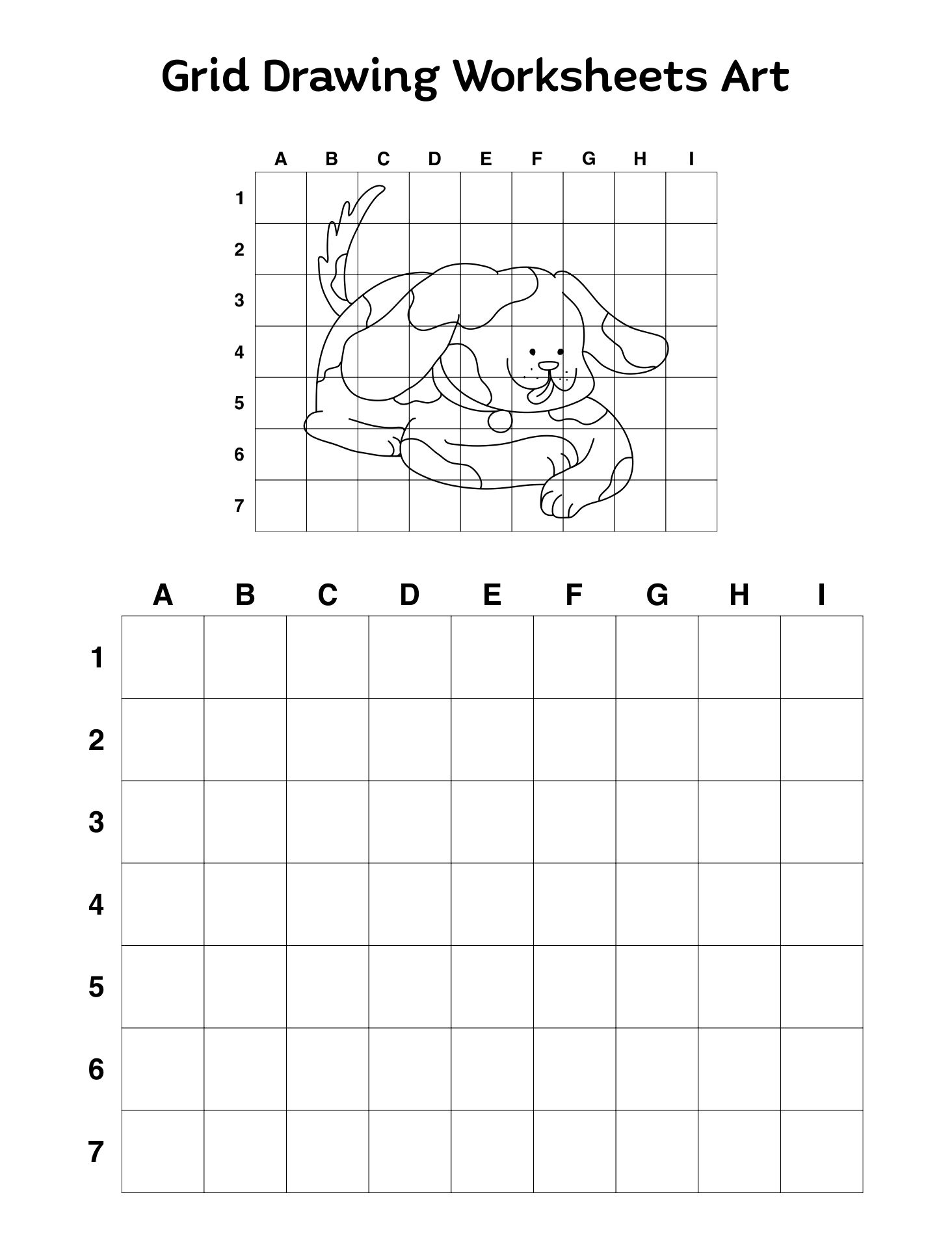
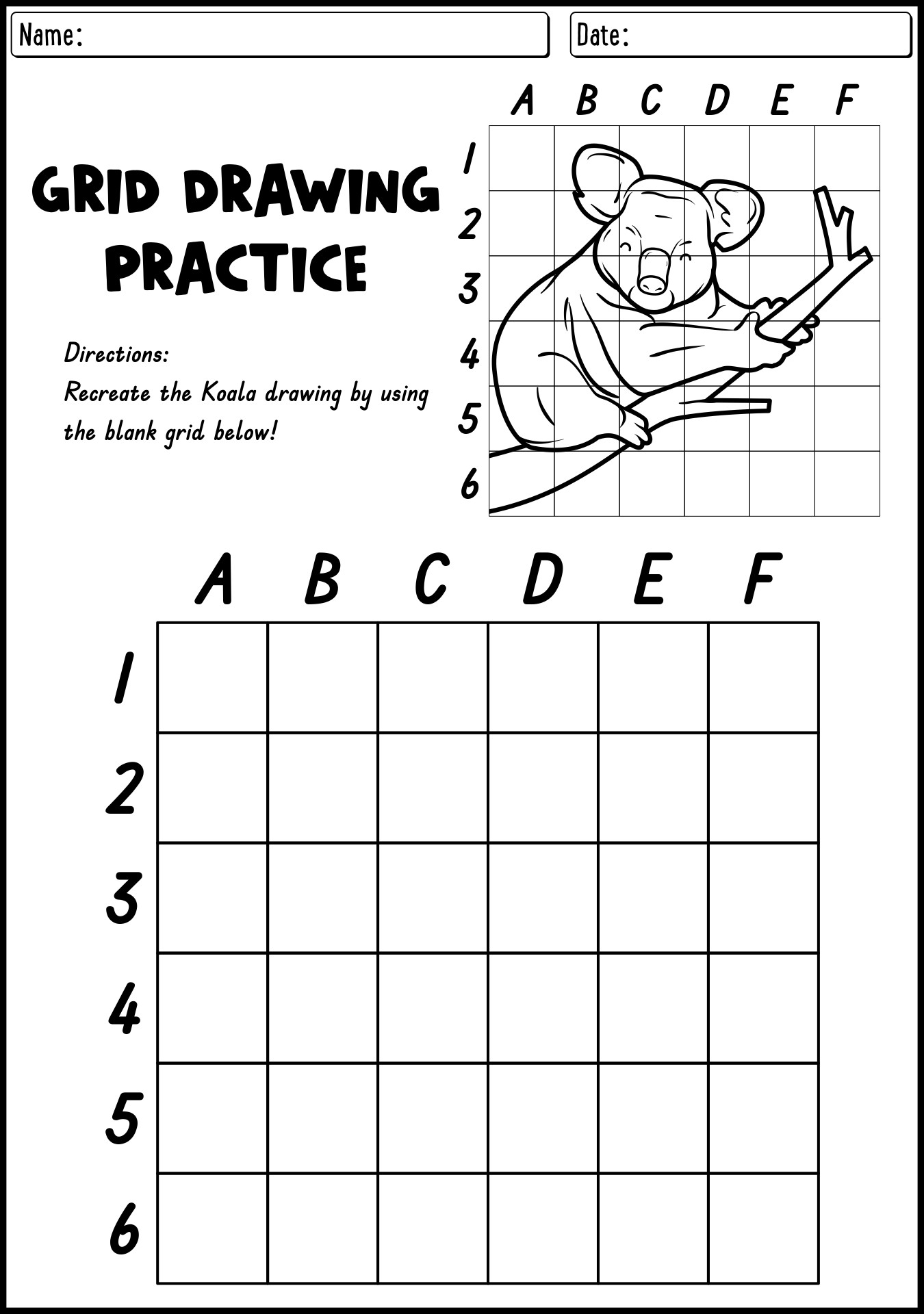
Implementing successful grid drawing lessons requires pairing an identical grid overlay directly onto both the reference portrait and the blank drawing sheet. Educators should select clear, high-contrast portraits printed on heavy cardstock to prevent tearing during pencil tracing and eraser use. Students must systematically copy one square at a time, starting from the top left and moving horizontally across the grid rows, ensuring meticulous coordinate verification before advancing. Incorporating varied Educational Activities into this routine maintains high engagement levels while reinforcing precise spatial measurement concepts.
Common Challenges and How to Avoid Them
Loss of focus and misplaced focal points represent the most frequent obstacles when young learners transition from whole-image viewing to grid-by-grid replication. Adults can prevent frustration by masking surrounding grid squares with paper index cards, forcing the child to isolate and concentrate exclusively on one active coordinate box at a time. Ensuring that reference grids and drawing sheets maintain identical aspect ratios prevents unwanted visual distortion and teaches accurate scale transference from the very first lesson.
💬 Frequently Asked Questions
Explore More Free Learning Printables and Visual Activities on WePhotoAgency
Discover a comprehensive library of educational assets, printable resources, and creative templates by exploring the main resource hub at WePhotoAgency.com. Access targeted worksheets designed to foster cognitive growth, spatial mastery, and artistic confidence for learners at every stage of development.
Visual Reference Gallery