Introduction
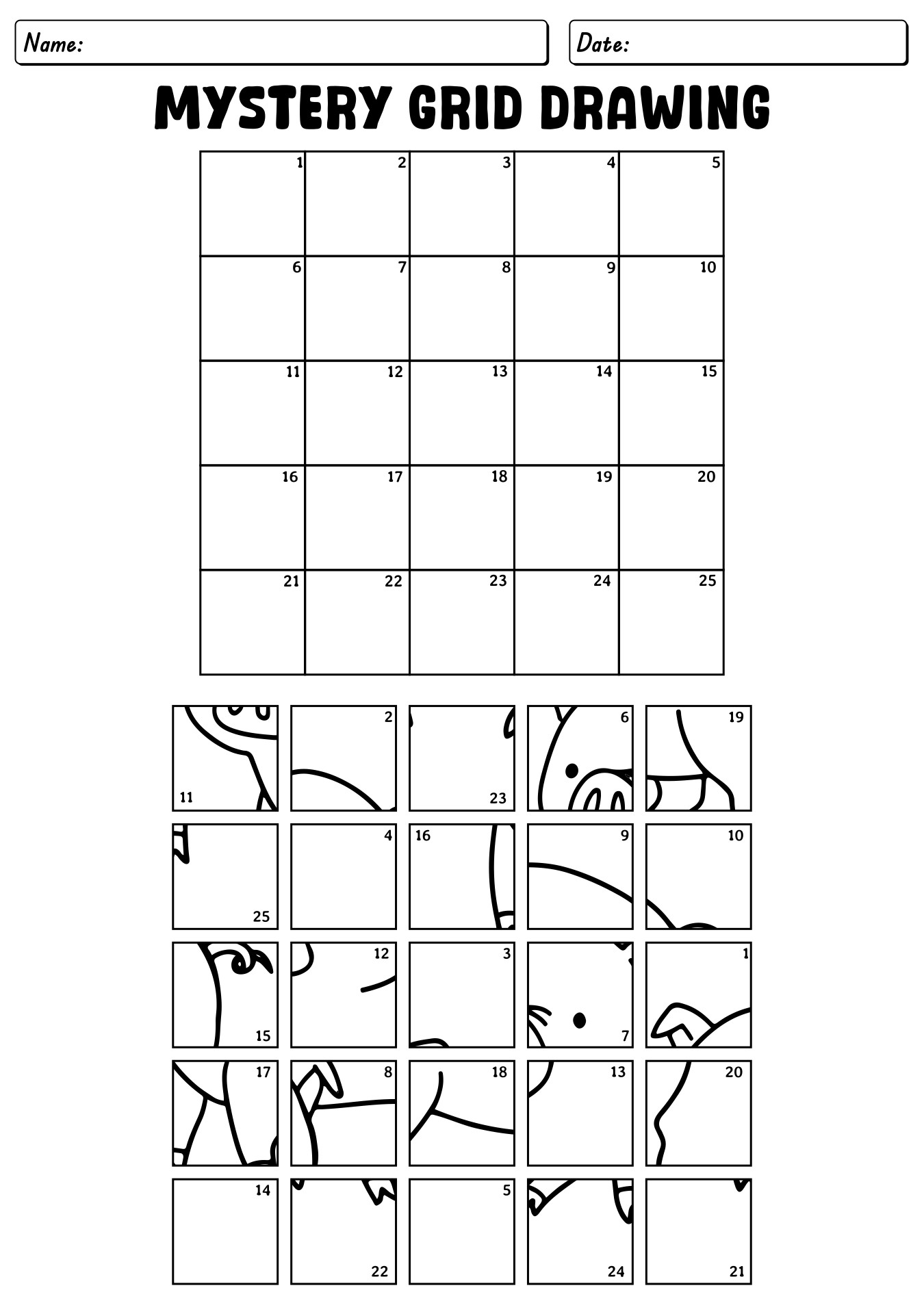
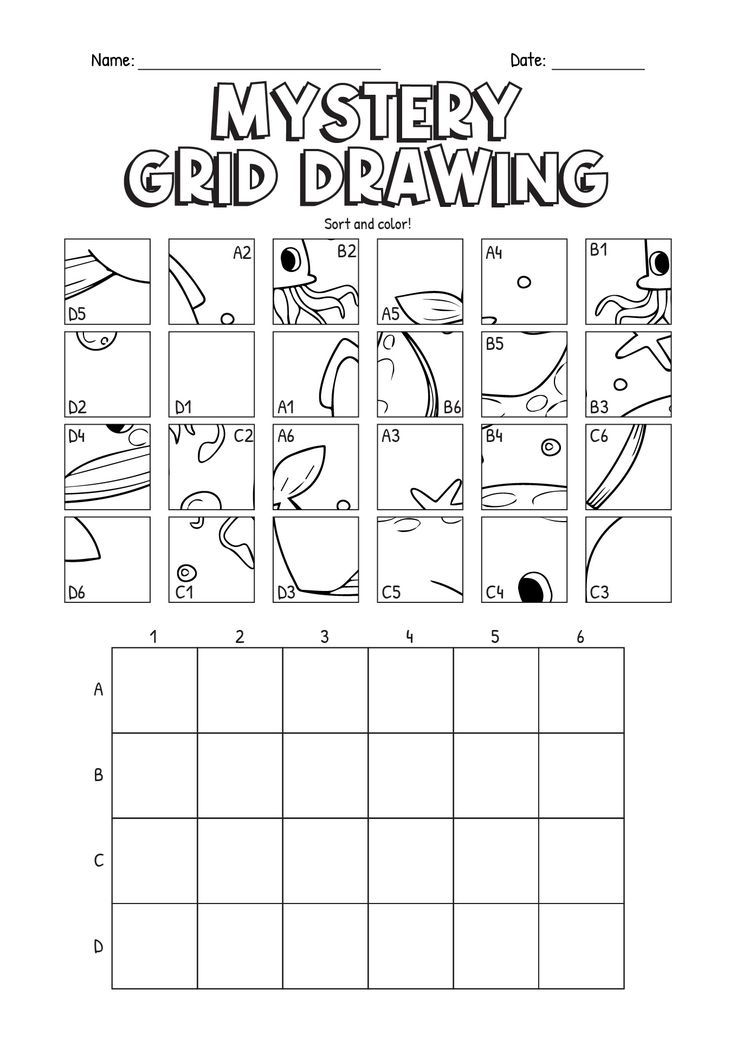
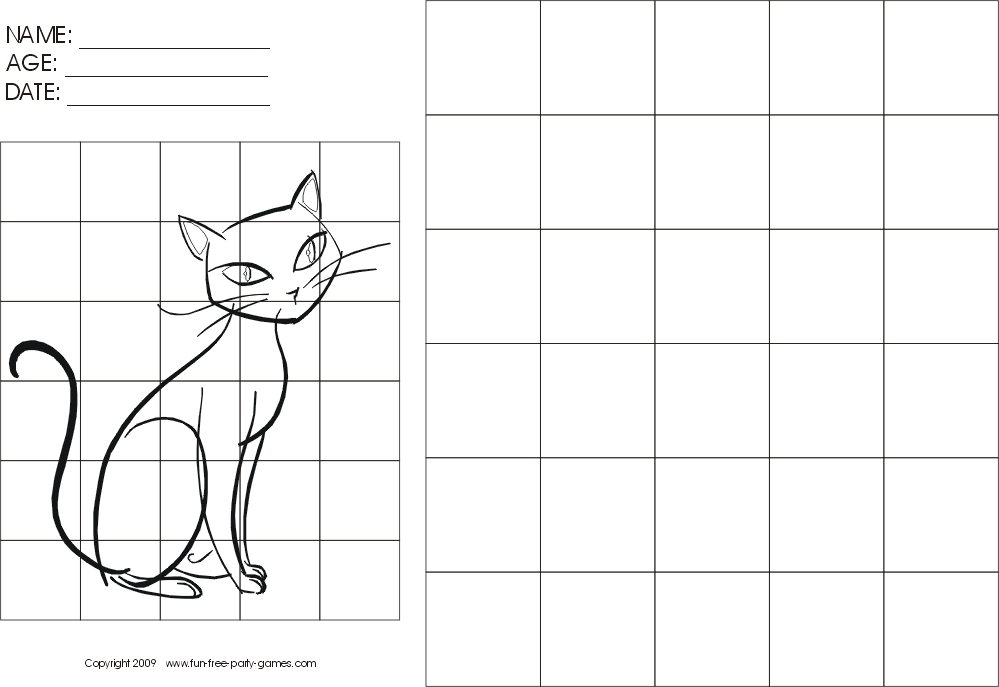
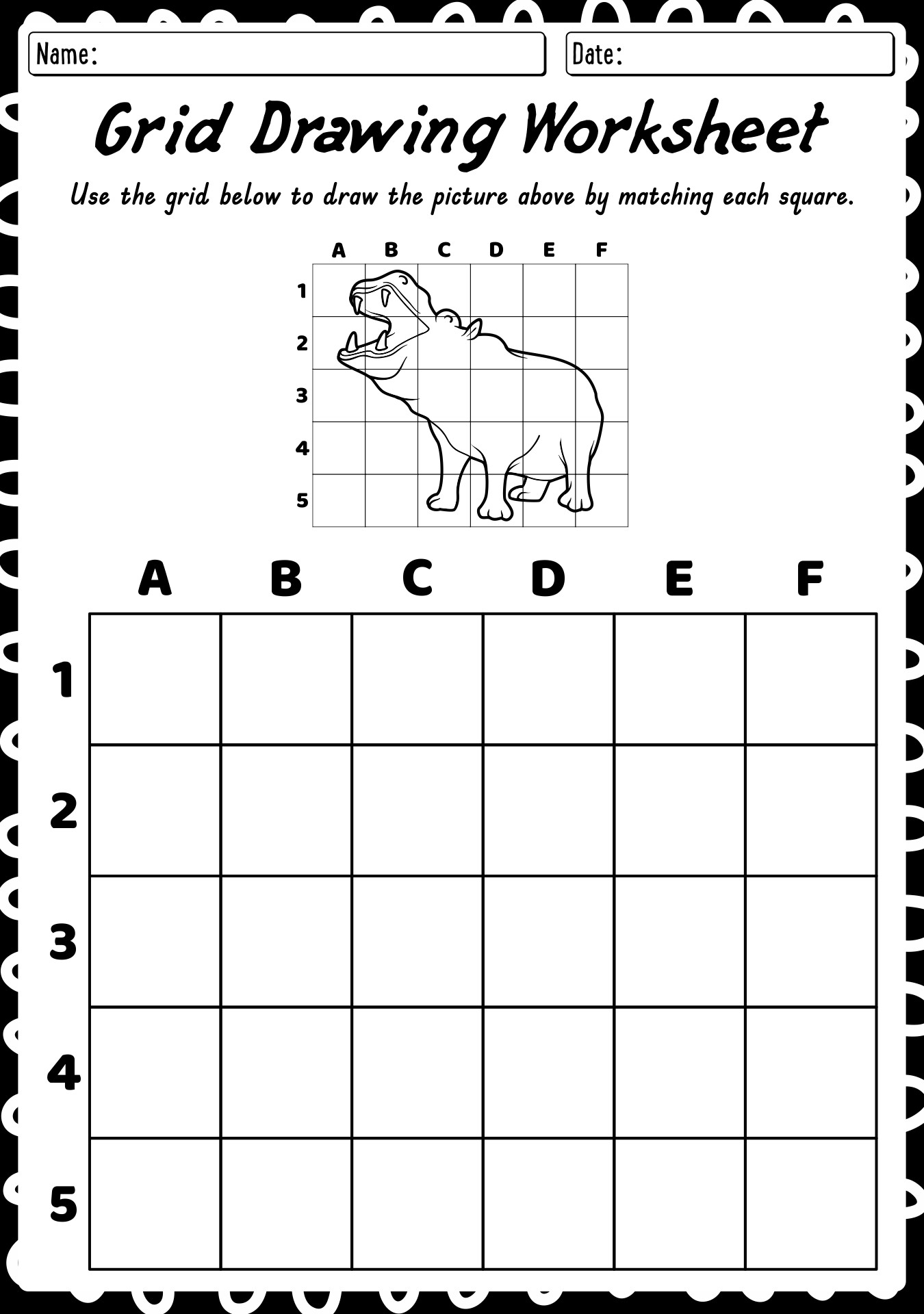
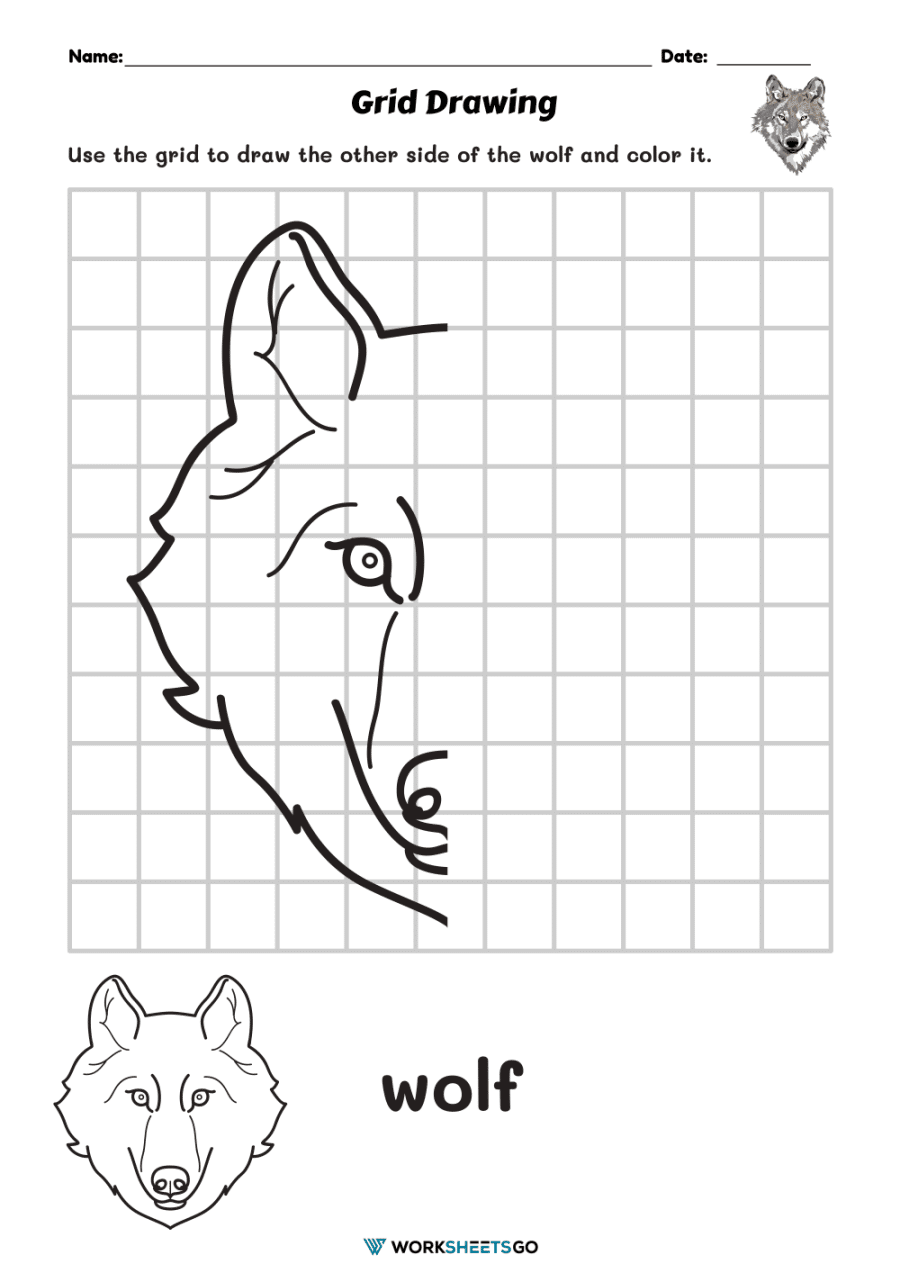
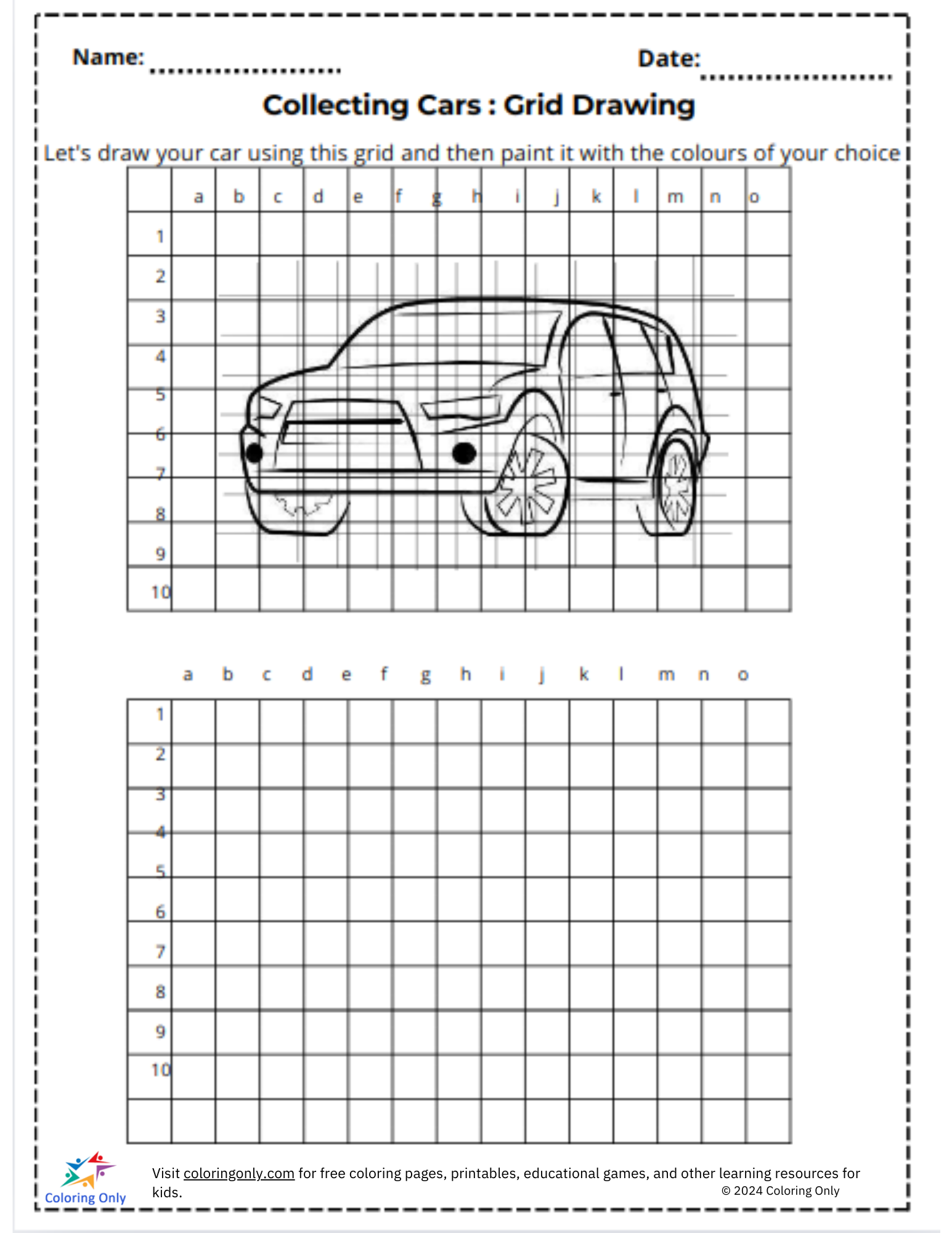
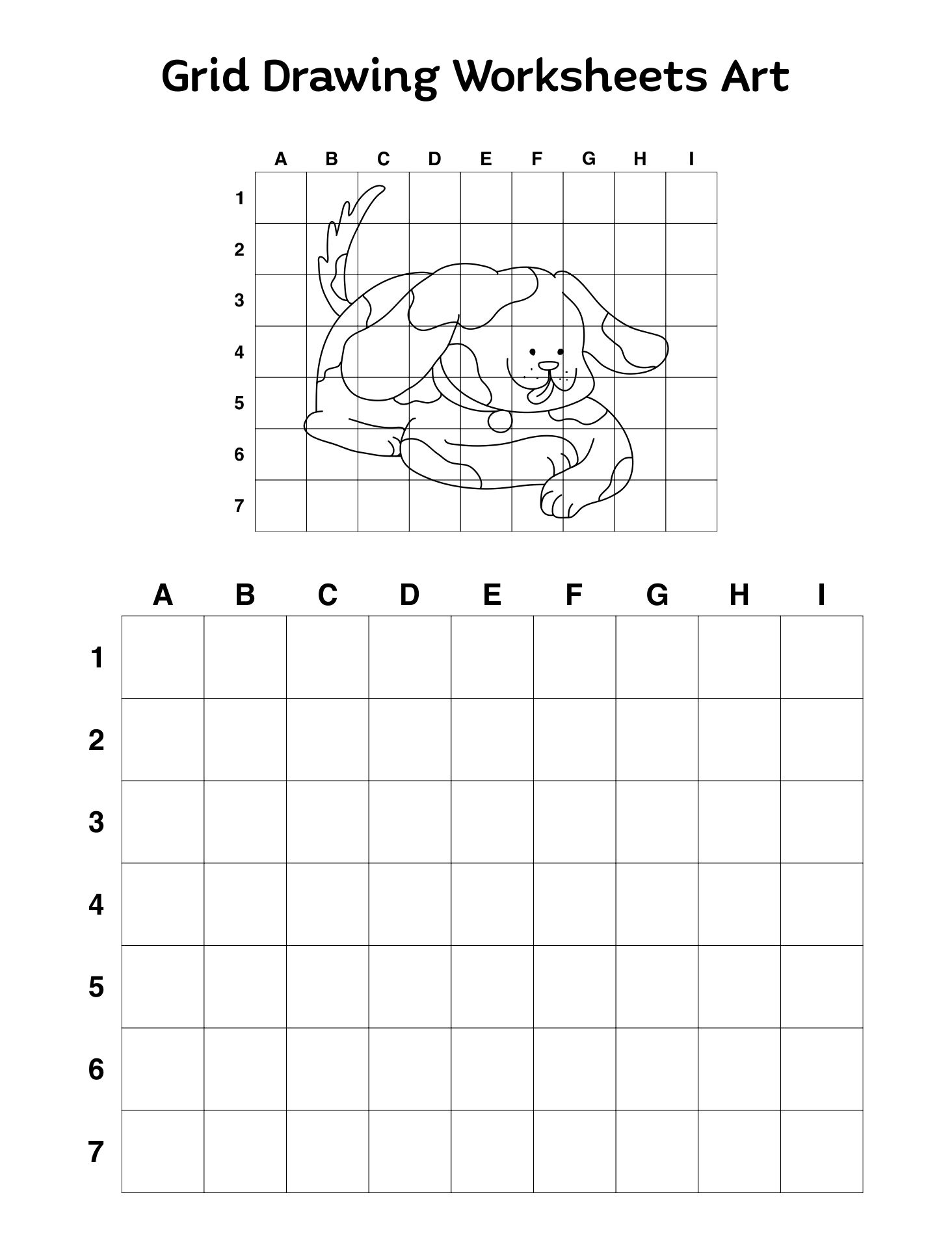
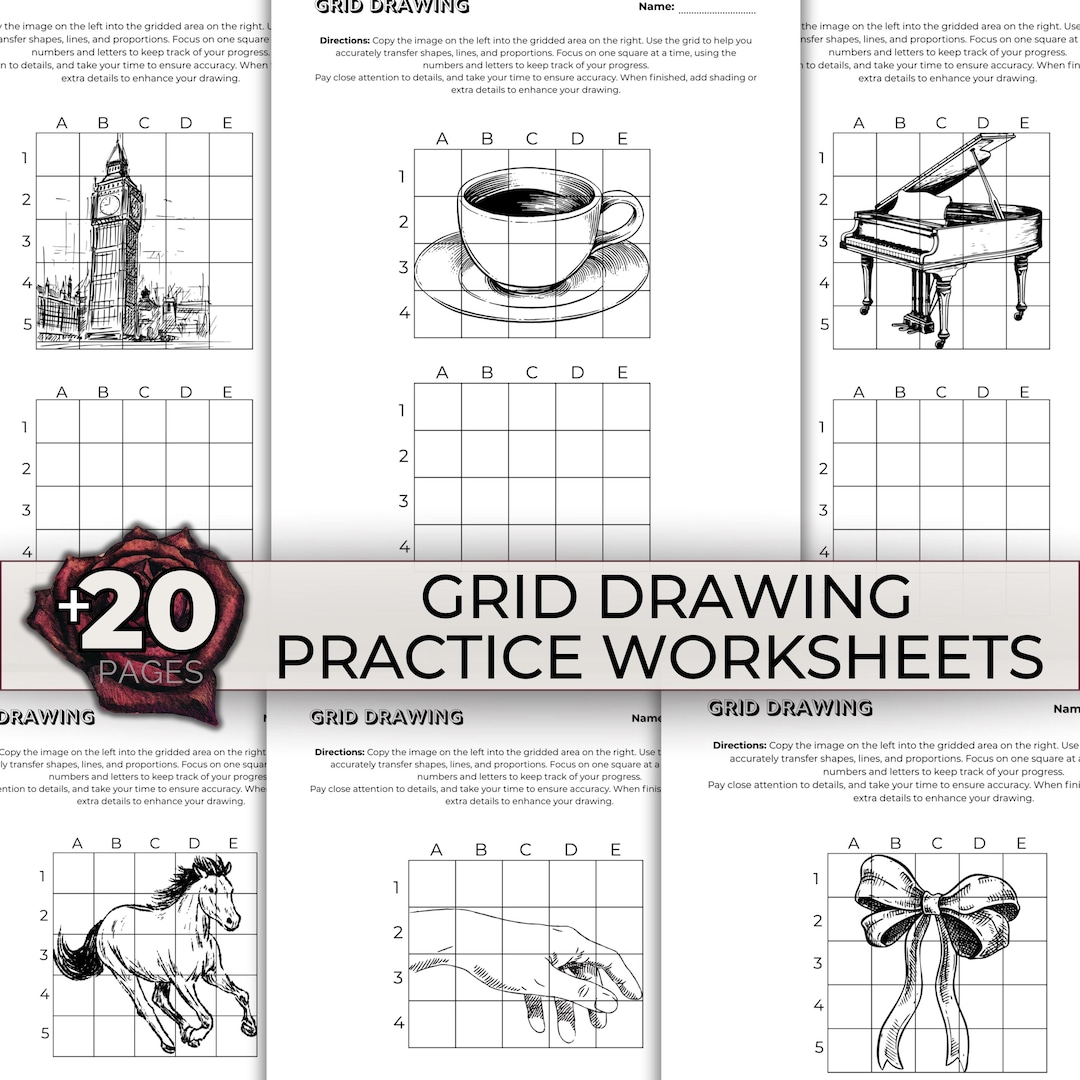
Grid drawing worksheets for middle school serve as foundational cognitive tools that bridge observational accuracy with geometric spatial reasoning by breaking complex photographic subjects into manageable coordinate-based squares. According to the National Art Education Association (NAEA), structured visual observation tasks systematically improve students’ ability to translate three-dimensional relational measurements into accurate two-dimensional renderings. Utilizing printable grid templates alongside real photo visual flashcards transforms abstract drafting into a concrete, confidence-building exercise for developing minds. Educators and parents integrate these resources within structured Educational Activities to cultivate disciplined attention to detail and patience.
Visual Learning & Skill Snapshot:
- Core Focus: Systematic coordinate mapping using printable grid drawing worksheets for middle school learners.
- Target Skill: Spatial reasoning, visual discrimination, proportional estimation, and observational patience.
- Key Recommendation: Pair photographic reference cards with matching grid overlays to eliminate scale-distortion errors.
Core Principles and Visual Learning Overview
Proportional scaling through coordinate grids trains the human brain to bypass symbolic representations and record literal visual data. When pre-teens examine a subject cell by cell, cognitive load decreases significantly, allowing the visual cortex to focus exclusively on angles, negative space, and line intersections. This systematic method prevents common developmental roadblocks where learners draw what they assume an object looks like rather than what the optical data actually reveals. Integrating curated collections from Grid Drawing libraries ensures that students encounter progressively challenging subject matter, ranging from simple architectural shapes to complex organic textures found in nature.
Key Specifications and Breakdown
| Age / Learning Stage | Visual Skill & Grid Ratio | Pedagogical Application & Scaffolding |
|---|---|---|
| Early Transition (Ages 11-12) | 1:1 Ratio (4×4 or 6×6 grid) | Focuses on basic contour matching and alignment using high-contrast reference images. |
| Mid-Adolescence (Ages 13-14) | 1:2 Scaling Ratio (Complex grids) | Teaches proportional scaling where drawing squares are larger than the photo reference grid. |
| Advanced Middle School (Ages 14-15) | Variable Sub-Grid Coordinates | Emphasizes tonal shading translation, texture mapping, and detailed photographic analysis. |
Systematic visual breaking enhances cognitive mapping and geometric scaling accuracy across developmental milestones — National Art Education Association (NAEA)
Step-by-Step Practical Application and Printing Guidelines
Executing successful drawing sessions requires careful preparation of physical materials and precise alignment between reference photos and blank templates. Educators should print reference images and corresponding student worksheets at exactly one hundred percent scale to maintain accurate proportions. Pairing these exercises with detailed Photo Flashcards provides students with crystal-clear visual references that highlight lighting, shadows, and crisp contours. Instructors must encourage students to isolate individual grid squares using index cards or sliding viewfinders, ensuring that attention remains fixed on a single coordinate region at a time.
Common Challenges and How to Avoid Them
Students frequently stumble when attempting to draw an entire grid sheet linearly from top-left to bottom-right, which often leads to cumulative alignment errors and distorted final compositions. To counteract this tendency, instructors should guide learners to map anchor points—such as extreme outer edges and central intersecting lines—before filling in delicate contour details. Furthermore, discouraging heavy initial pencil strokes allows learners to erase and adjust proportions easily without leaving deep paper impressions. Consistent reinforcement of coordinate checking safeguards against rushing and instills disciplined self-assessment habits.
💬 Frequently Asked Questions
Explore More Free Learning Printables and Visual Activities on WePhotoAgency
Accessing high-quality educational resources empowers educators and parents to foster lifelong analytical and creative capabilities in growing children. The complete collection of printable assets, visual guides, and structured learning tools available at WePhotoAgency.com supports comprehensive cognitive growth. Regular utilization of these curated materials ensures that students continuously refine their observation, proportion estimation, and fine-motor skills.
Visual Reference Gallery