Introduction
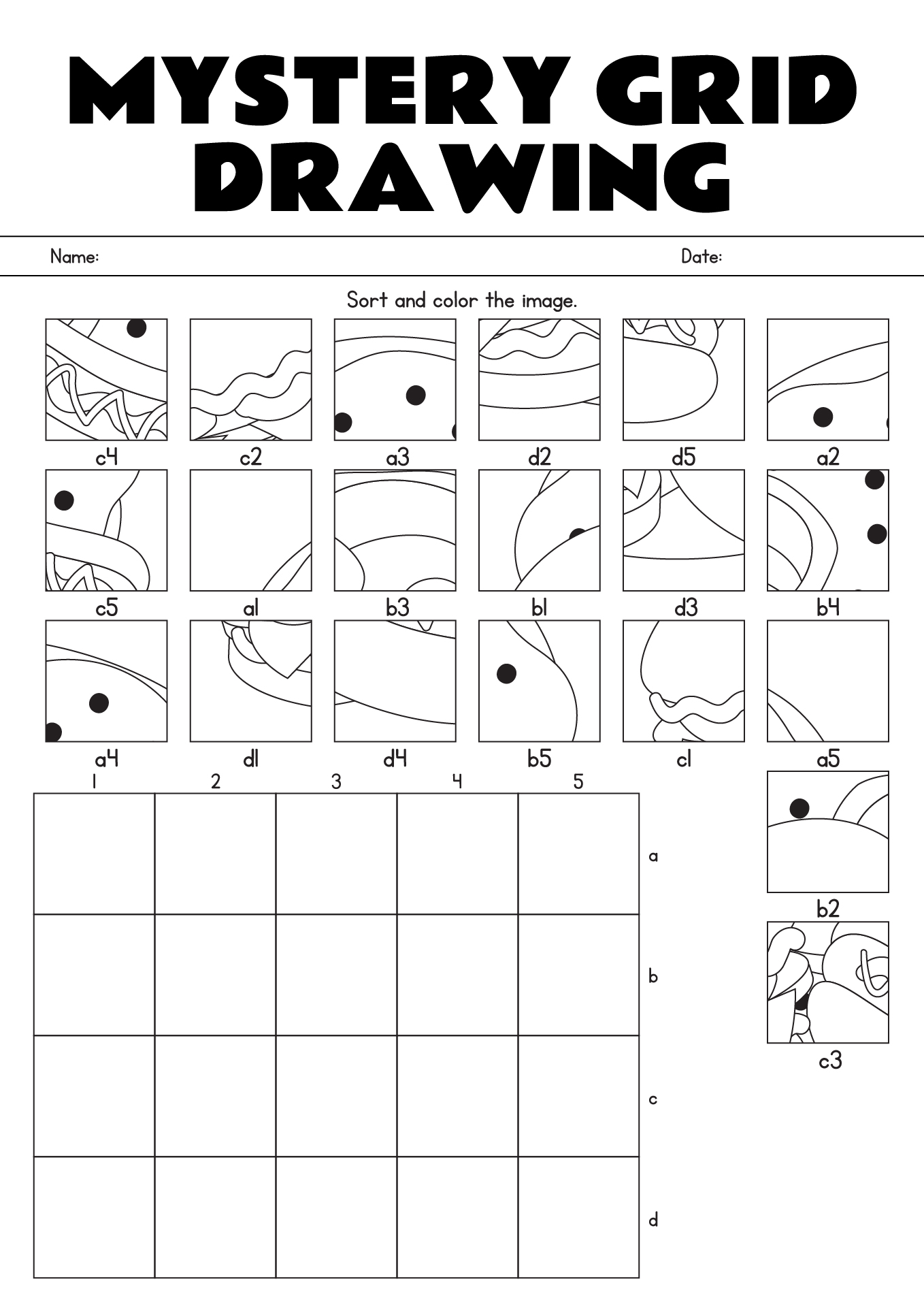
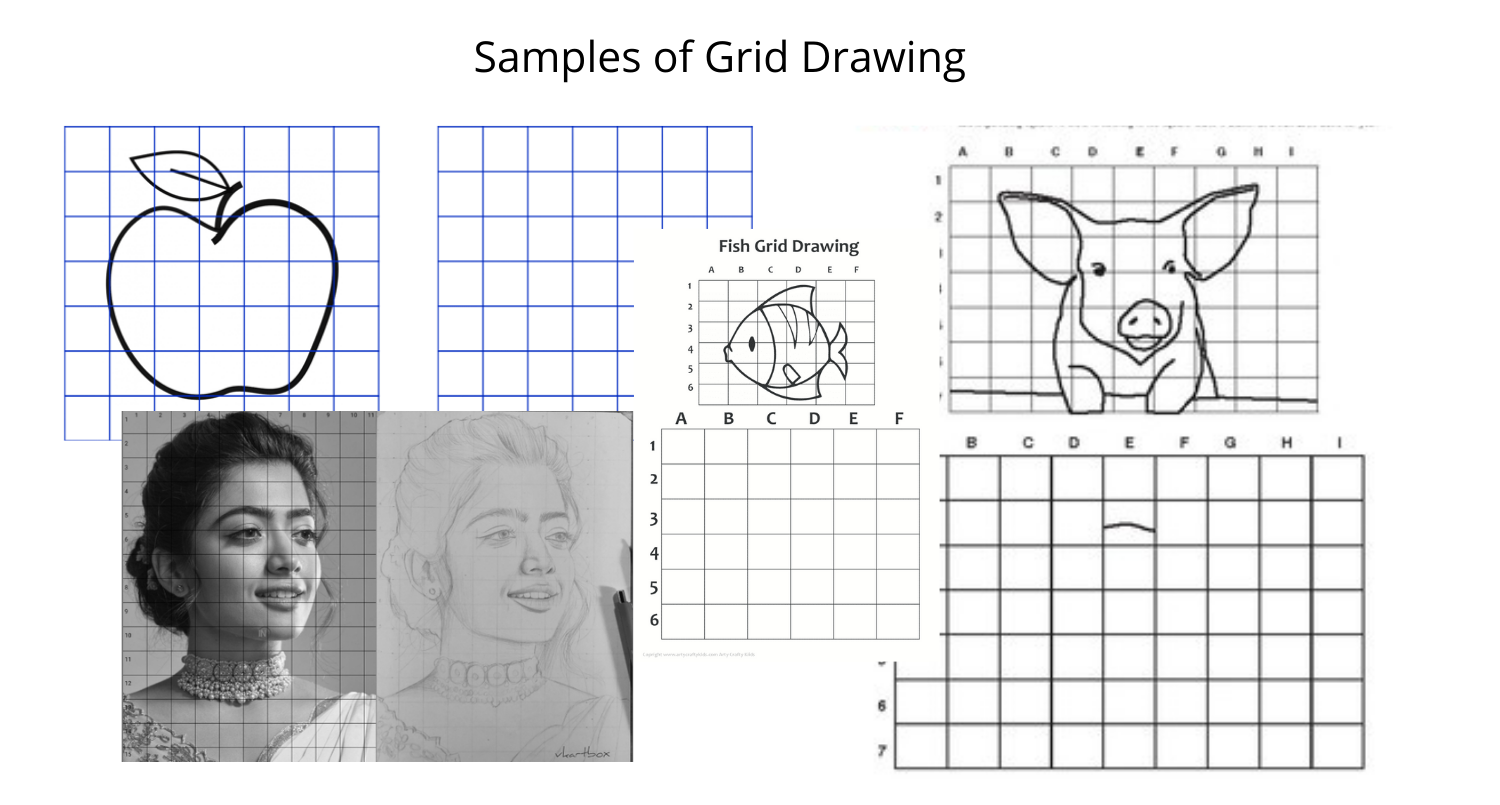
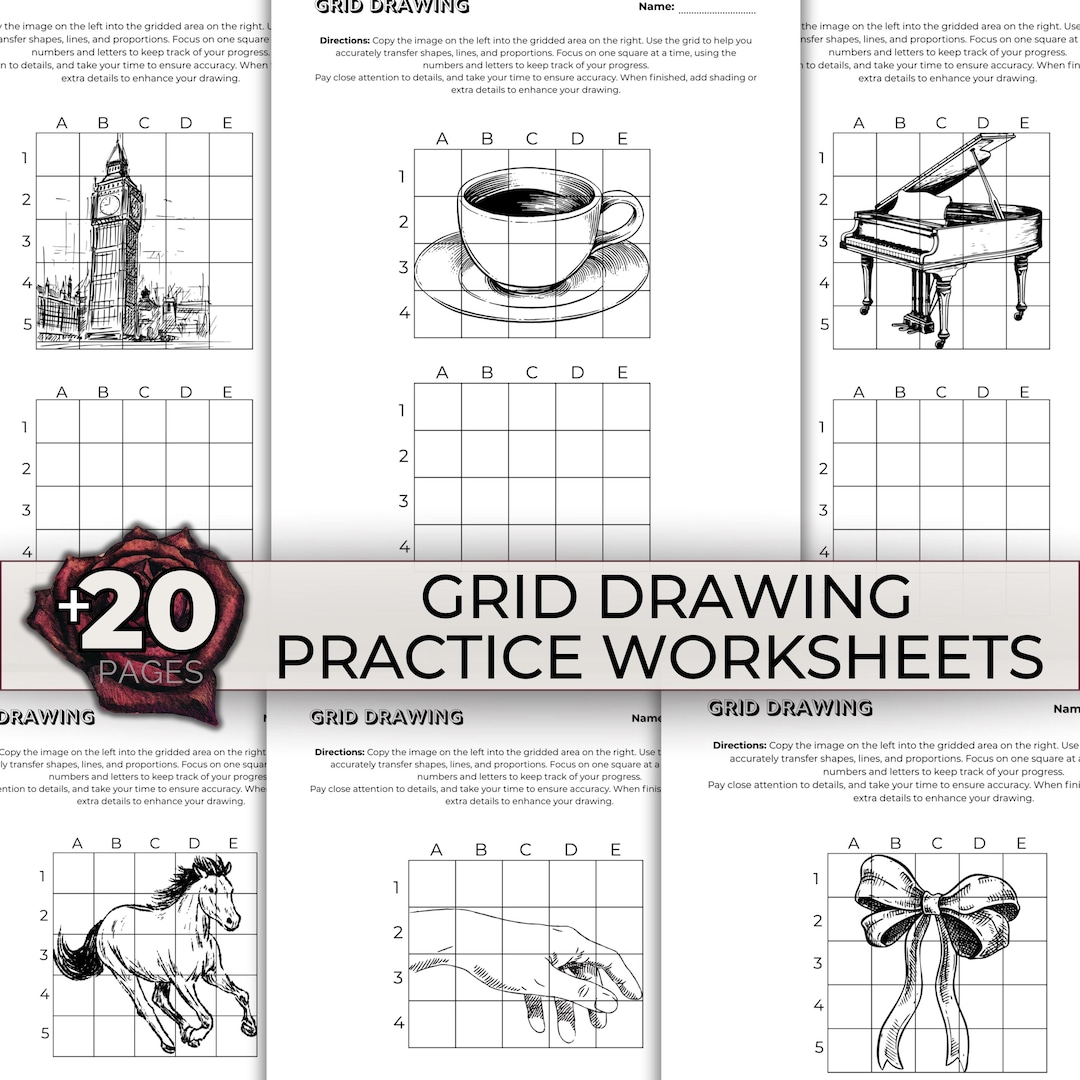
Grid drawing worksheets for adults serve as systematic cognitive tools that break complex photographic reference images into manageable geometric squares, sharpening spatial awareness and precise proportion estimation. According to the National Art Education Association (NAEA), structured observational drawing techniques effectively enhance visual-spatial processing and fine motor control across diverse age groups. Educators, homeschoolers, and therapists utilize these printable resources alongside Photo Flashcards to transition learners from abstract observation to concrete structural analysis. Understanding how to implement these grid systems bridges the gap between raw visual stimuli and accurate hand-eye coordination.
Visual Learning & Skill Snapshot:
- Core Focus: Systematic spatial partitioning using geometric grid overlays on photographic references.
- Target Skill: Spatial reasoning, visual discrimination, proportional accuracy, and grid-to-paper transfer.
- Key Recommendation: Pair high-contrast printable grids with real photo references to maximize cognitive retention and line precision.
Core Principles and Visual Learning Overview
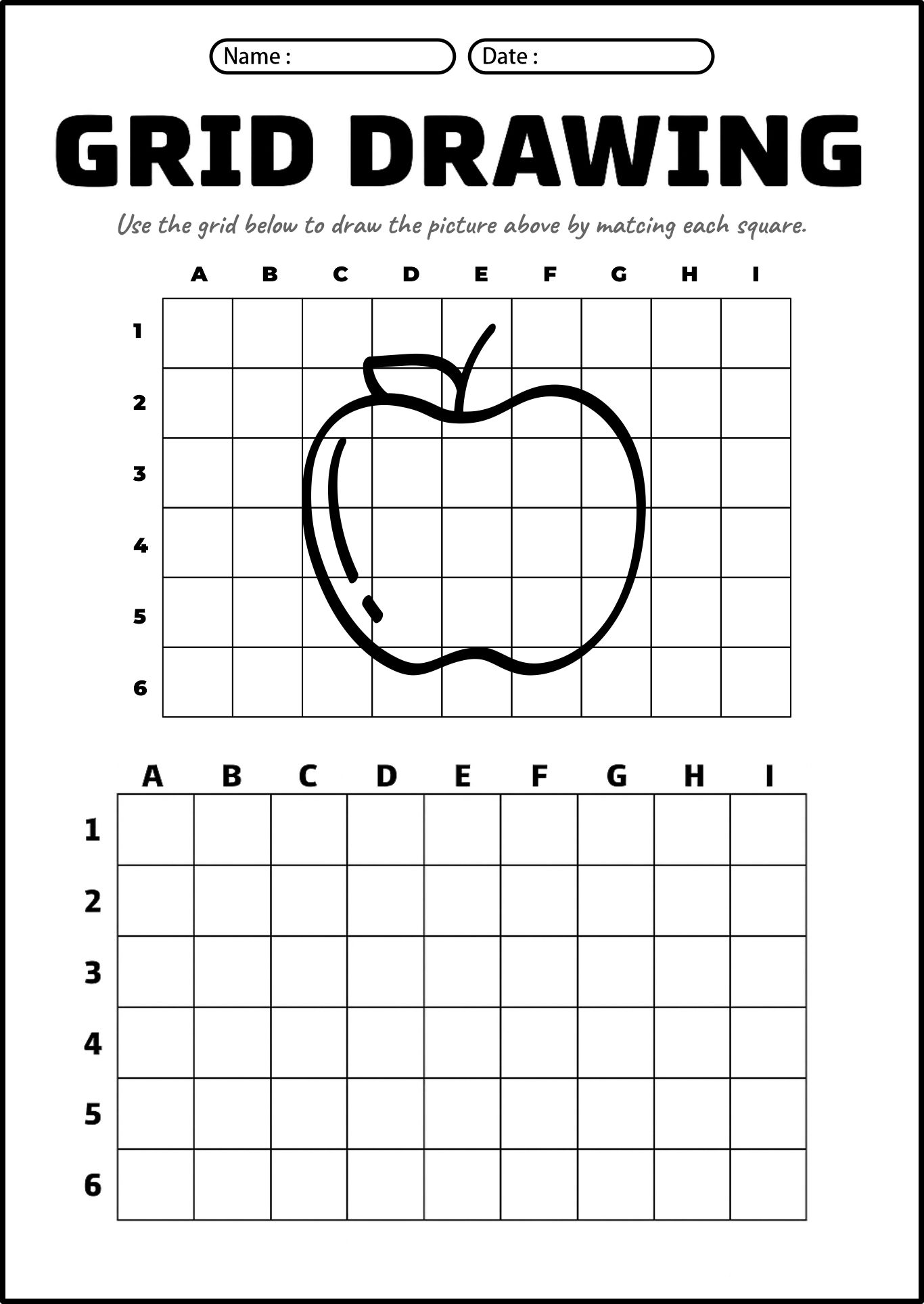
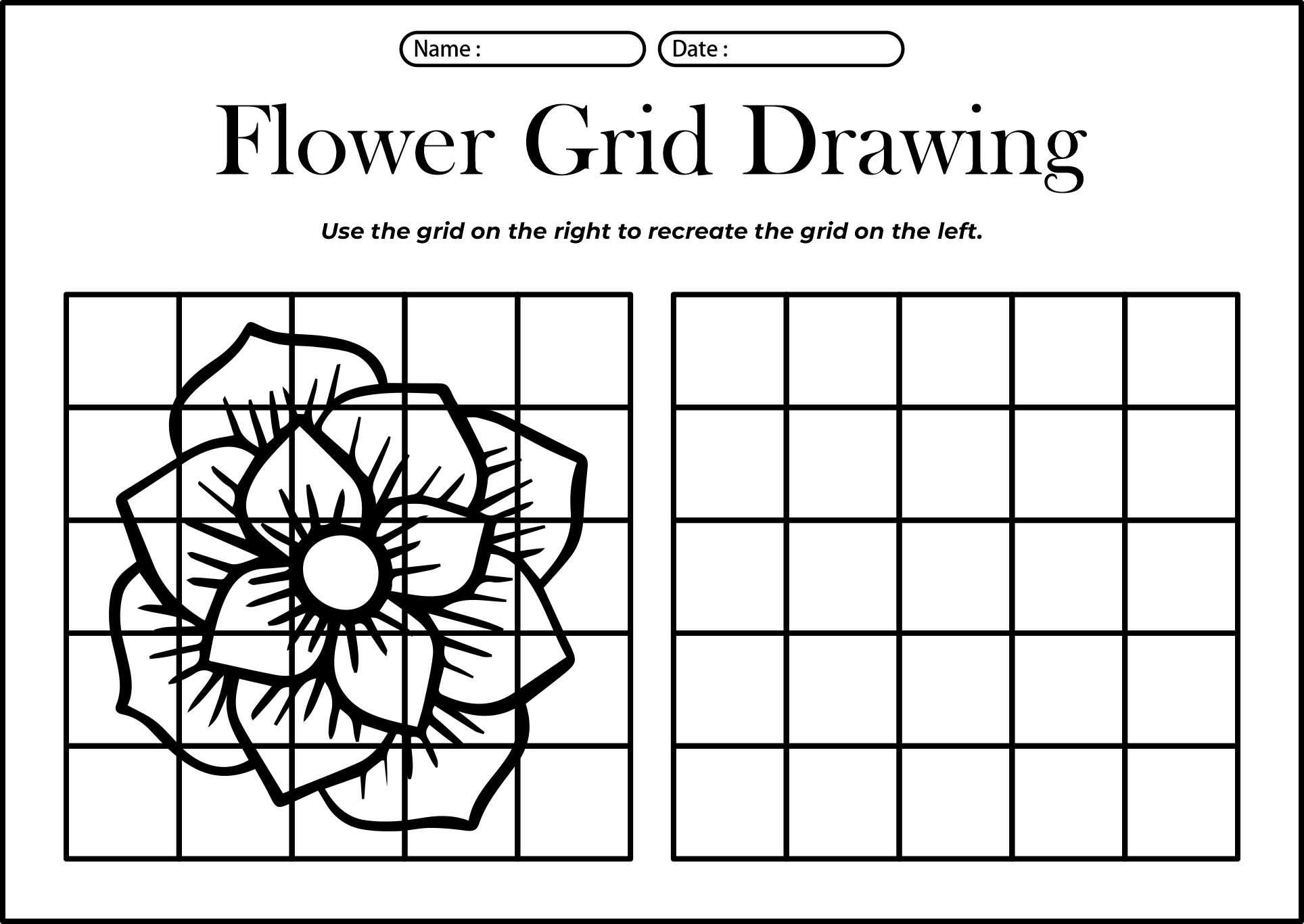
Spatial reasoning develops rapidly when learners isolate individual coordinate squares rather than attempting to render an entire complex image at once. By integrating Grid Drawing materials into daily curricula, instructors reduce cognitive overload, allowing the brain to focus entirely on negative space, angles, and line intersections within a single cell. This foundational methodology mirrors advanced drafting techniques while remaining entirely accessible for early developmental stages and adult cognitive refreshers. Combining these worksheets with tactile Educational Activities reinforces bilateral coordination and meticulous visual tracking.
Key Specifications and Breakdown
| Age / Learning Stage | Visual Skill & Grid Ratio | Pedagogical Application & Scaffolding |
|---|---|---|
| Early Beginners (Ages 5-7) | 2×2 or 3×3 Large Cells | Focuses on basic shape replication using real-world photography and simplified outlines. |
| Intermediate Learners (Ages 8-12) | 4×4 Standard Proportional Grid | Teaches angle estimation, coordinate matching, and continuous contour drawing. |
| Advanced / Adults | 8×8 or 10×10 Fine-Cell Grid | Refines hyper-realistic rendering, exact scale transference, and tonal gradient mapping. |
Systematic visual partitioning significantly reduces cognitive load and enhances geometric coordinate mapping — National Art Education Association (NAEA)
Step-by-Step Practical Application and Printing Guidelines
Executing a grid drawing session requires clear preparation, starting with high-resolution printing on durable cardstock to prevent paper warping during erasing and shading. Instructors should select a reference photograph with strong tonal contrast, overlay an identical grid pattern onto both the reference image and the blank drawing template, and guide the learner to check off each completed cell sequentially. This methodical approach ensures proper proportion tracking, eliminates freehand distortion, and instills disciplined working habits for both children and adults refining their technical skill sets.
Common Challenges and How to Avoid Them
Over-reliance on the whole image often causes learners to lose track of precise intersections, resulting in distorted proportions across grid lines. To counteract this common obstacle, educators should encourage participants to cover adjacent squares with a blank card, forcing total concentration on a single coordinate box at a time. Furthermore, ensuring that both reference and drawing grids possess matching dimensional ratios prevents stretching errors and builds absolute confidence in visual translation.
💬 Frequently Asked Questions
Explore More Free Learning Printables and Visual Activities on WePhotoAgency
Accessing a comprehensive library of developmental tools ensures continuous creative growth for learners of all ages. Visit WePhotoAgency.com to download professional printables, visual flashcards, and structured art exercises designed to support spatial intelligence and cognitive development.
Visual Reference Gallery