Introduction
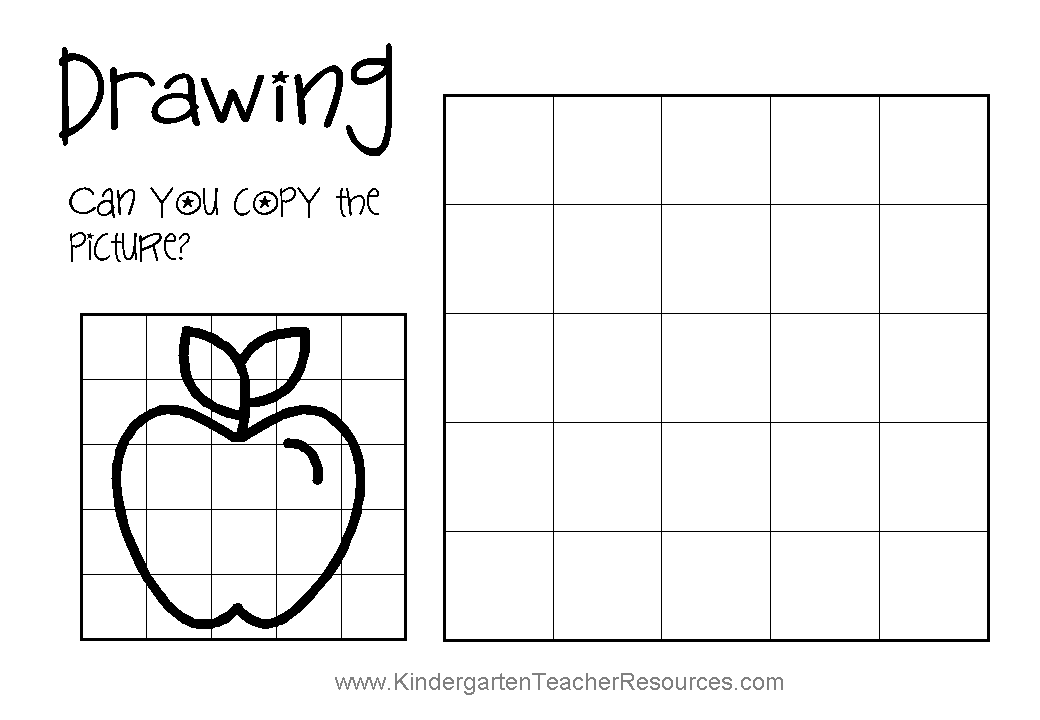
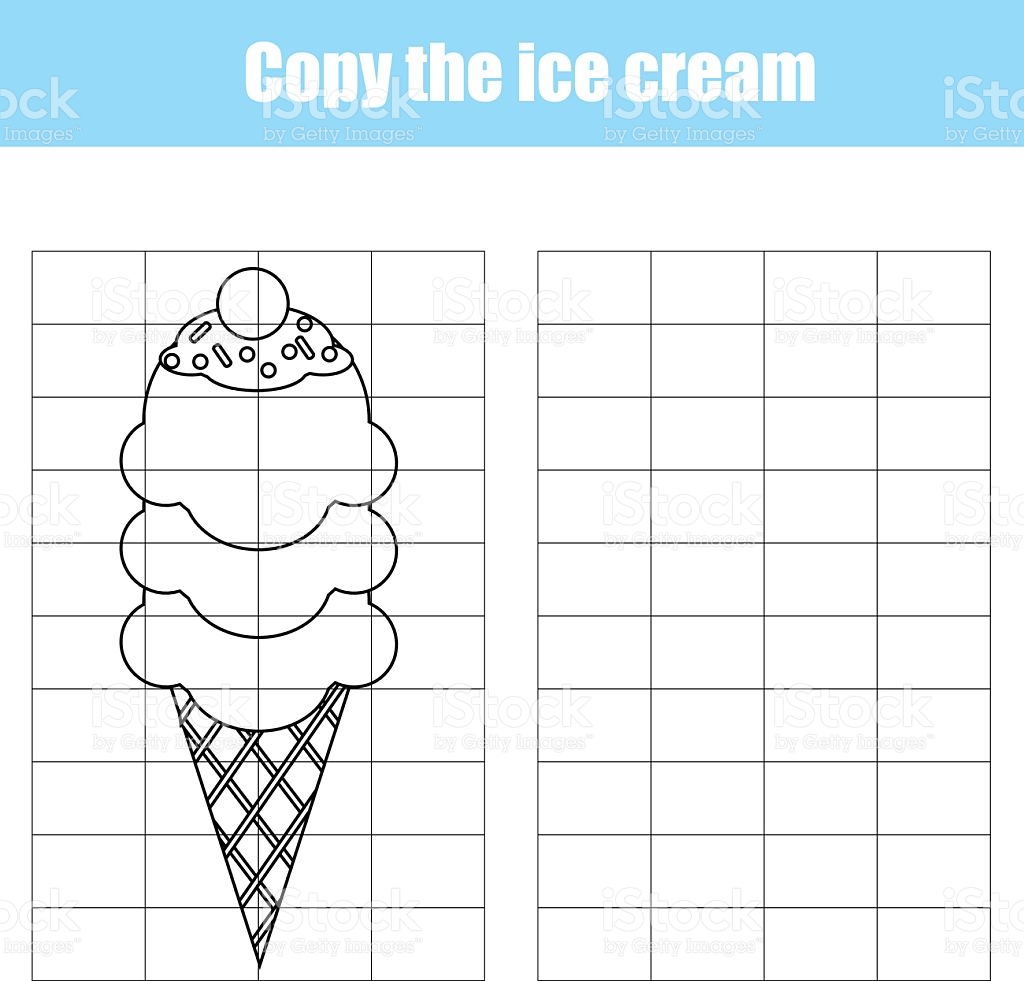
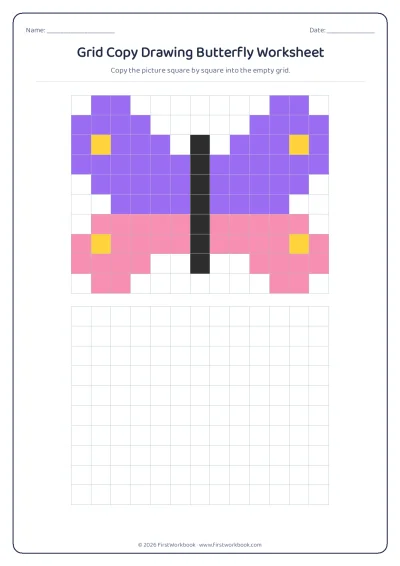
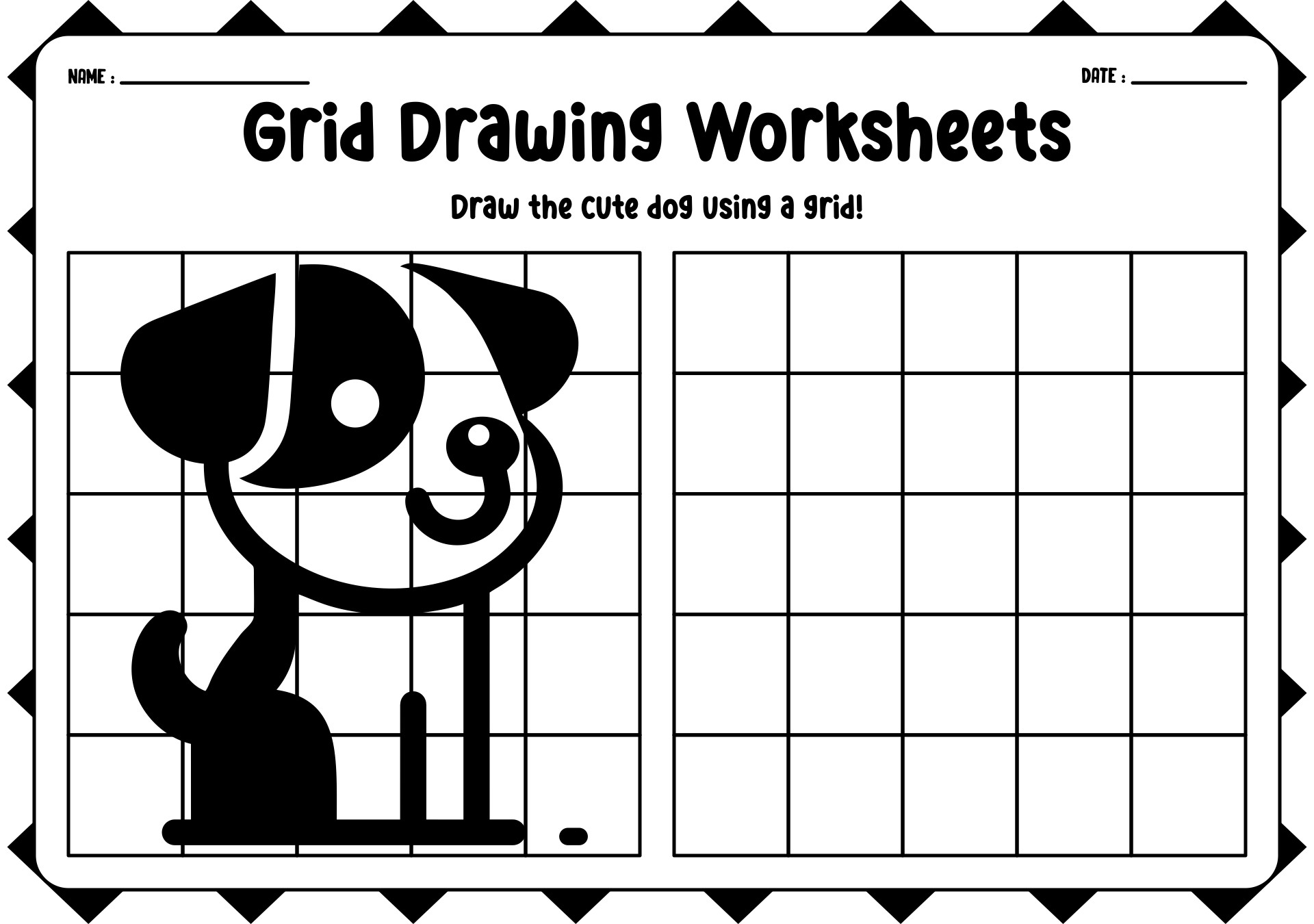
Grid drawing worksheets easy represent foundational cognitive tools that break complex visual subjects into manageable segments to teach early spatial awareness, proportion estimation, and fine-motor control. According to the National Art Education Association (NAEA), structured visual observation tasks significantly enhance observational drawing skills, mental rotation capabilities, and structural understanding in early childhood learners. Educators and parents often leverage printable Grid Drawing templates alongside Photo Flashcards to transition children from abstract imagery to concrete, coordinate-based visual analysis.
Visual Learning & Skill Snapshot:
- Core Focus: Simplified coordinate-based visual duplication designed for early elementary and kindergarten development.
- Target Skill: Spatial reasoning, visual discrimination, fine-motor proportion, and photo-based concept mastery.
- Key Recommendation: Pair high-contrast photograph references with low-density 2×2 or 3×3 grids to prevent cognitive overload.
Core Principles and Visual Learning Overview
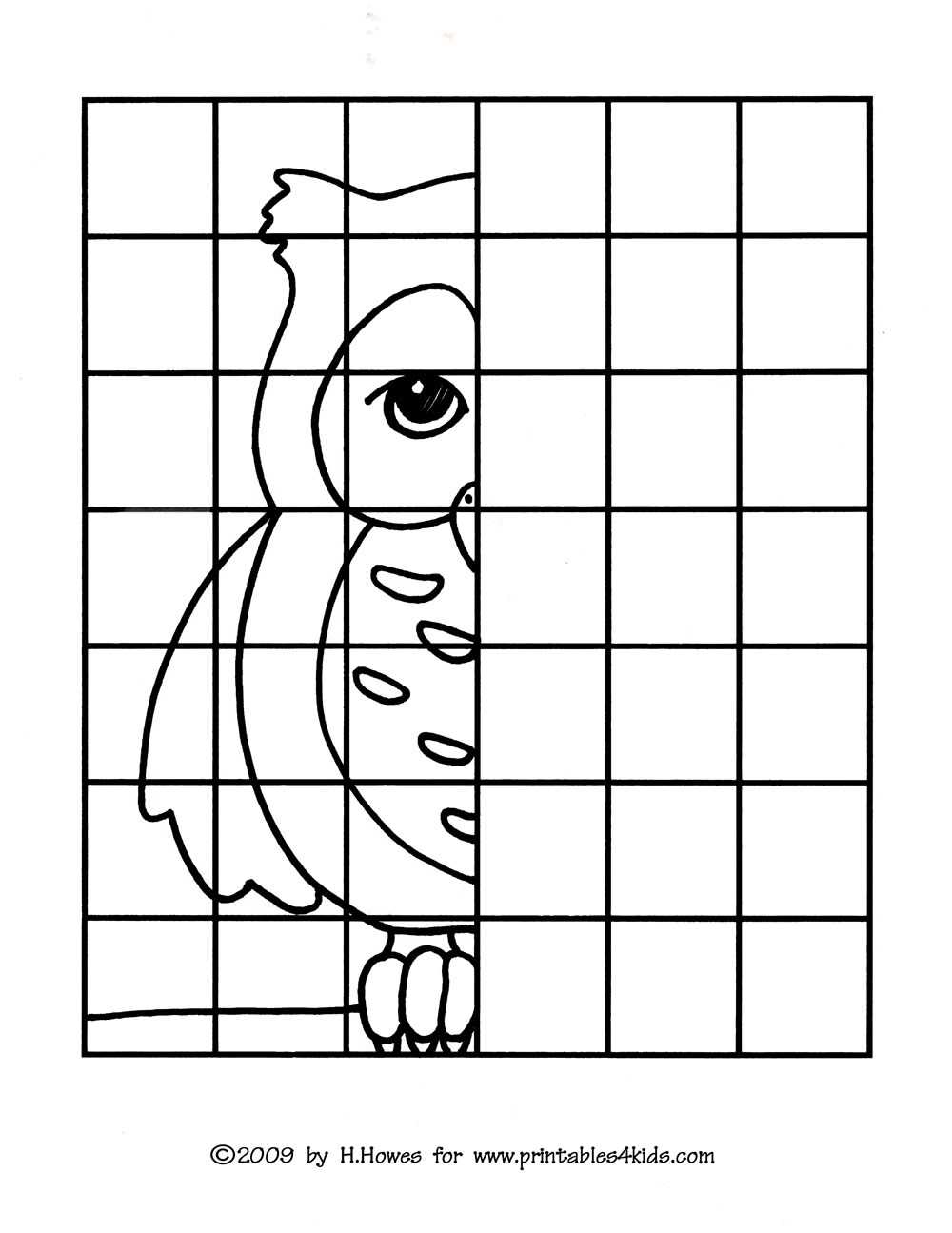
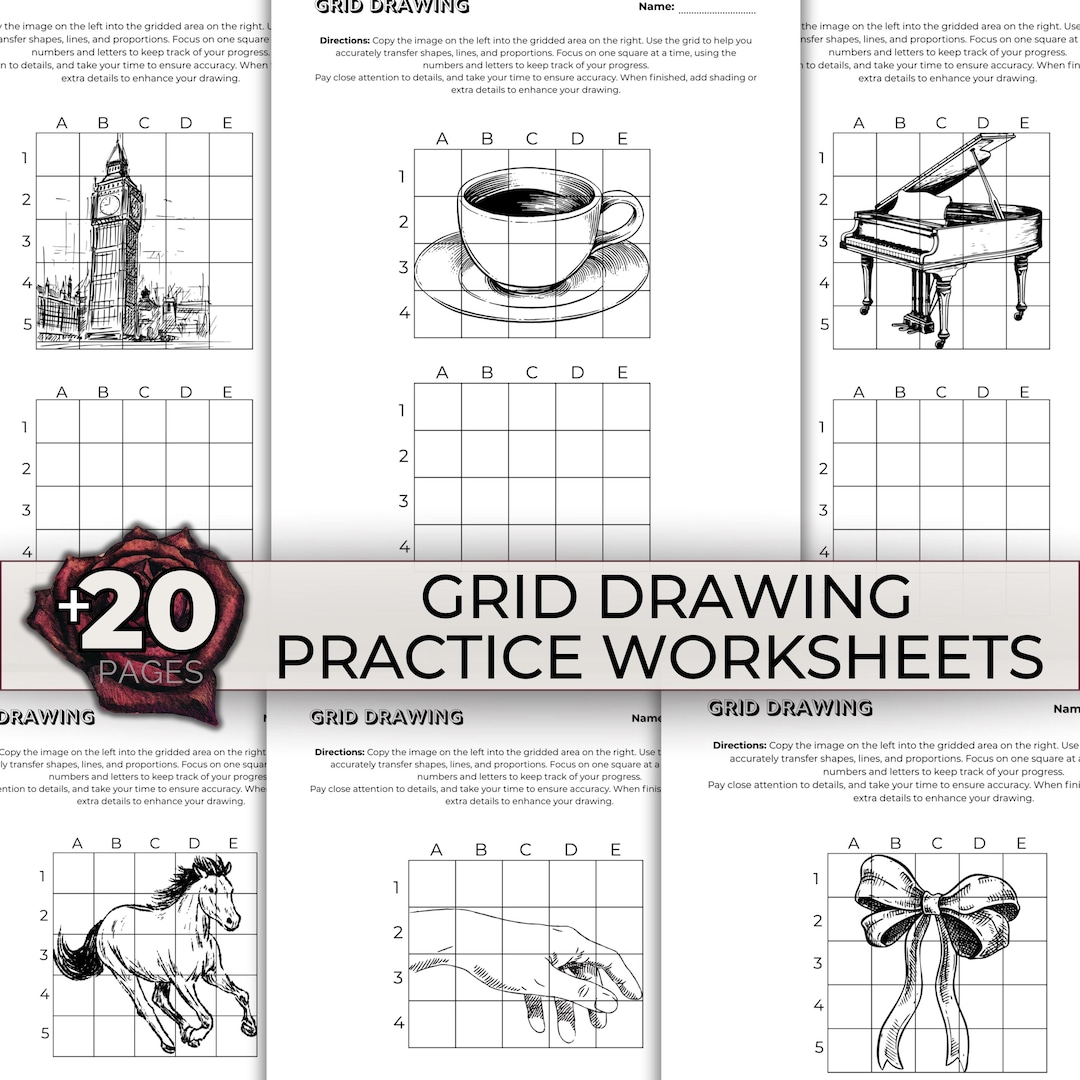
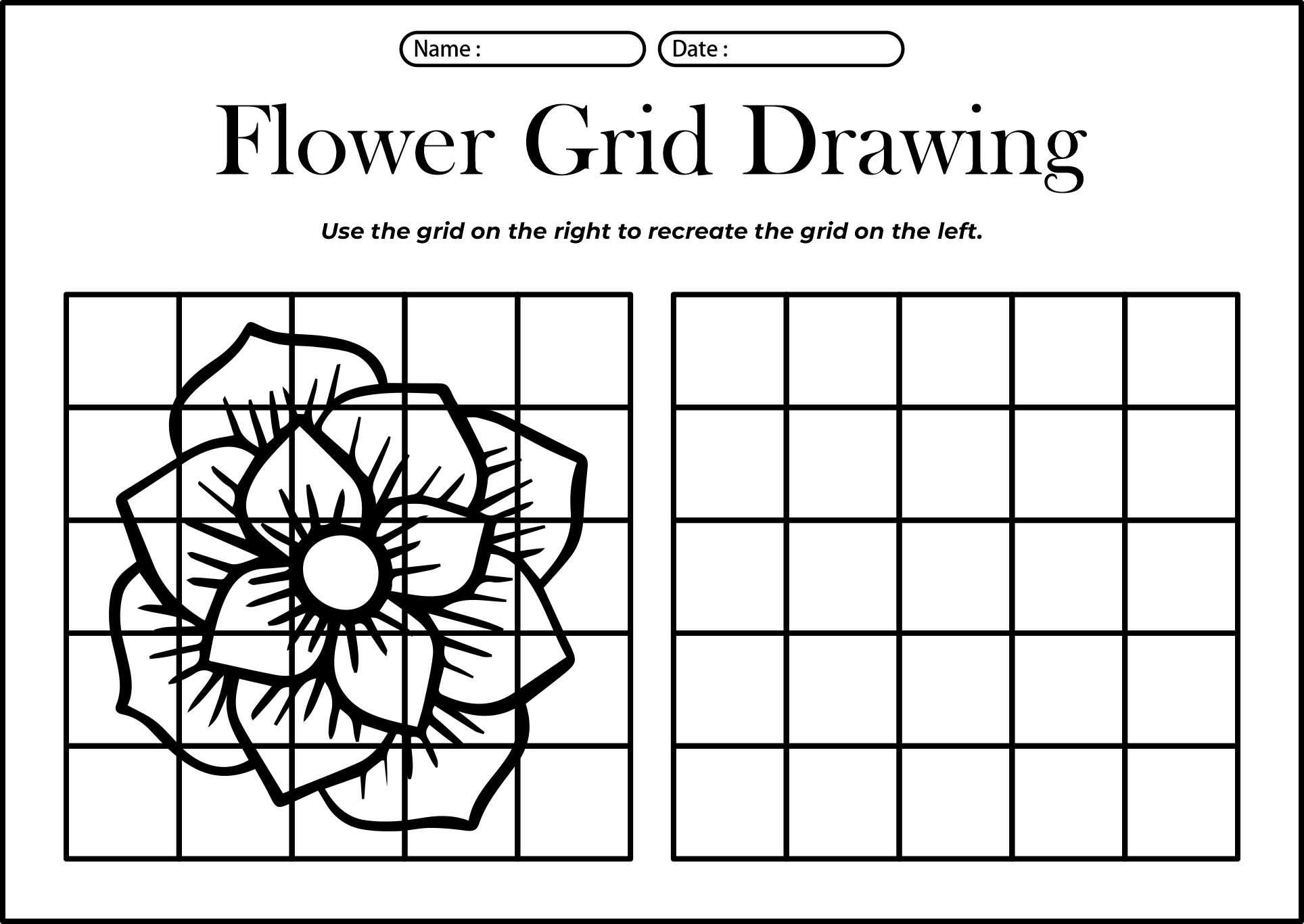
Simplified grid drawing worksheets function by training the human visual processing system to isolate individual quadrants rather than attempting to render an overwhelming whole at once. By overlaying a clear, numbered and lettered grid system atop a real photographic reference image, young learners learn to translate two-dimensional coordinates onto a matching blank drawing box. This systematic approach reduces visual anxiety, builds meticulous attention to detail, and strengthens hand-eye coordination. When integrated into daily Educational Activities, these resources bridge the gap between abstract mathematical coordinates and creative artistic expression.
Key Specifications and Breakdown
| Age / Learning Stage | Visual Skill & Grid Ratio | Pedagogical Application & Scaffolding |
|---|---|---|
| Ages 4-5 (Preschool) | 2×2 Grid with Bold Borders | Focuses on basic shape tracking and quadrant identification using tactile photo subjects. |
| Ages 6-7 (Early Elementary) | 3×3 Grid with Moderate Lines | Targets line intersection, proportional scaling, and contour tracking from real-life objects. |
| Ages 8-9 (Advanced Beginner) | 4×4 Grid with Standard Metrics | Enhances complex angle replication, shading perception, and independent accuracy checks. |
Structured visual partitioning and grid-based coordinate mapping effectively scaffolds spatial cognitive development and executive functioning in early learners — National Art Education Association (NAEA)
Step-by-Step Practical Application and Printing Guidelines
Successful implementation requires selecting high-contrast reference images and setting printer scaling parameters to ensure uniform grid squares. Educators should print worksheets on heavyweight cardstock to withstand repeated erasing and pencil pressure by developing hands. Instruct learners to cover all grid squares except the active target quadrant using an index card to isolate visual stimuli and enforce focused observation. Facilitators should verify that the reference grid and the target drawing grid maintain identical aspect ratios to eliminate distorted proportions during the replication process.
Common Challenges and How to Avoid Them
Children frequently struggle with grid drawing worksheets easy when the reference photograph contains excessive background clutter or ambiguous tonal values. To mitigate this frustration, instructors must curate simplified photographic subjects featuring distinct outlines and minimal internal distractions. If a child draws outside the designated box, guide the eye back to the specific coordinate intersection point rather than correcting the mark directly. Encouraging the use of light-touch construction pencils allows young artists to easily adjust proportions without tearing the paper surface.
💬 Frequently Asked Questions
Explore More Free Learning Printables and Visual Activities on WePhotoAgency
Discover an extensive library of supplementary pedagogical tools, printable worksheets, and developmental resources designed to inspire young minds by visiting the main portal at WePhotoAgency.com.
Visual Reference Gallery