Introduction
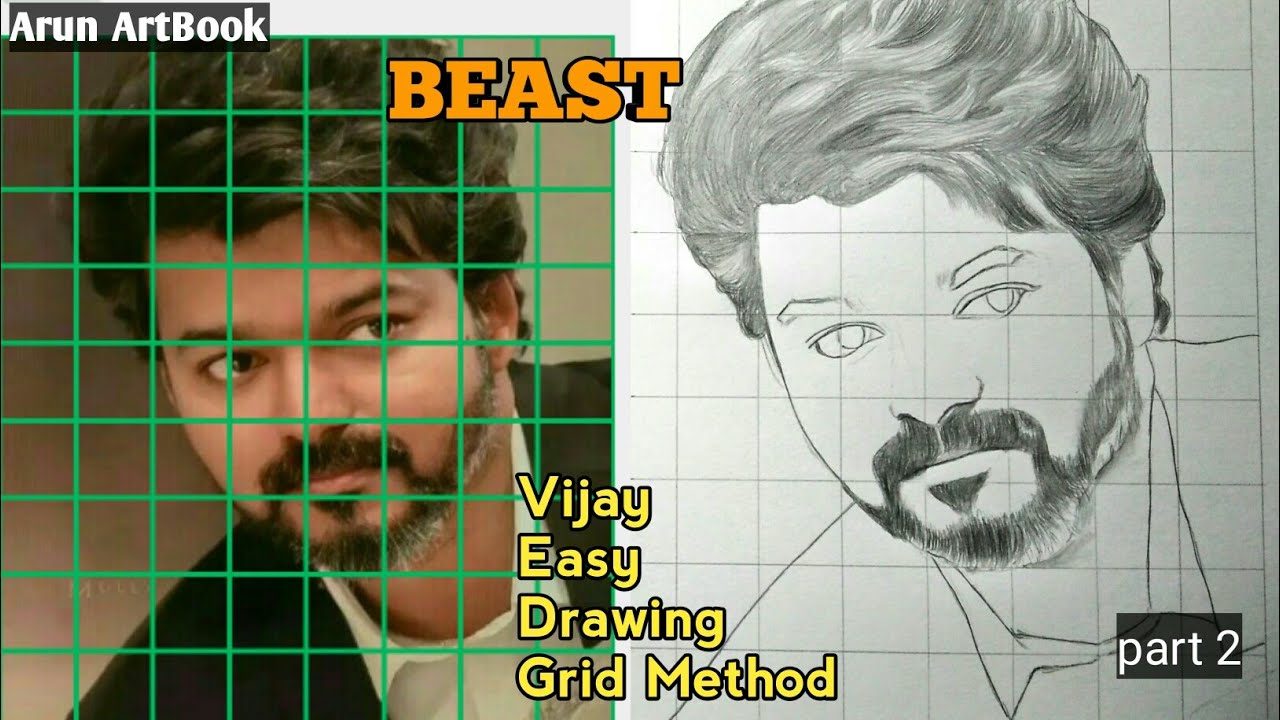
Grid drawing vijay represents a structured visual learning methodology that breaks complex photographic images into manageable, coordinate-based segments to develop early spatial awareness and proportional accuracy in young learners. According to the National Art Education Association (NAEA), sequential visual parsing and observational drawing exercises significantly enhance fine-motor coordination, cognitive mapping, and geometric comprehension in early childhood development. This pedagogical approach transforms daunting artistic tasks into achievable visual puzzles, enabling children to decode shapes, angles, and lines systematically. Utilizing printable worksheets paired with real-world Photo Flashcards bridges the gap between concrete photographic reality and abstract geometric representation. Integrating these resources into daily curricula establishes a solid foundation for advanced visual arts and geometry.
Visual Learning & Skill Snapshot:
- Core Focus: Systematic coordinate-based grid drawing vijay for precise image replication and spatial reasoning.
- Target Skill: Spatial reasoning, visual discrimination, fine-motor proportion, and photographic concept mastery.
- Key Recommendation: Start with basic 2×2 or 3×3 grids using high-contrast photo references before progressing to dense coordinate matrices.
Core Principles and Visual Learning Overview
Grid drawing vijay functions by training the human eye to isolate individual squares rather than processing an entire complex composition at once. This technique reduces cognitive overload by limiting the visual field to isolated coordinate intersections, teaching children to analyze negative space, line curvature, and intersection points methodically. When paired with structured Educational Activities, this method strengthens bilateral coordination as learners continuously transfer visual data from a reference photograph to a blank drawing grid. Educators utilize this process to transition children from intuitive scribbling to deliberate, observation-driven draftsmanship, fostering patience, attention to detail, and analytical problem-solving skills vital across all academic disciplines.
Key Specifications and Breakdown
| Age / Learning Stage | Visual Skill & Grid Ratio | Pedagogical Application & Scaffolding |
|---|---|---|
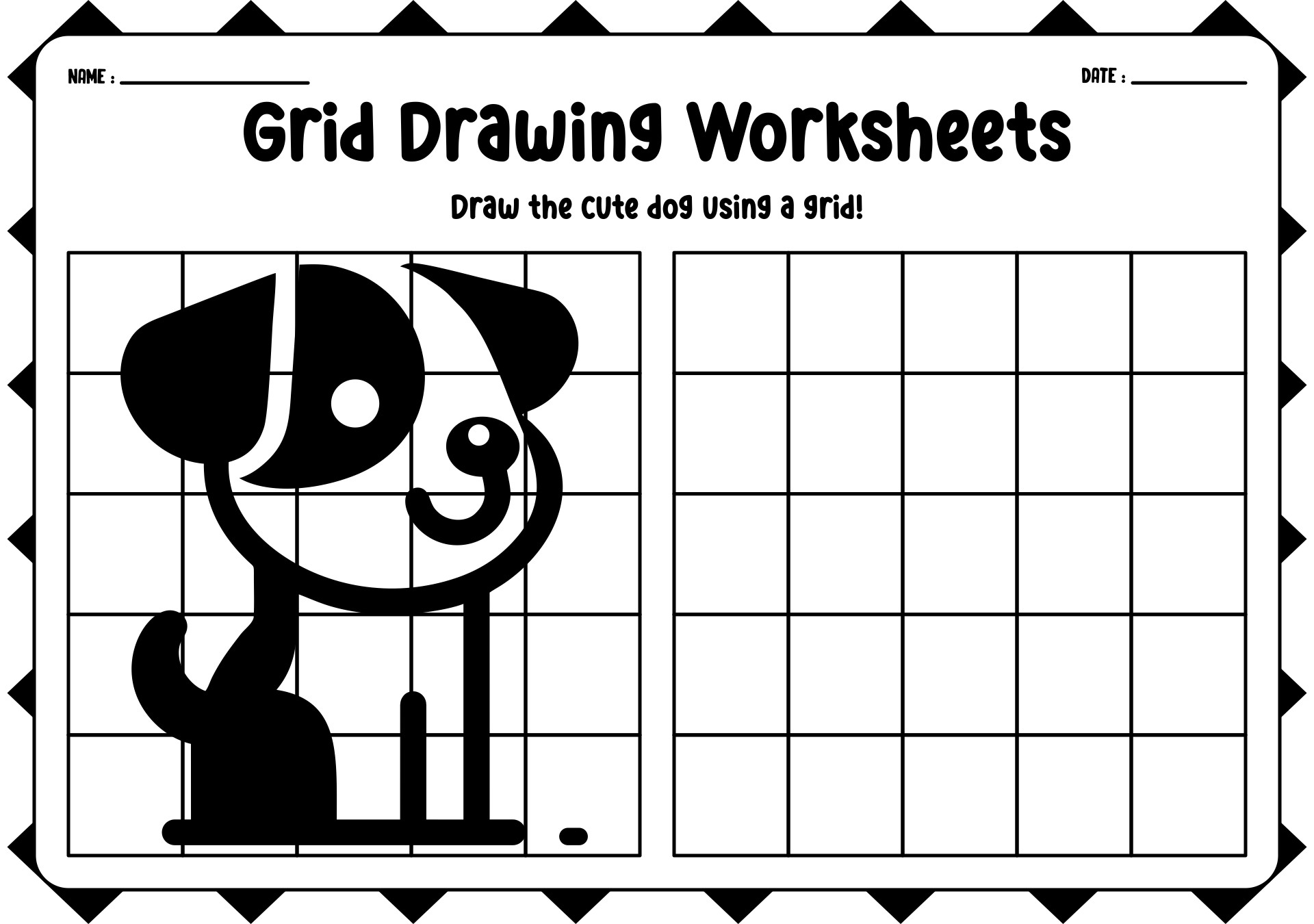
| Ages 4–5 (Early Preschool) | 2×2 Grid with Bold Outlines | Focuses on basic shape recognition and simple coordinate mapping using real-world object photos. |
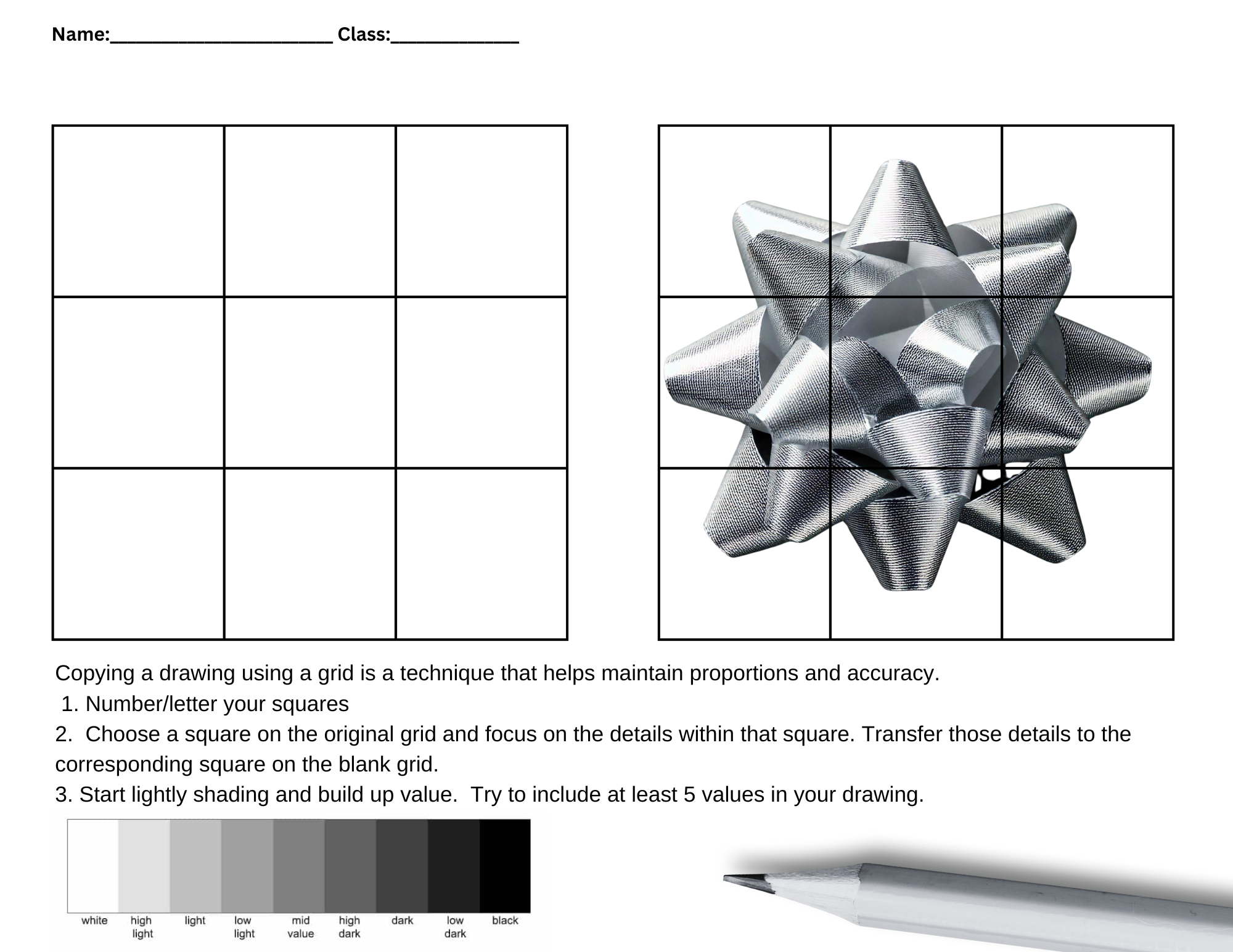
| Ages 6–7 (Early Elementary) | 3×3 to 4×4 Balanced Grid | Emphasizes proportion estimation, line continuity, and direct visual comparison against source images. |
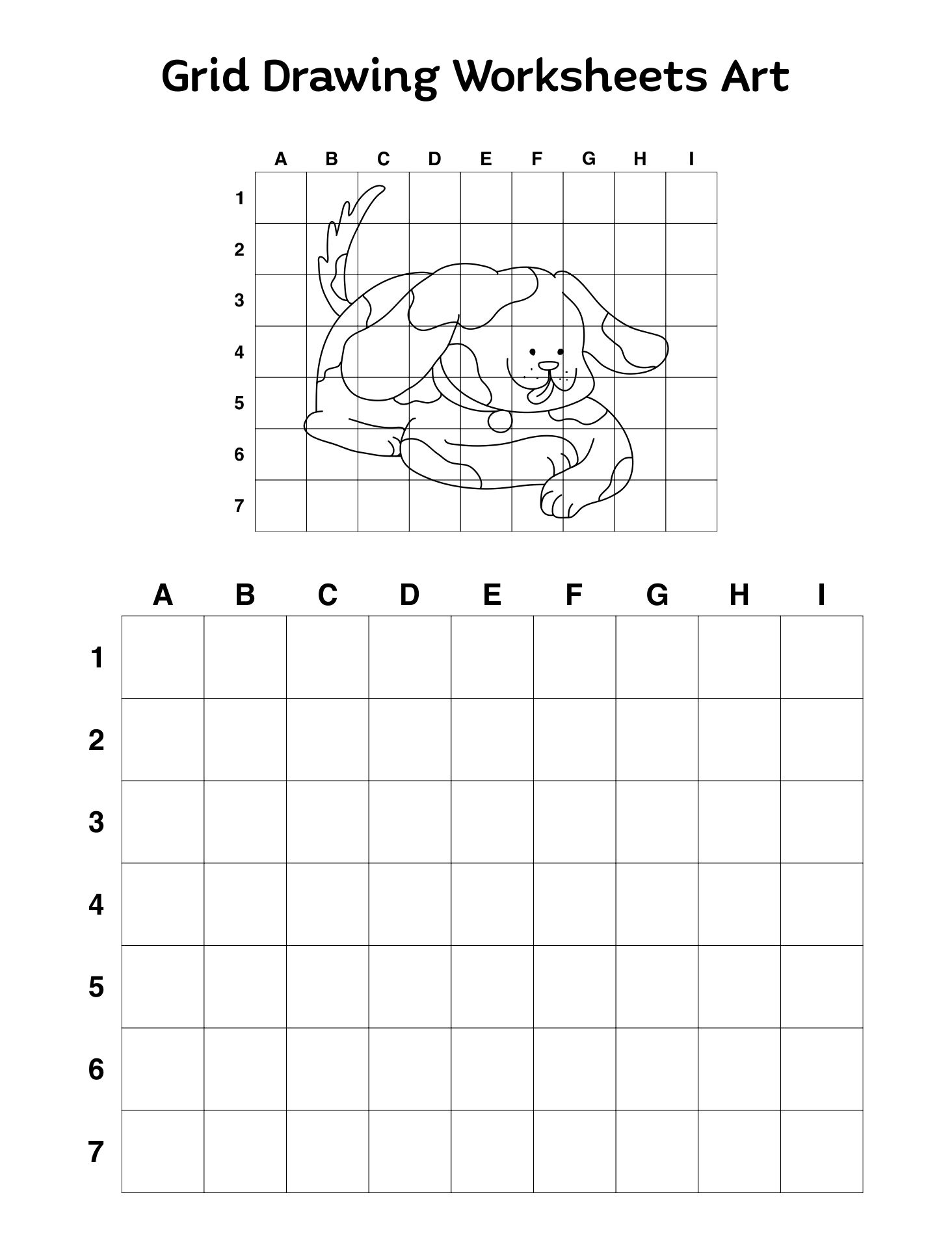
| Ages 8–9 (Advanced Elementary) | 6×6 Dense Matrix Grid | Develops advanced spatial scaling, intricate contour tracing, and fine-motor precision for complex subjects. |
Systematic visual breaking techniques strengthen neurological pathways responsible for spatial memory and geometric analysis — National Art Education Association (NAEA)
Step-by-Step Practical Application and Printing Guidelines
Grid drawing vijay requires high-clarity printed materials to ensure young learners can easily distinguish intersecting lines from photographic details. Educators must print worksheets on heavyweight cardstock to prevent tearing during pencil erasure and repeated coordinate tracking. Place the reference photo with its overlaid grid directly beside the blank target grid to minimize head-moving fatigue and eye strain during execution. Instruct learners to start with the center square or top-left quadrant, marking key coordinate points where lines intersect the grid borders before sketching connecting curves. Consistent lighting and uncluttered workspaces further maximize the cognitive benefits of these structured printables.
Common Challenges and How to Avoid Them
Grid drawing vijay often presents hurdles when children attempt to draw the entire object at once instead of isolating individual grid squares. Educators and parents can prevent this frustration by utilizing opaque paper masks to cover surrounding squares, forcing the learner to focus exclusively on one coordinate zone at a time. Another frequent obstacle involves incorrect line scaling caused by mismatched grid aspect ratios; always ensure source photos and target worksheets maintain identical dimensional proportions. Providing softer grade pencils and kneaded erasers also encourages children to experiment freely without fear of permanent mistakes on their printable templates.
💬 Frequently Asked Questions
Explore More Free Learning Printables and Visual Activities on WePhotoAgency
Enhance early childhood curricula by accessing the complete library of developmental resources available at WePhotoAgency.com. Discover a wide selection of specialized Grid Drawing templates and printable exercises designed to cultivate spatial intelligence, concentration, and creative confidence in young learners everywhere.
Visual Reference Gallery