Introduction
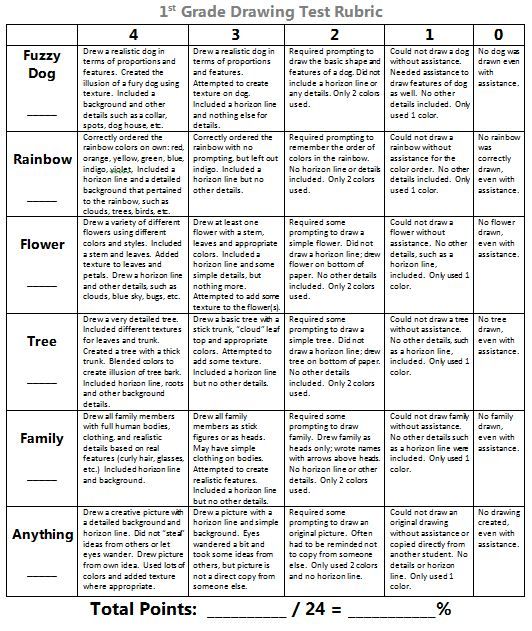
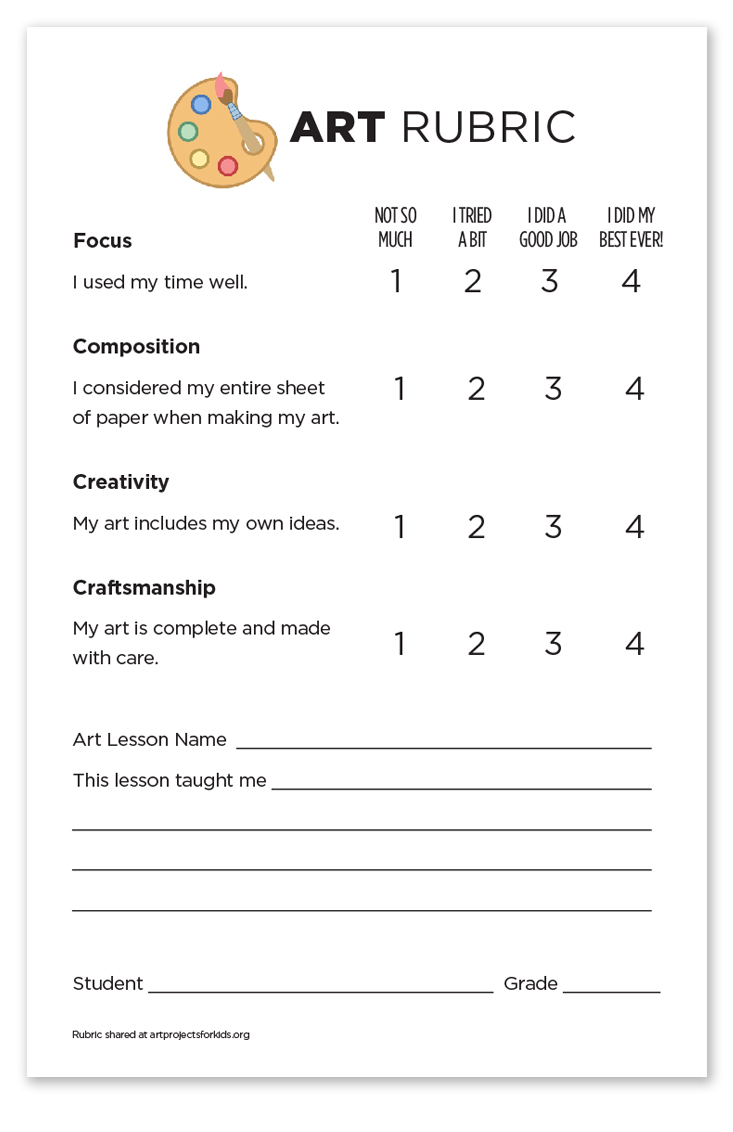
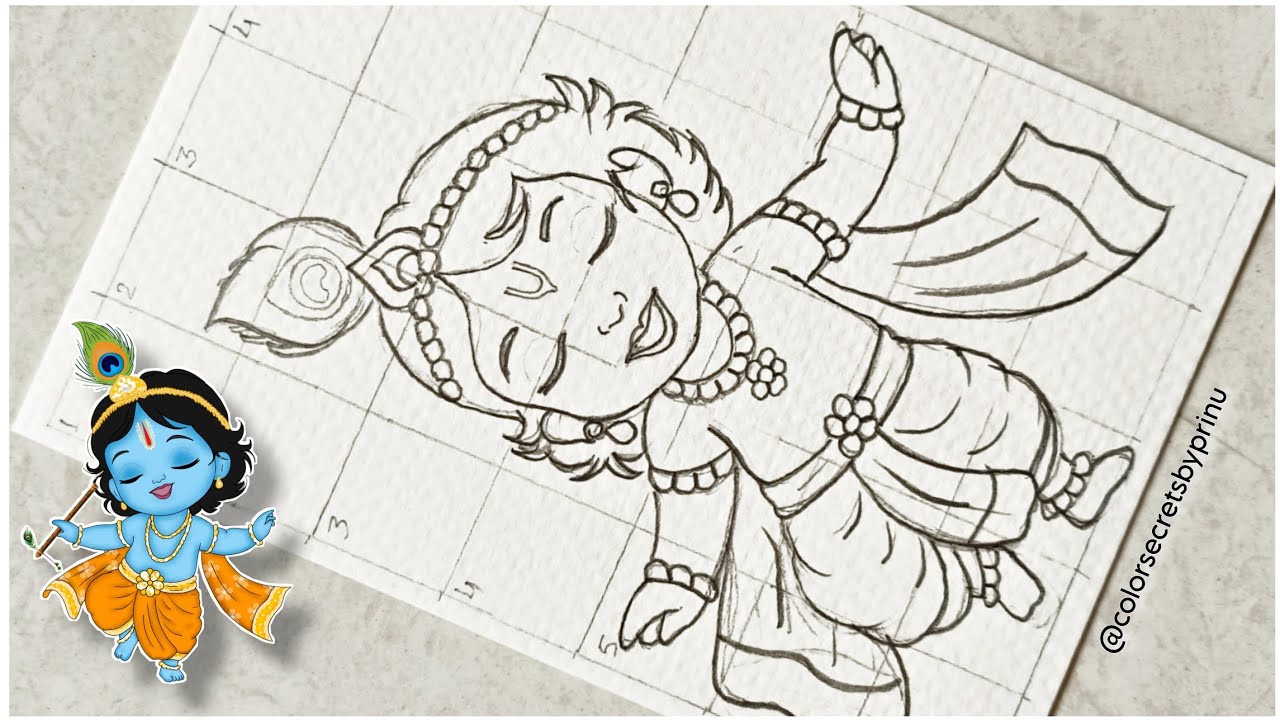
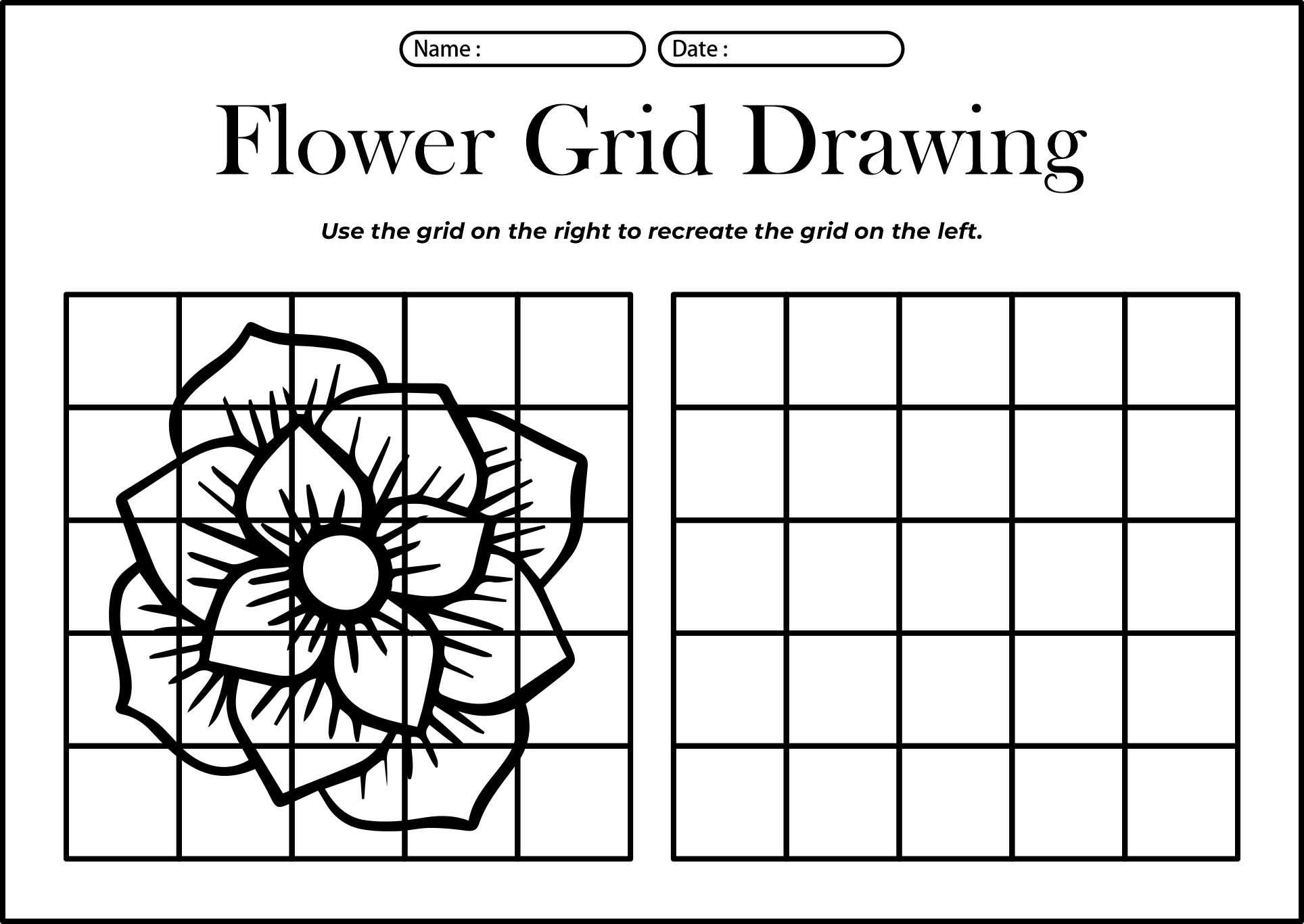
A grid drawing rubric is a structured assessment tool used by educators to objectively evaluate a child’s spatial awareness, proportion estimation, and observation accuracy during structured drawing tasks. According to the National Art Education Association (NAEA), structured visual observation exercises significantly enhance fine-motor coordination and cognitive processing in early childhood education. Integrating systematic evaluation methods into art instruction transforms subjective drawing tasks into measurable developmental milestones. Early learners benefit greatly when educators utilize comprehensive Grid Drawing printables alongside real photographic references to build foundational geometric and visual matching skills.
Visual Learning & Skill Snapshot:
- Core Focus: Objective measurement of proportional accuracy and grid-transfer proficiency.
- Target Skill: Spatial reasoning, visual discrimination, fine-motor proportion, and photo-based concept mastery.
- Key Recommendation: Pair high-contrast real photo references with simplified 2×2 or 3×3 grids for early learners.
Core Principles and Visual Learning Overview
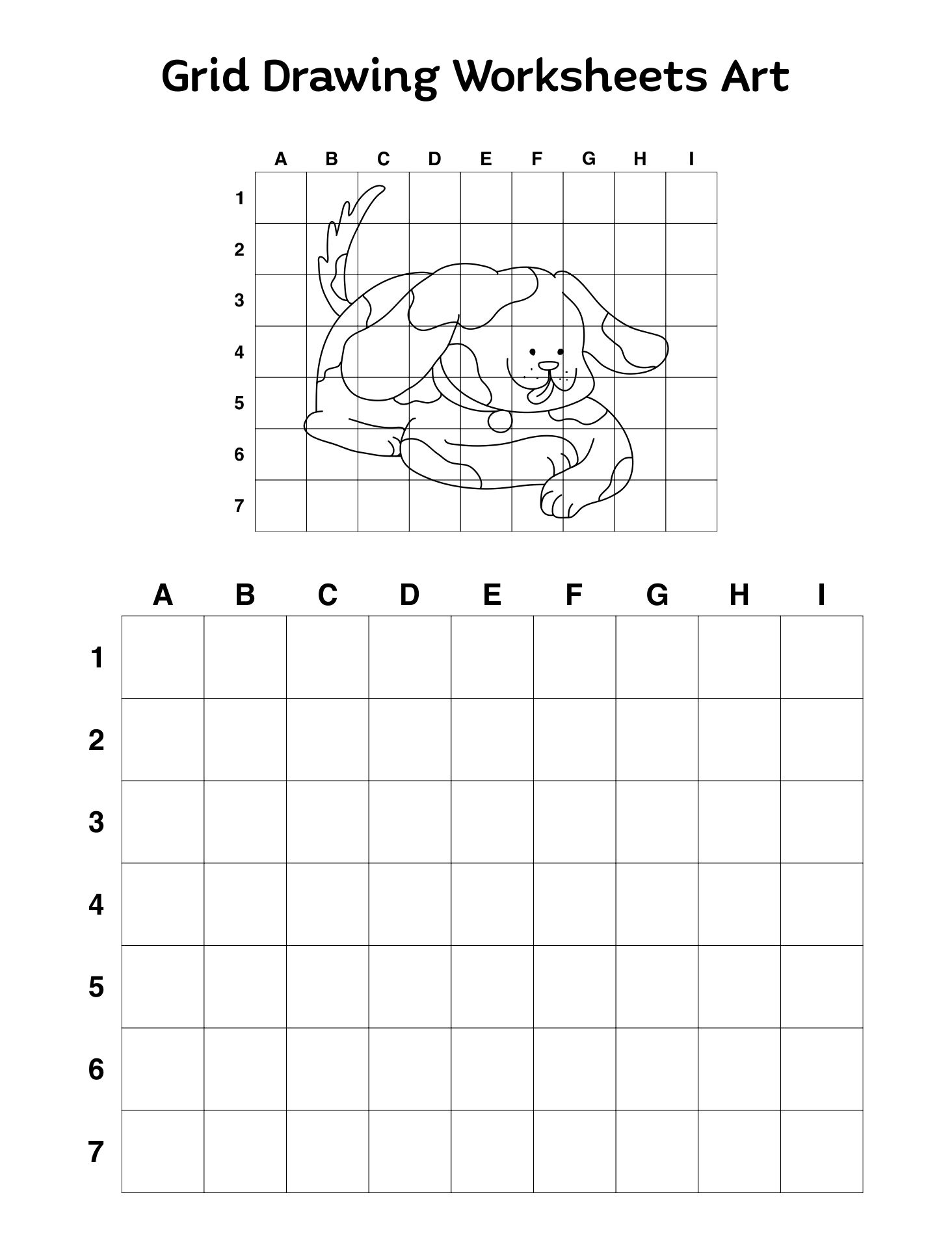
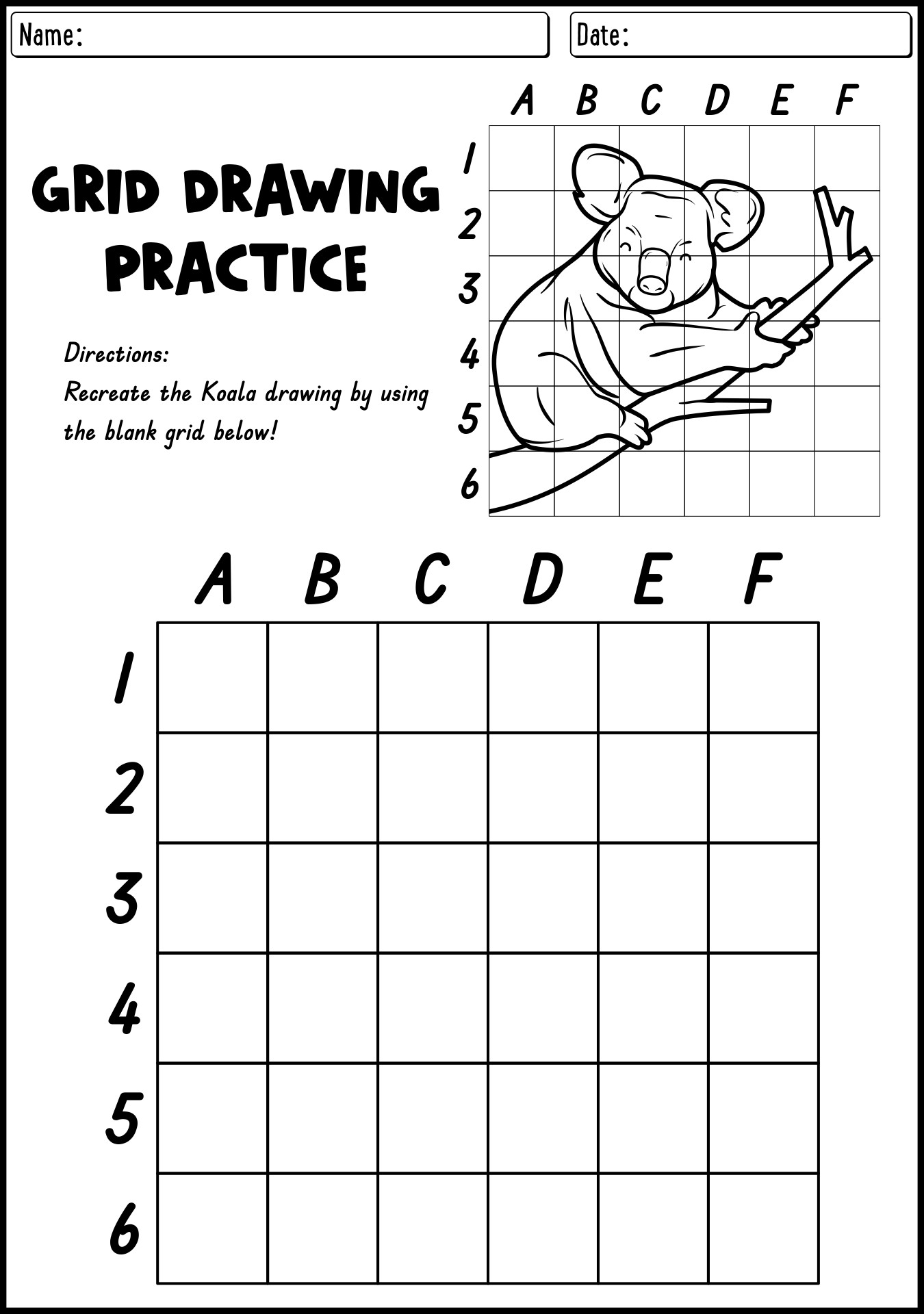
Proportional accuracy relies heavily on breaking down complex visual information into manageable, localized quadrants using structured geometric overlays. A well-designed rubric isolates specific cognitive checkpoints, such as line continuity, angle estimation, coordinate matching, and spatial placement relative to surrounding boundaries. When children engage with Photo Flashcards, cognitive bridges form between abstract grid coordinates and realistic visual imagery. This approach minimizes visual overwhelm by encouraging young artists to focus exclusively on one individual grid cell at a time, reinforcing analytical thinking and systematic problem-solving strategies.
Key Specifications and Breakdown
| Age / Learning Stage | Visual Skill & Grid Ratio | Pedagogical Application & Scaffolding |
|---|---|---|
| Ages 4-5 (Preschool) | 2×2 Grid with Bold Photo Contours | Focus on basic coordinate identification and gross shape matching using simple, high-contrast objects. |
| Ages 6-7 (Early Elementary) | 3×3 Grid with Intermediate Details | Emphasize line intersection analysis, scale retention, and proportional relationship mapping. |
| Ages 8-9 (Advanced Primary) | 4×4 Grid with Complex Real Photos | Target intricate angle estimation, shading consistency, and independent error correction. |
Systematic visual division frameworks measurably enhance spatial working memory and analytical drawing accuracy in early elementary development. — National Art Education Association (NAEA)
Step-by-Step Practical Application and Printing Guidelines
Implementing effective visual learning strategies requires high-contrast printouts, clear coordinate labels, and consistent workspace setups for every child. Educators should print worksheets on heavy cardstock to prevent tearing during repeated eraser use and coordinate plotting. Pair these printable worksheets with Educational Activities that encourage children to verbally describe line direction before making a pencil mark. Instructors should review the rubric criteria with learners prior to starting, ensuring transparency regarding expectations for line quality, proportion alignment, and neatness.
Common Challenges and How to Avoid Them
Rushing through coordinate mapping and attempting to draw the entire picture at once are the most frequent obstacles young learners face during grid transfer exercises. Educators must actively guide students to cover adjacent squares, isolating individual cells to prevent cognitive overload and proportion distortion. Providing physical masking tools or framing cards helps children focus exclusively on the target coordinate square, dramatically improving accuracy and reducing frustration during fine-motor tasks.
💬 Frequently Asked Questions
Explore More Free Learning Printables and Visual Activities on WePhotoAgency
Empower young learners with structured visual tools, printable templates, and expert resources designed to foster spatial reasoning and artistic confidence. Discover comprehensive collections of learning materials by visiting WePhotoAgency.com today.
Visual Reference Gallery