Introduction
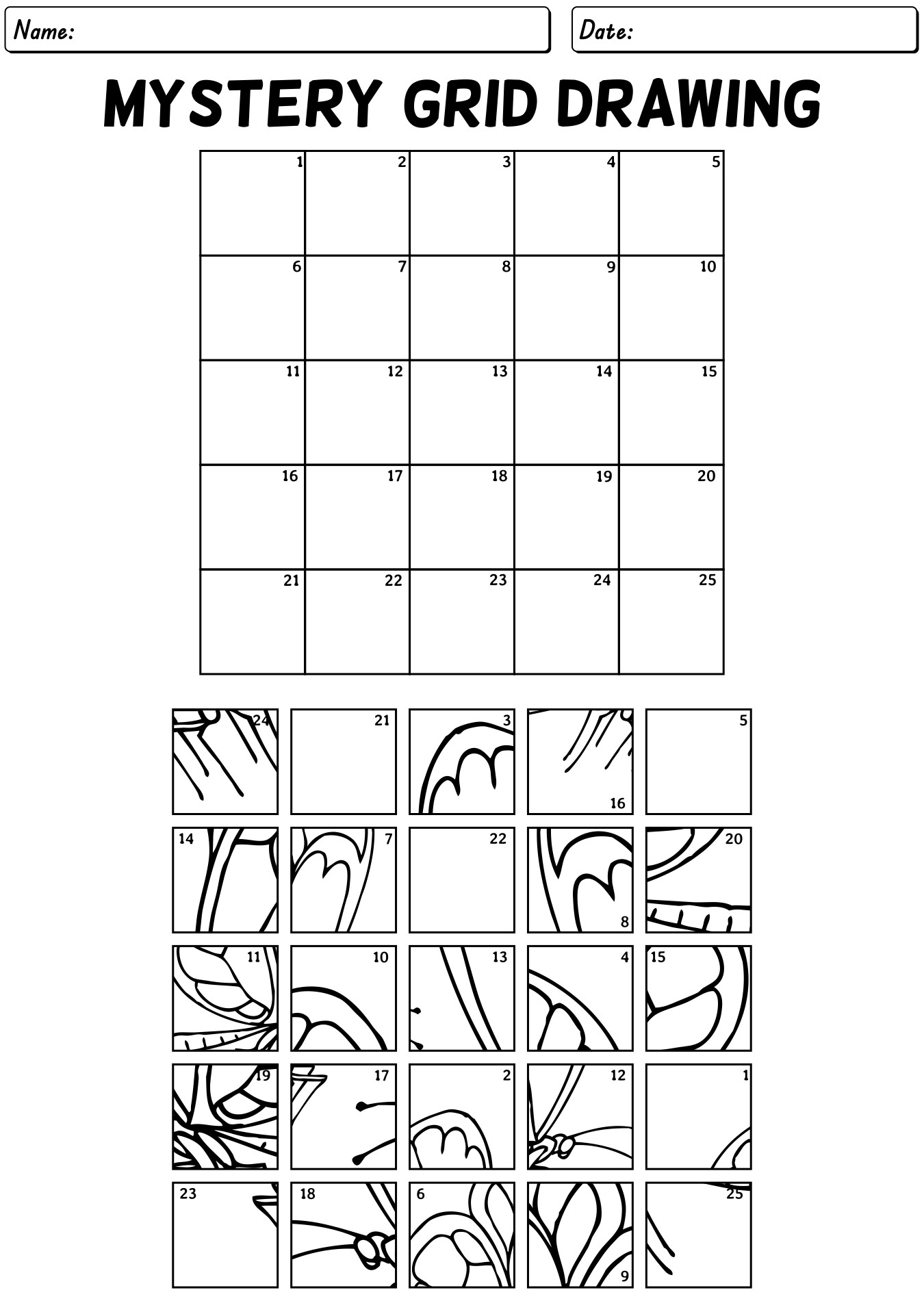
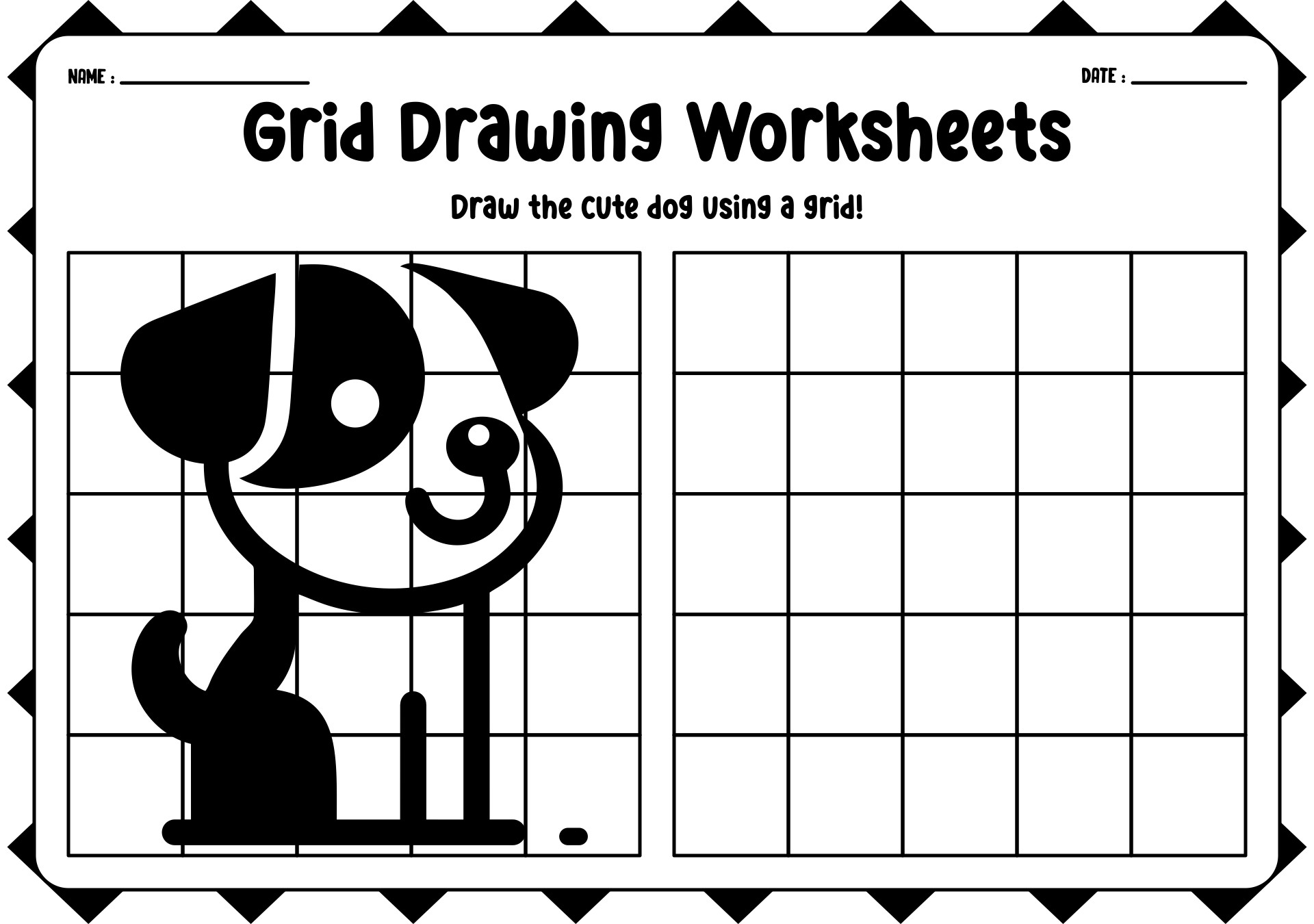
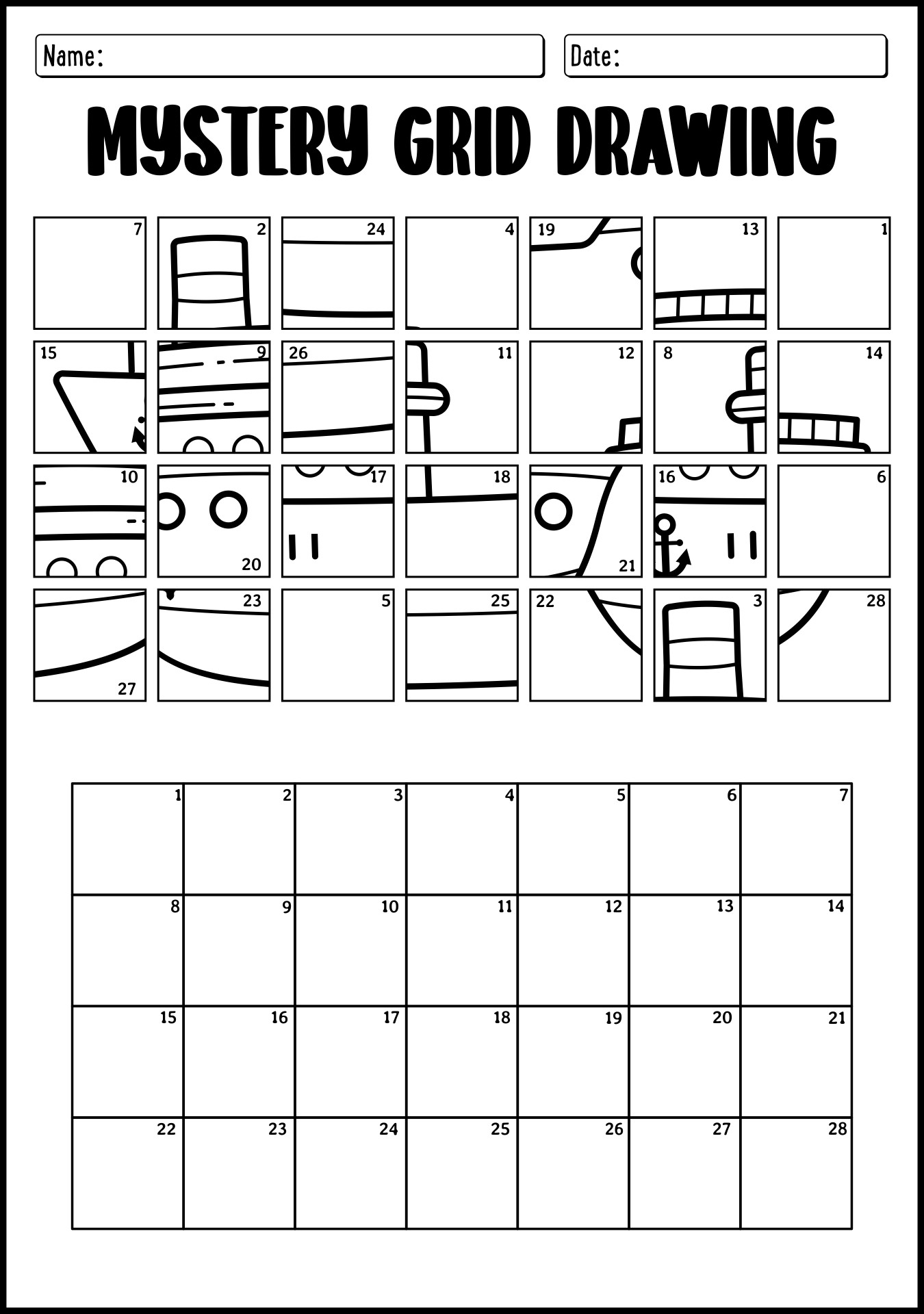
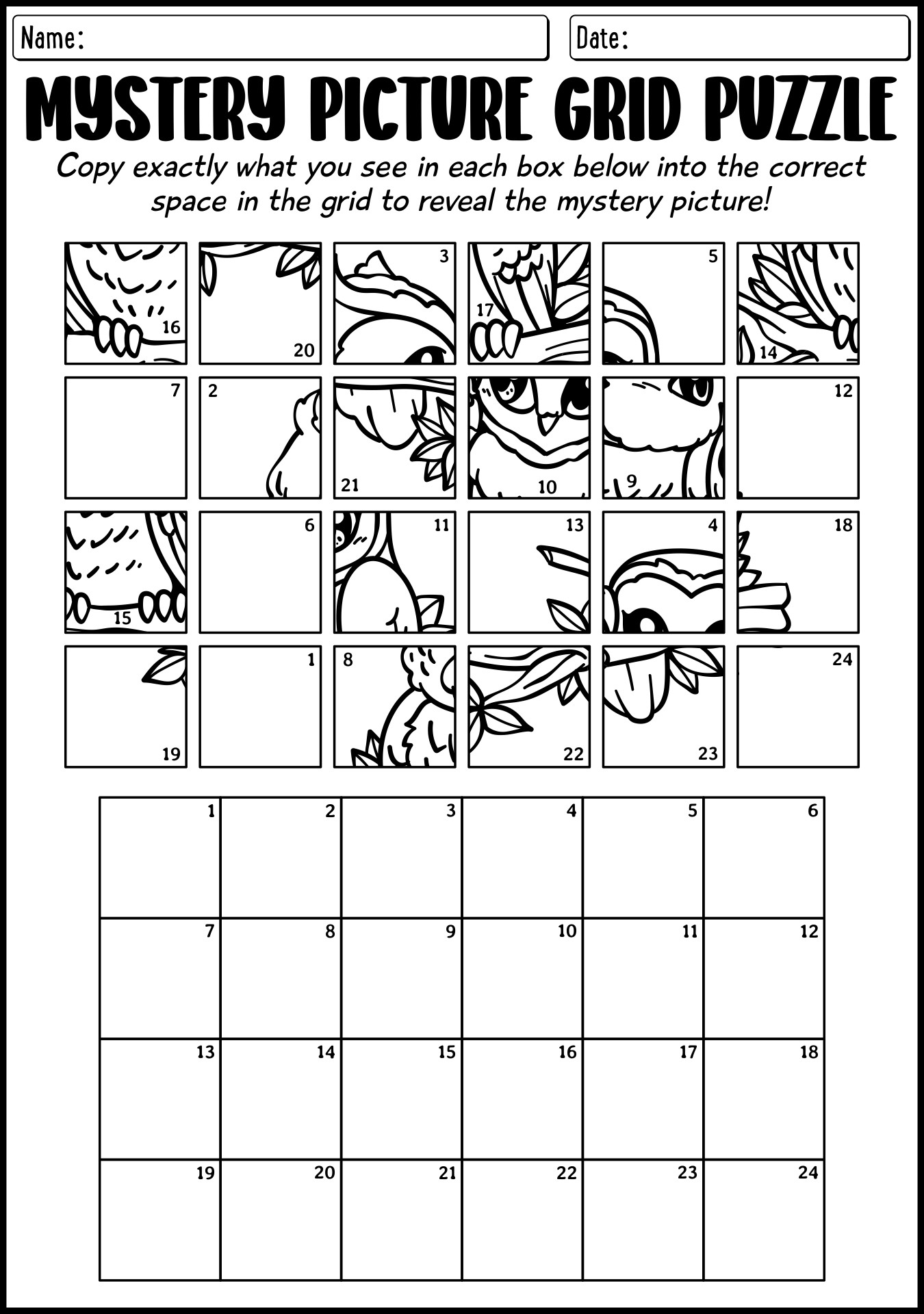
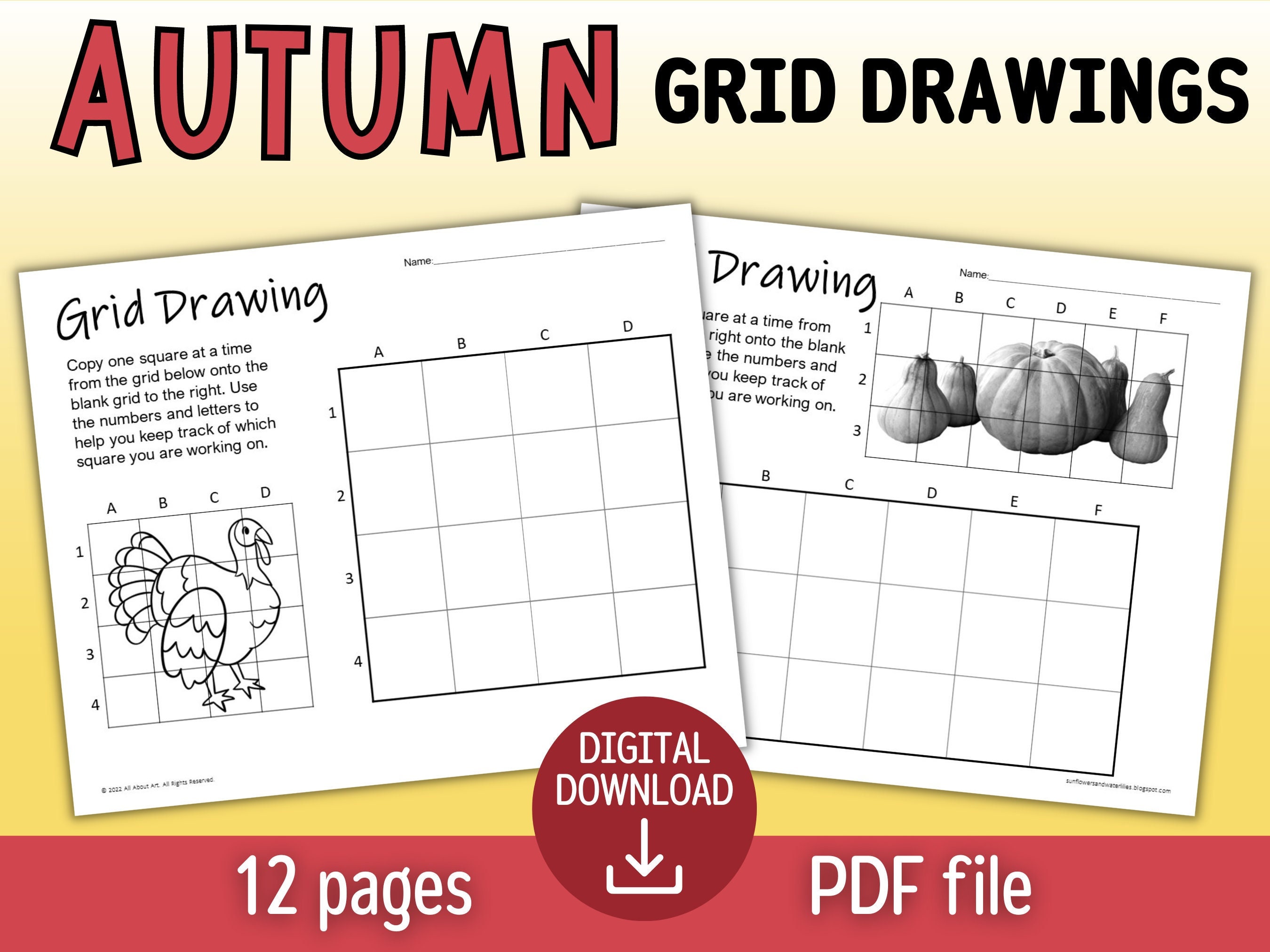
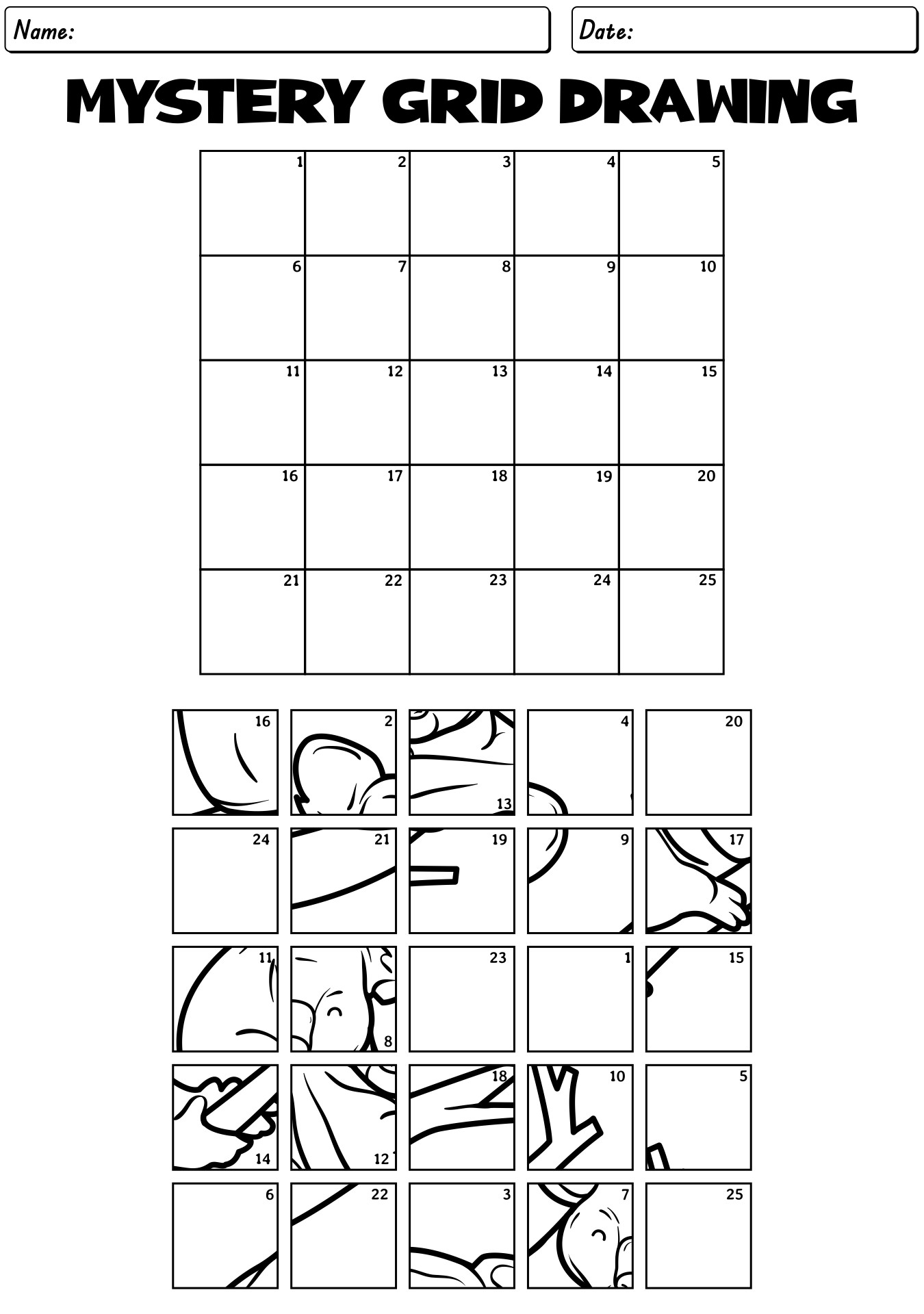
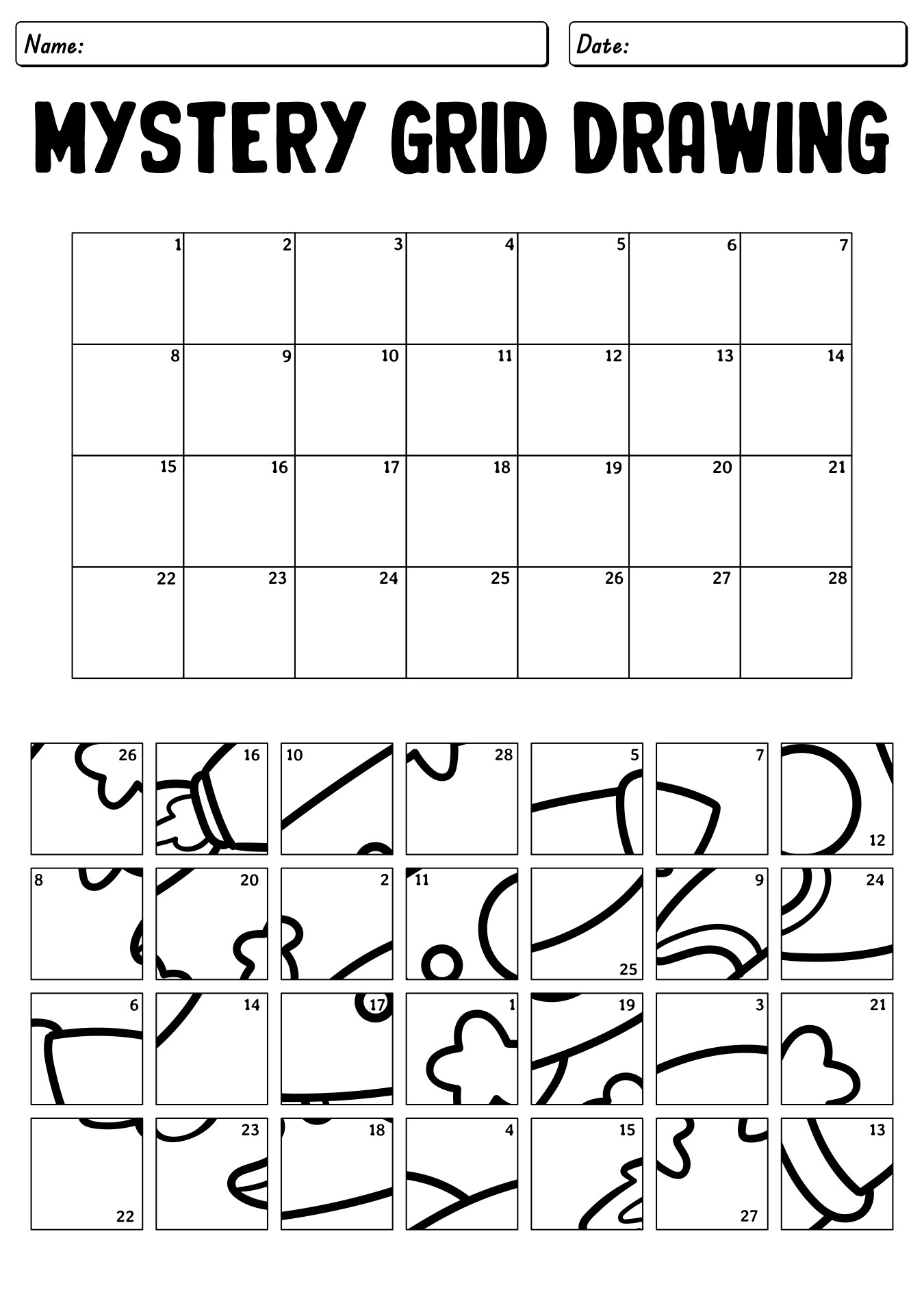
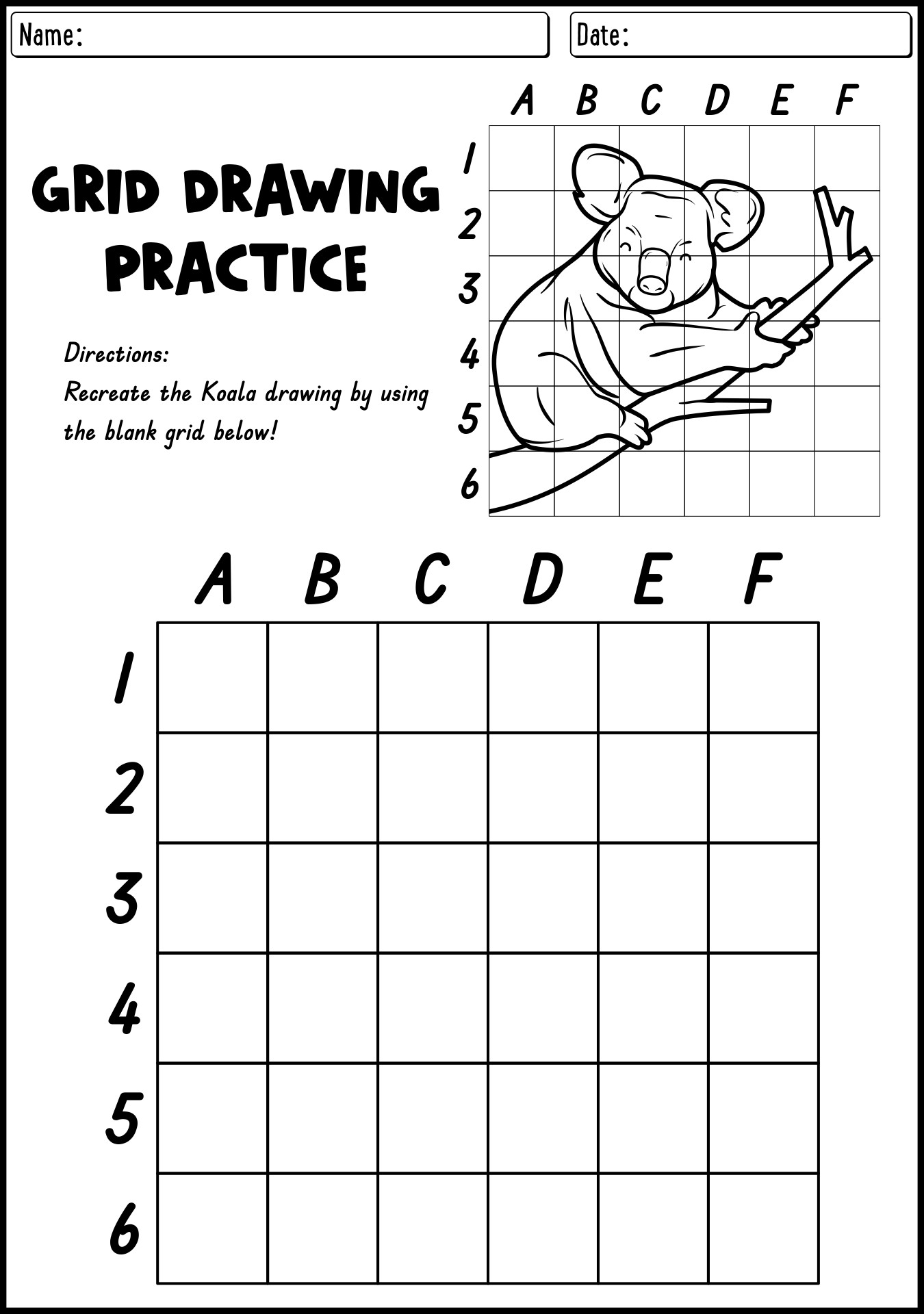
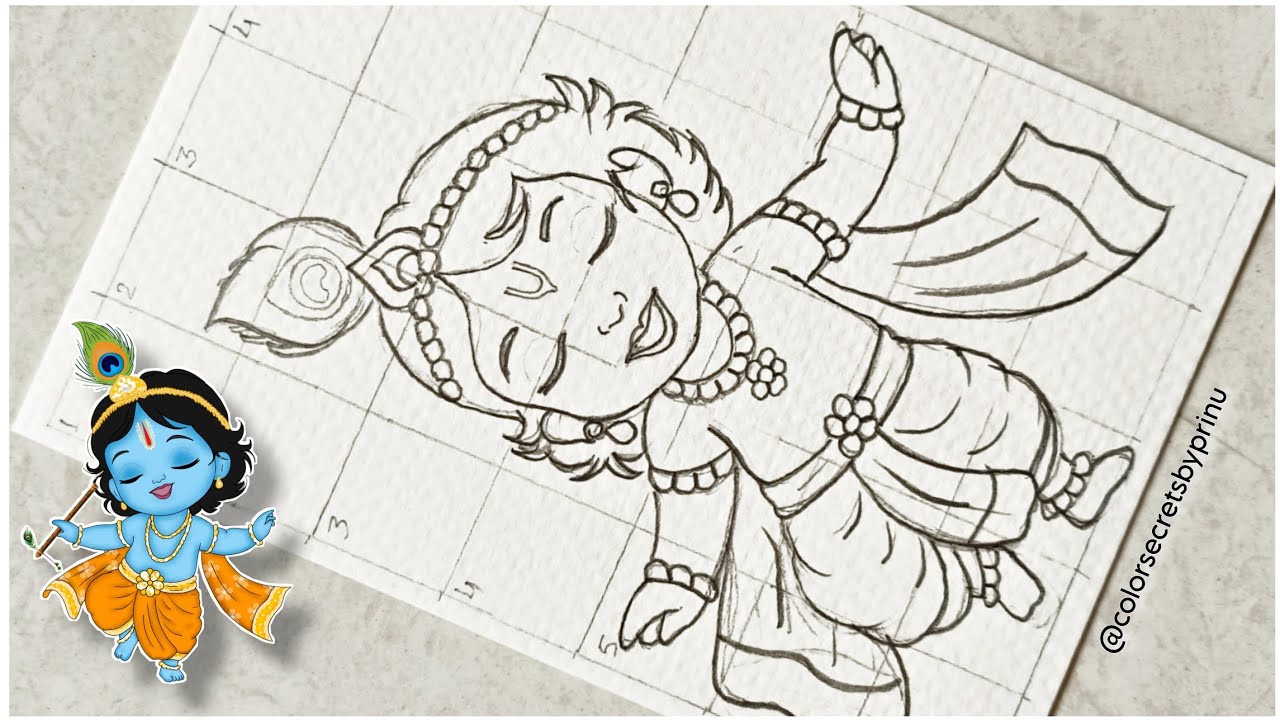
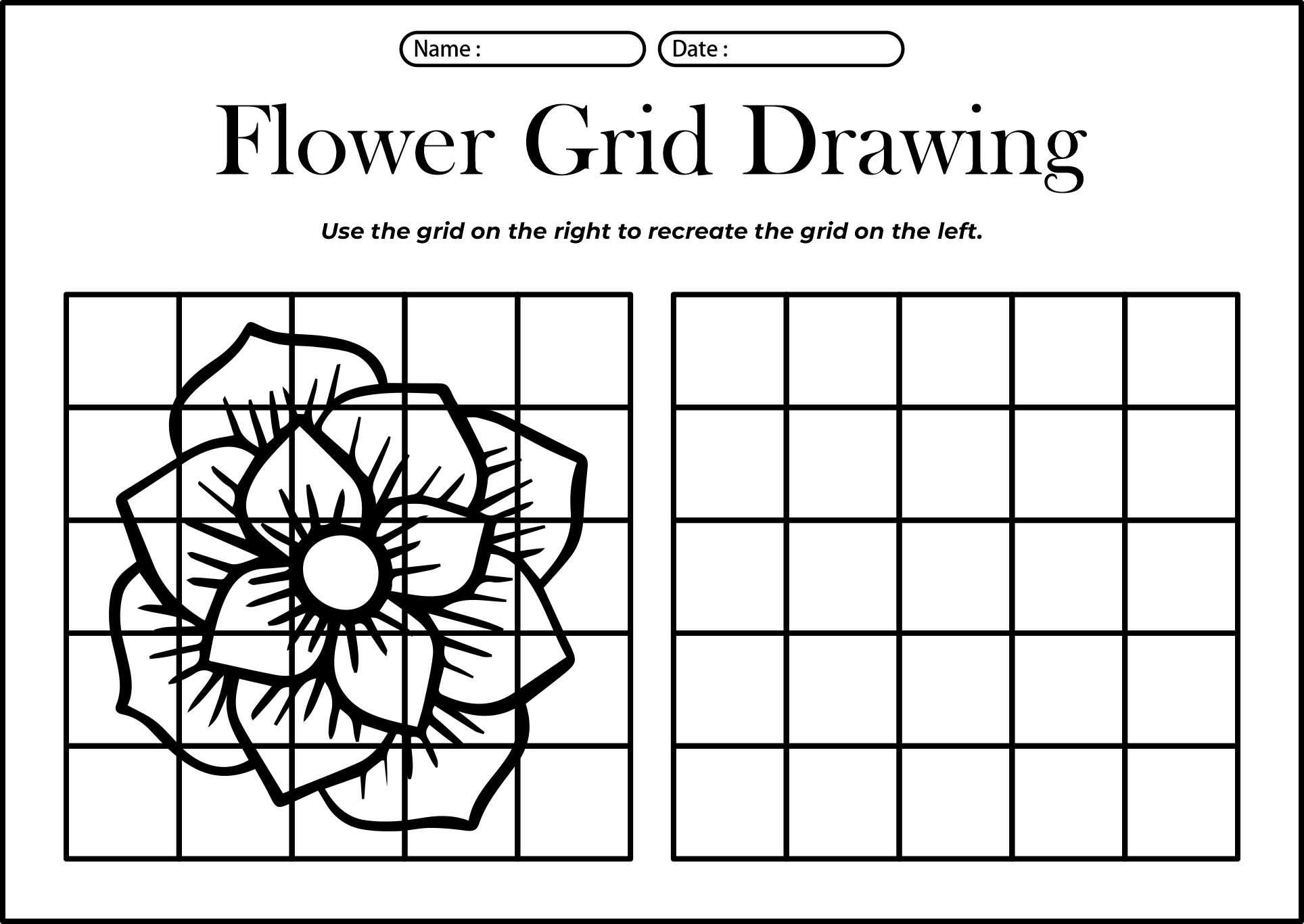
A grid drawing room functions as a structured spatial learning environment where children systematically transfer photographic subjects cell by cell to develop proportional awareness and fine-motor precision. According to the National Association for the Education of Young Children (NAEYC), hands-on visual mapping activities actively strengthen bilateral coordination and foundational geometry comprehension in early childhood development. Engaging young learners with targeted Grid Drawing printables provides a reliable bridge between abstract visual observation and concrete hand-eye execution.
Visual Learning & Skill Snapshot:
- Core Focus: Systematic spatial division and proportional scaling through printable coordinate grids.
- Target Skill: Spatial reasoning, visual discrimination, fine-motor proportion, and photo-based concept mastery.
- Key Recommendation: Pair high-contrast reference images with matched-scale grid worksheets to minimize cognitive overload.
Core Principles and Visual Learning Overview
Grid drawing principles rely on cognitive chunking, which breaks complex visual stimuli into manageable geometric sections for accurate visual transcription. When children analyze a single cell of a real photo rather than attempting to draw an entire complex object at once, cognitive load decreases significantly. This isolation technique trains the brain to look at negative space, line angles, and proportions objectively. Integrating Photo Flashcards alongside coordinate grids transforms flat worksheets into immersive, interactive visual exercises that test object recognition alongside draftsmanship.
Key Specifications and Breakdown
| Age / Learning Stage | Visual Skill & Grid Ratio | Pedagogical Application & Scaffolding |
|---|---|---|
| Ages 4-5 (Early Learners) | 2×2 or 3×3 simple grids | Focuses on basic shape tracking and dominant line orientation using high-contrast real photography. |
| Ages 6-7 (Early Elementary) | 4×4 balanced coordinate grids | Emphasizes proportion estimation, intersecting lines, and contour mapping of everyday objects. |
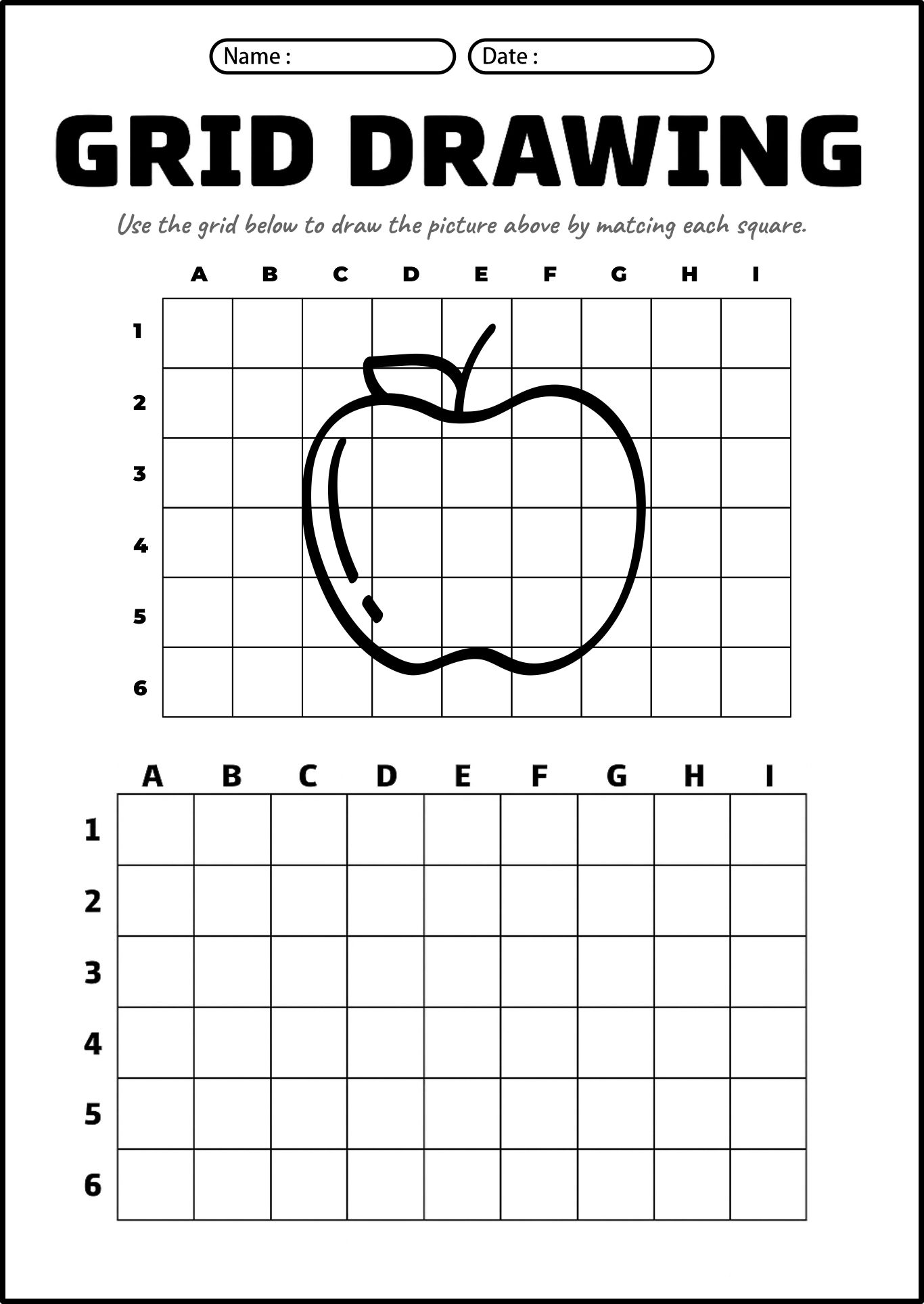
| Ages 8-9 (Advanced Beginners) | 6×6 detailed reference grids | Strengthens complex spatial transfer, shading differentiation, and independent error correction. |
Systematic visual arts instruction incorporating geometric division fosters critical spatial reasoning and cognitive mapping capabilities across primary grade levels. — National Art Education Association (NAEA)
Step-by-Step Practical Application and Printing Guidelines
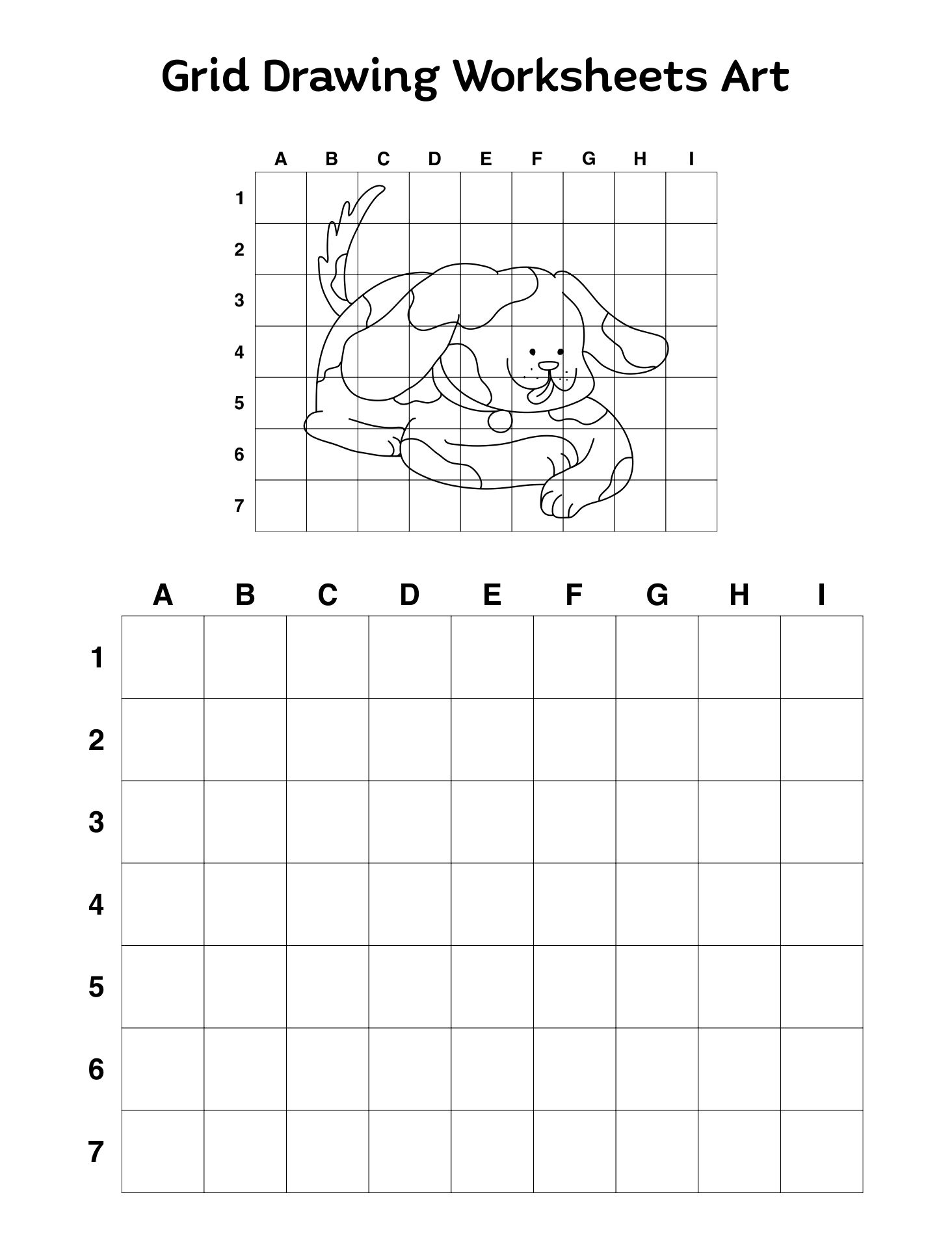
Executing effective grid sessions requires matching the reference photo’s grid dimensions identically to the blank drawing sheet to ensure true proportional replication. Educators should print materials on heavy cardstock to prevent tearing during pencil erasing and marker tracing. Clear labeling of columns with letters and rows with numbers assists children in maintaining their coordinate focus. Utilizing curated Educational Activities provides structured lesson plans that seamlessly incorporate these printable resources into daily schedules.
Common Challenges and How to Avoid Them
Frustration during grid drawing typically stems from children attempting to draw the entire picture simultaneously instead of isolating one single grid square at a time. Instructors can resolve this by providing opaque viewfinders or index cards that cover all surrounding squares except the active target area. Encouraging light initial sketching before applying final dark lines also ensures that proportion mistakes remain easily correctable without damaging the paper surface.
💬 Frequently Asked Questions
Explore More Free Learning Printables and Visual Activities on WePhotoAgency
Developing robust cognitive skills through structured imagery is effortless when utilizing the extensive resource library available at WePhotoAgency.com. Parents and educators can access hundreds of complimentary worksheets designed to elevate early childhood visual literacy.
Visual Reference Gallery