Introduction
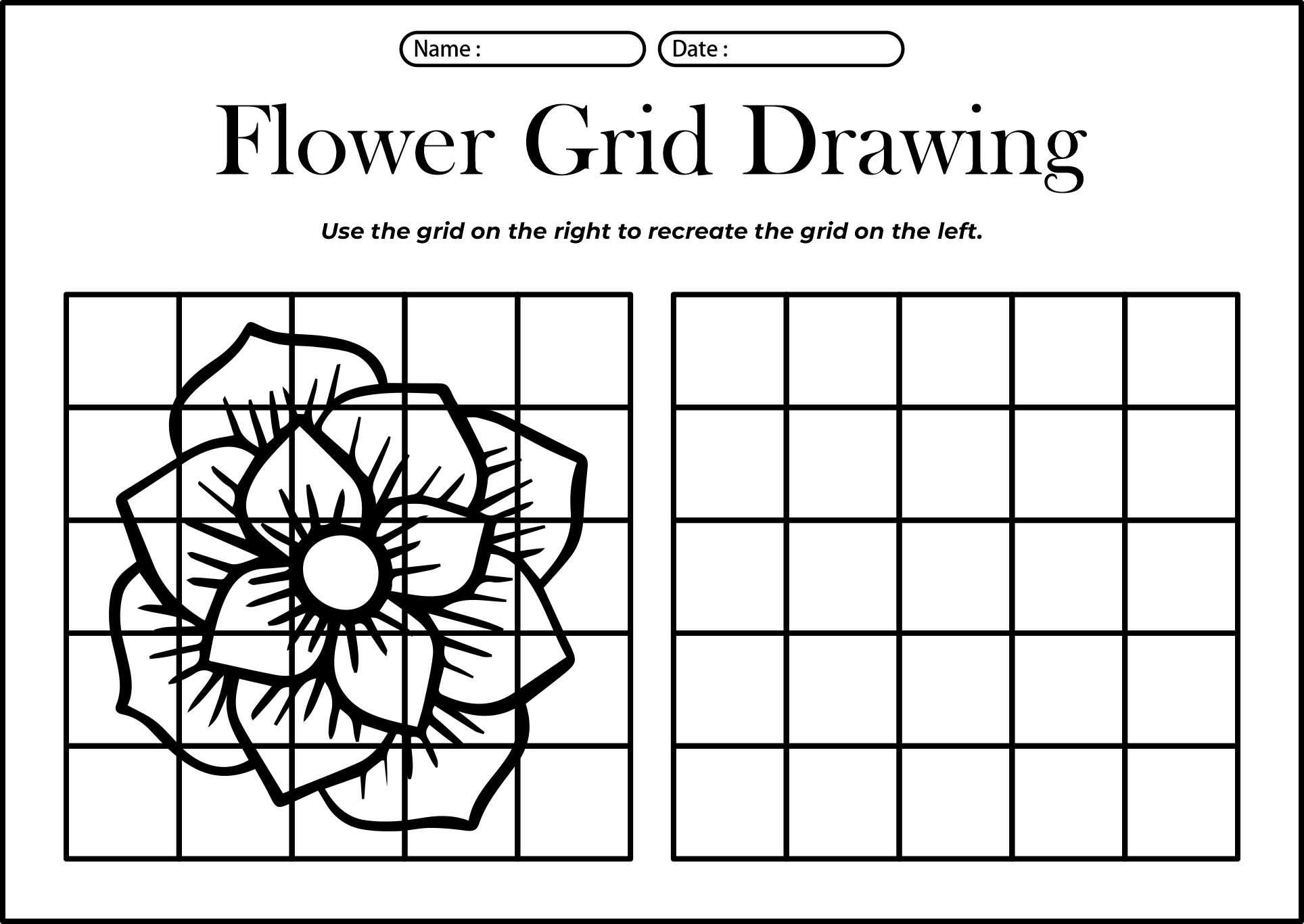
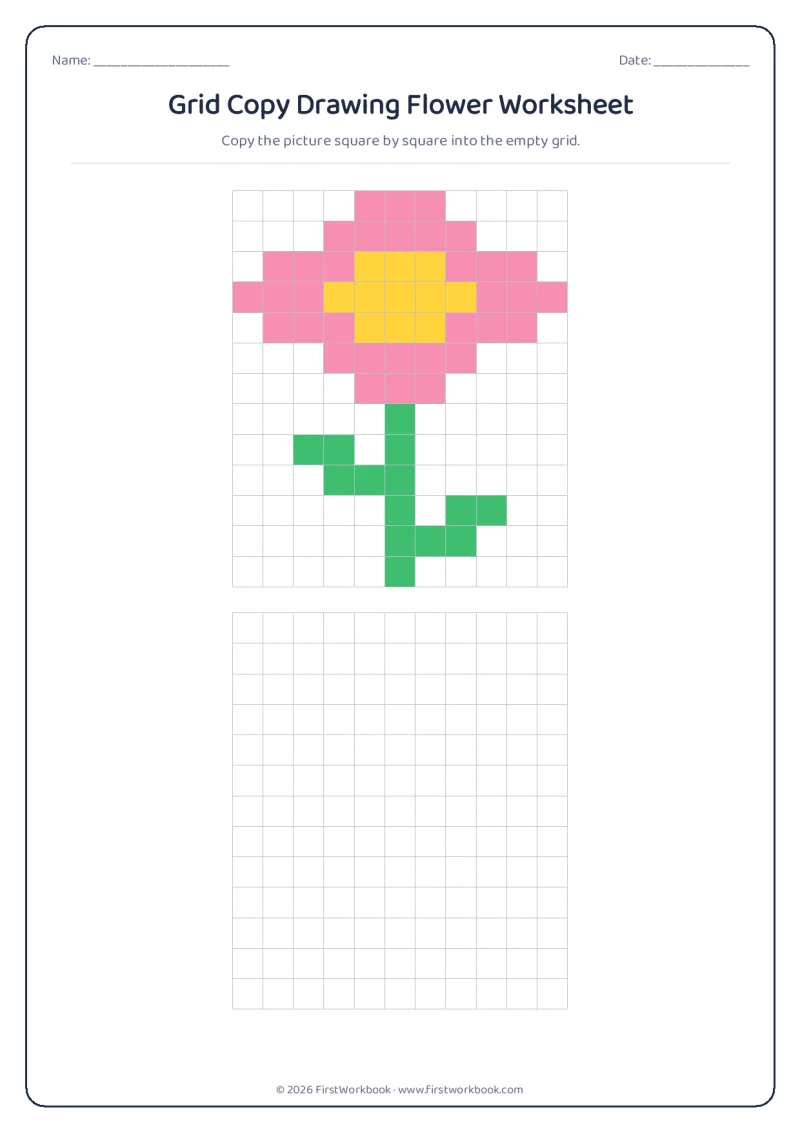
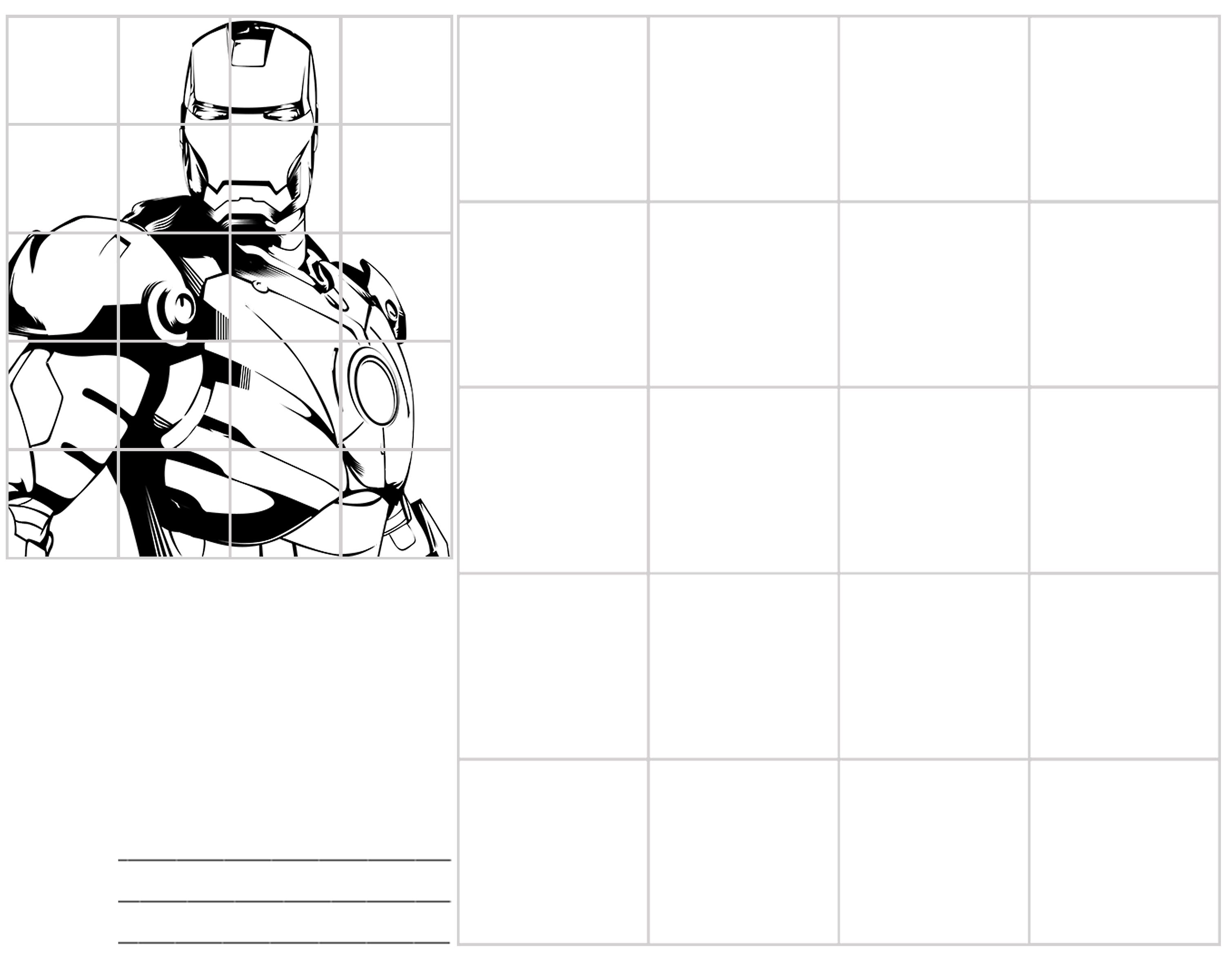
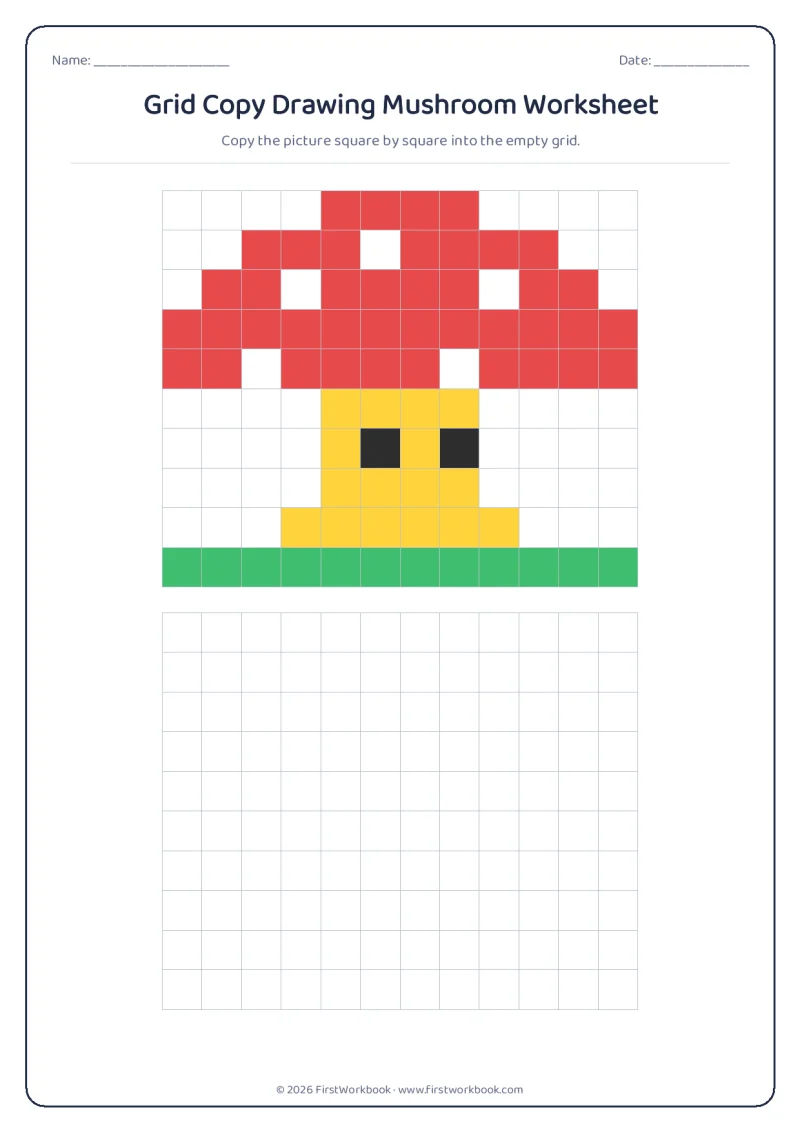
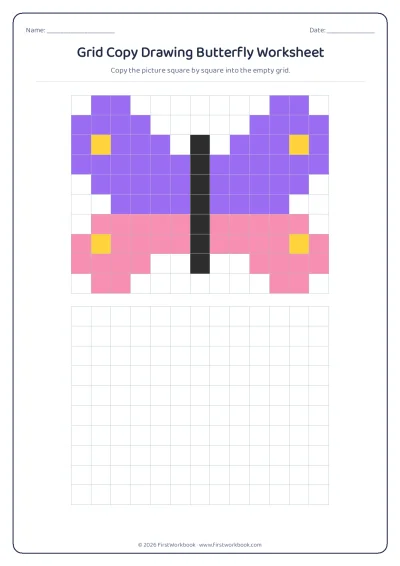
A grid drawing photo technique involves overlaying a coordinate grid directly onto a photographic reference image and a blank working sheet to teach spatial proportion, visual tracking, and observation skills. According to the National Art Education Association (NAEA), structured observational drawing activities significantly enhance early spatial cognition, fine-motor coordination, and visual-spatial problem-solving capabilities in developing learners. By breaking down complex photographic compositions into manageable, bounded geometric squares, educators and parents empower children to systematically analyze shapes, lines, and negative space without visual overwhelm. Resources such as Grid Drawing collections provide foundational templates that bridge photographic realism with structured artistic practice. Integrating printable worksheets and real-world Photo Flashcards transforms abstract artistic concepts into tactile, achievable learning milestones for early elementary students and homeschoolers.
Visual Learning & Skill Snapshot:
- Core Focus: Systematic coordinate-based visual copying from a reference photograph to a blank drawing canvas.
- Target Skill: Spatial reasoning, visual discrimination, fine-motor proportion, and selective visual attention.
- Key Recommendation: Start early learners with large 2×2 or 3×3 grids using high-contrast, familiar photographic subjects.
Core Principles and Visual Learning Overview
Proportional coordinate mapping relies on breaking down global visual processing into localized, discrete cognitive segments. When children analyze a grid drawing photo, cognitive processing shifts from holistic recognition—where the brain simply labels an object—to analytical observation of lines, angles, and intersections. This perceptual shift trains the brain to measure distances visually, recognize relative sizing, and translate 2D visual data onto paper with high accuracy. Utilizing Educational Activities centered on structured visual observation strengthens bilateral coordination as children continuously shift focus between the reference square and the drawing paper. This method demystifies realistic drawing, proving that complex imagery is simply an assembly of smaller, manageable shapes contained within defined coordinates.
Key Specifications and Breakdown
| Age / Learning Stage | Visual Skill & Grid Ratio | Pedagogical Application & Scaffolding |
|---|---|---|
| Ages 4–6 (Early Kindergarten) | 2×2 or 3×3 simple geometric grids | Focuses on basic shape tracking, vertical/horizontal alignment, and large motor pencil control using high-contrast animal or object photos. |
| Ages 7–9 (Early Elementary) | 4×4 moderate photographic grids | Teaches intermediate proportional estimation, diagonal line intersection analysis, and detailed contour mapping from real photo references. |
| Ages 10+ (Upper Elementary) | 6×6 or complex multi-cell matrices | Advanced spatial scaling, shading translation, and independent observation refinement utilizing complex photographic subjects. |
Structured observational drawing methodologies measurably improve visual-spatial working memory, fine-motor precision, and analytical problem-solving in early childhood cognitive development. — National Art Education Association (NAEA)
Step-by-Step Practical Application and Printing Guidelines
Effective implementation of coordinate drawing requires matching grid density directly to the developmental motor skills of the child. Begin by selecting clear, high-contrast photographic references that feature well-defined focal points rather than cluttered backgrounds. Print both the reference image with its overlaid grid and a matching blank worksheet featuring identical grid dimensions on heavyweight, bleed-resistant paper to support repeated erasing and pencil pressure. Instruct learners to isolate one single grid square at a time using an index card or a cardboard viewfinder, blocking out surrounding visual distractions to sharpen focus on coordinate intersections. Guide children to identify where lines enter and exit the borders of each specific square before rendering the internal contours. Maintain consistent printing dimensions for both the reference photo and the drawing sheet to ensure that direct scale matching remains intuitive and frustration-free.
Common Challenges and How to Avoid Them
Over-reliance on symbolic memory instead of direct observation remains the most frequent hurdle when children attempt coordinate-based drawing activities. Young learners often draw what they think an object looks like—such as a stereotypical eye or tree—rather than actively copying the specific lines and negative shapes visible within an individual grid square. Educators and parents can prevent this by teaching children to turn reference photos upside down, which temporarily disrupts symbolic object recognition and forces pure abstract line observation. Another common pitfall involves skipping squares or miscounting coordinates; mitigate this by numbering columns and lettering rows clearly on both the reference sheet and the drawing template. Encouraging the use of a simple cardboard L-shaped window to isolate single squares helps reduce sensory overload and keeps visual tracking accurate throughout the exercise.
💬 Frequently Asked Questions
Explore More Free Learning Printables and Visual Activities on WePhotoAgency
Empowering young learners with structured visual tools fosters a lifelong confidence in artistic expression and spatial reasoning. Explore the complete library of printable resources, instructional guides, and creative templates designed for educators, homeschoolers, and parents by visiting WePhotoAgency.com to elevate daily early childhood learning experiences.
Visual Reference Gallery