Introduction
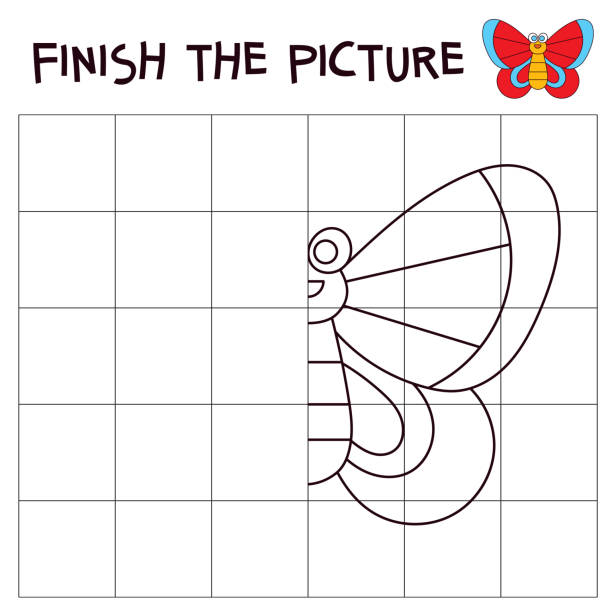
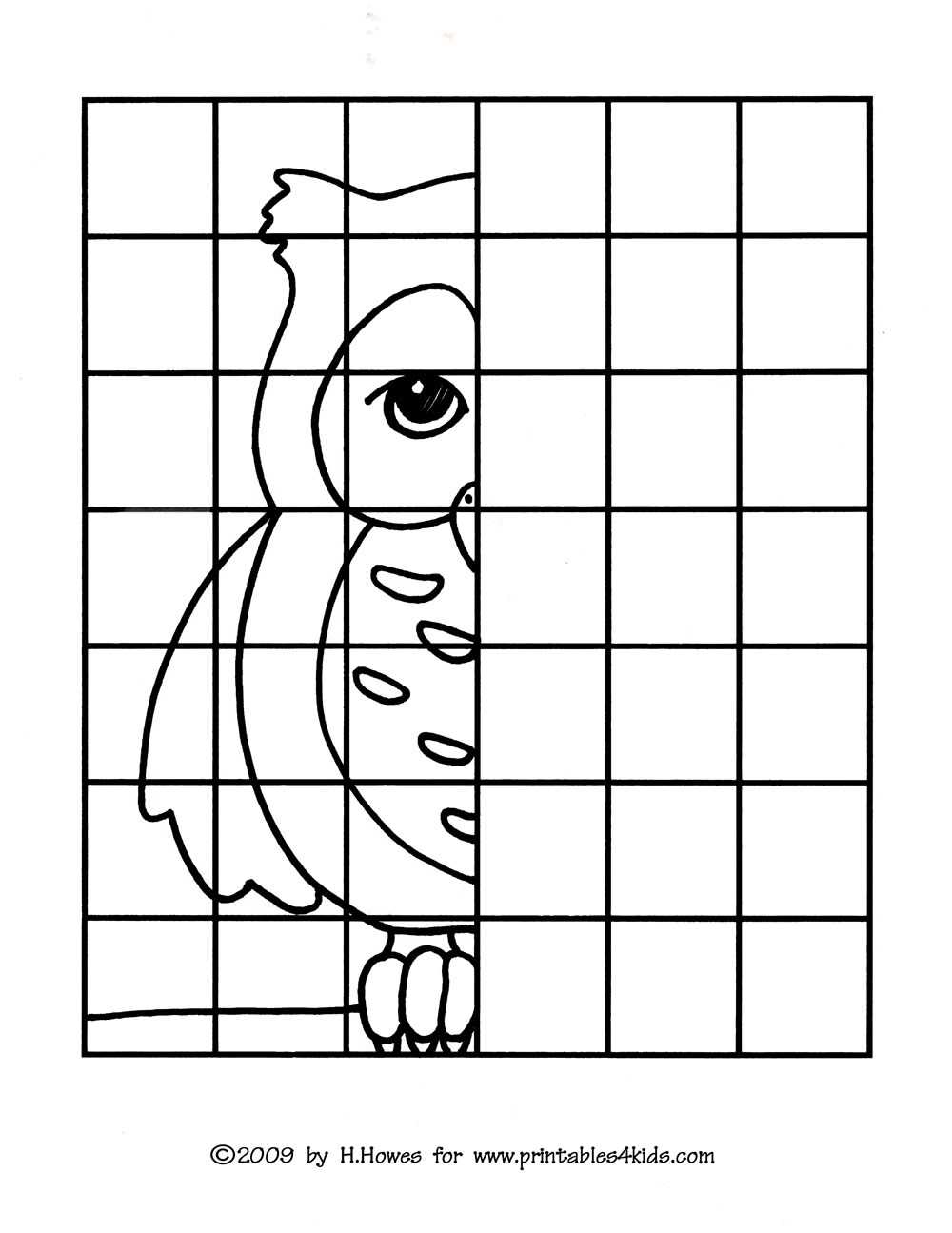
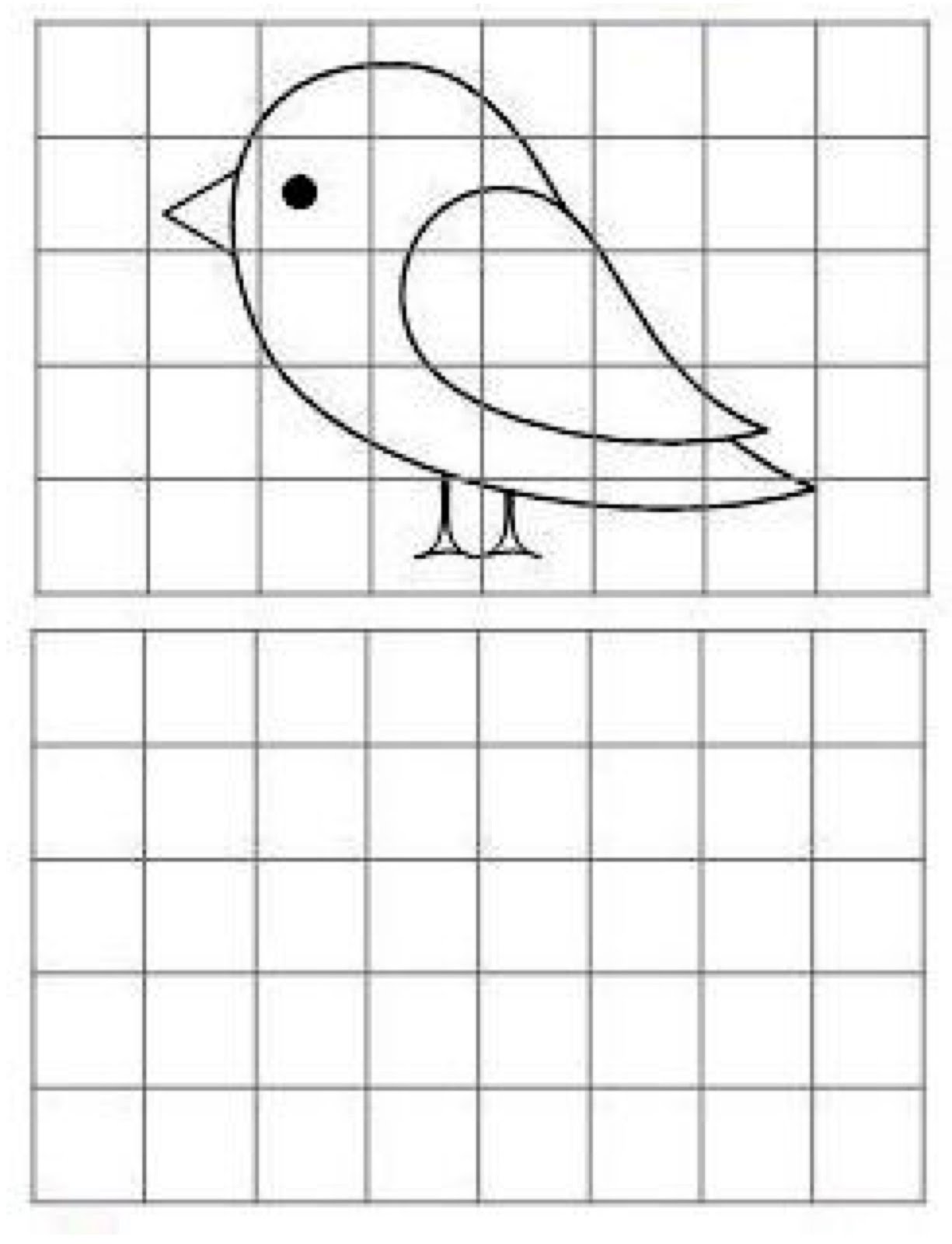
A grid drawing butterfly is an evidence-based visual art exercise that breaks complex biological forms into manageable geometric squares, significantly accelerating spatial awareness and proportion estimation in young learners. According to the National Art Education Association (NAEA), structured observational drawing tasks effectively bridge the gap between symbolic schema drawing and realistic visual representation in early childhood education. Utilizing printable Grid Drawing worksheets alongside real photographic insect references allows children to analyze coordinate locations, coordinate axes, and relative distances with remarkable precision. This foundational art technique transforms abstract biological symmetry into concrete visual coordinates, making biological observation accessible and engaging for early elementary students.
Visual Learning & Skill Snapshot:
- Core Focus: Systematic spatial division of biological forms using intersecting coordinate lines.
- Target Skill: Spatial reasoning, visual discrimination, fine-motor proportion estimation, and observation skills.
- Key Recommendation: Pair photographic reference cards with simplified four-by-four grid lines before advancing to denser matrices.
Core Principles and Visual Learning Overview
Grid drawing techniques cultivate cognitive flexibility by training the brain to isolate individual fragments of an image rather than processing the entire subject as an overwhelming whole. When children study high-resolution Photo Flashcards of lepidoptera, they learn to decode biological details—such as wing venation, thorax symmetry, and antenna angles—by plotting points square by square. This methodical process reduces cognitive overload, fosters concentration, and strengthens hand-eye coordination. Educators can seamlessly integrate these printable resources into broader Educational Activities to support multidisciplinary learning units combining art, entomology, and mathematics.
Key Specifications and Breakdown
| Age / Learning Stage | Visual Skill & Grid Ratio | Pedagogical Application & Scaffolding |
|---|---|---|
| Ages 4–5 (Pre-K) | 2×2 Grid (Basic Quadrants) | Focuses on locating major landmarks like wing tips and body centerlines using bold visual markers. |
| Ages 6–7 (Early Elementary) | 4×4 Grid (Standard Proportion) | Develops systematic row-by-row scanning habits, improving left-to-right tracking and pencil control. |
| Ages 8–10 (Upper Elementary) | 6×6 Grid (Advanced Detail) | Emphasizes subtle contour curves, gradient shading estimation, and precise anatomical accuracy. |
Systematic visual division strategies measurably enhance visuospatial working memory, contour mapping accuracy, and fine-motor coordination in children aged four to ten. — National Art Education Association (NAEA)
Step-by-Step Practical Application and Printing Guidelines
Executing a successful grid-based drawing activity requires high-contrast printing, clean workspace organization, and deliberate adult scaffolding to guide initial attempts. Start by printing out a dual-page worksheet featuring the reference image on one side and a blank, matching grid template on the opposite side. Instruct young learners to identify specific coordinate boxes—such as square B-2 containing the upper butterfly forewing—and encourage them to sketch the intersecting lines lightly with a graphite pencil before applying ink or color. Utilizing heavy cardstock for printouts prevents curling and ensures that eraser friction does not tear the paper during repeated adjustments.
Common Challenges and How to Avoid Them
Children frequently struggle with scale distortion when they attempt to draw elements across multiple grid squares without first plotting primary anchor points. To prevent frustration, encourage learners to identify and mark the outermost extremities of the insect—such as the wing tips and tail margins—before filling in interior details. Another common hurdle involves rushing through the coordinate mapping process; educators can counteract this by covering surrounding squares with a blank index card, isolating the specific sector under active inspection to maximize visual focus and spatial accuracy.
💬 Frequently Asked Questions
Explore More Free Learning Printables and Visual Activities on WePhotoAgency
Expanding a child’s creative and cognitive toolkit is effortless when utilizing the rich collection of visual resources available at WePhotoAgency.com. Discover an extensive library of printable worksheets, educational flashcards, and creative prompts designed to inspire lifelong learning and artistic confidence in young students everywhere.
Visual Reference Gallery