Introduction
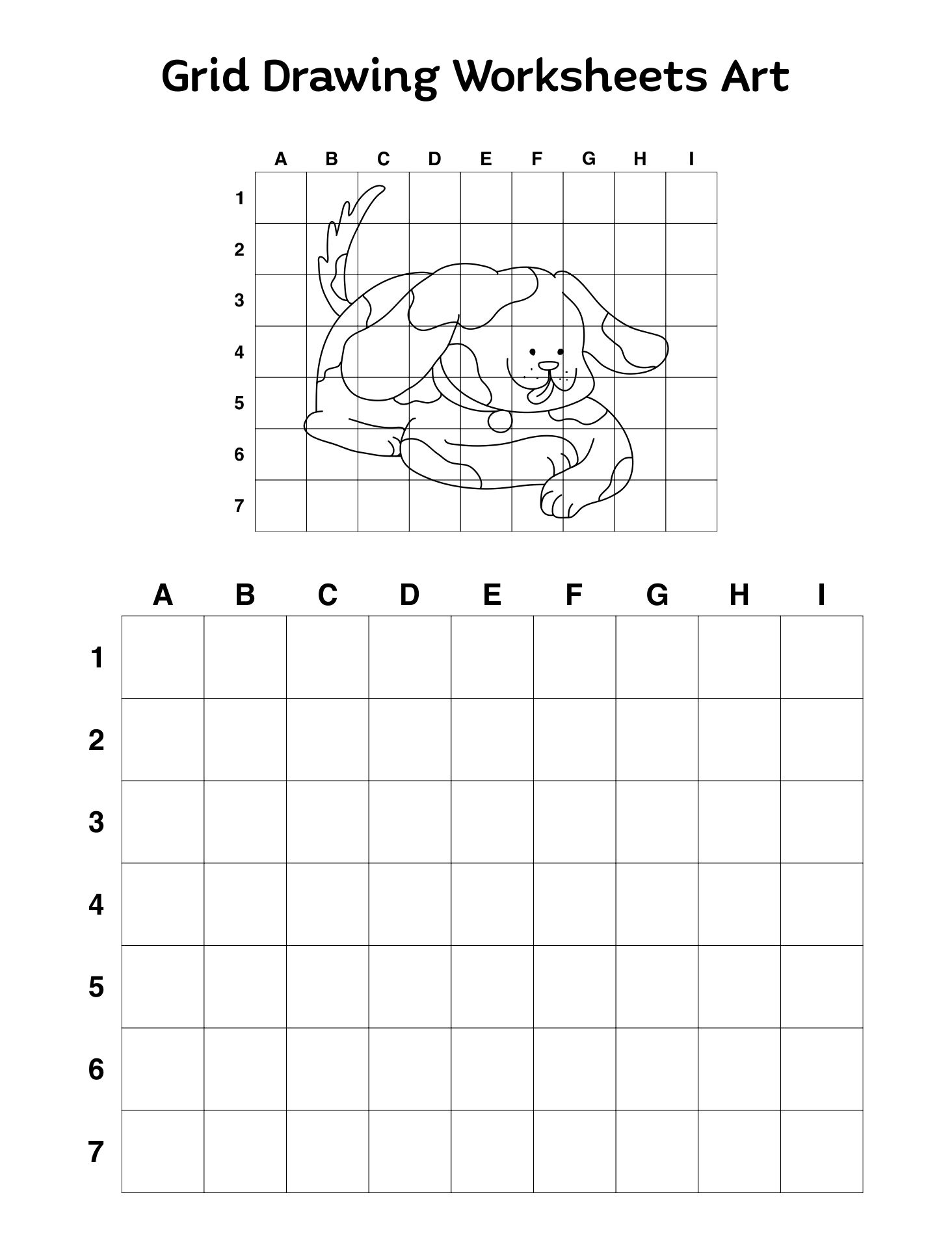
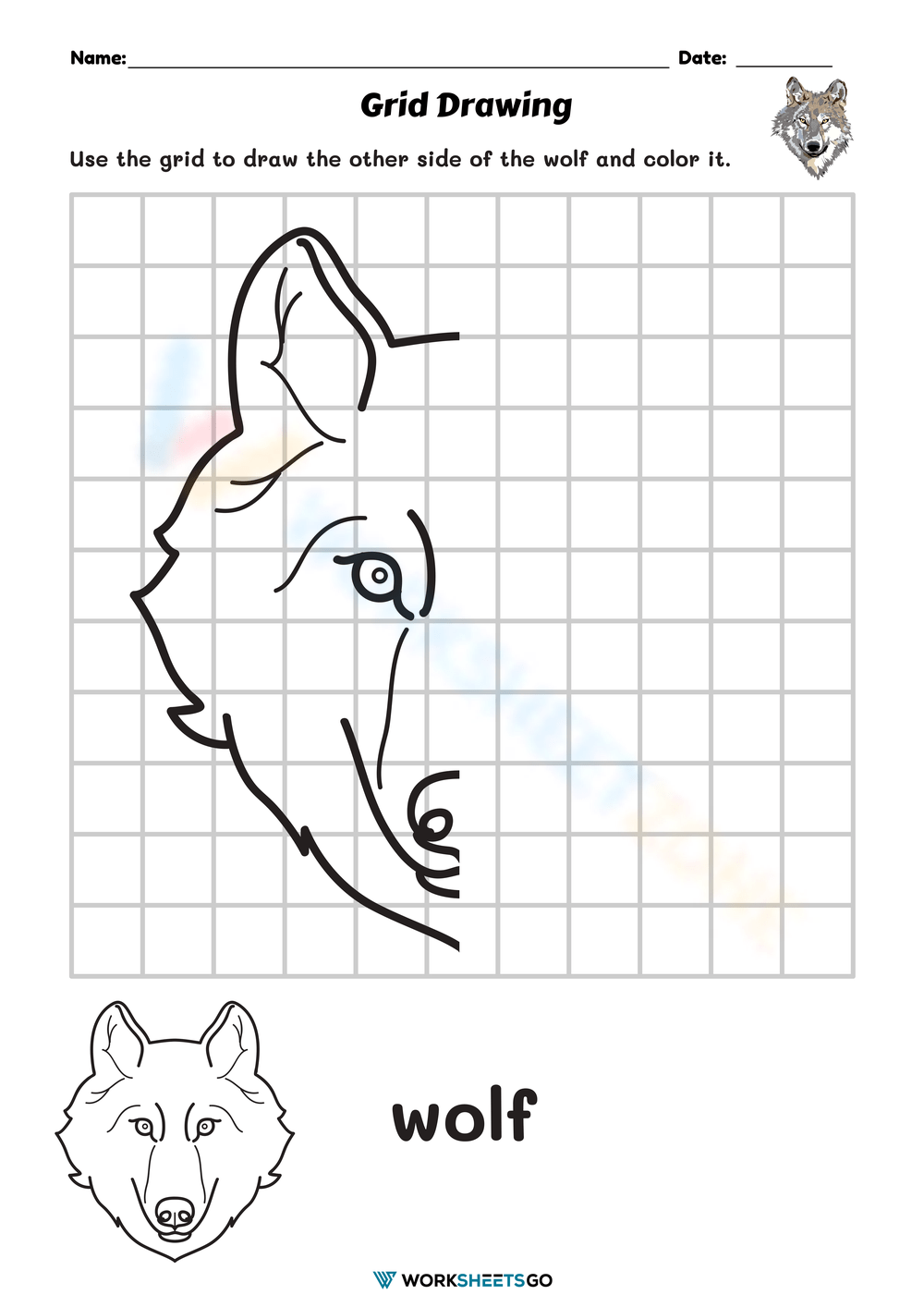
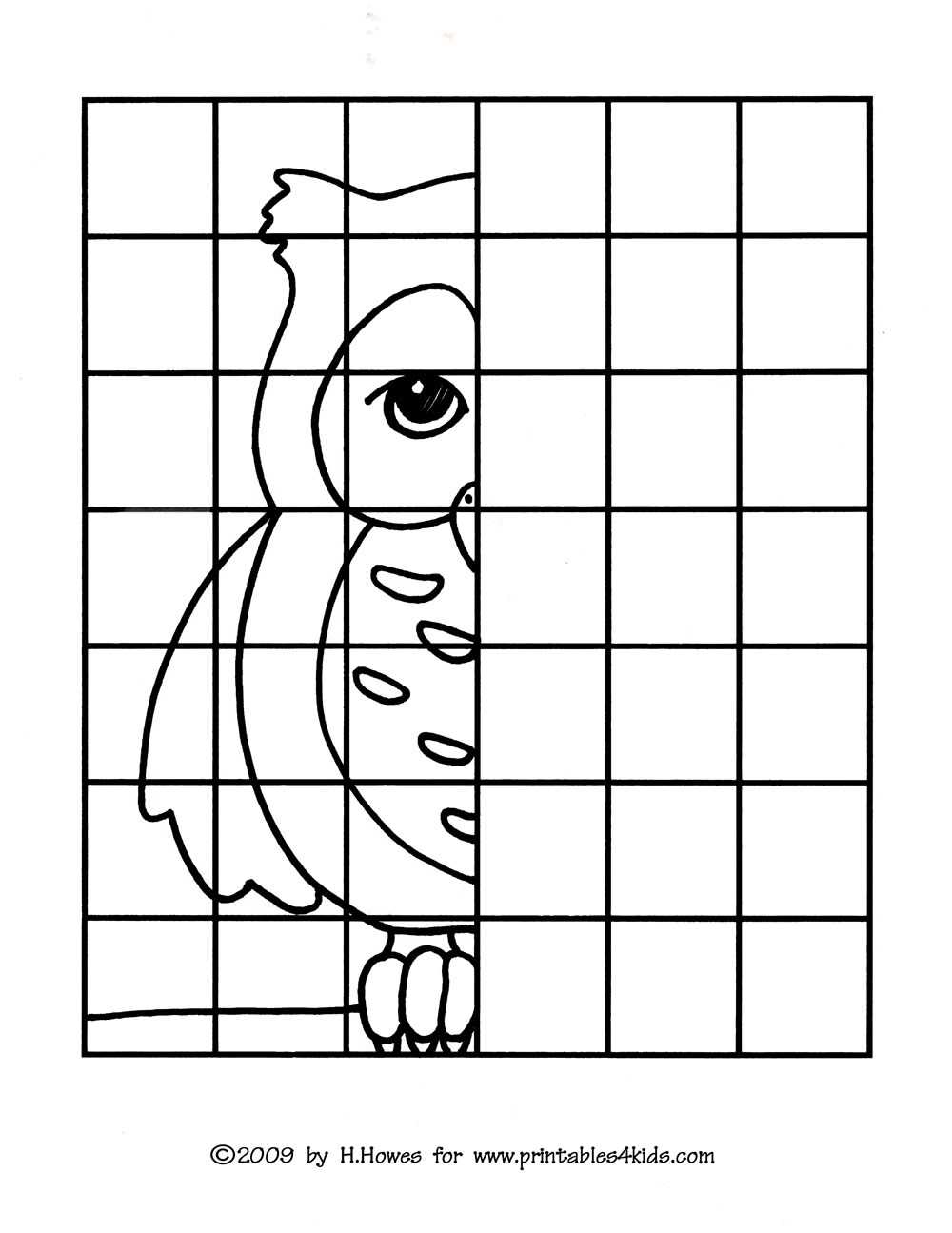
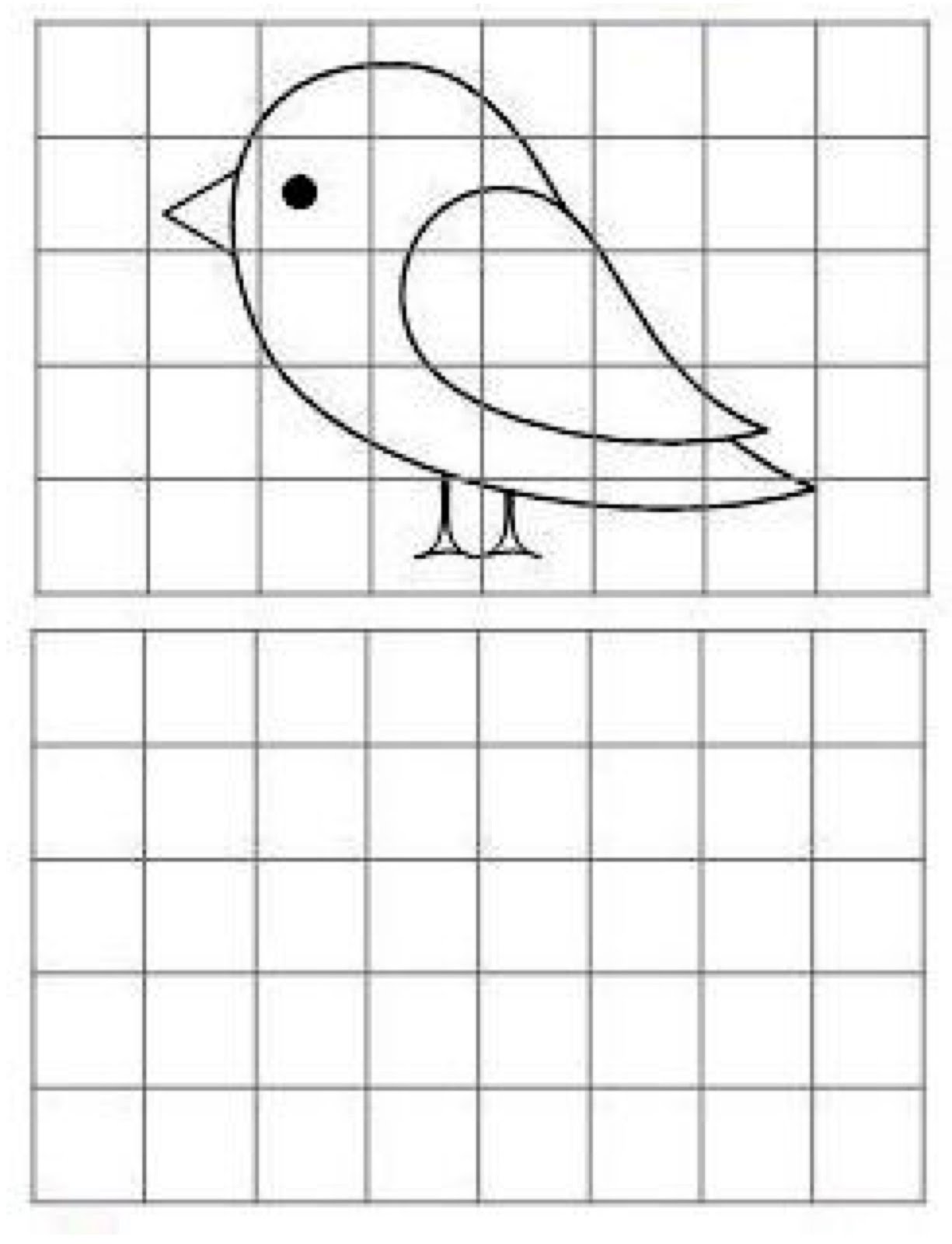
Grid drawing easy step by step is a foundational instructional method that breaks complex visual forms into manageable coordinate squares to build early spatial reasoning, accurate proportion estimation, and fine-motor control in young learners. According to the National Art Education Association (NAEA), structured observational drawing activities significantly improve children’s ability to translate three-dimensional visual information into two-dimensional representations by strengthening eye-hand coordination. Utilizing printable grid worksheets alongside Photo Flashcards provides educators and parents with reliable cognitive tools to foster early artistic confidence and precise visual discrimination without overwhelming developing minds.
Visual Learning & Skill Snapshot:
- Core Focus: Systematic coordinate-based transcription of real photographic references into structured drawing grids.
- Target Skill: Spatial reasoning, visual discrimination, fine-motor proportion, and direct observational mastery.
- Key Recommendation: Pair high-contrast photo references with simple 3×3 or 4×4 grids to prevent cognitive overload in early learners.
Core Principles and Visual Learning Overview
Grid drawing functions by deconstructing a comprehensive photographic image into isolated, localized segments, allowing children to focus entirely on individual intersecting lines rather than the intimidating whole. This segmented approach leverages visual chunking, an essential cognitive strategy validated by developmental psychology for processing complex shapes. When integrating Grid Drawing materials into early childhood curricula, students learn to measure spatial relationships, evaluate negative and positive space, and verify coordinate intersections step by step. Such structured Educational Activities seamlessly bridge the gap between free-form doodling and technical draftsmanship, establishing lifelong habits of careful, attentive observation.
Key Specifications and Breakdown
| Age / Learning Stage | Visual Skill & Grid Ratio | Pedagogical Application & Scaffolding |
|---|---|---|
| Ages 4-5 (Preschool) | 3×3 Grid (Large format, thick borders) | Focuses on tracing basic shapes and identifying primary coordinates using bold real photo references. |
| Ages 6-7 (Early Elementary) | 4×4 Grid (Standard proportions) | Emphasizes line alignment, estimating curves, and translating photographic details square by square. |
| Ages 8+ (Advanced Elementary) | 6×6 Grid (Fine coordinate scaling) | Challenges students with complex angles, shading gradients, and detailed real-world photo subjects. |
Systematic visual breaking and coordinate mapping directly enhance children’s operational memory and analytical spatial organization during formative developmental years. — National Art Education Association (NAEA)
Step-by-Step Practical Application and Printing Guidelines
Executing grid drawing successfully requires matching a primary photo reference sheet with a corresponding blank grid template of identical dimensions to ensure seamless proportion transfer. Educators should print materials on heavy cardstock to withstand repeated erasing and pencil pressure by enthusiastic learners. Instructors begin the exercise by guiding students to select one specific square at the top-left coordinate, analyze the intersecting lines of the photo subject, and carefully duplicate those exact strokes onto the blank student grid before advancing systematically to the adjacent box.
Common Challenges and How to Avoid Them
Young learners frequently rush across grid boundaries or attempt to draw the entire picture at once rather than focusing on isolated coordinates, which leads to disproportionate scaling errors. To correct this tendency, educators can utilize opaque window cards or physical masks to cover all surrounding squares except the active target coordinate, forcing absolute concentration on single-box visual data. Furthermore, selecting high-contrast, uncluttered photo flashcards prevents visual confusion, ensuring children successfully replicate lines without becoming overwhelmed by excessive background details.
💬 Frequently Asked Questions
Explore More Free Learning Printables and Visual Activities on WePhotoAgency
Accessing comprehensive collections of printable worksheets, visual flashcards, and step-by-step drawing templates empowers parents and educators to cultivate lifelong artistic and cognitive abilities. Explore the complete library of structured visual learning resources directly at WePhotoAgency.com to support engaging, hands-on educational development today.
Visual Reference Gallery