Introduction
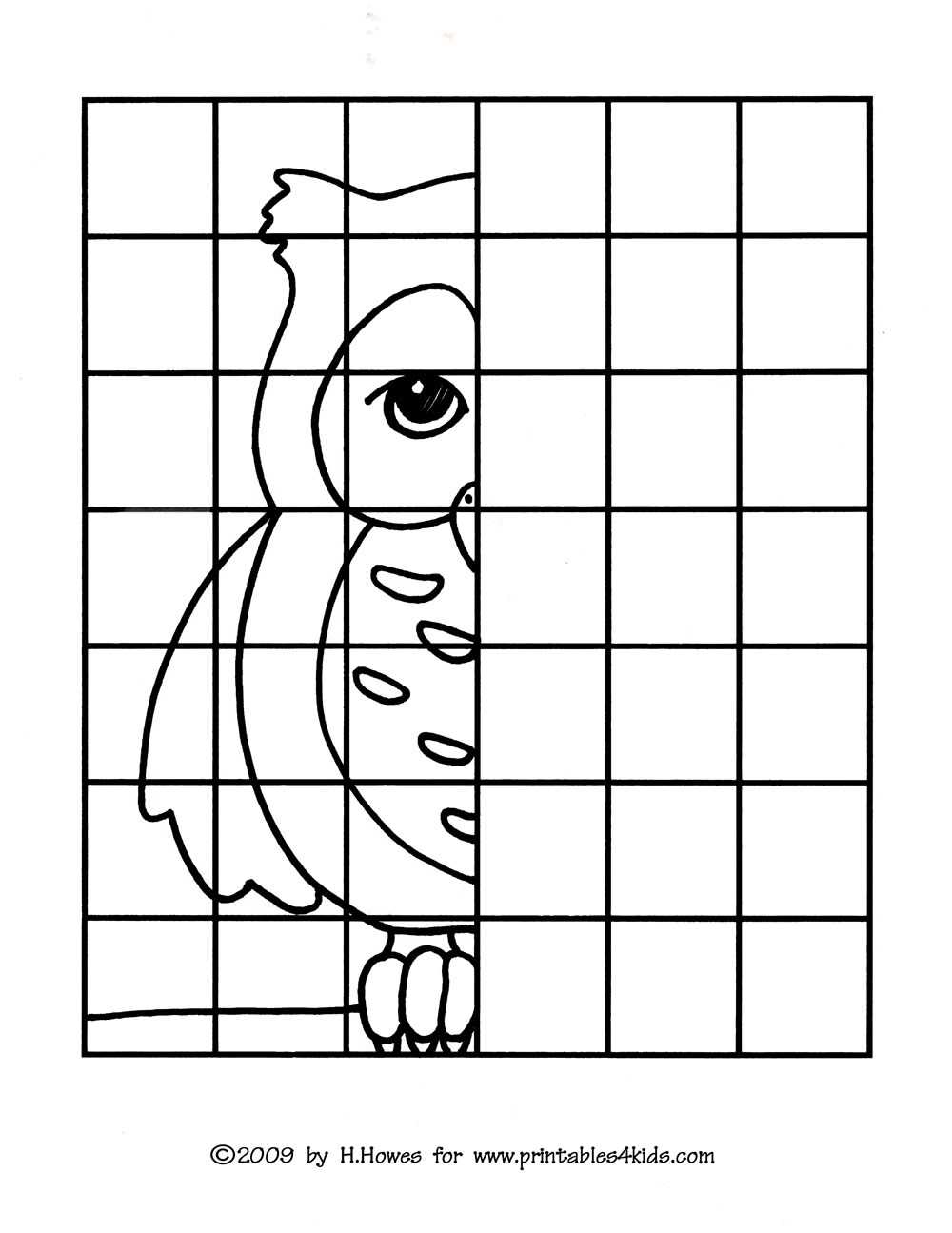
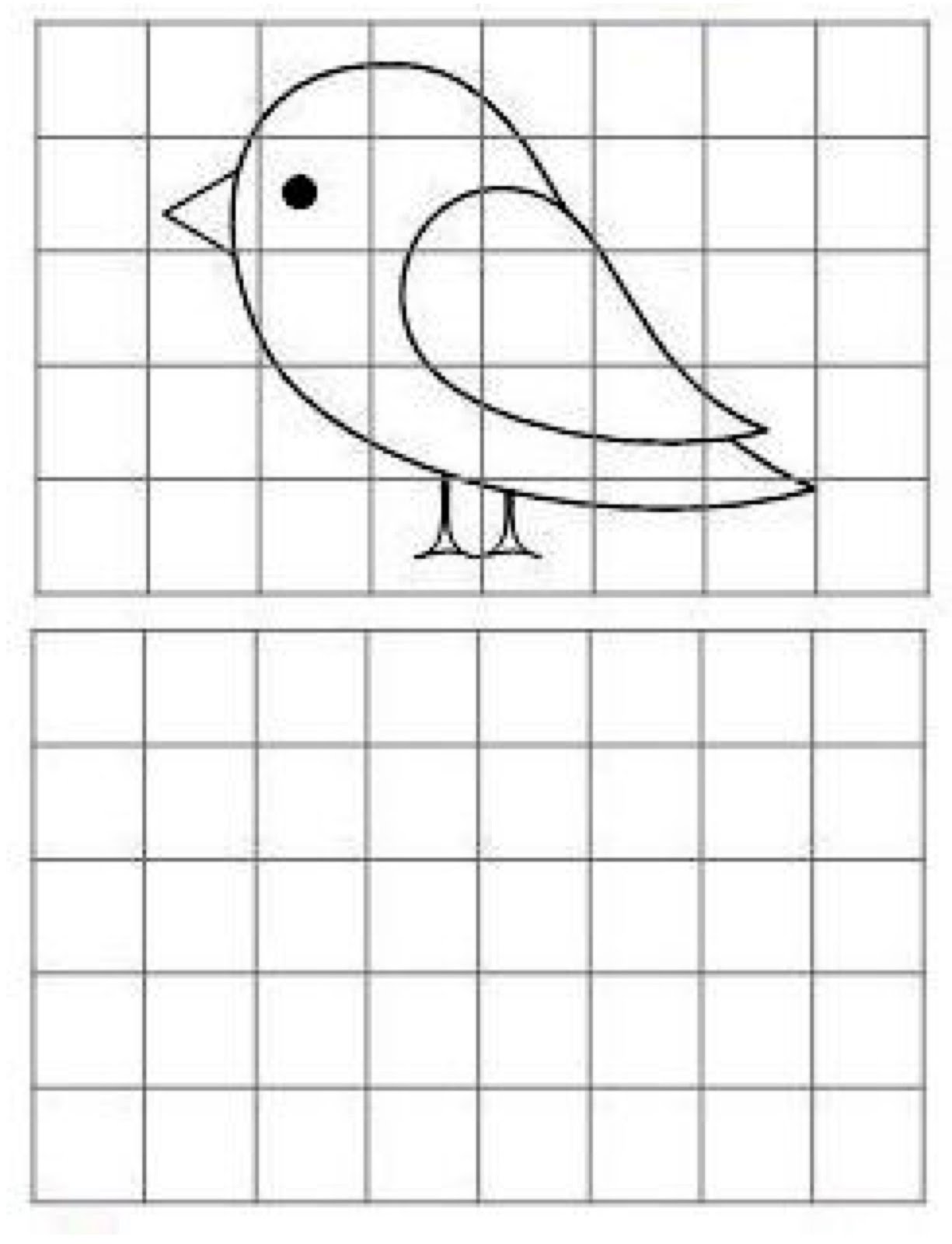
A grid drawing cartoon method divides complex character outlines into manageable coordinate squares to systematically enhance children’s spatial awareness and proportional estimation abilities. According to the National Art Education Association (NAEA), structured visual breaking exercises significantly strengthen early observational competencies by teaching young learners to isolate shapes from abstract backgrounds. Utilizing printable grid drawing worksheets alongside real photo visual flashcards bridges the gap between abstract cognitive planning and precise fine-motor execution. Educators and parents integrate these materials into daily curricula to foster structured visual literacy and foundational drawing confidence without overwhelming developing minds.
Visual Learning & Skill Snapshot:
- Core Focus: Systematic coordinate-based visual breakdown of illustrated characters and real-world photographic subjects.
- Target Skill: Spatial reasoning, visual discrimination, fine-motor proportion, and observation-driven sketching.
- Key Recommendation: Pair high-contrast printable worksheets with real photo flashcards to ground abstract drawing tasks in tangible visual references.
Core Principles and Visual Learning Overview
Grid drawing techniques operate by transforming an open-ended artistic challenge into a series of localized coordinate matching exercises. When children analyze a grid drawing cartoon, visual processing shifts from generalized symbol copying to targeted line-segment observation. By focusing strictly on what appears inside a single coordinate square—such as the curve of a cartoon ear or the intersection of a hat brim—children overcome the common tendency to draw from internal memory rather than direct visual input. This method reinforces cognitive mapping, as the brain must translate relative sizes, angles, and negative spaces from a master template onto a blank grid sheet. Integrating structured resources from Grid Drawing collections provides progressive difficulty levels that adapt seamlessly to growing cognitive capacities in early elementary settings.
Key Specifications and Breakdown
| Age / Learning Stage | Visual Skill & Grid Ratio | Pedagogical Application & Scaffolding |
|---|---|---|
| Ages 4–5 (Early Foundations) | 2×2 or 3×3 simple geometric grid with thick outlines | Focuses on basic shape recognition, corner identification, and foundational hand control using large, friendly cartoon motifs. |
| Ages 6–7 (Skill Development) | 4×4 moderate coordinate grid with distinct subject contours | Teaches relative proportion estimation, line continuity, and observational matching through engaging, simplified characters. |
| Ages 8–10 (Advanced Mastery) | 6×6 or finer coordinate grids with complex shading and detail | Encourages precise angle measurement, perspective alignment, and translation from photographic references to accurate line art. |
Systematic visual division and coordinate-based drawing activities directly accelerate spatial reasoning, working memory consolidation, and ocular-motor precision in early childhood learners. — National Art Education Association (NAEA)
Step-by-Step Practical Application and Printing Guidelines
Executing an effective grid drawing session requires proper preparation of workspace lighting, writing tools, and printed media. Educators should print worksheets using heavy-weight matte cardstock to prevent pencil tearing during repeated erasing and refinement cycles. Begin the exercise by having learners identify corresponding coordinate letters and numbers, ensuring the working pencil moves box by box rather than jumping across the entire composition randomly. Supplementing these drawing sheets with Photo Flashcards helps learners connect stylized cartoon elements back to authentic photographic subjects, deepening real-world object recognition. Teachers should encourage children to cover adjacent squares with a blank card to minimize visual clutter and isolate the specific line segments requiring immediate attention.
Common Challenges and How to Avoid Them
Young learners frequently encounter obstacles such as rushing through individual squares or misaligning intersecting lines across grid boundaries. To prevent frustration, instructors should guide children to locate specific anchor points—where a line touches the grid border—before drawing the curve itself. When a child struggles with proportion scaling, lowering the grid density from a fine matrix to a simpler layout instantly restores cognitive clarity and prevents burnout. Incorporating targeted Educational Activities provides alternative multisensory reinforcement, ensuring that spatial logic is practiced through both physical manipulation and structured pencil work.
💬 Frequently Asked Questions
Explore More Free Learning Printables and Visual Activities on WePhotoAgency
Expanding children’s cognitive and artistic toolkits requires access to professionally curated, high-contrast visual resources and printable worksheets. Educators, homeschoolers, and parents can discover an extensive repository of developmental assets, structured drawing guides, and visual learning aids by visiting WePhotoAgency.com to support comprehensive early childhood growth.
Visual Reference Gallery