Introduction
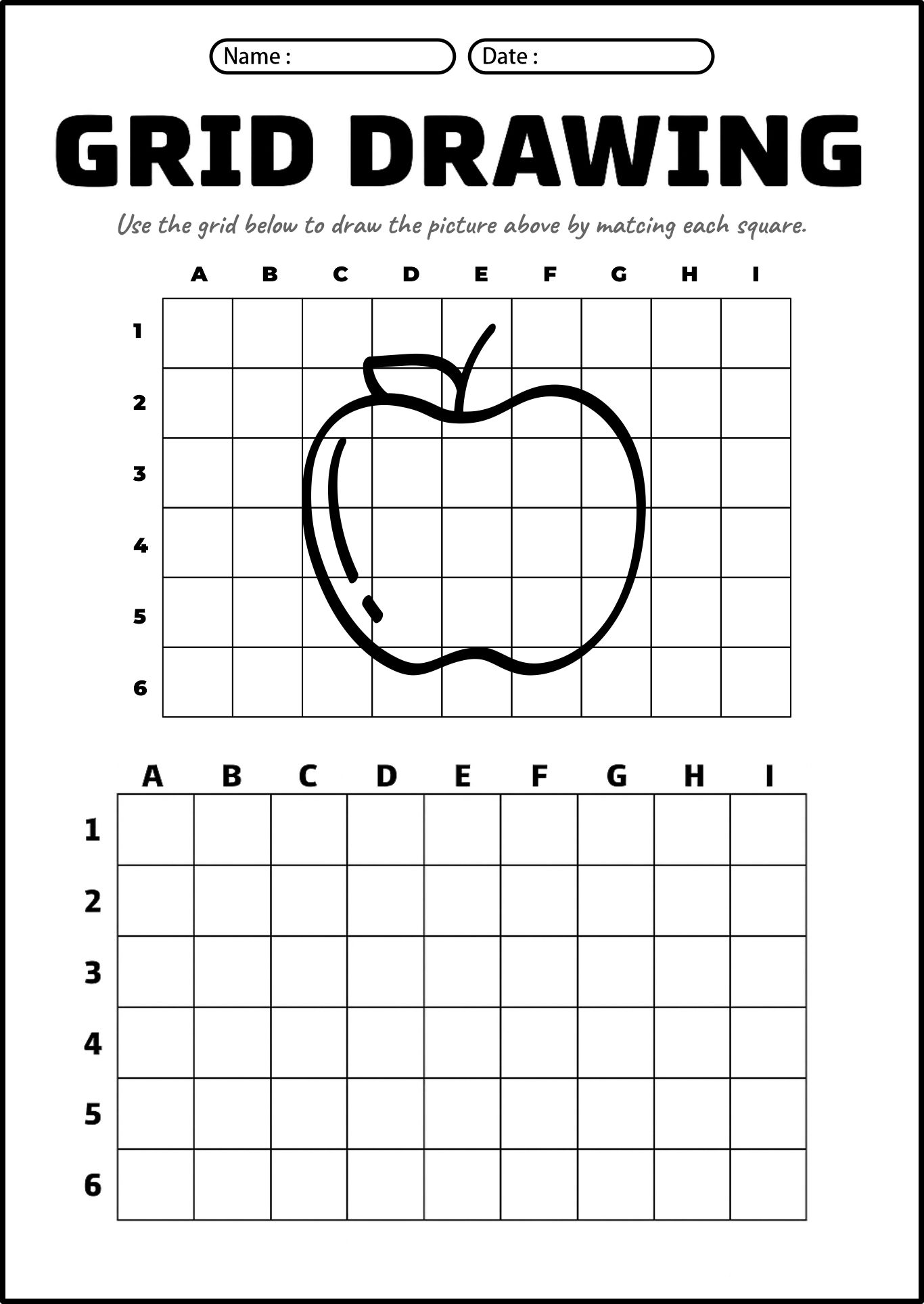
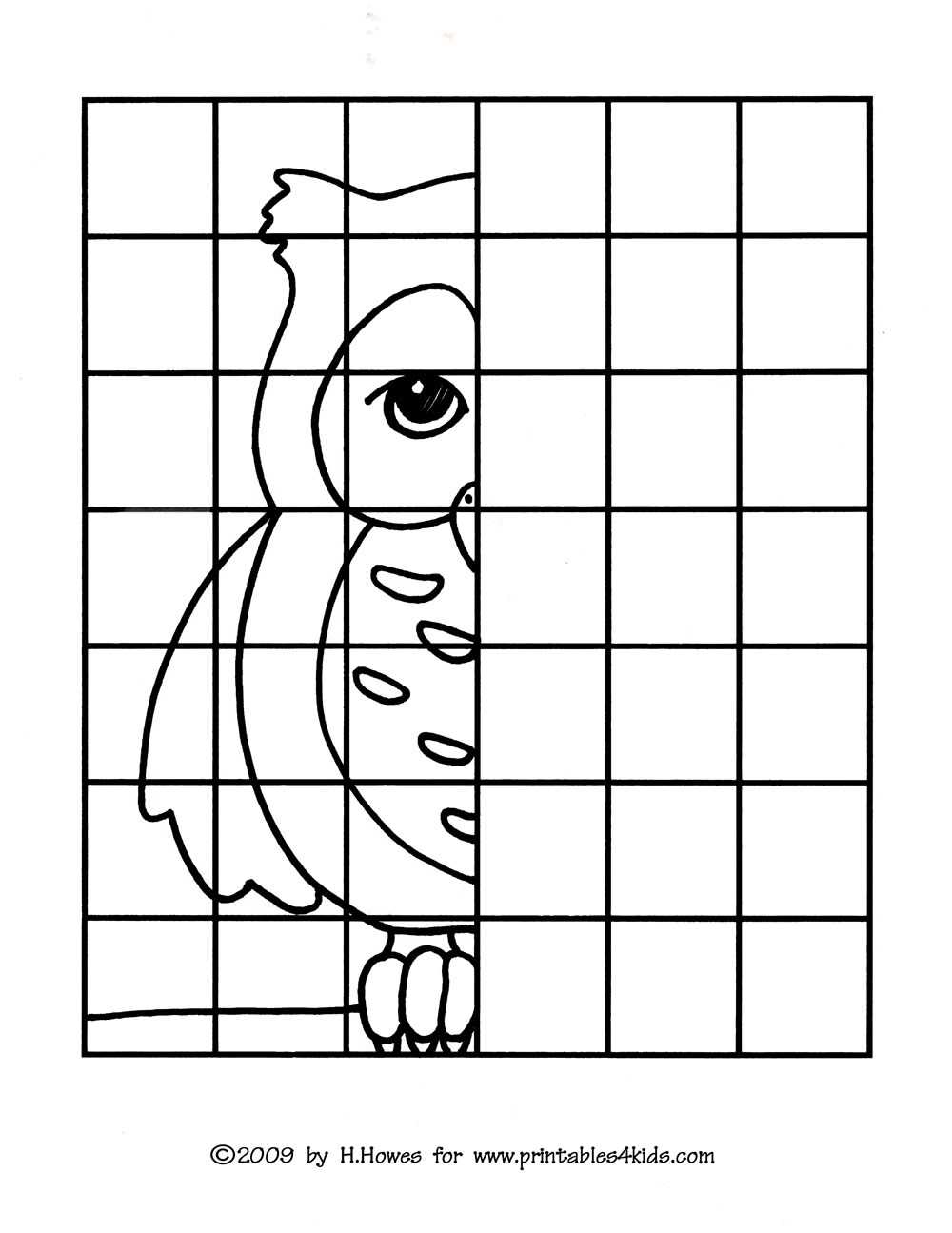
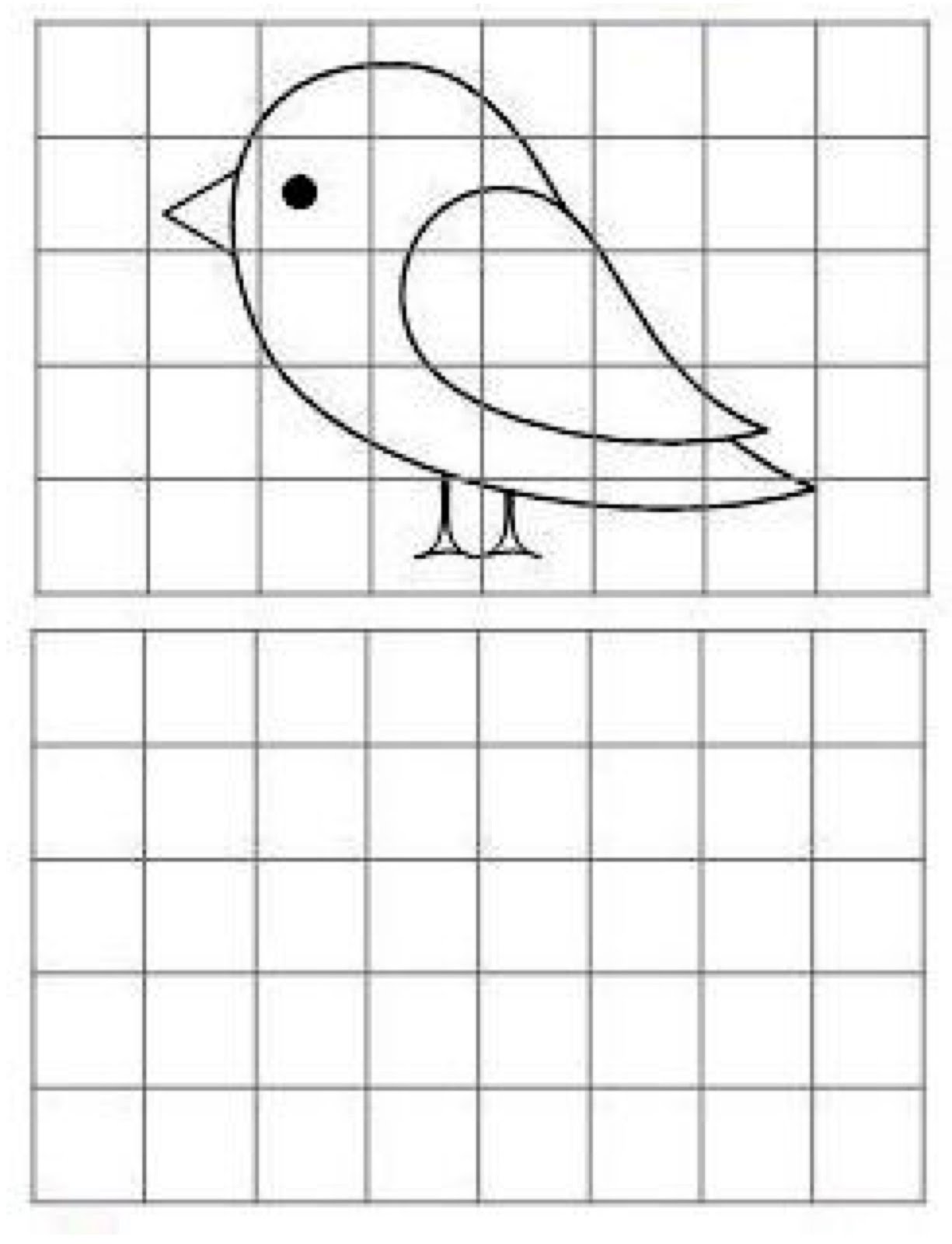
Grid drawing building is a foundational visual arts technique that utilizes intersecting coordinate lines to break complex photographic imagery down into manageable geometric segments, systematically training the early childhood brain in spatial estimation, proportion mapping, and visual-motor integration. According to the National Art Education Association (NAEA), structured observational drawing activities significantly enhance perceptual accuracy, fine-motor coordination, and spatial problem-solving capabilities in growing children. By overlaying a transparent grid onto Photo Flashcards or printable worksheets, educators bridge the cognitive gap between abstract visual perception and concrete line execution. This methodical approach transforms overwhelming pictorial inputs into isolated, high-contrast coordinate boxes, allowing young learners to build accurate artistic compositions cell by cell. Such hands-on exercises align directly with comprehensive Educational Activities designed to cultivate critical thinking, patience, and meticulous attention to detail during formative developmental stages.
Visual Learning & Skill Snapshot:
- Core Focus: Systematic decomposition of visual reference images into manageable geometric grid coordinates for artistic replication.
- Target Skill: Spatial reasoning, visual discrimination, fine-motor proportion estimation, and hand-eye coordination.
- Key Recommendation: Pair high-contrast photo references with simplified 2×2 or 3×3 grids before progressing to complex multi-cell ratios.
Core Principles and Visual Learning Overview
Grid drawing building operates on the cognitive principle of chunking, where the human brain processes complex visual scenes by analyzing individual, isolated shapes rather than attempting to comprehend the entire picture simultaneously. When young artists focus on a single square at a time, cognitive load decreases, eliminating the intimidation factor associated with rendering organic forms from scratch. Utilizing professional Grid Drawing materials ensures that line weights, coordinate markers, and aspect ratios remain uniform throughout the exercise. As children translate visual data from a reference cell to a blank drawing cell, they continuously evaluate spatial relationships, angles, and line lengths relative to the surrounding borders. This continuous visual self-correction strengthens hemispheric brain communication, solidifying mathematical concepts of symmetry and scale long before formal geometry instruction begins in the classroom.
Key Specifications and Breakdown
| Age / Learning Stage | Visual Skill & Grid Ratio | Pedagogical Application & Scaffolding |
|---|---|---|
| Ages 4-5 (Early Explorers) | 2×2 Grid; Large, high-contrast simple shapes | Focuses on basic line recognition, boundary awareness, and gross-to-fine motor transitions using familiar everyday objects. |
| Ages 6-7 (Developing Artists) | 3×3 Grid; Moderate detail and organic contours | Emphasizes proportion estimation, angle replication, and careful observation of intersecting horizontal and vertical lines. |
| Ages 8+ (Advanced Beginners) | 4×4 or 5×5 Grid; Complex real photography | Refines intricate scale adjustments, deep spatial reasoning, and independent error-checking through systematic cell comparison. |
Structured perceptual drawing activities significantly enhance spatial reasoning, proportional estimation, and fine-motor control during early cognitive development. — National Art Education Association (NAEA)
Step-by-Step Practical Application and Printing Guidelines
Implementing successful grid drawing building sessions requires crisp, high-resolution printouts that display clear coordinate markers and distinct gridlines without visual clutter. Begin by selecting an engaging photographic subject featuring clear subject-ground separation, then print matching master sheets for both the reference image and the blank drawing canvas. Instruct learners to label their coordinate axes using simple alphanumeric characters (letters across the top, numbers down the side) to reinforce organizational habits and navigational literacy. Encourage children to scan the grid diagonally or row by row, lightly sketching overarching contour lines before filling in fine details or shading textures. Educators should ensure that print scaling is locked at 100 percent to prevent distortion of aspect ratios, guaranteeing that the reference squares maintain exact dimensional parity with the student working sheet.
Common Challenges and How to Avoid Them
Rushing proportions represents the most frequent obstacle encountered during grid drawing building exercises, often occurring when children attempt to copy entire sections without checking coordinate boundaries. To counteract this tendency, prompt learners to isolate single cells using blank index cards or framing tools, effectively blocking out surrounding visual distractions that induce anxiety and error. Another common pitfall involves confusing coordinate cells by losing track of the vertical or horizontal alignment; establishing a consistent top-left starting habit resolves this spatial disorientation immediately. When frustration arises over inaccurate lines, guide the child to measure the distance from a grid corner to the point where a line intersects the cell border using a pencil edge. This tactile measurement technique reinforces mathematical ratios naturally, turning accidental drawing mistakes into powerful problem-solving opportunities.
💬 Frequently Asked Questions
Explore More Free Learning Printables and Visual Activities on WePhotoAgency
Empowering young minds through structured visual arts requires access to premium, teacher-approved resources that seamlessly blend cognitive development with creative expression. Educators, homeschoolers, and parents can discover a vast expanding repository of printable worksheets, coordinate challenges, and photographic learning tools by visiting the main educational library at WePhotoAgency.com to elevate daily instruction and inspire lifelong artistic confidence.
Visual Reference Gallery