Introduction
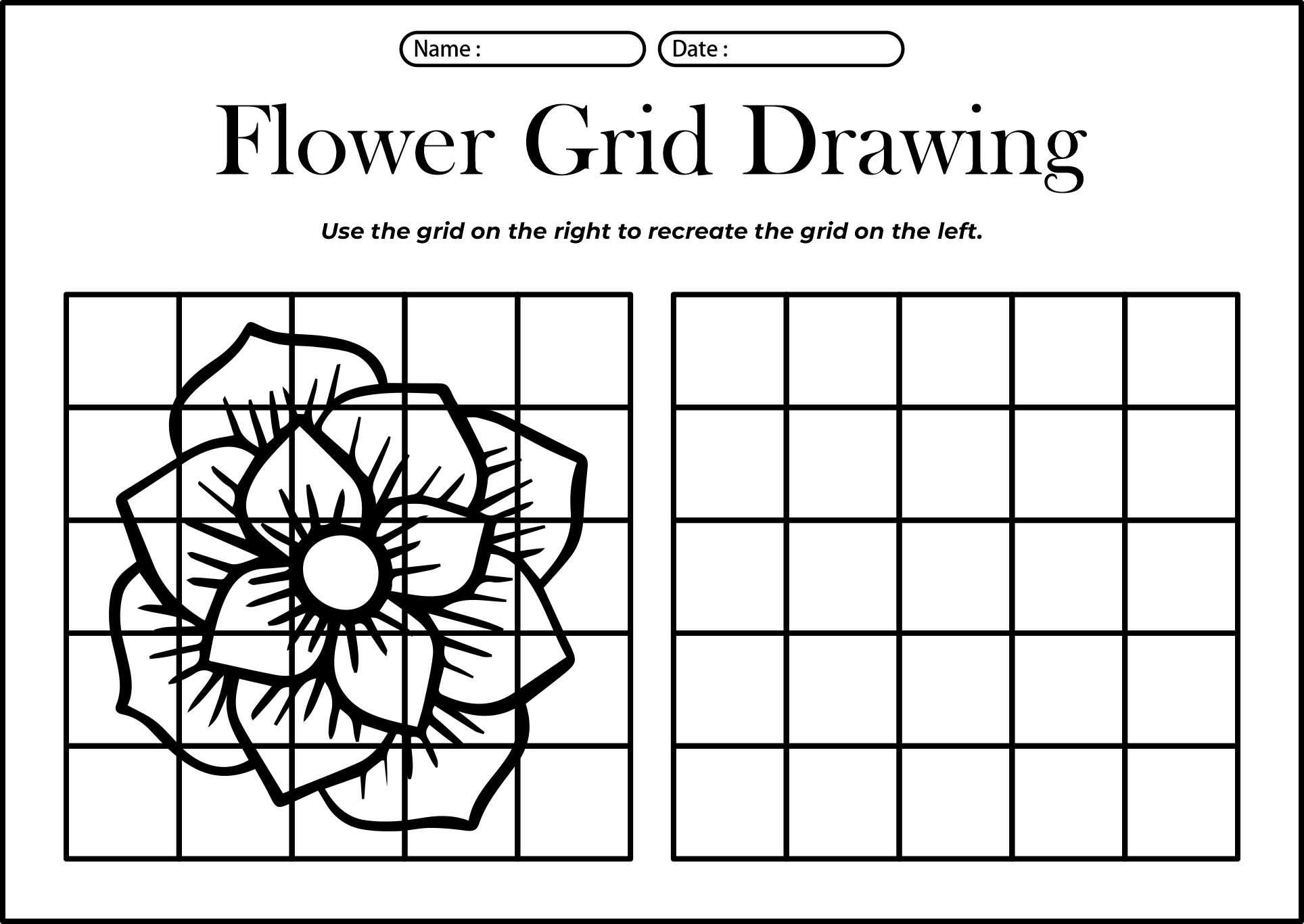
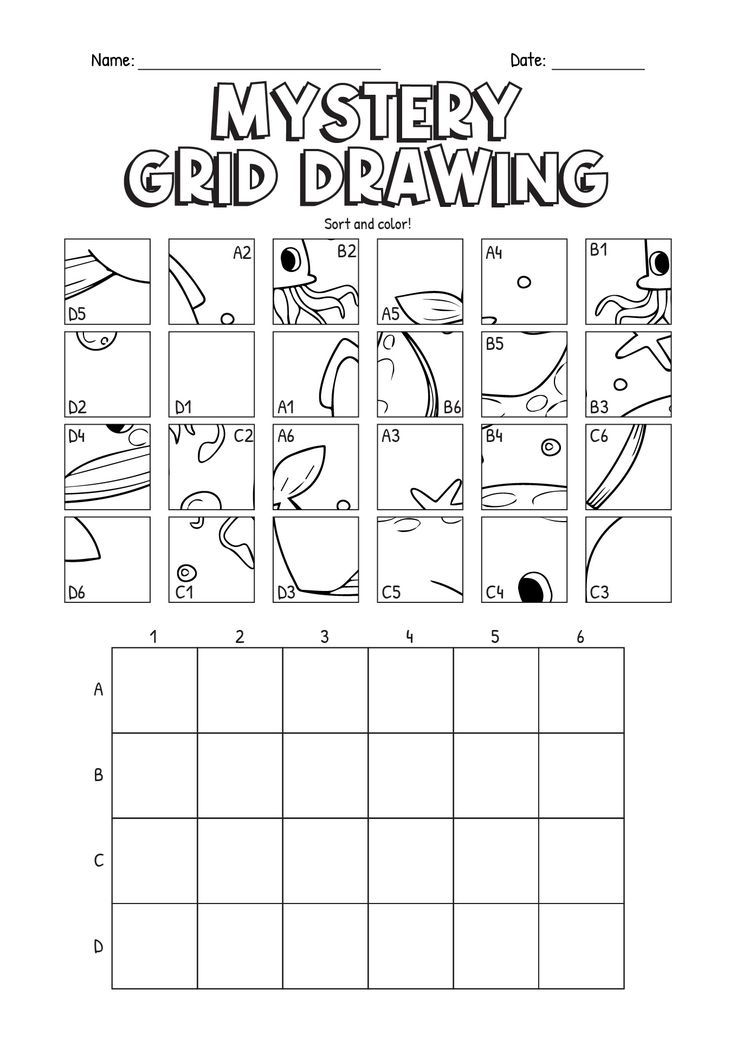
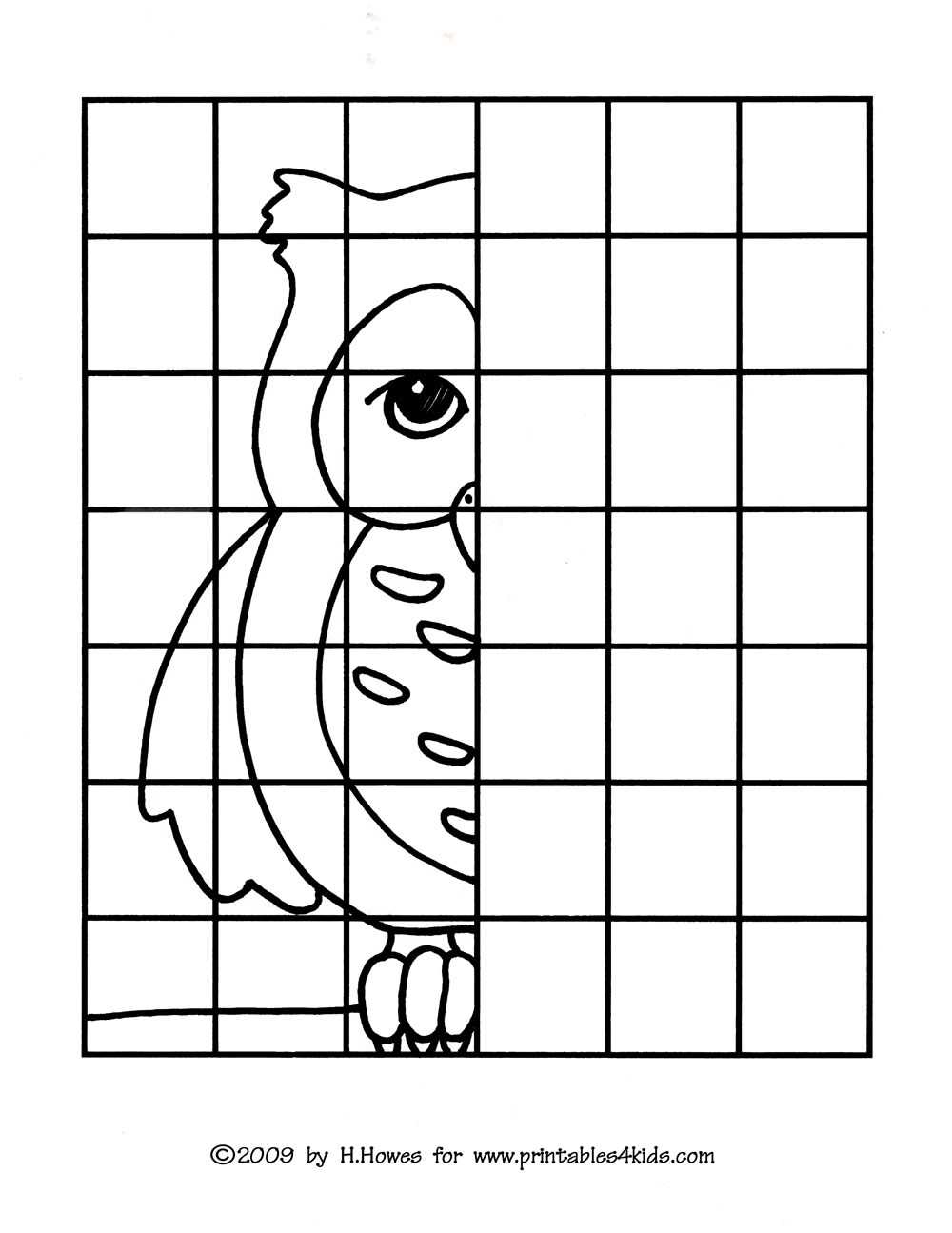
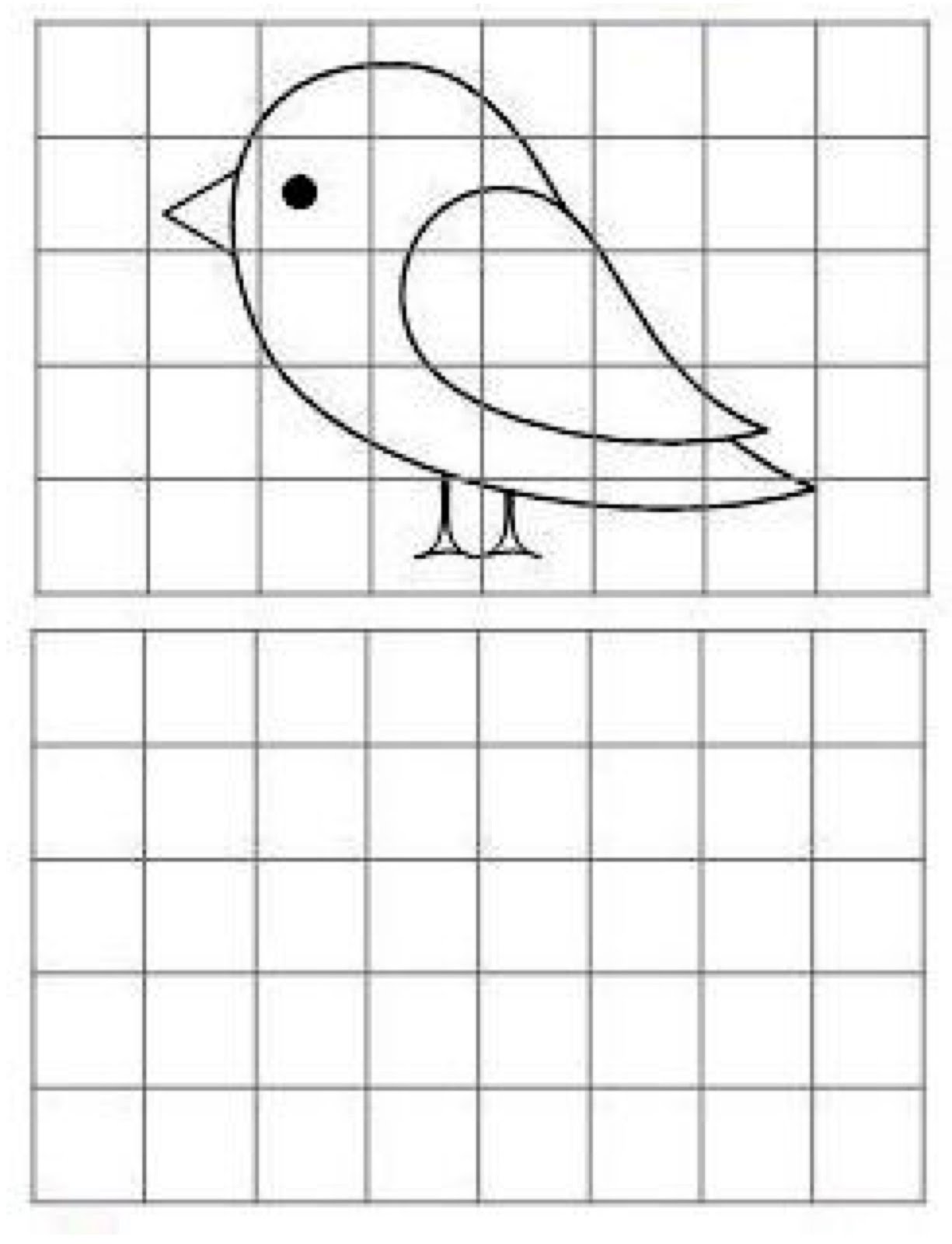
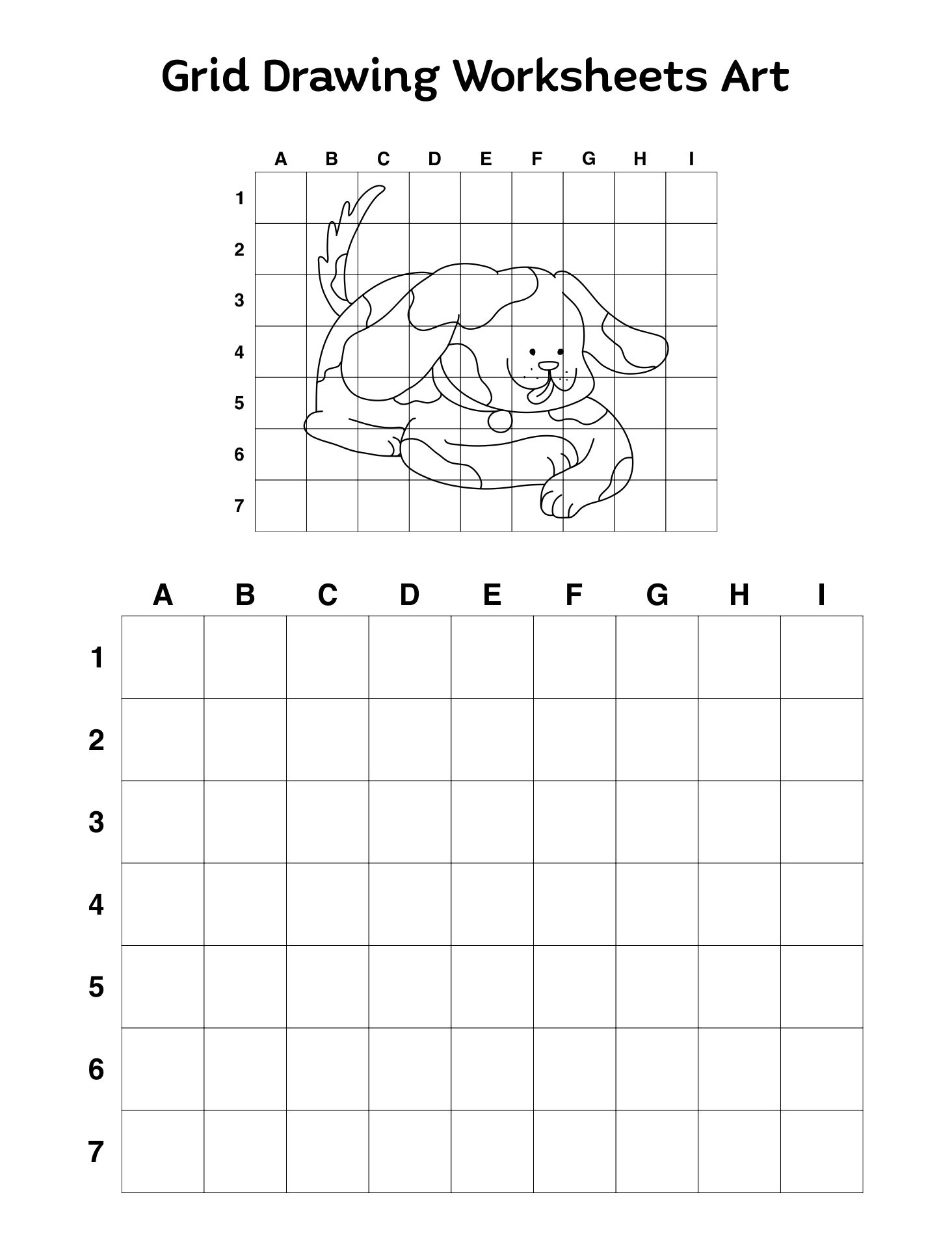
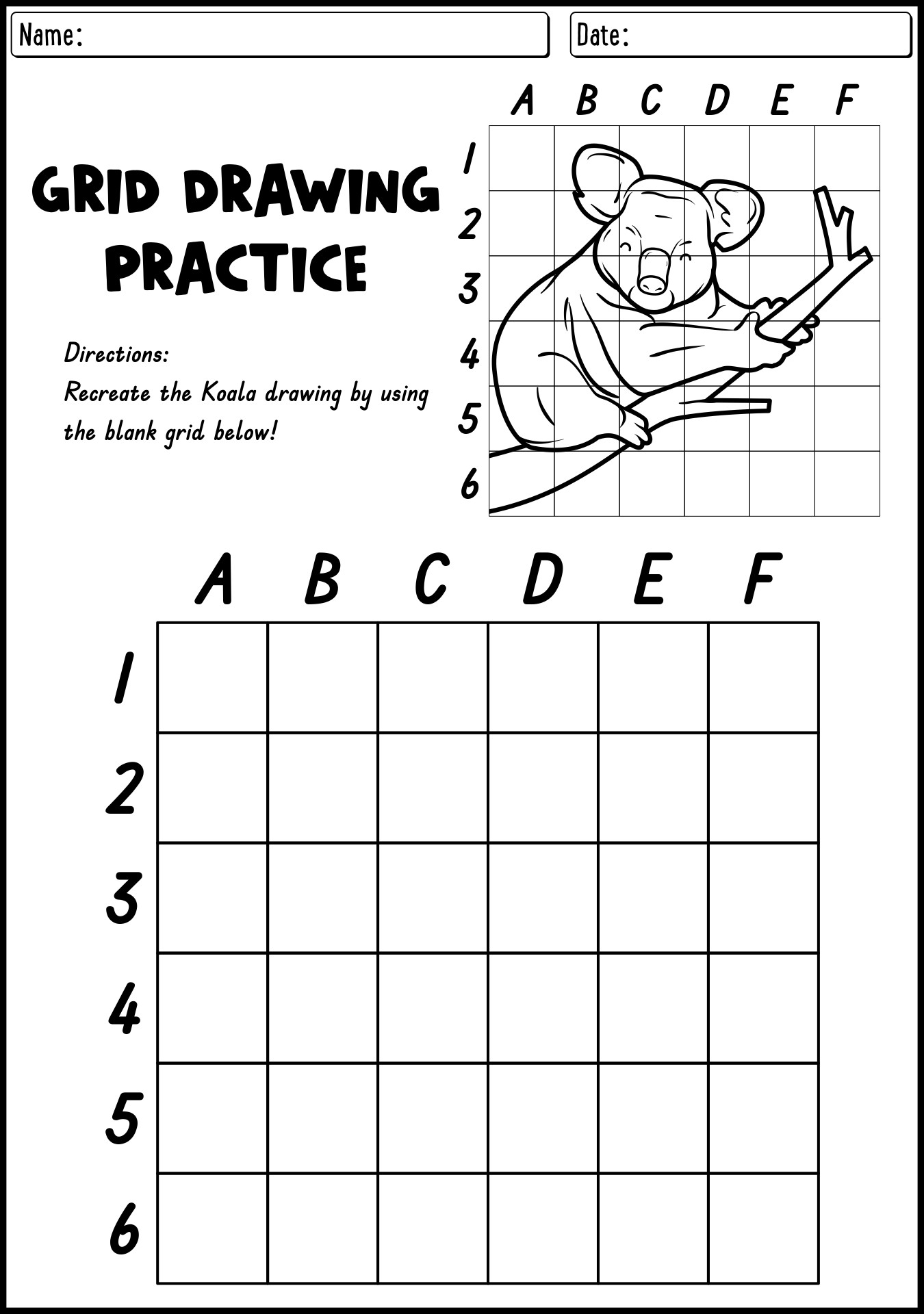
Grid drawing serves as a foundational cognitive and artistic practice that breaks complex visual stimuli into manageable coordinate squares to teach proportion, spatial awareness, and observation. According to the National Art Education Association (NAEA), structured observational drawing exercises significantly enhance children’s fine-motor precision, hand-eye coordination, and spatial analysis by encouraging them to translate three-dimensional visual references into two-dimensional graphical representations. Incorporating printable worksheets alongside realistic Photo Flashcards creates an ideal multisensory learning environment for early elementary students and homeschoolers looking to master structural observation.
Visual Learning & Skill Snapshot:
- Core Focus: Coordinate-based visual decomposition and proportional rendering for young learners.
- Target Skill: Spatial reasoning, visual discrimination, fine-motor proportion, and photographic concept mastery.
- Key Recommendation: Start early learners with large 2×2 or 3×3 grids before transitioning to denser matrices.
Core Principles and Visual Learning Overview
Visual learning through structured Grid Drawing exercises shifts a child’s cognitive focus from conceptual symbol drawing—such as drawing what the brain assumes an object looks like—to precise observational rendering based on actual coordinate data. By dividing a real photographic reference into an intersecting matrix of squares, young learners isolate lines, angles, and negative spaces box by box. This targeted method prevents cognitive overload, allowing children to develop essential competencies in spatial scaling, visual tracking, and proportional estimation without feeling overwhelmed by complex artistic compositions.
Key Specifications and Breakdown
| Age / Learning Stage | Visual Skill & Grid Ratio | Pedagogical Application & Scaffolding |
|---|---|---|
| Ages 4-5 (Early Kindergarten) | Basic 2×2 Grid; high-contrast shapes | Focuses on simple quadrant identification, left-to-right tracking, and bold outlines. |
| Ages 6-7 (Early Elementary) | Standard 3×3 Grid; real photographic subjects | Builds proportional awareness, line continuity, and alignment of natural forms. |
| Ages 8-9 (Upper Elementary) | Advanced 4×4 Grid; detailed photo references | Refines intricate coordinate mapping, accurate scale estimation, and shading transitions. |
Structured observational drawing strengthens visuospatial working memory and geometric mapping in developing minds. — National Art Education Association (NAEA)
Step-by-Step Practical Application and Printing Guidelines
Implementing effective grid drawing activities requires high-contrast printouts, clear coordinate labels, and dedicated Educational Activities designed for tactile engagement. Educators should select clear, glare-free photographic worksheets featuring distinct outlines, printing them on heavy cardstock to prevent pencil tearing during repeated erasing. Instruct learners to work systematically from the top-left quadrant to the bottom-right, encouraging them to cover adjacent squares with a blank card to isolate the active coordinate and minimize visual distractions.
Common Challenges and How to Avoid Them
Children frequently struggle with grid drawing when they attempt to copy the entire image at once instead of focusing on one single coordinate square at a time. To overcome this common hurdle, guide young artists to use a sliding window mask that reveals only the specific box they are actively reproducing. Additionally, ensure that reference grids and drawing grids maintain identical aspect ratios so that proportional distortion does not frustrate the learner during the drafting phase.
💬 Frequently Asked Questions
Explore More Free Learning Printables and Visual Activities on WePhotoAgency
Expanding children’s cognitive capabilities and artistic confidence becomes effortless when utilizing professionally designed visual resources tailored for home and classroom environments. Educators, parents, and homeschoolers can access an extensive library of supplementary worksheets, coordinate exercises, and developmental tools by visiting WePhotoAgency.com to support continuous growth.
Visual Reference Gallery