Introduction
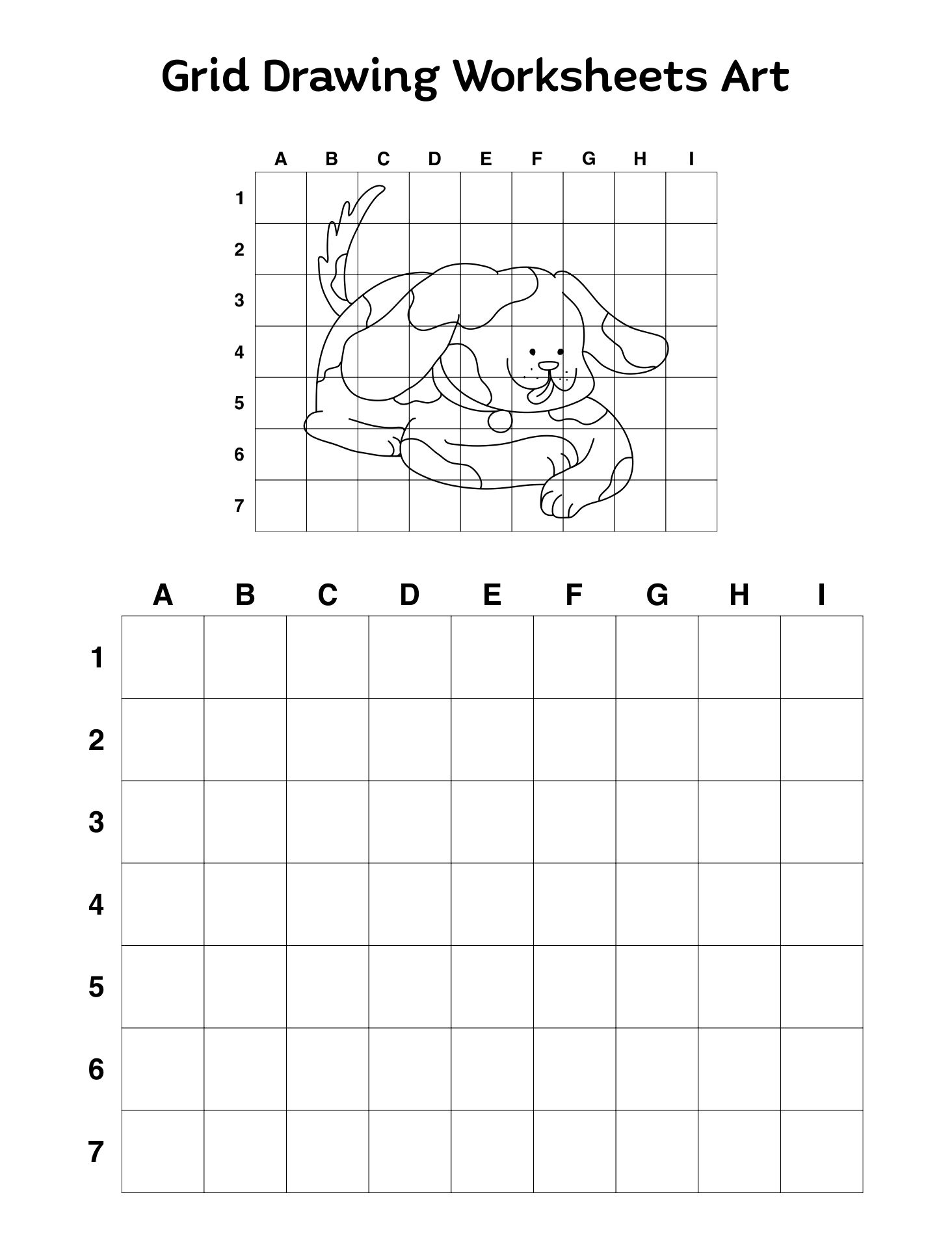
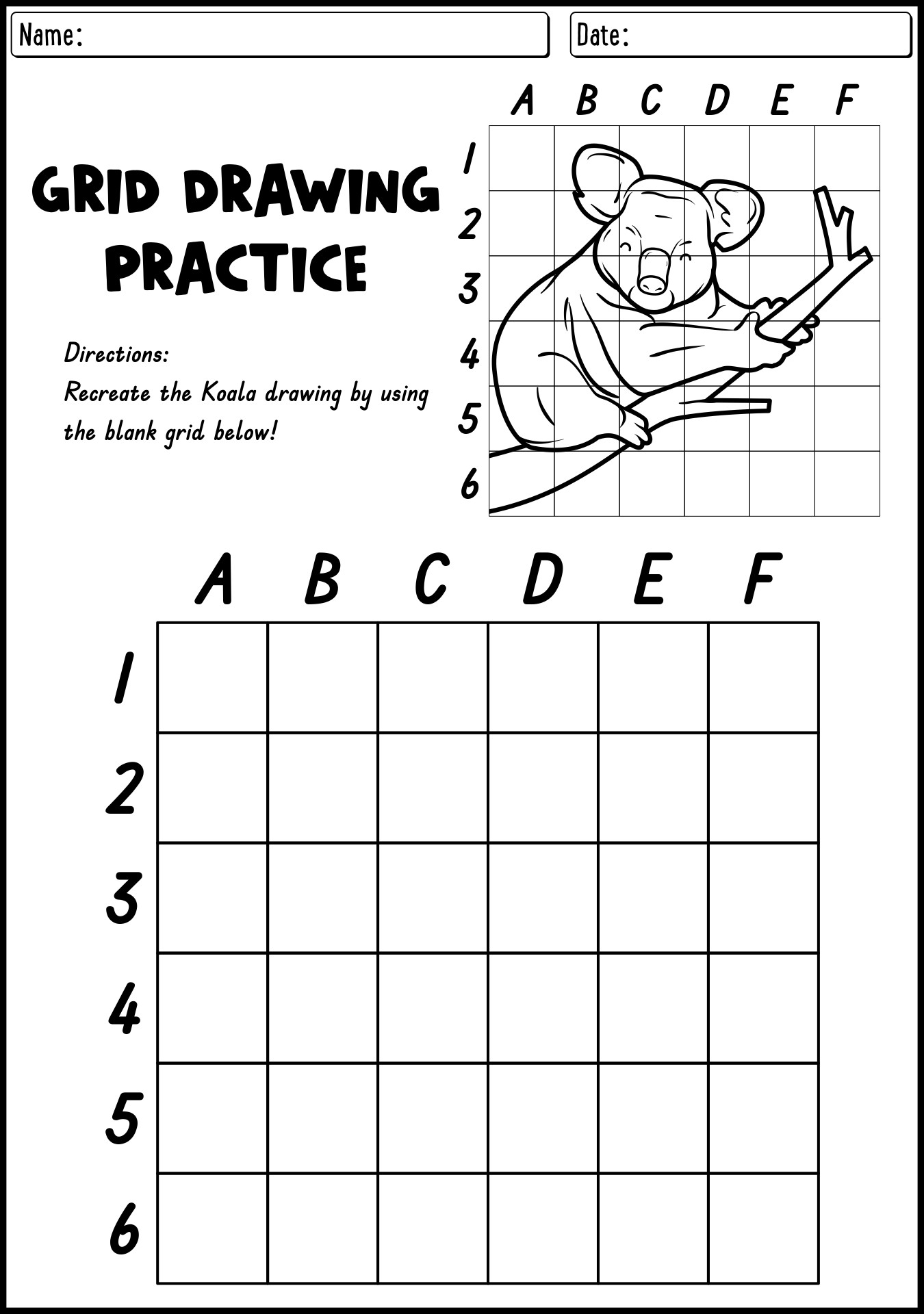
Grid design drawing is a foundational cognitive method that breaks complex visual forms down into manageable coordinate squares to boost spatial awareness, proportional accuracy, and fine motor precision. According to the National Association for the Education of Young Children (NAEYC), structured visual-spatial experiences significantly enhance early geometric reasoning, mathematical competence, and fine-motor control during formative developmental years. Utilizing printable grid templates alongside real photo visual flashcards transforms abstract drawing tasks into concrete observational challenges. This methodology empowers young learners to analyze lines, shapes, and negative spaces systematically rather than guessing proportions freehand.
Visual Learning & Skill Snapshot:
- Core Focus: Systematic coordinate-based visual reproduction using geometric square partitions.
- Target Skill: Spatial reasoning, visual discrimination, fine-motor proportion, and observation-to-execution translation.
- Key Recommendation: Pair photographic reference cards with matching grid worksheets to anchor abstract drawing tasks in real-world visual data.
Core Principles and Visual Learning Overview
Spatial awareness is the primary psychological mechanism activated during Grid Drawing exercises. When children replicate an image coordinate by coordinate, the brain engages in chunking, reducing cognitive overload by dividing a massive visual problem into tiny, isolated cells. Integrating high-definition Photo Flashcards provides authentic reference material that bridges photography and fine art. This systematic practice builds crucial hand-eye coordination, reinforces left-to-right scanning habits essential for early literacy, and establishes deep mathematical foundations through ratio, symmetry, and spatial coordinate mapping.
Key Specifications and Breakdown
| Age / Learning Stage | Visual Skill & Grid Ratio | Pedagogical Application & Scaffolding |
|---|---|---|
| Ages 4-5 (Early Preschool) | 2×2 or 3×3 simple grids | Focus on primary geometric shapes and macro-features using high-contrast picture references. |
| Ages 6-7 (Early Elementary) | 4×4 to 6×6 intermediate grids | Emphasize proportion estimation, contour tracking, and detailed botanical or animal subjects. |
| Ages 8+ (Advanced Practice) | 8×8 complex coordinate grids | Challenge fine-motor precision, shading values, and accurate angle measurements from photo references. |
Systematic visual arts instruction utilizing spatial grids measurably strengthens cognitive mapping, visual-motor integration, and mathematical proportion analysis in early childhood development. — National Art Education Association (NAEA)
Step-by-Step Practical Application and Printing Guidelines
Effective implementation requires pairing high-contrast visual resources with clean printing practices to optimize cognitive focus. Begin by selecting age-appropriate worksheets from structured Educational Activities collections that feature clear coordinate labels (such as numbers across the top and letters down the side). Print both the reference image and the blank drawing grid on heavyweight matte cardstock to prevent pencil tearing during repeated erasing. Instruct learners to isolate single squares using a cutout paper window mask, blocking out surrounding visual clutter so attention remains strictly fixed on copying one coordinate square at a time.
Common Challenges and How to Avoid Them
Frustration during coordinate drawing typically stems from learners attempting to render the entire picture at once rather than working strictly square by square. Educators and parents can prevent this pitfall by enforcing a strict sequential workflow, requiring children to complete the top-left coordinate before glancing elsewhere on the page. If a child struggles with diagonal lines crossing grid intersections, supply a temporary red alignment pen to plot anchor points on the grid lines before connecting strokes with a standard graphite pencil.
💬 Frequently Asked Questions
Explore More Free Learning Printables and Visual Activities on WePhotoAgency
Elevate visual arts curricula and early cognitive development strategies by utilizing the comprehensive collections available through WePhotoAgency.com. Access an extensive library of professional printables designed to foster lifelong creativity, focus, and academic readiness.
Visual Reference Gallery