Introduction
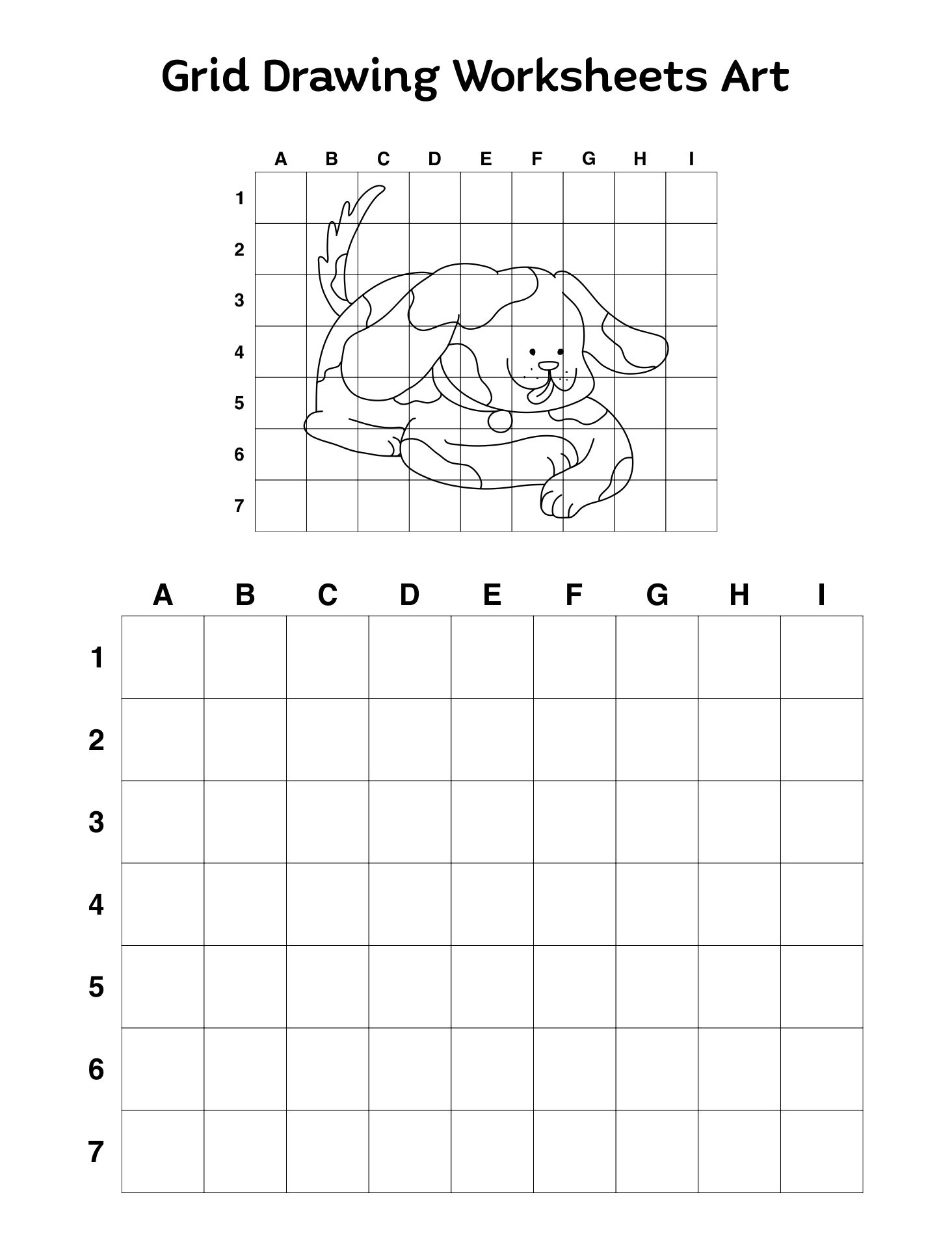
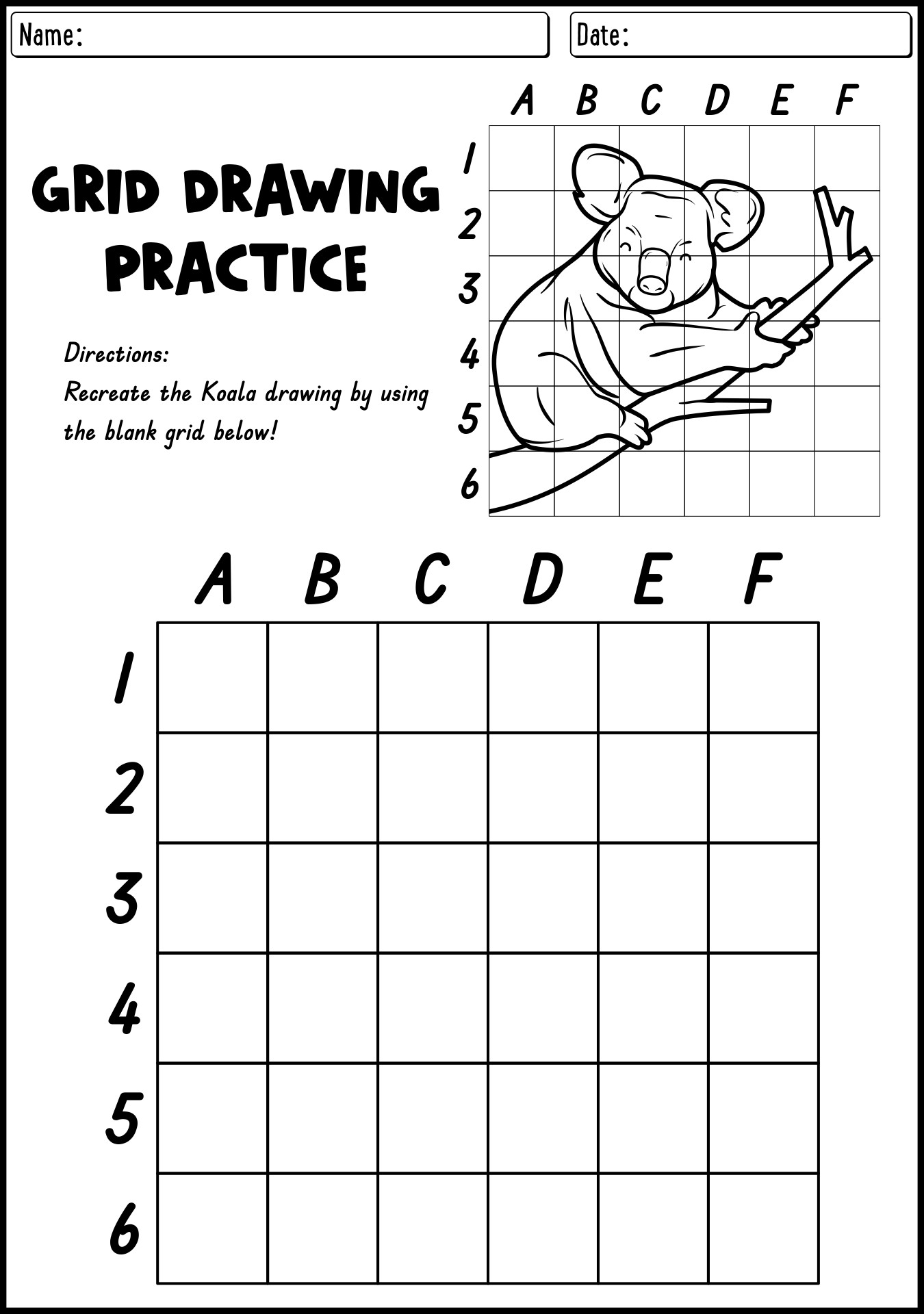
An engineering drawing grid reference is a systematic spatial mapping method that breaks complex visual forms into manageable coordinate sections to teach exact proportions and observation skills. According to the National Association for the Education of Young Children (NAEYC), structured visual-spatial activities fundamentally enhance early cognitive development, mathematical graphing foundations, and fine-motor coordination in young children. By pairing printable Grid Drawing templates with real-world photo references, educators and parents can systematically bridge abstract spatial reasoning with concrete tactile drafting practices. This methodology transforms intimidating artistic tasks into approachable, logic-driven coordinate challenges.
Visual Learning & Skill Snapshot:
- Core Focus: Systematic coordinate mapping to teach precise proportion estimation and technical observation.
- Target Skill: Spatial reasoning, visual discrimination, fine-motor proportion, and photo-based concept mastery.
- Key Recommendation: Pair photographic reference cards with matching low-density grids to reduce cognitive overload during initial lessons.
Core Principles and Visual Learning Overview
Engineering drawing grid reference techniques operate by dividing both a reference image and a blank working canvas into identical coordinate matrices, forcing the brain to isolate lines, curves, and angles block by block. This structured compartmentalization bypasses the brain’s tendency to draw generalized symbols, training young learners to record objective visual data instead of preconceived mental templates. Integrating Photo Flashcards into these grid exercises provides authentic real-world subjects—ranging from architecture to biological specimens—that cultivate genuine observational rigor and technical drafting discipline.
Key Specifications and Breakdown
| Age / Learning Stage | Visual Skill & Grid Ratio | Pedagogical Application & Scaffolding |
|---|---|---|
| Ages 4-5 (Early Foundation) | 2×2 or 3×3 simple quadrant grid | Focuses on basic shape localization and gross proportion mapping using oversized photo cards. |
| Ages 6-7 (Early Elementary) | 4×4 or 5×5 coordinate matrix | Teaches intersection tracking, diagonal alignment, and line continuity using detailed Educational Activities. |
| Ages 8+ (Advanced Practice) | 8×8 or 10×10 technical grid | Refines micro-observation, scale reduction, and engineering blueprint reading through high-detail real photographic subjects. |
Systematic spatial partitioning during early developmental years directly accelerates the acquisition of coordinate geometry and technical drafting proficiency. — National Art Education Association (NAEA)
Step-by-Step Practical Application and Printing Guidelines
Executing an effective engineering drawing grid reference lesson requires high-contrast printing, clear alphanumeric coordinate labels (such as A-D along the horizontal axis and 1-4 along the vertical axis), and durable cardstock backing for repeated classroom handling. Educators should begin by guiding learners to locate specific coordinate boxes—such as square B-2—on both the master photo and the blank grid before making a single pencil mark. Encouraging children to lightly sketch boundary lines inside each individual cell before filling in fine details ensures overall structural integrity and prevents proportional distortion across the finished drawing.
Common Challenges and How to Avoid Them
Young learners frequently struggle with engineering drawing grid reference exercises when they attempt to draw the entire subject at once instead of focusing on one isolated grid coordinate box at a time. To prevent this frustration, provide an opaque viewfinder mask that covers all surrounding cells, allowing the child to concentrate exclusively on a single coordinate square. Furthermore, ensure that printed worksheets feature distinct, dark grid lines so that young eyes can effortlessly distinguish between the coordinate boundaries and their own pencil strokes.
💬 Frequently Asked Questions
Explore More Free Learning Printables and Visual Activities on WePhotoAgency
Discover an extensive library of professional educational resources designed to elevate spatial intelligence, drawing accuracy, and cognitive development by visiting WePhotoAgency.com. Access thousands of printable worksheets, visual flashcards, and structured learning activities tailored for parents, homeschoolers, and educators.
Visual Reference Gallery