Introduction
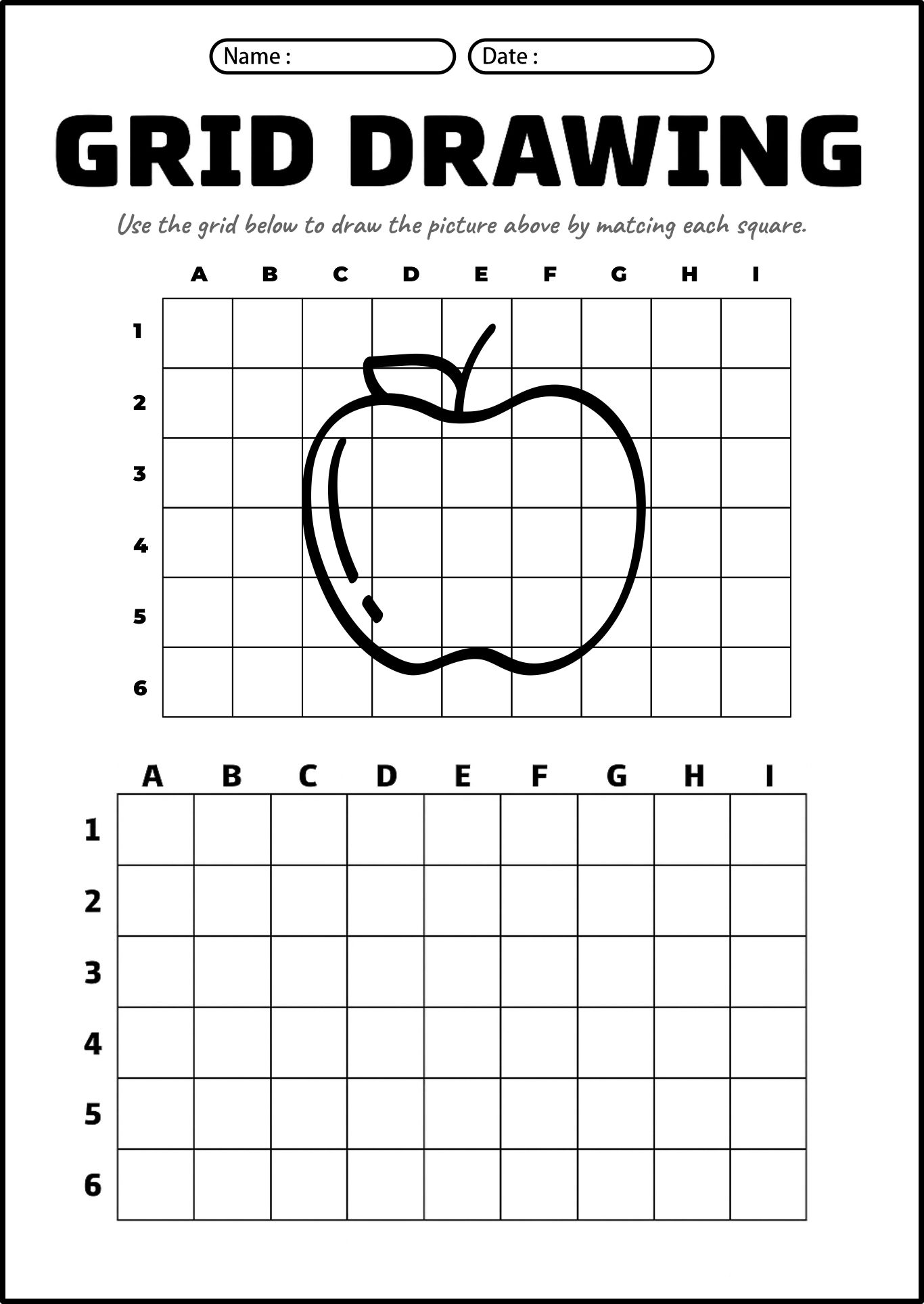
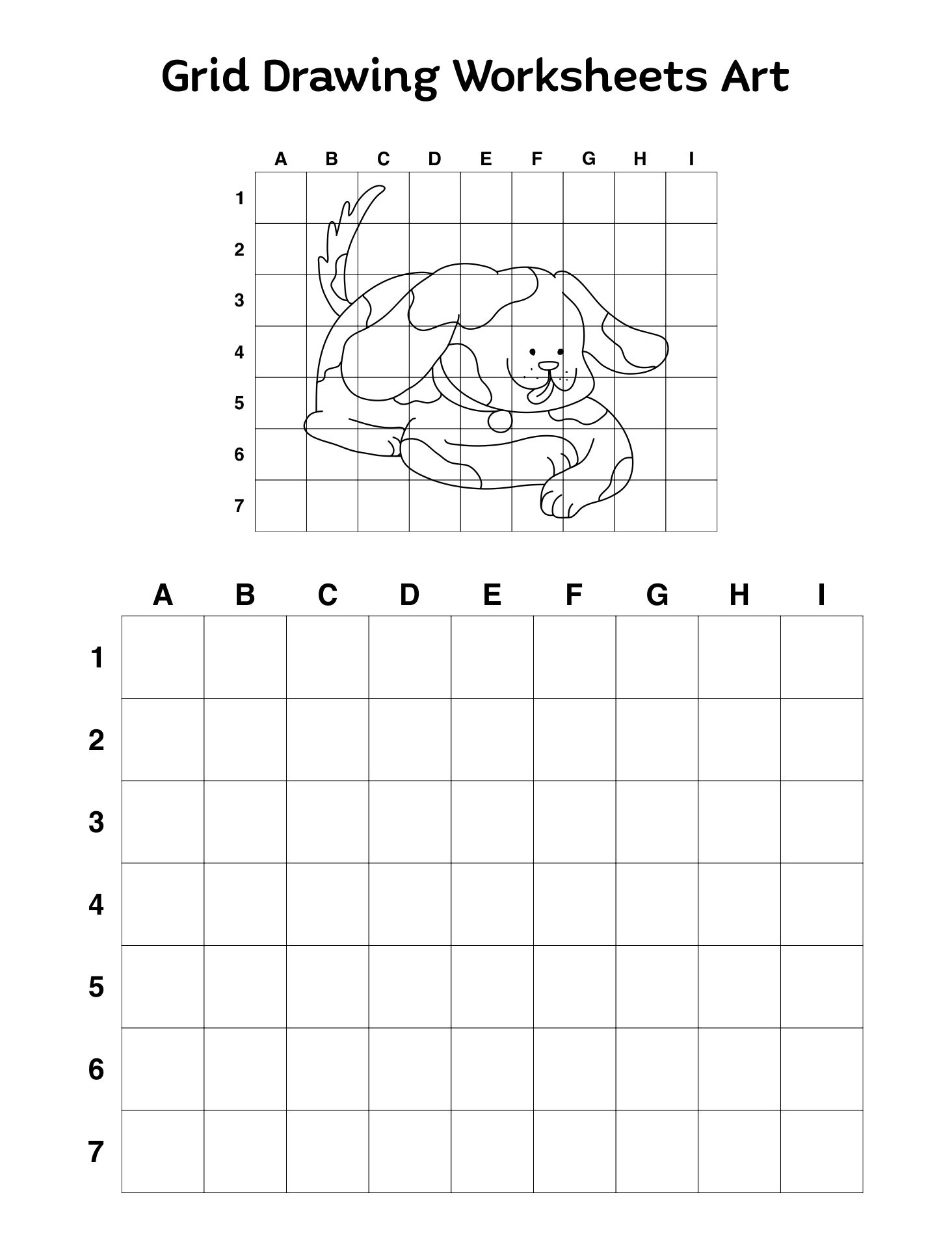
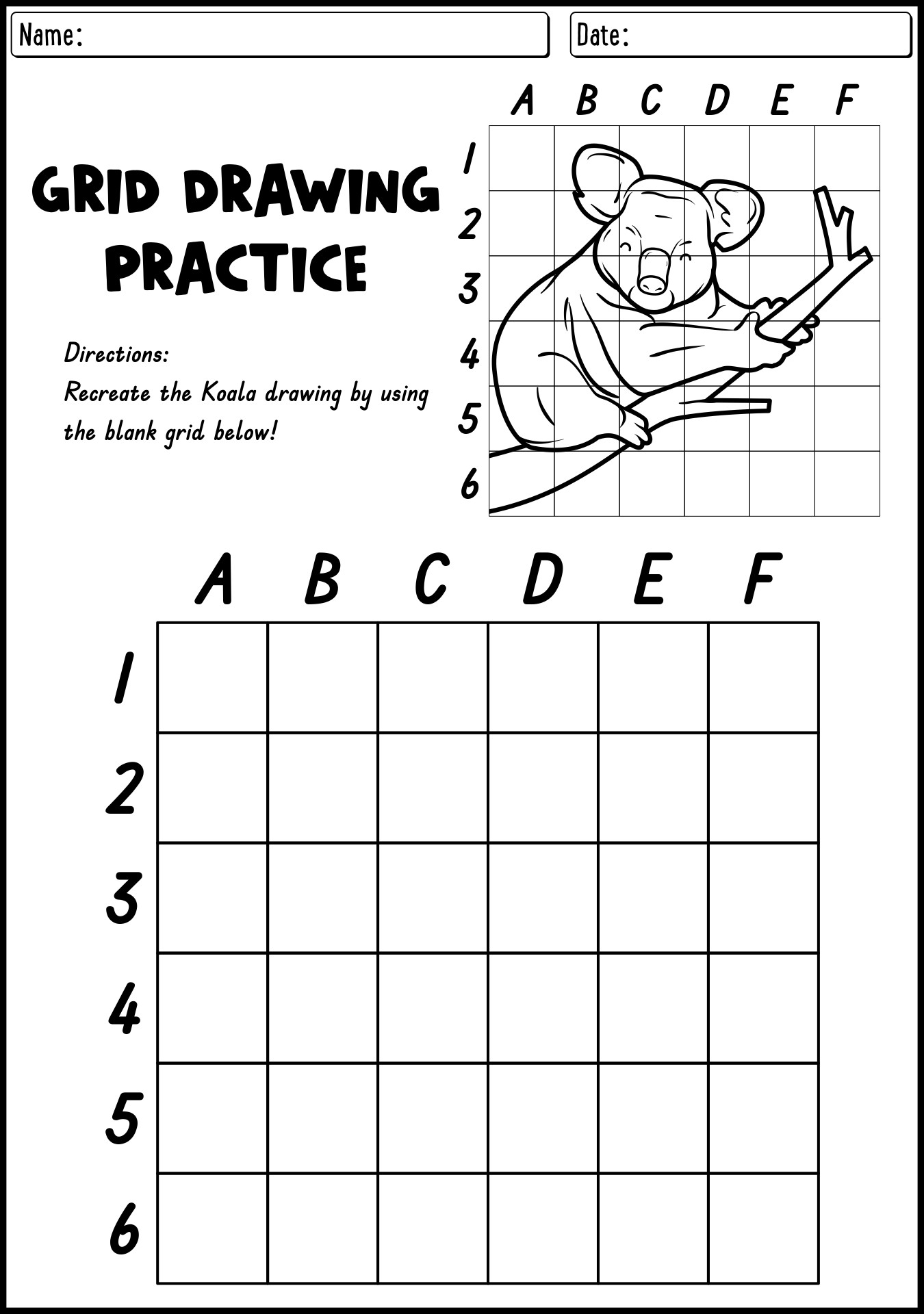
Drawing grid line methodology involves breaking complex visual information into manageable geometric squares, significantly enhancing spatial processing and fine-motor coordination in early childhood learners. According to the National Association for the Education of Young Children (NAEYC), structured visual-spatial activities fundamentally support early mathematical reasoning and observational accuracy during formative developmental years. Educators and caregivers frequently employ printable worksheets and real photo Photo Flashcards to bridge concrete visual references with abstract drawing skills. This structured approach helps children transition from unguided scribbling to precise observational rendering.
Visual Learning & Skill Snapshot:
- Core Focus: Utilizing a coordinate-based system of squares to replicate images accurately across varying scales.
- Target Skill: Spatial reasoning, visual discrimination, fine-motor proportion, and photo-based concept mastery.
- Key Recommendation: Pair high-contrast printable grids with real photographic reference cards to accelerate cognitive mapping.
Core Principles and Visual Learning Overview
Drawing grid line techniques function by dividing an image into a matrix of smaller coordinates, forcing the human brain to process individual segments rather than overwhelming global shapes. When children engage with Grid Drawing exercises, visual cortex neurons activate to analyze line orientation, negative space, and proportional scaling within confined borders. This analytical process strengthens hand-eye coordination while reducing the cognitive fatigue commonly associated with freehand drawing of complex subjects. Integrating structured Educational Activities featuring real photographic stimuli ensures that young learners anchor their artistic exercises in tangible, real-world observations.
Key Specifications and Breakdown
| Age / Learning Stage | Visual Skill & Grid Ratio | Pedagogical Application & Scaffolding |
|---|---|---|
| Ages 4–5 (Early Explorer) | 2×2 or 3×3 simple square matrix | Focuses on basic shape recognition and line matching using bold, high-contrast photographic subjects. |
| Ages 6–7 (Developing Artist) | 4×4 balanced coordinate grid | Emphasizes proportion estimation, corner-to-corner diagonal tracking, and detailed botanical or animal subjects. |
| Ages 8+ (Advanced Beginner) | 5×5 or larger dense grid matrix | Teaches advanced spatial scaling, intricate pattern replication, and micro-observation of real photo references. |
Systematic visual breaking through geometric gridlines enhances cognitive mapping, executive function, and bilateral motor planning in pediatric learners. — National Art Education Association (NAEA)
Step-by-Step Practical Application and Printing Guidelines
Executing drawing grid line lessons successfully requires pairing a high-contrast reference photo with a matching blank grid worksheet printed at a clear, 100-percent scale without distortion. Instructors should guide learners to focus on a single square at a time, checking where lines intersect horizontal and vertical grid axes before pencil touches paper. Using lightweight graphite pencils allows for effortless erasing and correction, fostering a growth mindset when proportions require adjustment. Standardizing line weights and numbering grid rows (letters on one axis, numbers on the other) further reinforces early literacy, coordinate tracking, and orderly analytical habits.
Common Challenges and How to Avoid Them
Overcoming visual frustration during grid-based drawing requires addressing the tendency of young children to look only at the entire picture instead of isolated squares. Educators should provide masking tools, such as index cards with cut-out windows, to isolate individual grid cells and minimize visual clutter. Another frequent hurdle involves scale distortion, which is easily prevented by ensuring the source photograph and the target drawing sheet maintain identical aspect ratios. Patience and positive reinforcement during these initial coordination hurdles ensure sustained engagement and steady mastery of visual-spatial proportions.
💬 Frequently Asked Questions
Explore More Free Learning Printables and Visual Activities on WePhotoAgency
Accessing comprehensive educational resources empowers parents, homeschoolers, and classroom teachers to deliver engaging, structured visual arts curricula. Explore the complete collection of developmental worksheets, photographic flashcards, and spatial reasoning exercises available directly through the library at WePhotoAgency.com to support continuous cognitive and artistic growth.
Visual Reference Gallery