Introduction
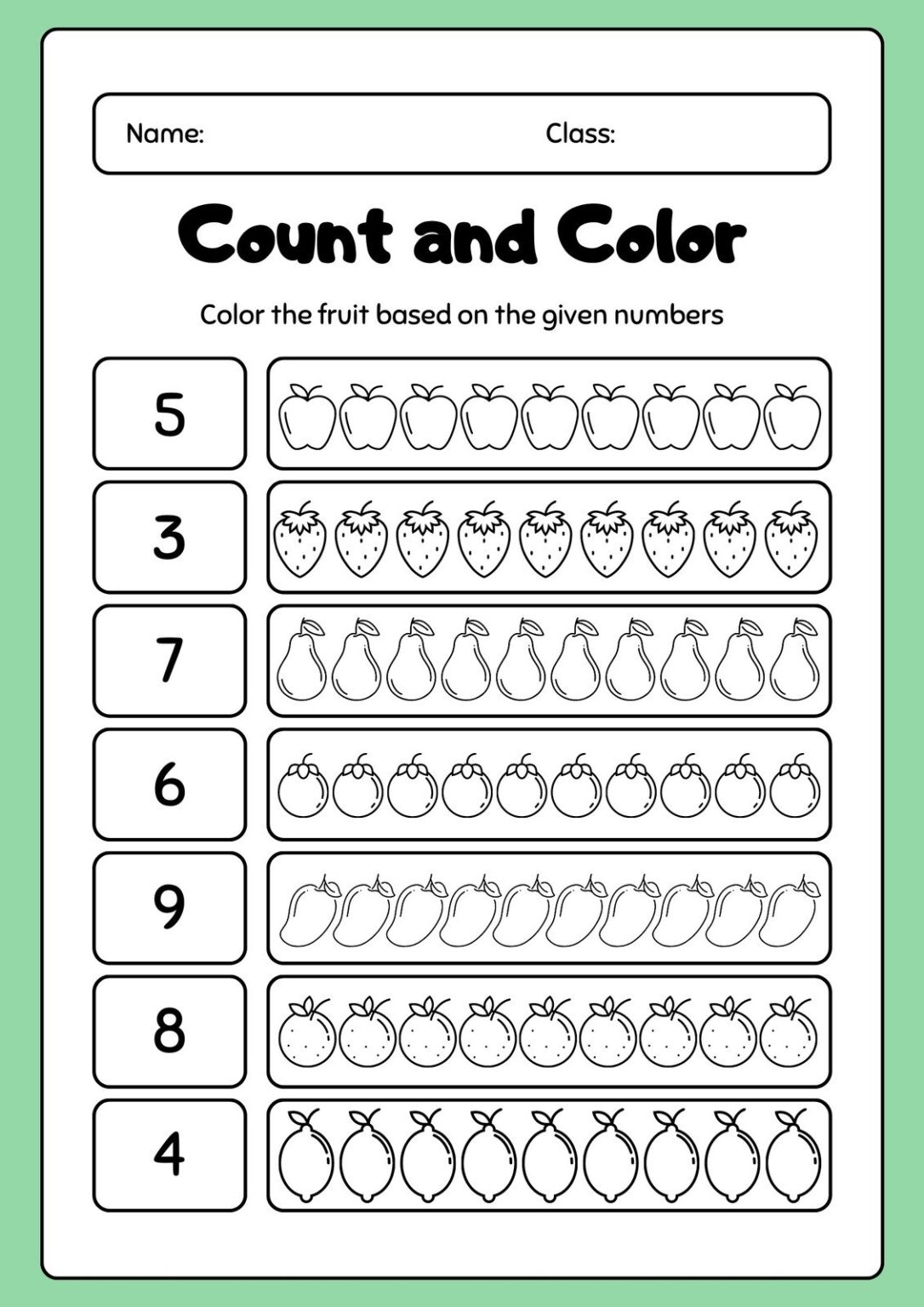
Fun educational activities for kids are structured, play-based pedagogical tasks that actively develop spatial awareness, visual discrimination, and fine motor precision through hands-on practice. According to the National Association for the Education of Young Children (NAEYC), intentionally designed tactile and visual learning experiences significantly enhance cognitive growth and neurological connectivity in young children. Integrating printable grid drawing worksheets and realistic photography resources bridges creative expression with foundational mathematics and visual arts competencies. Educators and parents seeking effective Educational Activities can leverage structured observation exercises to foster early academic success.
Visual Learning & Skill Snapshot:
- Core Focus: Fun educational activities for kids combine grid scaling, photo observation, and spatial estimation.
- Target Skill: Spatial reasoning, visual discrimination, fine-motor proportion, and photo-based concept mastery.
- Key Recommendation: Use high-contrast photo assets and proportional grids to bridge concrete observation with abstract representation.
Core Principles and Visual Learning Overview
Proportion estimation and observation skills form the foundation of visual literacy, requiring children to decode complex forms into manageable geometric segments. Utilizing Grid Drawing worksheets allows young learners to isolate single coordinate squares, reducing cognitive overload and teaching meticulous visual tracking. Simultaneously, incorporating realistic Photo Flashcards engages authentic cognitive processing by challenging children to categorize, analyze, and replicate real-world objects rather than simplified cartoons. These methodology-backed exercises systematically develop hand-eye coordination, executive functioning, and mathematical grid-mapping abilities simultaneously.
Key Specifications and Breakdown
| Age / Learning Stage | Visual Skill & Grid Ratio | Pedagogical Application & Scaffolding |
|---|---|---|
| Ages 3-4 (Early Preschool) | Basic 2×2 or 3×3 photo matching grids | Match identical real-world photographic cards to develop visual discrimination and vocabulary. |
| Ages 5-7 (Kindergarten / Early Elementary) | 4×4 proportional coordinate transfer | Reproduce simple line drawings square-by-square using tactile drawing templates. |
| Ages 8-10 (Upper Elementary / Homeschool) | Complex multi-grid photographic scaling | Translate high-resolution photographic details into precise hand-drawn proportional illustrations. |
Structured visual activities stimulate bilateral brain activation, spatial working memory, and fine motor dexterity through deliberate observational practice. — National Art Education Association (NAEA)
Step-by-Step Practical Application and Printing Guidelines
Implementing printable visual exercises effectively requires precise preparation, high-resolution printing, and controlled workspace setups. Begin by selecting high-contrast, durable cardstock for all worksheets and flashcard sets to withstand repeated tactile handling by young learners. Instructors should introduce one coordinate square at a time using opaque paper masks to reduce visual distraction and encourage hyper-focused line observation. Ensure pencils are sharply maintained and reference photographs are placed directly adjacent to the working grid to optimize ergonomic viewing angles and minimize parallax errors.
Common Challenges and How to Avoid Them
Frustration during visual proportion tasks typically stems from attempting overly complex grid matrices before foundational tracking skills are fully established. Educators can easily resolve this by scaling down matrix density—starting with larger 2-inch grid squares before advancing to standard 1-inch formats. When children struggle with shape placement, encourage them to look at empty negative space rather than the object outline, shifting cognitive processing from symbolic naming to pure geometric observation.
💬 Frequently Asked Questions
Explore More Free Learning Printables and Visual Activities on WePhotoAgency
Discover an extensive library of professional educational resources designed to elevate spatial reasoning and visual arts mastery by visiting WePhotoAgency.com. Educators, parents, and homeschool specialists can immediately access hundreds of downloadable worksheets, structured drawing guides, and high-resolution photo learning materials tailored for every developmental milestone.
Visual Reference Gallery