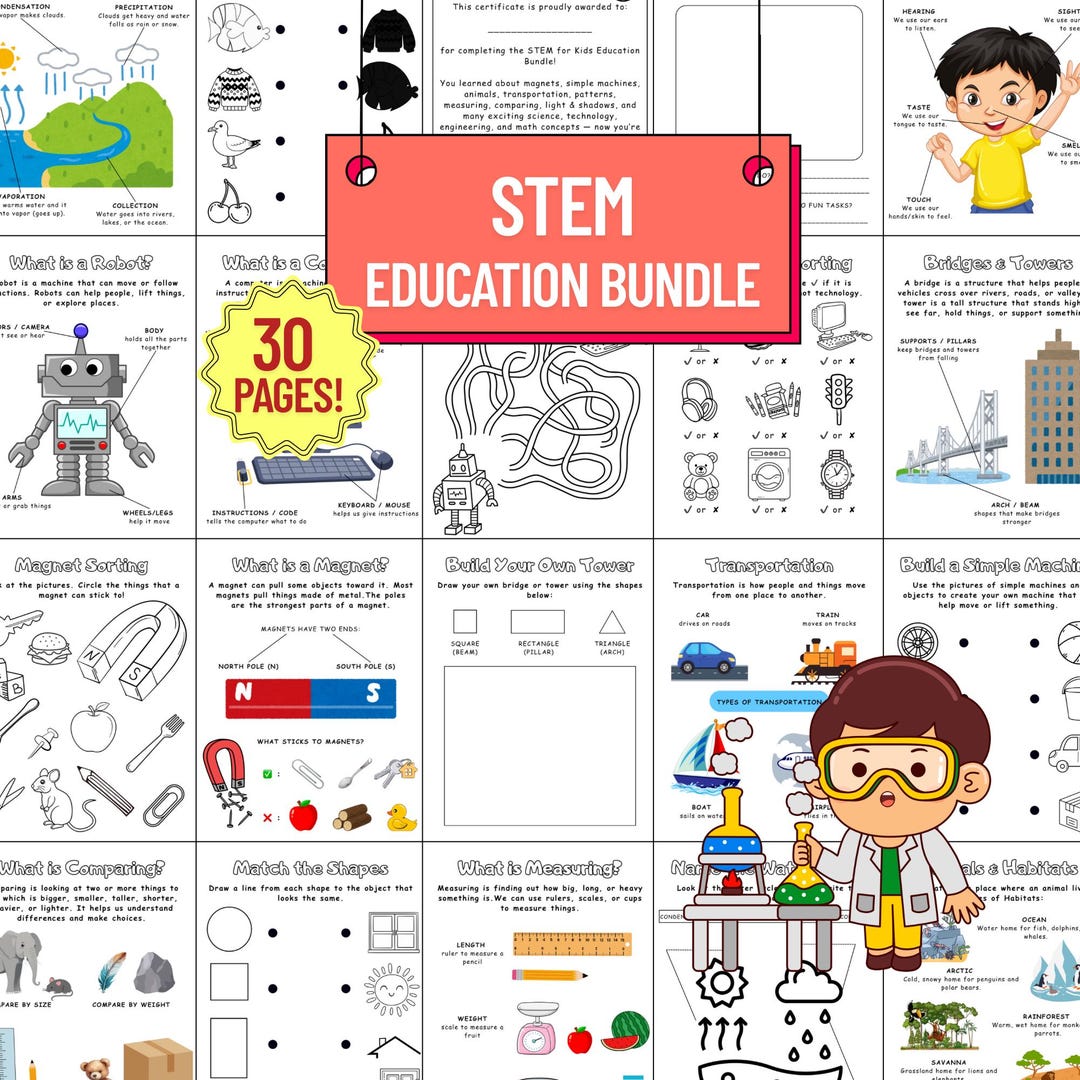
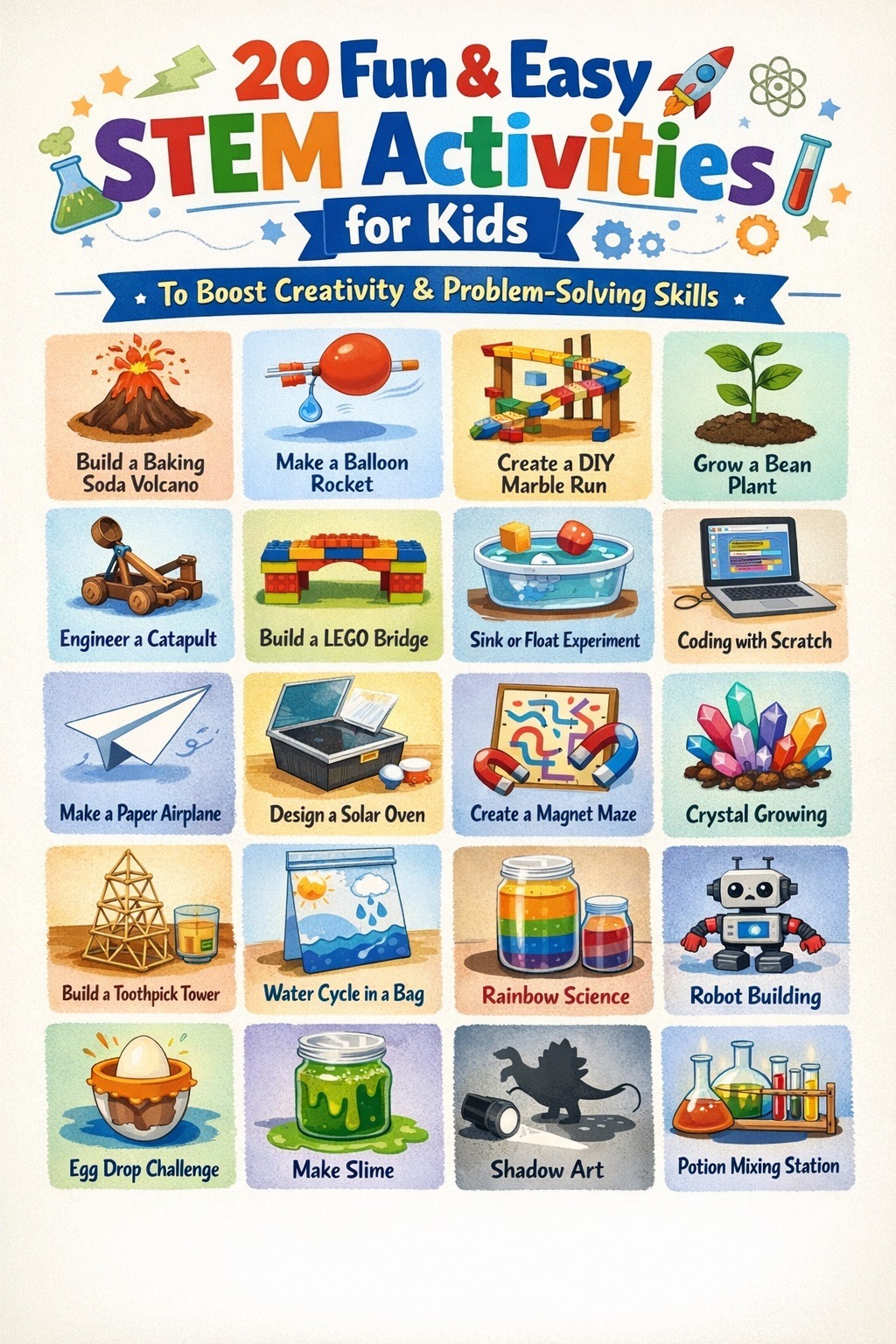
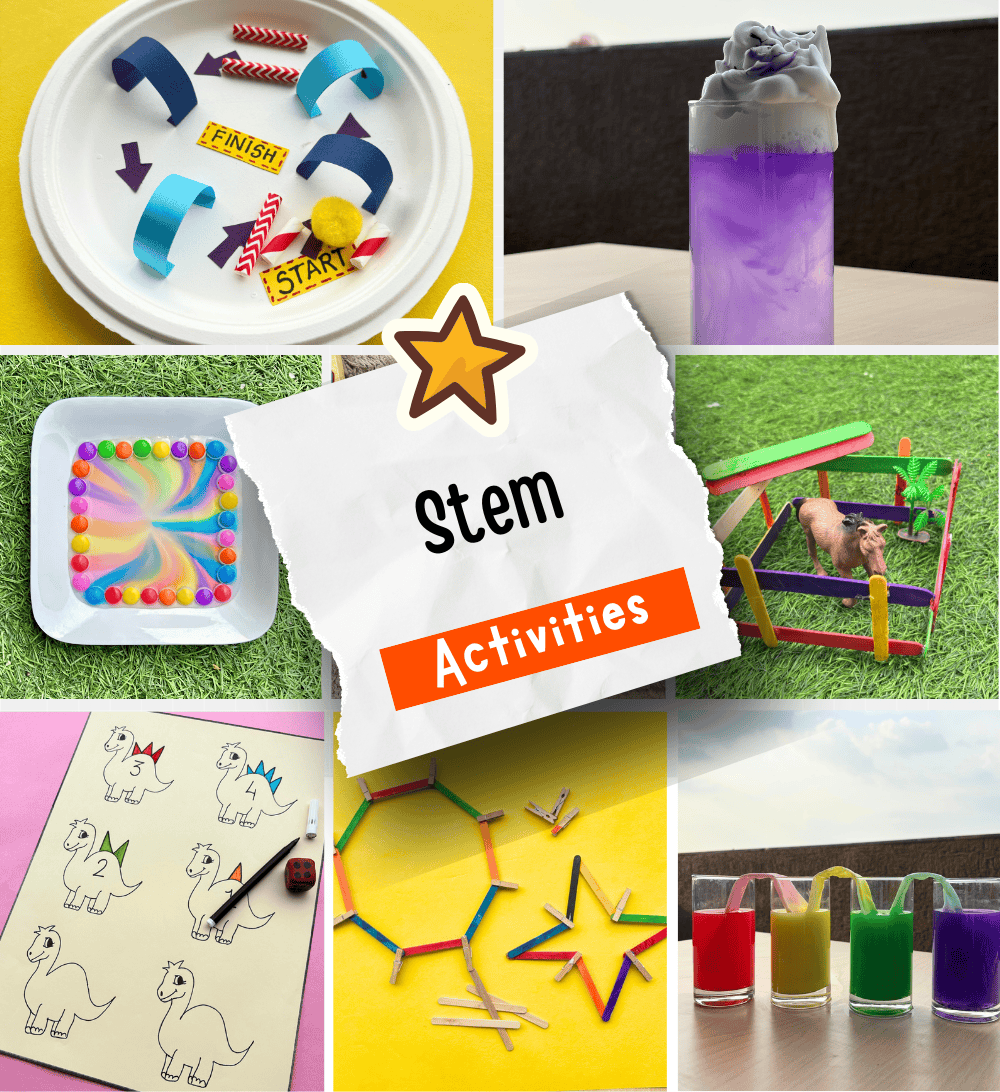
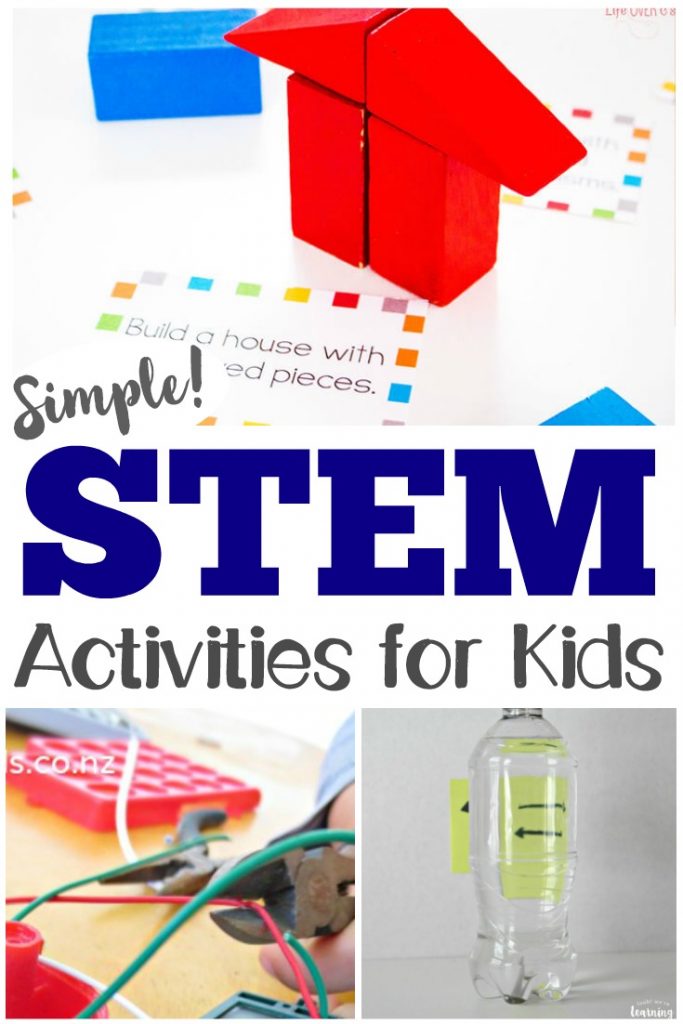
Introduction
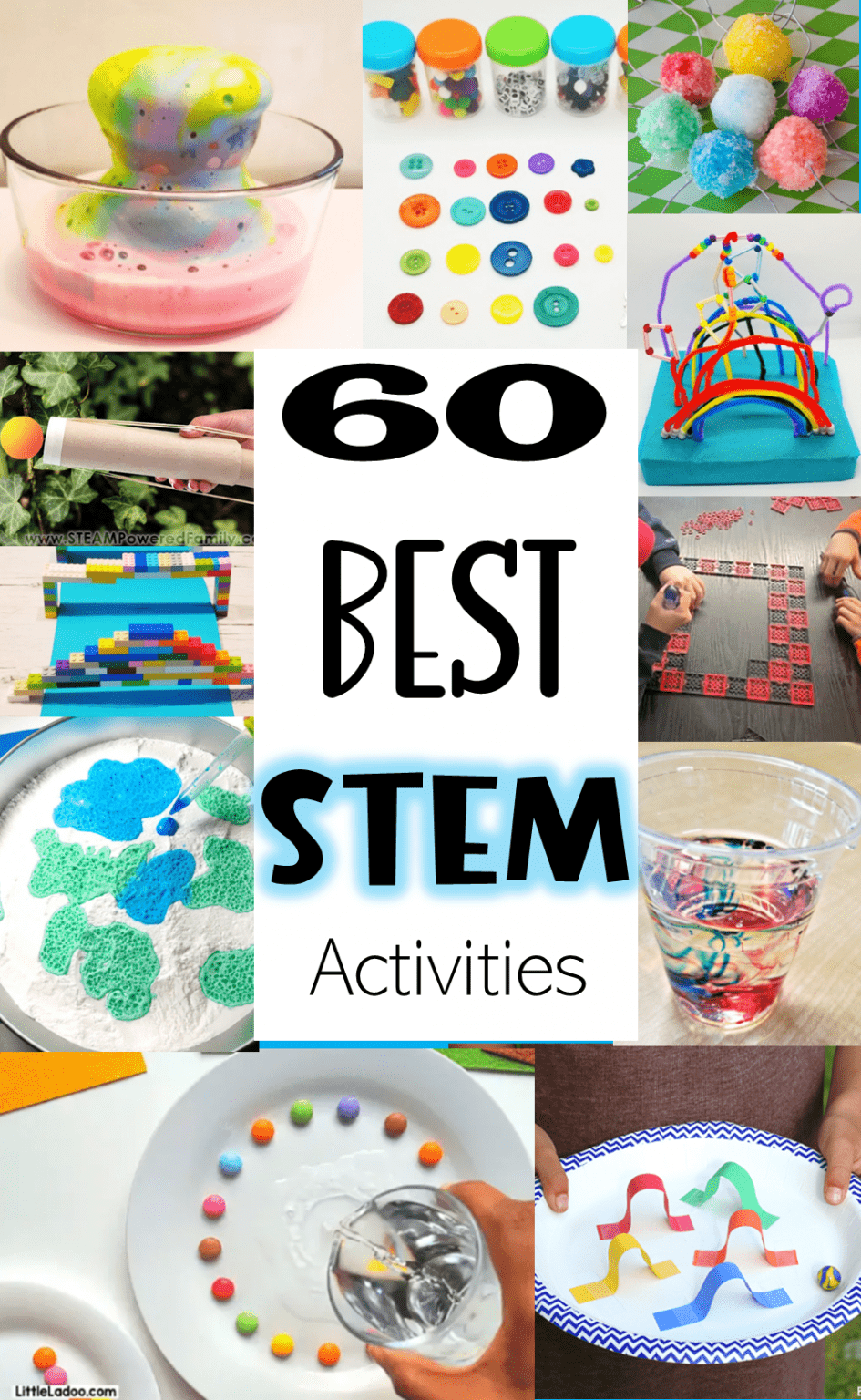
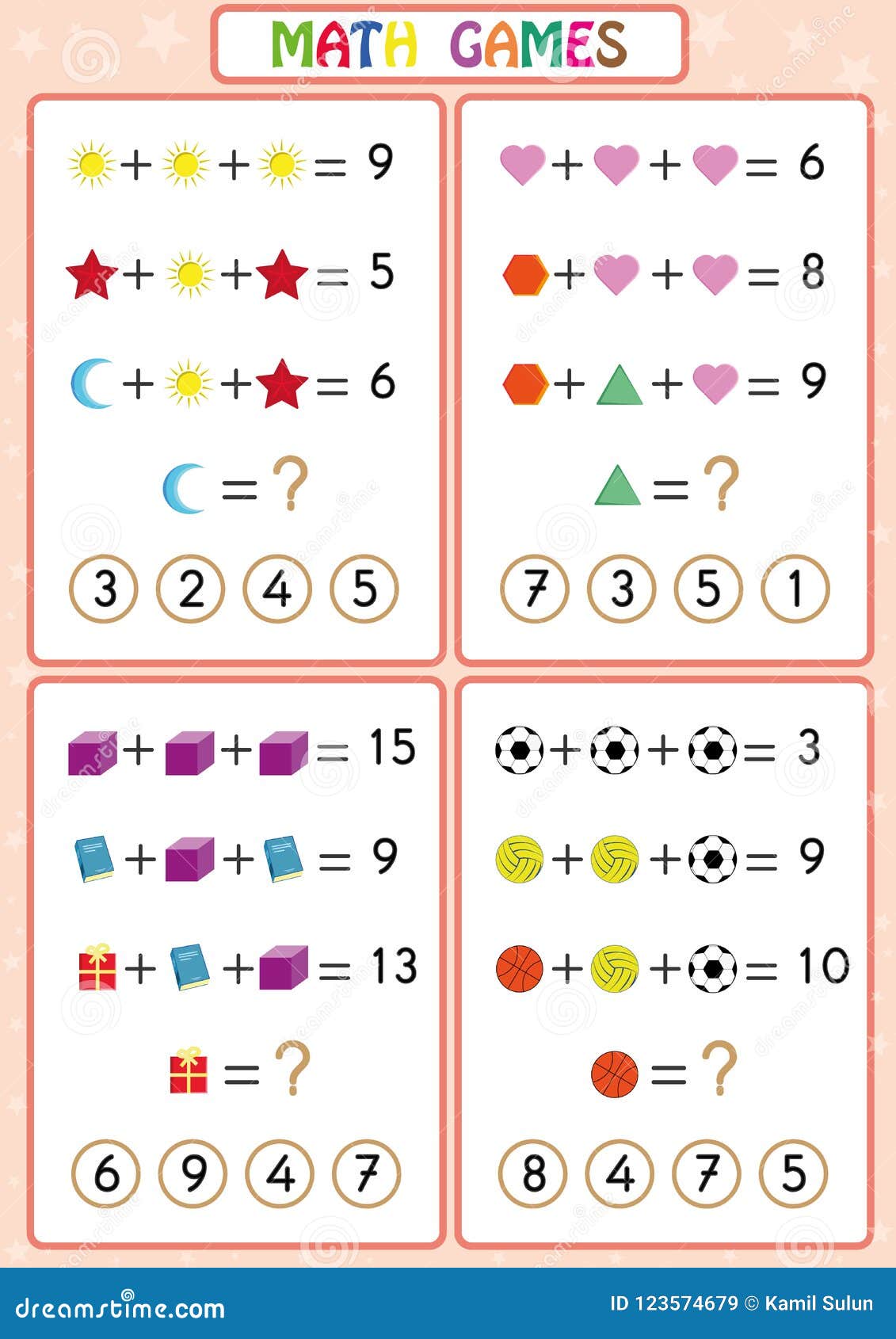
Stem activities for kids with autism provide structured, visually anchored pathways that translate abstract concepts into tangible cognitive gains through systematic spatial reasoning. According to the National Association for the Education of Young Children (NAEYC), structured visual supports and concrete manipulatives significantly enhance mathematical and spatial processing in early childhood development. This framework integrates printable grid drawing worksheets, real photo visual flashcards, and hands-on tactile exercises to build robust observation skills and proportion estimation. Educators and caregivers can leverage these materials to bridge visual arts and STEM education, supporting learners who thrive on predictability and visual clarity. Explore curated resources within Educational Activities to expand foundational learning opportunities.
Visual Learning & Skill Snapshot:
- Core Focus: Implementing structured visual STEM frameworks tailored for autistic learners.
- Target Skill: Spatial reasoning, visual discrimination, fine-motor proportion, and photo-based concept mastery.
- Key Recommendation: Pair high-contrast real photo flashcards with symmetrical grid boundaries to reduce sensory overload and focus attention.
Core Principles and Visual Learning Overview
Visual learning methodologies leverage concrete photographic evidence and geometric grids to ground abstract scientific and mathematical concepts for neurodivergent children. Stem activities for kids with autism depend heavily on breaking complex wholes into manageable, isolated components using rigorous spatial frameworks. By utilizing real-world imagery rather than stylized cartoons, learners process details without the distraction of ambiguous artistic interpretations. Integrating resources found in Photo Flashcards helps establish direct equivalencies between physical objects and their graphical representations. Simultaneously, structured geometric boundaries stabilize hand-eye coordination, supporting proportional accuracy during drawing tasks.
Key Specifications and Breakdown
| Age / Learning Stage | Visual Skill & Grid Ratio | Pedagogical Application & Scaffolding |
|---|---|---|
| Early Years (Ages 3-4) | 1×1 to 2×2 Simple Grids | Utilize bold-bordered photo flashcards matched to tactile objects for basic category sorting. |
| Early Elementary (Ages 5-7) | 3×3 to 4×4 Standard Grids | Implement foundational Grid Drawing sheets to practice proportion estimation. |
| Advanced Primary (Ages 8-10) | 5×5 and High-Density Grids | Scale complex architectural and biological photographic references for fine-motor precision. |
Structured visual supports reliably scaffold cognitive processing and lower anxiety by establishing predictable spatial boundaries for early learners. — National Art Education Association (NAEA)
Step-by-Step Practical Application and Printing Guidelines
Executing effective visual STEM lessons requires high-contrast printing, durable lamination, and distraction-free workspace preparation. Caregivers should print worksheets on matte cardstock to eliminate glare, which can trigger sensory sensitivities in autistic children. Begin by presenting a single reference image alongside a blank, identically proportioned grid to clearly demonstrate expectations. Guide the child to isolate one grid square at a time, checking off completed sections to foster a sense of accomplishment and sequential order. This step-by-step approach reinforces executive functioning, turning multi-step drawing or sorting exercises into achievable milestones.
Common Challenges and How to Avoid Them
Over-complication and visual clutter represent the primary obstacles when introducing technical drawing and spatial tasks to young neurodivergent students. Prevent frustration by scaling down grid complexity immediately if the learner exhibits signs of sensory fatigue or task avoidance. Ensure that reference images feature isolated subjects against neutral backgrounds to prevent perceptual confusion regarding foreground and background elements. Maintaining consistent physical placement of tools—such as placing pencils and templates in identical designated zones—further reduces cognitive friction and supports independent execution.
💬 Frequently Asked Questions
Explore More Free Learning Printables and Visual Activities on WePhotoAgency
Discover a comprehensive suite of adaptable learning tools designed to support diverse cognitive needs across home and classroom environments. Educators and parents can access growing digital libraries, expert instructional guides, and specialized visual assets by visiting WePhotoAgency.com to elevate daily educational routines.
Visual Reference Gallery