Introduction
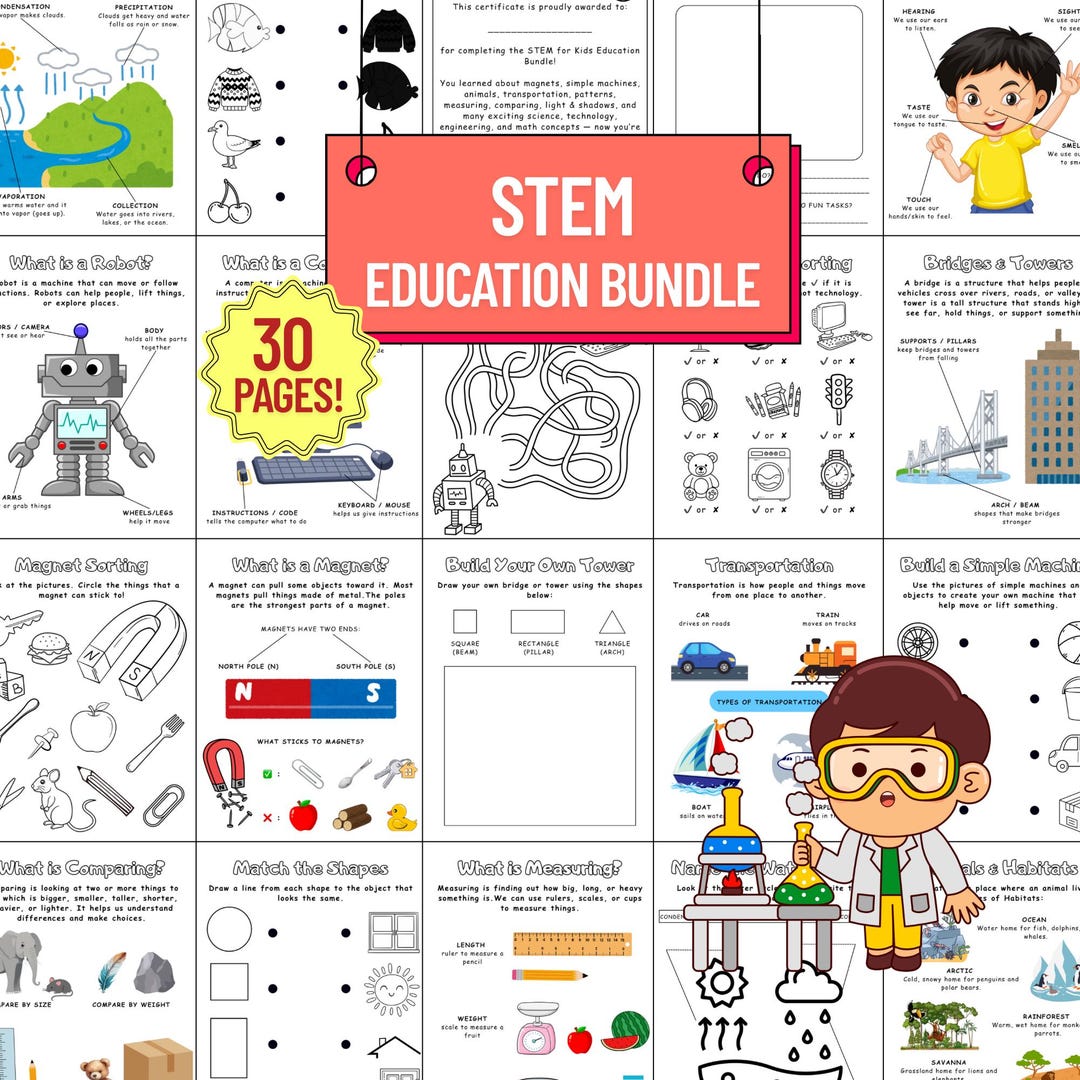
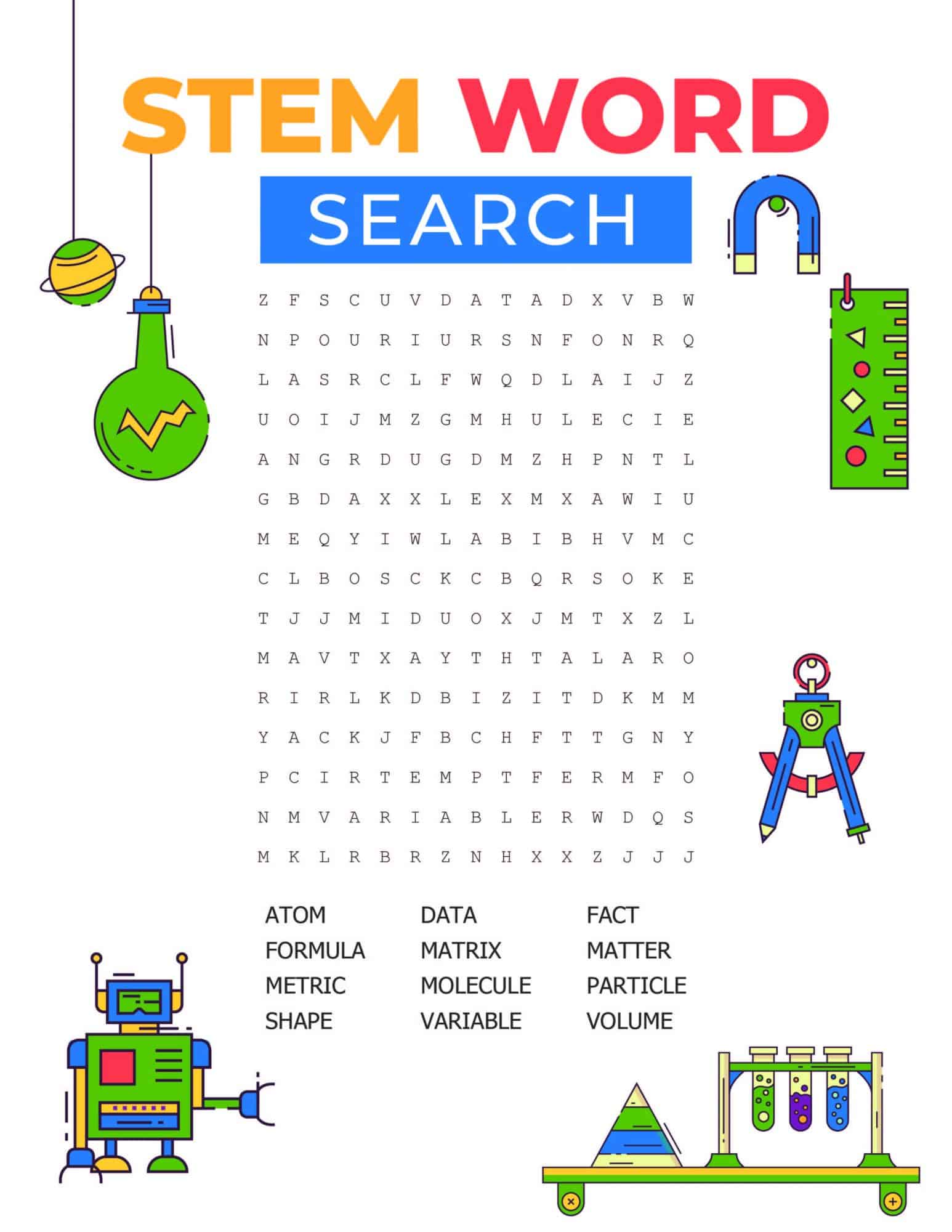
Science and stem activities for kids fundamentally integrate empirical observation, spatial reasoning, and visual art methodologies to accelerate early cognitive development. According to the National Association for the Education of Young Children (NAEYC), intentional engagement with visual-spatial materials during early childhood directly strengthens neural pathways responsible for mathematical and scientific problem-solving. Implementing structured educational activities grounds abstract STEM concepts into tangible, hands-on learning experiences for young children. Integrating high-contrast imagery and methodical observation tools prepares developing minds for complex analytical thinking without relying on passive screen time.
Visual Learning & Skill Snapshot:
- Core Focus: Hands-on science and stem activities for kids utilizing grid systems and photographic observation.
- Target Skill: Spatial reasoning, visual discrimination, fine-motor proportion, and photo-based concept mastery.
- Key Recommendation: Pair high-resolution photographic reference cards with scaled geometric grids to anchor observation skills.
Core Principles and Visual Learning Overview
Spatial awareness and proportional estimation form the bedrock of scientific inquiry and artistic rendering in early elementary education. Utilizing specialized grid drawing templates teaches children to break complex visual data down into manageable coordinates, mirroring the analytical processes used in cartography and biological taxonomy. Simultaneously, deploying high-detail photo flashcards challenges children to observe minute textures, accurate lighting, and structural symmetries found in nature and architecture. Educators bridge the arts and sciences by requiring children to measure, compare, and replicate these visual elements using precise grid intersections and ruler-guided fine motor coordination.
Key Specifications and Breakdown
| Age / Learning Stage | Visual Skill & Grid Ratio | Pedagogical Application & Scaffolding |
|---|---|---|
| Ages 4-5 (Early Explorers) | 2×2 or 3×3 simple coordinate grids | Focuses on basic shape recognition and macro-proportion estimation using large photographic subjects. |
| Ages 6-7 (Developing Analysts) | 4×4 standard geometric grid mapping | Introduces line continuity, angle assessment, and direct comparison with real-world photo flashcards. |
| Ages 8-9 (Advanced Observers) | 6×6 high-density coordinate scaling | Demands meticulous fine-motor precision, mirror-image symmetry, and scientific botanical or anatomical drawing. |
Structured visual art techniques actively stimulate cognitive development, spatial memory, and mathematical proportion analysis in early childhood. — National Art Education Association (NAEA)
Step-by-Step Practical Application and Printing Guidelines
Executing effective science and stem activities for kids requires high-contrast printouts, stable writing surfaces, and clear step-by-step adult facilitation. Educators and parents must print reference cards and grid worksheets at 100 percent scale without auto-fit scaling distortions to ensure exact coordinate proportions remain intact. Instruct learners to observe the reference image block-by-block, counting grid squares horizontally and vertically before sketching pencil guidelines. This systematic scanning method transforms a daunting artistic task into a manageable engineering puzzle, building sequential logic and patience alongside manual dexterity.
Common Challenges and How to Avoid Them
Children frequently struggle with grid drawing and spatial scaling when attempting to copy an entire image at once instead of focusing on individual coordinate boxes. Prevent frustration by providing opaque view-finder cards that isolate a single square of the photograph at a time, allowing the child to concentrate solely on localized lines and negative space. Furthermore, ensure that printing resolutions remain sharp and clear; blurred reference photos obscure critical biological or architectural details necessary for authentic scientific observation.
💬 Frequently Asked Questions
Explore More Free Learning Printables and Visual Activities on WePhotoAgency
Empowering young learners with cross-curricular tools requires accessible, high-quality resources designed by experienced educators and developmental specialists. Discover a comprehensive library of downloadable visual worksheets, spatial reasoning guides, and observational learning tools directly at WePhotoAgency.com to elevate daily instruction at home or in the classroom.
Visual Reference Gallery