Introduction
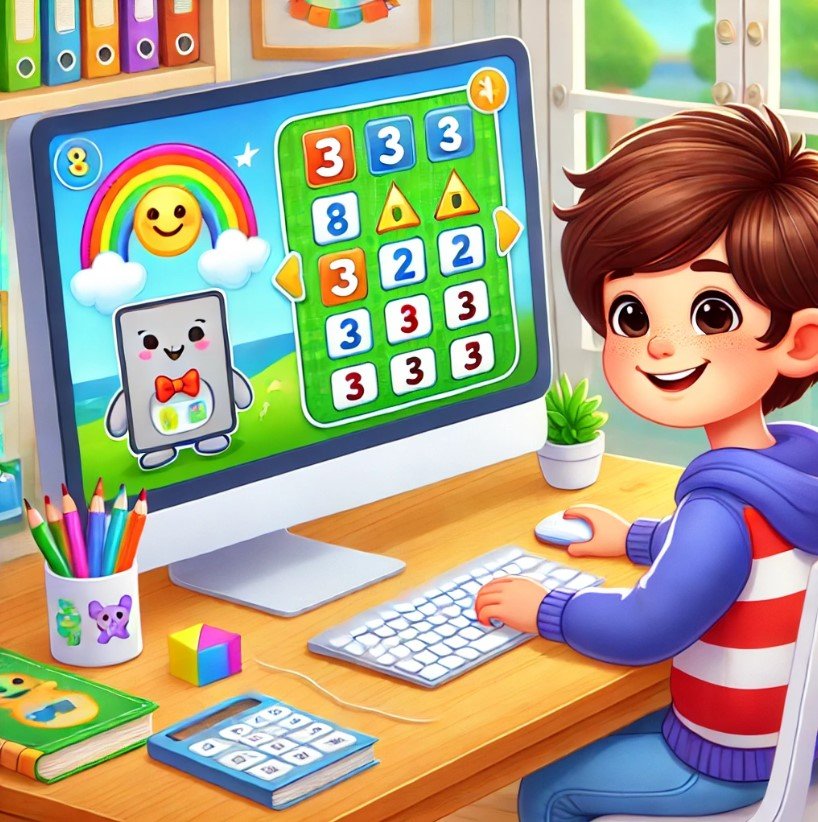
Fun educational games for kids on computer serve as dynamic digital portals that reinforce foundational visual literacy, geometric coordination, and cognitive tracking when paired with tactile offline exercises. According to the National Association for the Education of Young Children (NAEYC), interactive digital media experiences are most cognitively beneficial when used as intentional bridges to tangible creative exploration and hands-on developmental materials. Children process structural relationships, proportions, and spatial orientation far more effectively when digital prompts translate directly into physical desk-level drafting and observation tasks. Bridging screen-based exploration with concrete Educational Activities establishes robust neural pathways for early elementary learners.
Visual Learning & Skill Snapshot:
- Core Focus: Integrating digital visual logic with physical grid drawing and real photography.
- Target Skill: Spatial reasoning, visual discrimination, fine-motor proportion, and photo-based concept mastery.
- Key Recommendation: Pair digital puzzles directly with printable offline scaling worksheets to secure motor-memory retention.
Core Principles and Visual Learning Overview
Visual learning mechanics operate successfully by transitioning a child’s gaze from an overarching visual whole to isolated compositional segments. When young minds engage with computer-based pattern recognition, they practice scanning coordinates, analyzing symmetry, and calculating visual distances. These digital exercises train the eye to isolate negative space and contours, serving as an ideal precursor to advanced structured drawing. Educators leverage Grid Drawing frameworks to break complex photographic reference images into manageable squares, teaching children how to accurately transfer coordinates from monitor displays to physical paper.
Key Specifications and Breakdown
| Age / Learning Stage | Visual Skill & Grid Ratio | Pedagogical Application & Scaffolding |
|---|---|---|
| Ages 4-5 (Early Primary) | 2×2 or 3×3 simple photo grids | Focuses on macro-shapes, primary colors, and basic flashcard sorting to build foundational visual tracking. |
| Ages 6-7 (Mid Elementary) | 4×4 proportional coordinate mapping | Emphasizes line continuity, angle estimation, and matching real photographic textures to drawn lines. |
| Ages 8-10 (Advanced Beginners) | 6×6 high-density observational matrices | Involves complex shading transitions, detailed proportion scaling, and independent photo analysis. |
Early childhood spatial cognition is significantly enhanced when digital visual prompts are immediately paired with tactile drawing and physical manipulation of real-world objects. — National Art Education Association (NAEA)
Step-by-Step Practical Application and Printing Guidelines
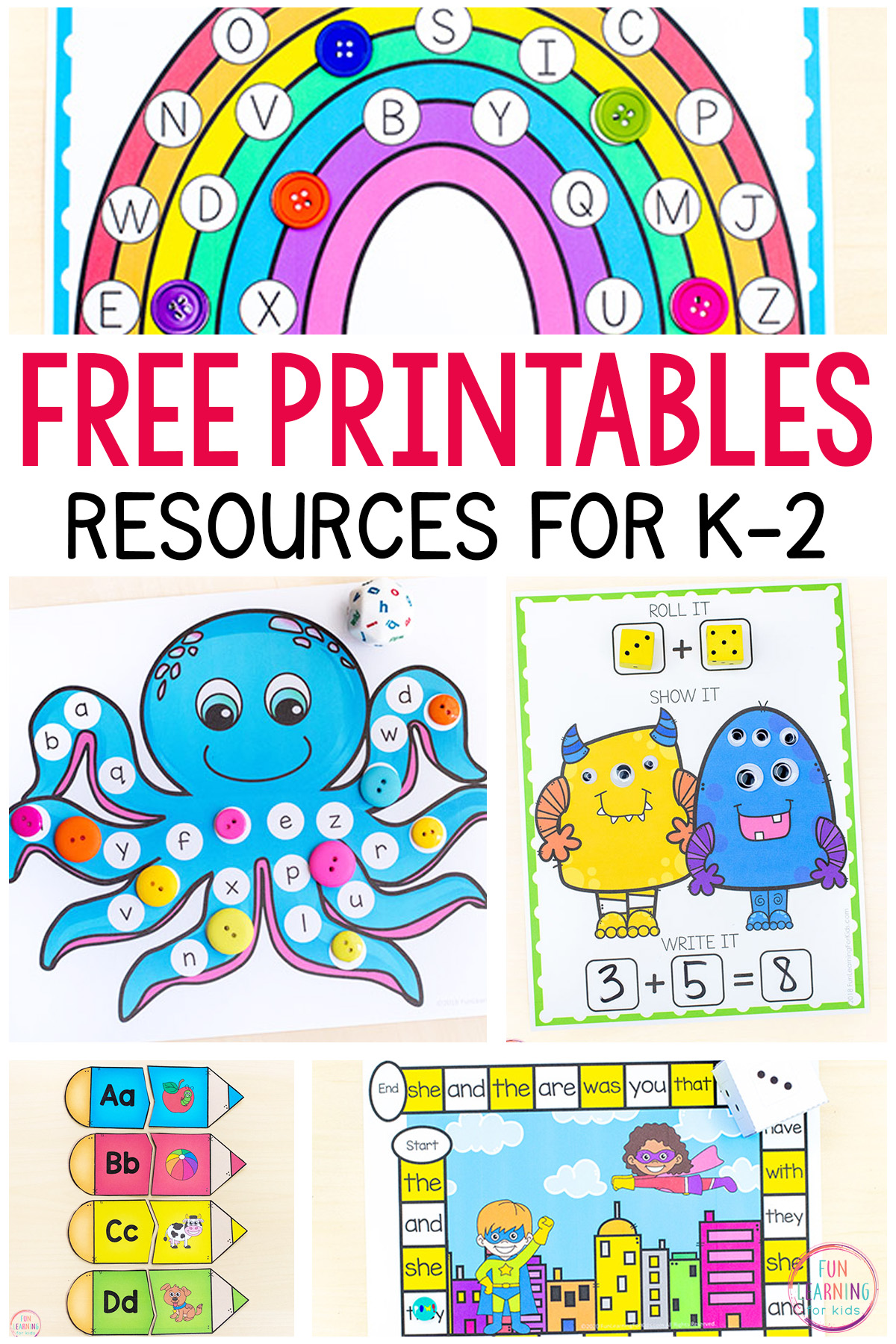
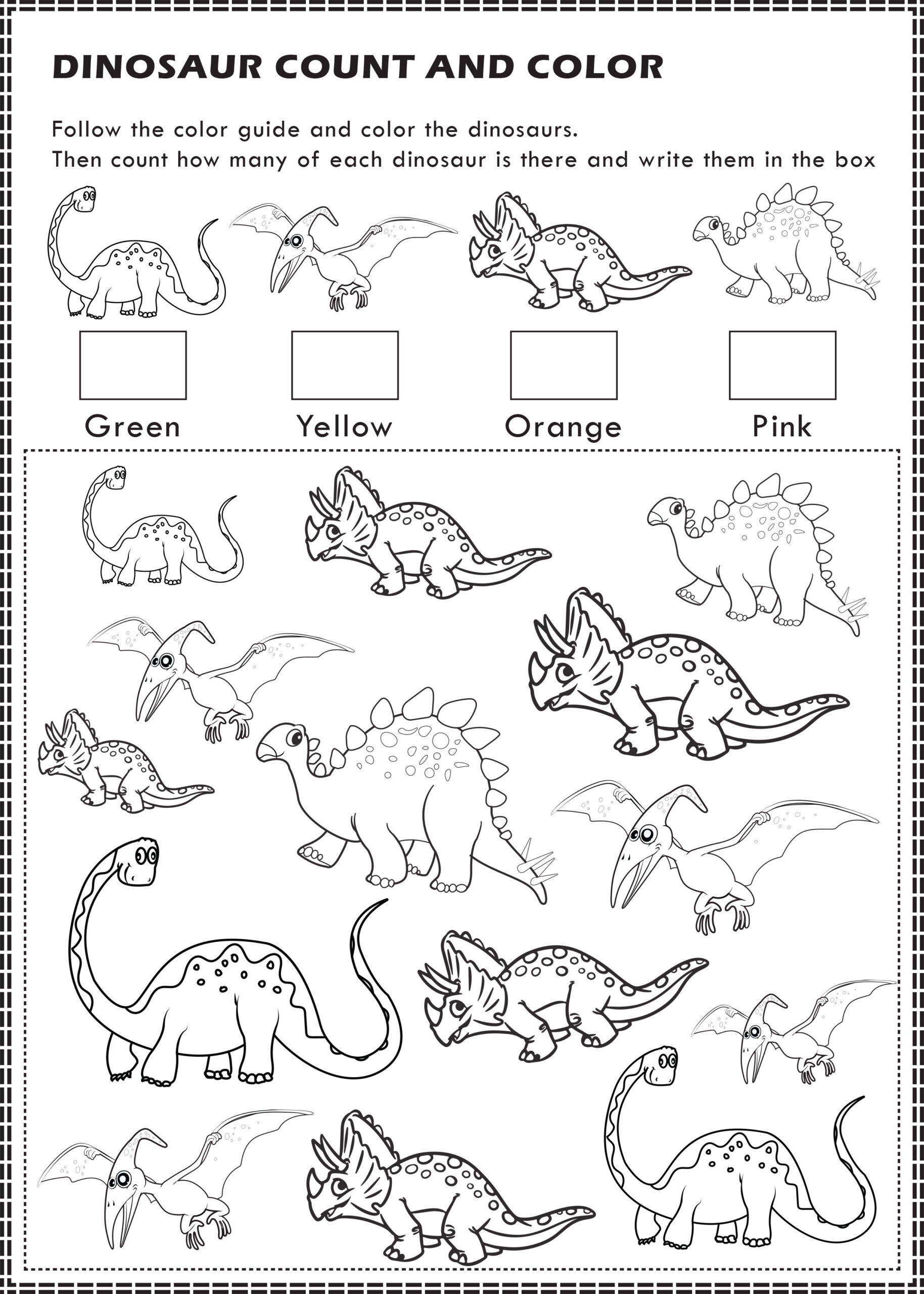
Executing an effective visual arts lesson requires careful coordination between screen viewing and physical desktop production. First, display the reference image on the computer monitor using high-contrast settings to highlight key structural outlines and focal points. Next, print out corresponding Photo Flashcards and grid worksheets on heavyweight matte cardstock to prevent pencil bleeding and eraser tearing. Instruct learners to isolate one grid square at a time, using a framing window or index card to block out surrounding visual noise. Finally, encourage children to measure angles with a straightedge before committing pencil strokes to paper, reinforcing systematic observation over hasty sketching.
Common Challenges and How to Avoid Them
Proportional distortion and cognitive overload represent the most frequent obstacles when children transition from computer visual games to physical drawing sheets. Learners frequently attempt to draw the entire image at once instead of systematically completing individual grid coordinates, resulting in skewed alignments. Educators and parents can mitigate this challenge by covering unworked sections of the worksheet, thereby reducing visual clutter and forcing focused attention on singular geometric cells. Emphasizing slow, deliberate tracking over speed ensures that children build authentic observational accuracy and fine-motor control.
💬 Frequently Asked Questions
Explore More Free Learning Printables and Visual Activities on WePhotoAgency
Empowering young artists requires a rich collection of professionally designed resources that bridge digital concepts with tactile execution. Discover an extensive library of free printable worksheets, structured drawing guides, and visual learning tools by visiting WePhotoAgency.com to elevate creative development in any classroom or home learning environment.
Visual Reference Gallery