Introduction
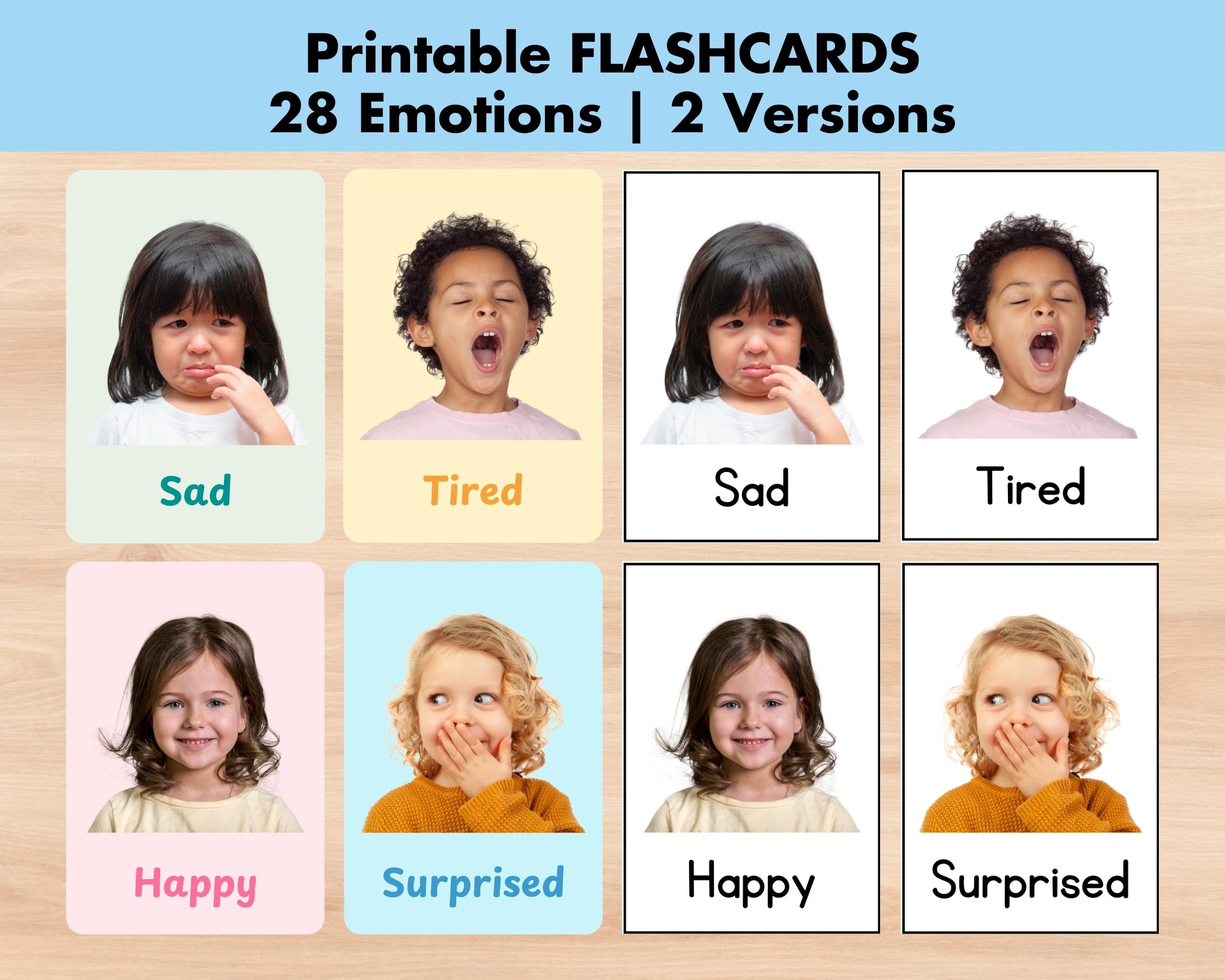
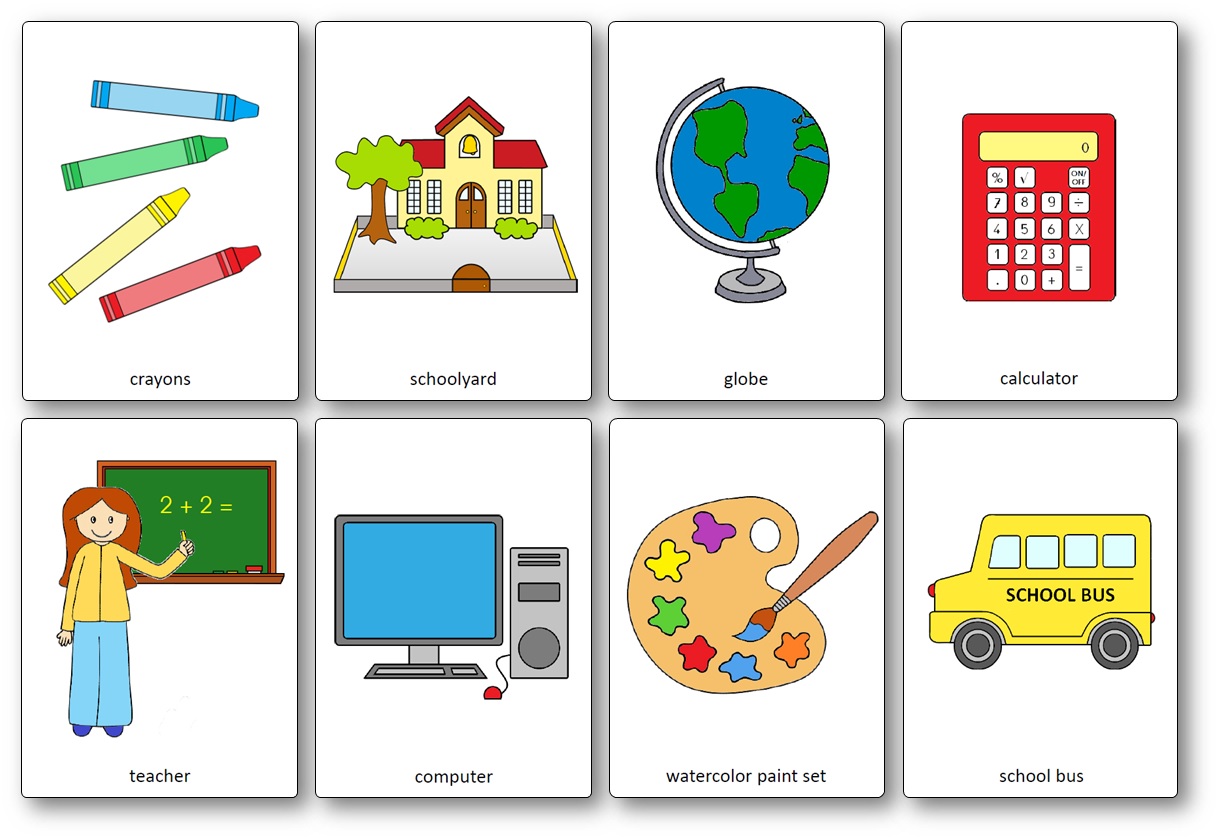
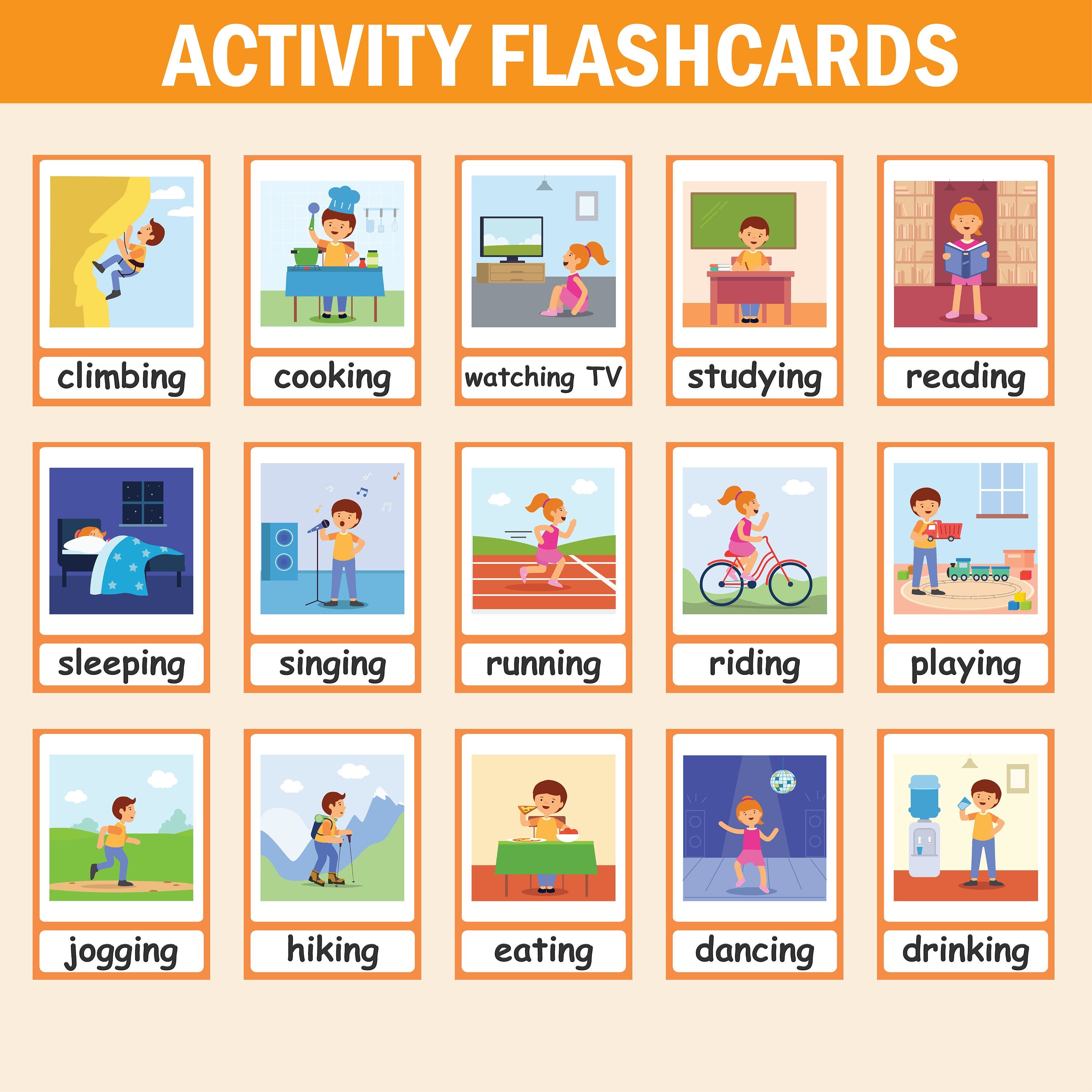
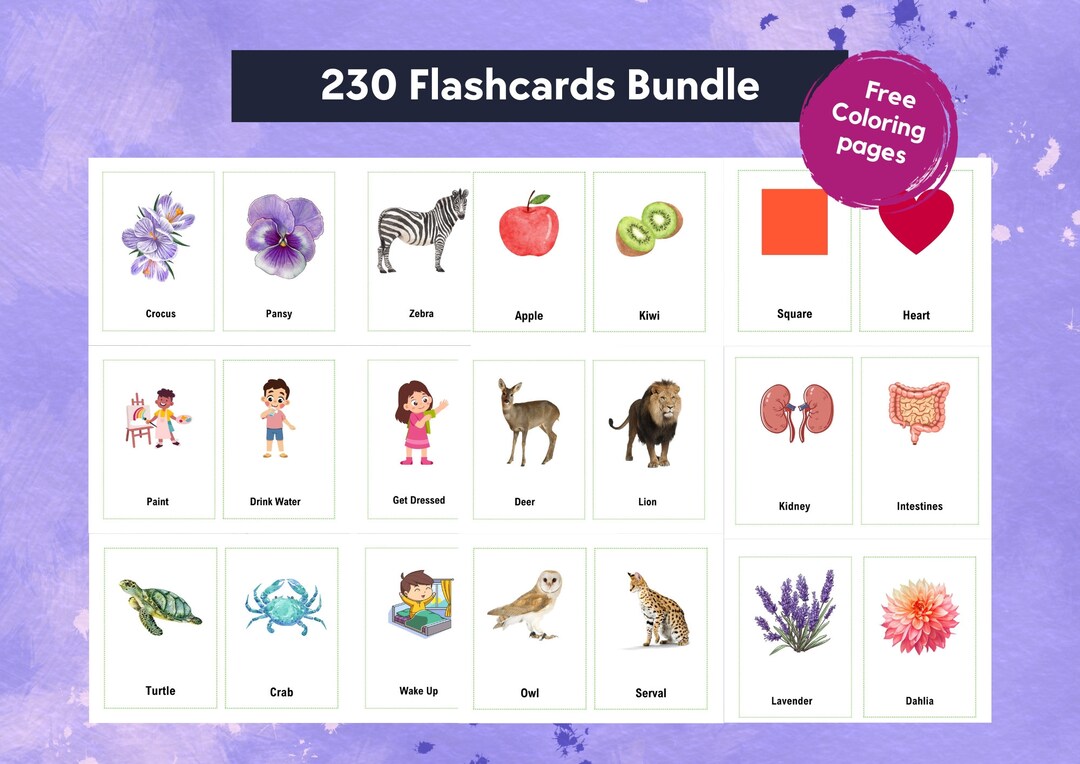
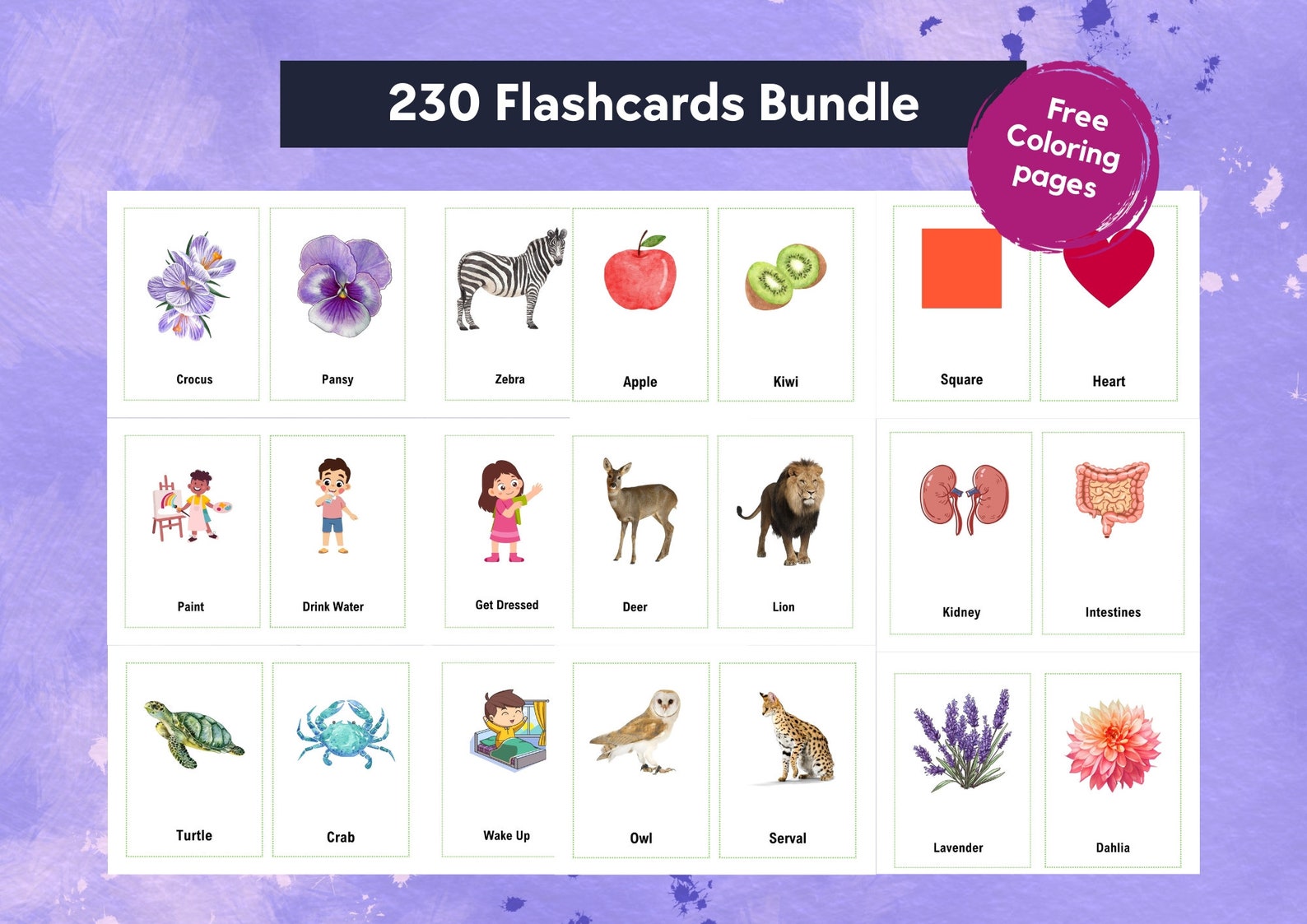
Transforming everyday imagery into structured visual tools connects abstract photography to tactile cognitive development by training the brain to isolate shapes, measure spatial ratios, and interpret complex visual data. According to the National Association for the Education of Young Children (NAEYC), structured visual engagement during early childhood builds essential foundational math and pre-literacy skills through active observation and spatial pattern recognition. Leveraging printable Photo Flashcards and structured coordinate frameworks accelerates cognitive growth in early elementary classrooms and homeschool environments. Educators and parents constantly seek reliable methods to bridge the gap between digital photography and concrete motor-visual activities, making targeted conversion tools invaluable. Utilizing authentic picture references directly enhances visual literacy, transforming passive observation into active drawing, proportional estimation, and comprehensive concept mastery.
Visual Learning & Skill Snapshot:
- Core Focus: Systematic conversion of real-world photographs into manageable grid-drawing flashcards for spatial awareness training.
- Target Skill: Spatial reasoning, visual discrimination, fine-motor proportion estimation, and hand-eye coordination.
- Key Recommendation: Pair high-contrast real photo cards with proportional Grid Drawing worksheets to anchor observation skills.
Core Principles and Visual Learning Overview
Translating photographic images into structured learning elements relies on breaking complex continuous imagery down into discrete, digestible spatial coordinates that young minds can easily process. When children encounter real photo flashcards alongside matching Educational Activities, cognitive load decreases significantly because the visual information is segmented into clear quadrants. This decomposition method supports Piagetian developmental milestones regarding conservation of proportion and spatial constancy. By shifting focus from the entire complex picture to individual grid intersections, young artists learn to analyze line direction, negative space, and relative scaling without experiencing overwhelming visual fatigue.
Key Specifications and Breakdown
| Age / Learning Stage | Visual Skill & Grid Ratio | Pedagogical Application & Scaffolding |
|---|---|---|
| Ages 4-5 (Early Explorers) | 2×2 grid ratio with bold, high-contrast subjects | Focuses on basic shape identification and whole-object recognition without complex intersecting lines. |
| Ages 6-7 (Developing Artists) | 3×3 grid ratio featuring animals and common objects | Introduces proportional measurement, coordinate tracking, and fine-motor pencil control. |
| Ages 8-9 (Advanced Observers) | 4×4 or complex grids with intricate architectural subjects | Builds advanced perspective estimation, shading accuracy, and independent visual analysis. |
Systematic visual processing of fragmented photographic grids measurably enhances working memory capacity and fine-motor precision in school-age children — National Art Education Association (NAEA)
Step-by-Step Practical Application and Printing Guidelines
Implementing photo-based visual tools successfully requires precise printing, scaling, and lamination techniques to ensure physical durability and visual clarity for learners. Educators should select high-resolution, glare-free matte cardstock when printing photographic templates to prevent eye strain under classroom lighting. Begin the activity by placing the reference picture beside the blank grid worksheet, encouraging children to point to matching coordinate squares using a finger before putting pencil to paper. Scaffolding the exercise through guided discussion about line direction and shape boundaries ensures students understand the proportional relationship between the photo reference and their own drawn output.
Common Challenges and How to Avoid Them
Overcoming frustration with proportion and scale involves addressing common student errors such as rushing across quadrants or focusing solely on isolated details rather than overall composition. Children frequently attempt to draw the entire image from memory within a single grid square instead of scanning adjacent coordinates to check line alignment. To prevent this hurdle, instructors should provide sliding paper masks that isolate one grid square at a time, forcing targeted visual concentration. Patience and incremental progression through simpler two-by-two layouts build the necessary confidence before advancing to intricate multi-square photographic templates.
💬 Frequently Asked Questions
Explore More Free Learning Printables and Visual Activities on WePhotoAgency
Unlocking full creative and cognitive potential requires access to diverse, high-quality educational resources designed specifically for modern educators and parents. Discover an extensive collection of printable templates, structured exercises, and professional visual tools by visiting the main catalog at WePhotoAgency.com to elevate daily learning experiences.
Visual Reference Gallery