Introduction
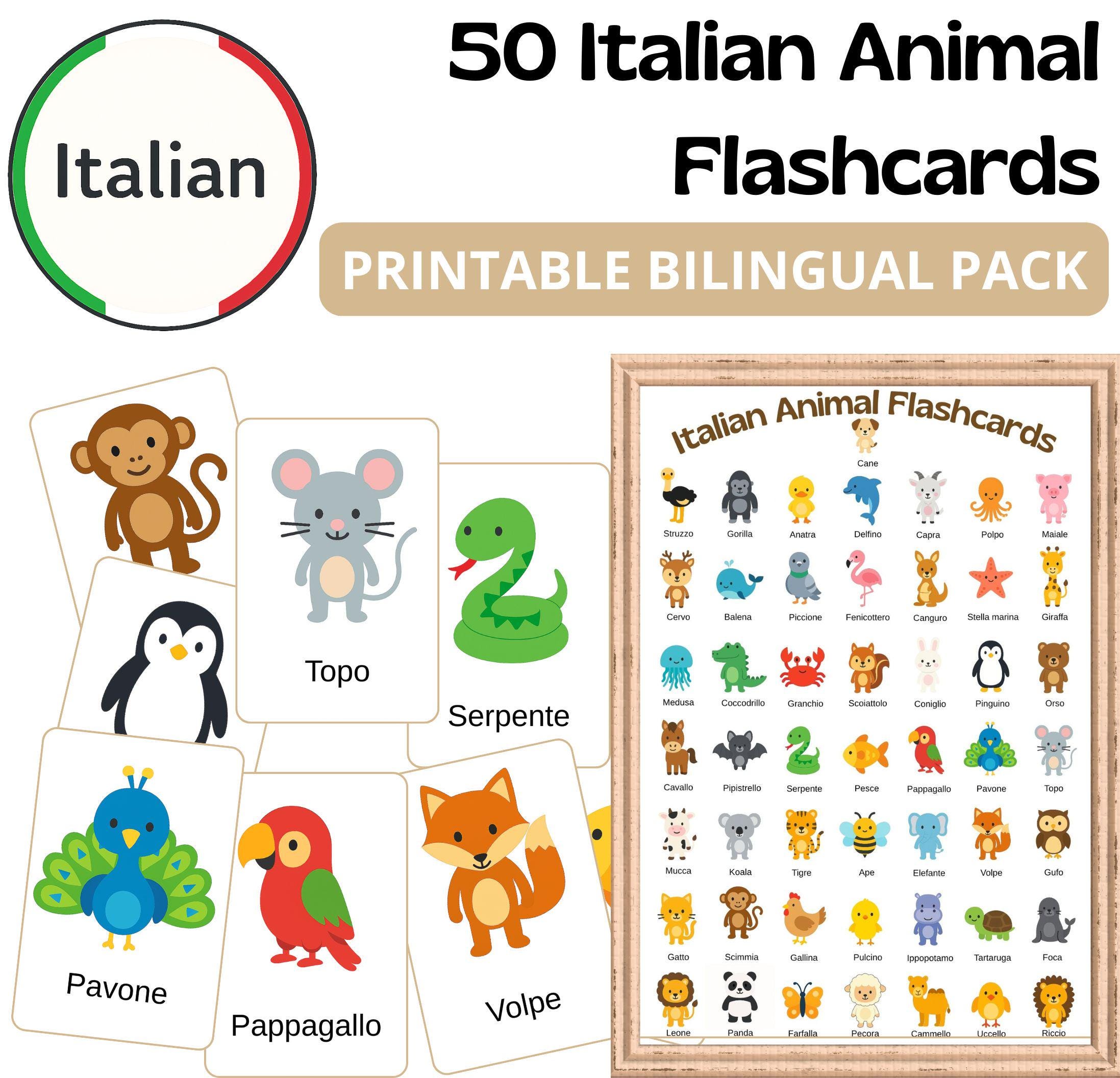
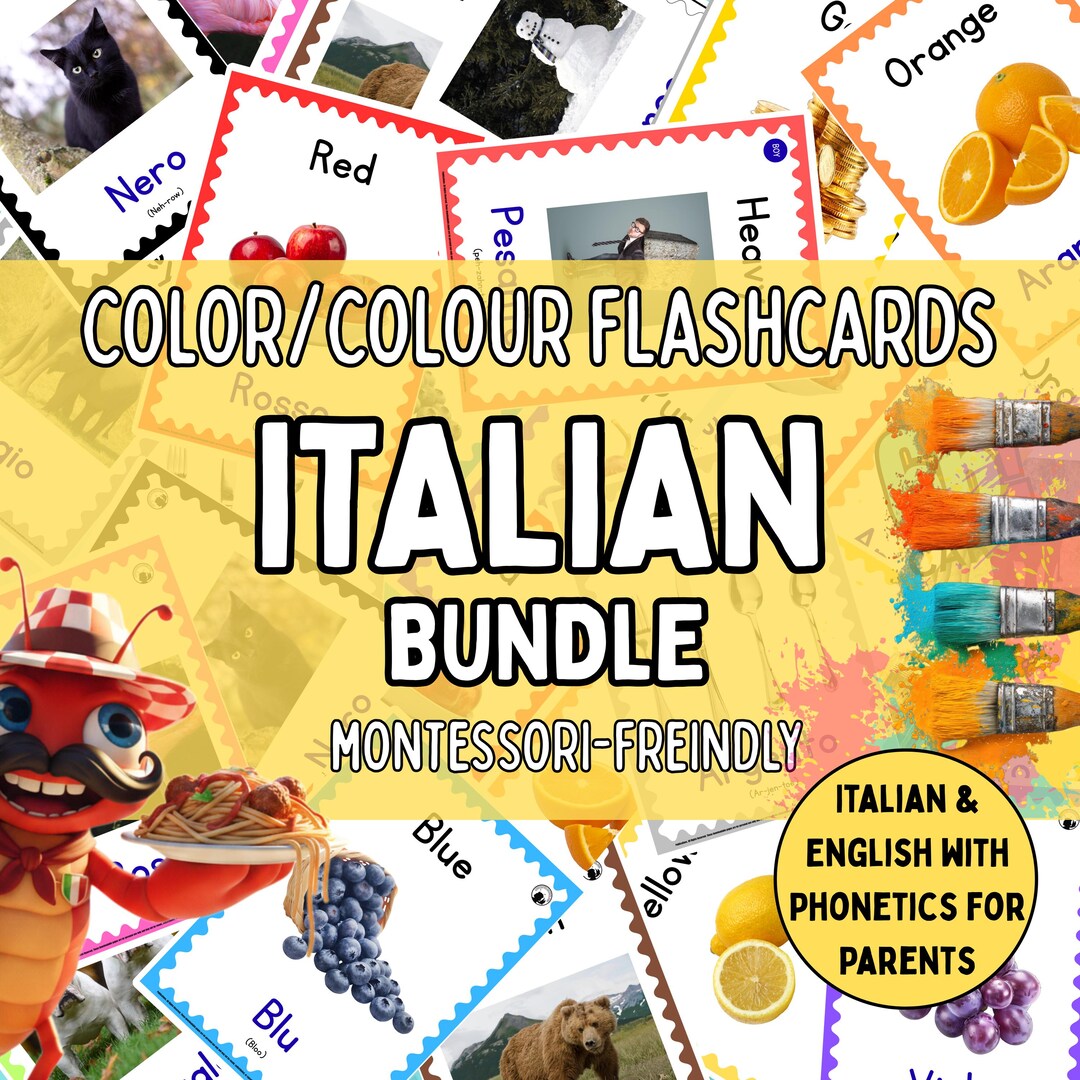
Italian picture flashcards utilize authentic photographic imagery paired with targeted vocabulary to foster bilateral brain development, lexical acquisition, and advanced spatial cognition in early childhood learners. According to the National Association for the Education of Young Children (NAEYC), purposeful exposure to rich visual stimuli and concrete-to-abstract representation significantly accelerates foundational literacy and visual discrimination skills. Utilizing high-resolution Photo Flashcards alongside structured grid exercises bridges the gap between passive viewing and active cognitive mapping, empowering young learners to process complex visual data with confidence and accuracy.
Visual Learning & Skill Snapshot:
- Core Focus: Italian picture flashcards merge authentic European cultural and everyday visual assets with targeted multilingual vocabulary acquisition.
- Target Skill: Spatial reasoning, visual discrimination, fine-motor proportion, and cross-modal language processing.
- Key Recommendation: Pair photographic cards directly with a Grid Drawing worksheet to translate two-dimensional imagery into physical hand-eye coordination exercises.
Core Principles and Visual Learning Overview
Spatial awareness and proportional estimation improve systematically when children break down photographic elements into manageable visual coordinates. Italian picture flashcards function as portable observational tools that train the juvenile brain to isolate shapes, contours, and negative space within a defined boundary. By incorporating these cards into daily Educational Activities, educators and parents create a multisensory environment where cognitive mapping and fine motor control develop simultaneously. Children transition from simple identification of objects to rigorous geometric observation, directly preparing the visual cortex for advanced mathematical and artistic pursuits.
Key Specifications and Breakdown
| Age / Learning Stage | Visual Skill & Grid Ratio | Pedagogical Application & Scaffolding |
|---|---|---|
| Ages 3-4 (Early Discovery) | 2×2 grid ratio with bold, high-contrast photographic outlines | Focuses on macro-shapes, basic color identification, and gross motor hand placement. |
| Ages 5-6 (Transition) | 3×3 grid ratio featuring moderate environmental details | Encourages direct observation of proportions, line alignment, and foundational vocabulary matching. |
| Ages 7-8+ (Advanced Practice) | 4×4 or complex grid layouts with intricate cultural subjects | Targets precision scaling, detailed shading, perspective estimation, and fluent descriptive writing. |
Visual-spatial training through structured graphic grids enhances geometric reasoning and proportional accuracy in early childhood learners — National Art Education Association (NAEA)
Step-by-Step Practical Application and Printing Guidelines
Executing structured visual drawing sessions requires high-quality output materials, clean grid alignment, and methodical step-by-step adult scaffolding. Printing authentic visual assets on heavy cardstock prevents warping while children map proportions from the reference card onto the corresponding grid coordinates. Educators should first introduce the photographic card in isolation, prompting children to identify key geometric boundaries before transferring pencils to paper. Breaking the drawing process into single-square increments eliminates overwhelm, allowing young artists to master line placement one quadrant at a time.
Common Challenges and How to Avoid Them
Frustration occurs when children attempt to copy entire complex images at once instead of isolating individual grid squares for proportional analysis. To prevent this hurdle, instructors should utilize viewfinders or opaque masks to isolate a single quadrant of the reference card during the initial drawing phase. Emphasizing process over perfection ensures that learners focus on observational accuracy and spatial relationships rather than achieving an immediate, flawless artistic replica.
💬 Frequently Asked Questions
Explore More Free Learning Printables and Visual Activities on WePhotoAgency
Discover an extensive collection of professional educational resources designed to elevate visual literacy, fine motor skills, and cognitive development at WePhotoAgency.com. Access expertly curated printables, grids, and photo assets tailored for every stage of early childhood education.
Visual Reference Gallery