Introduction
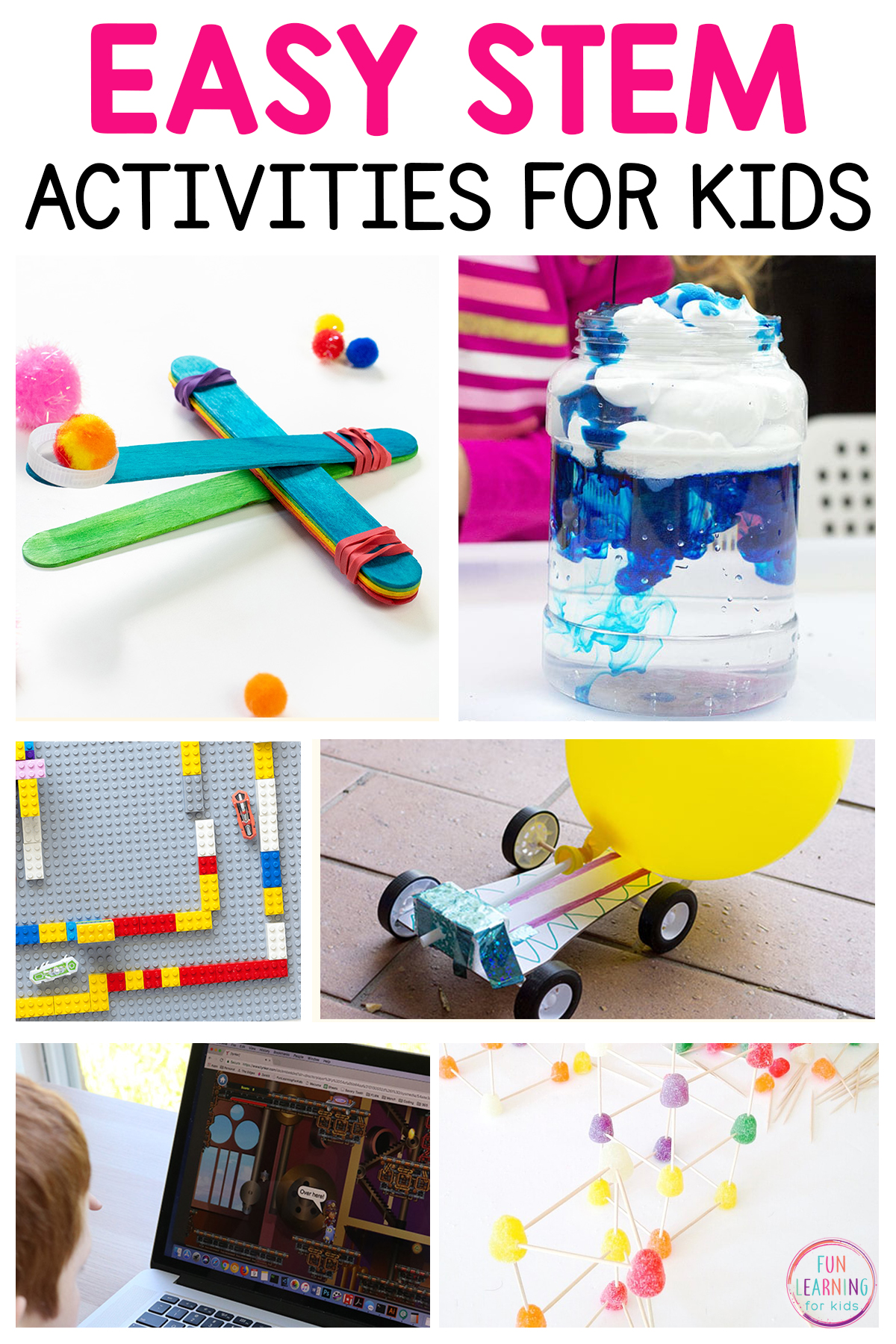
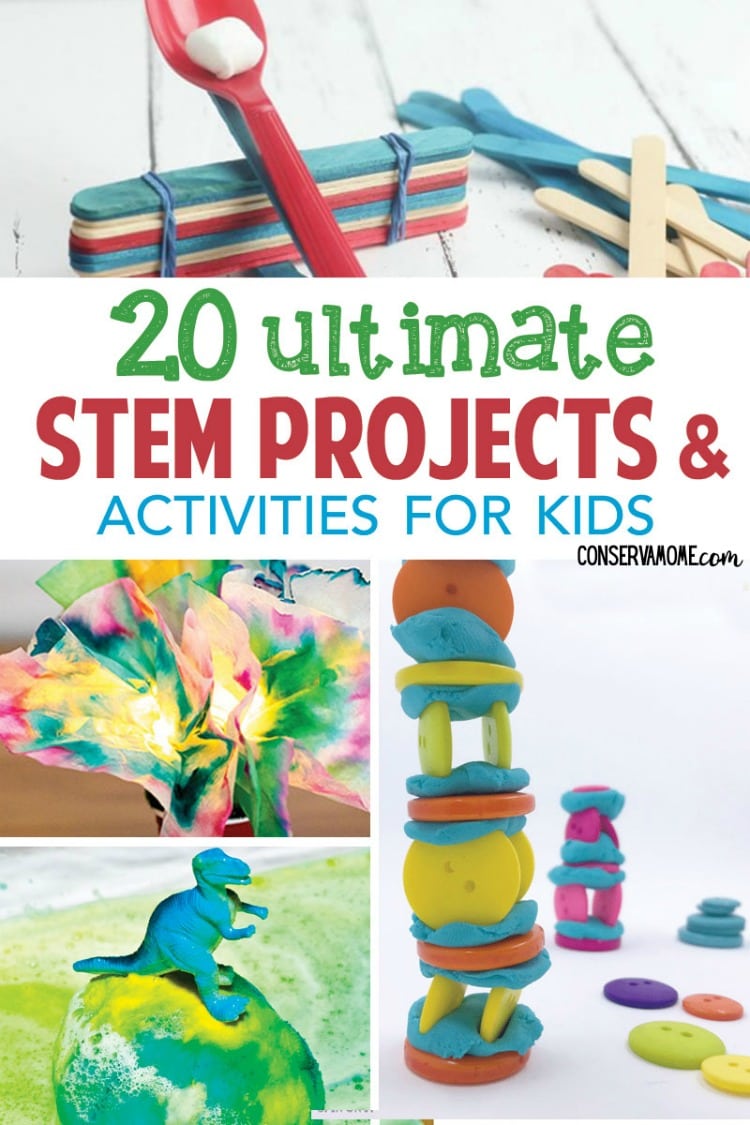
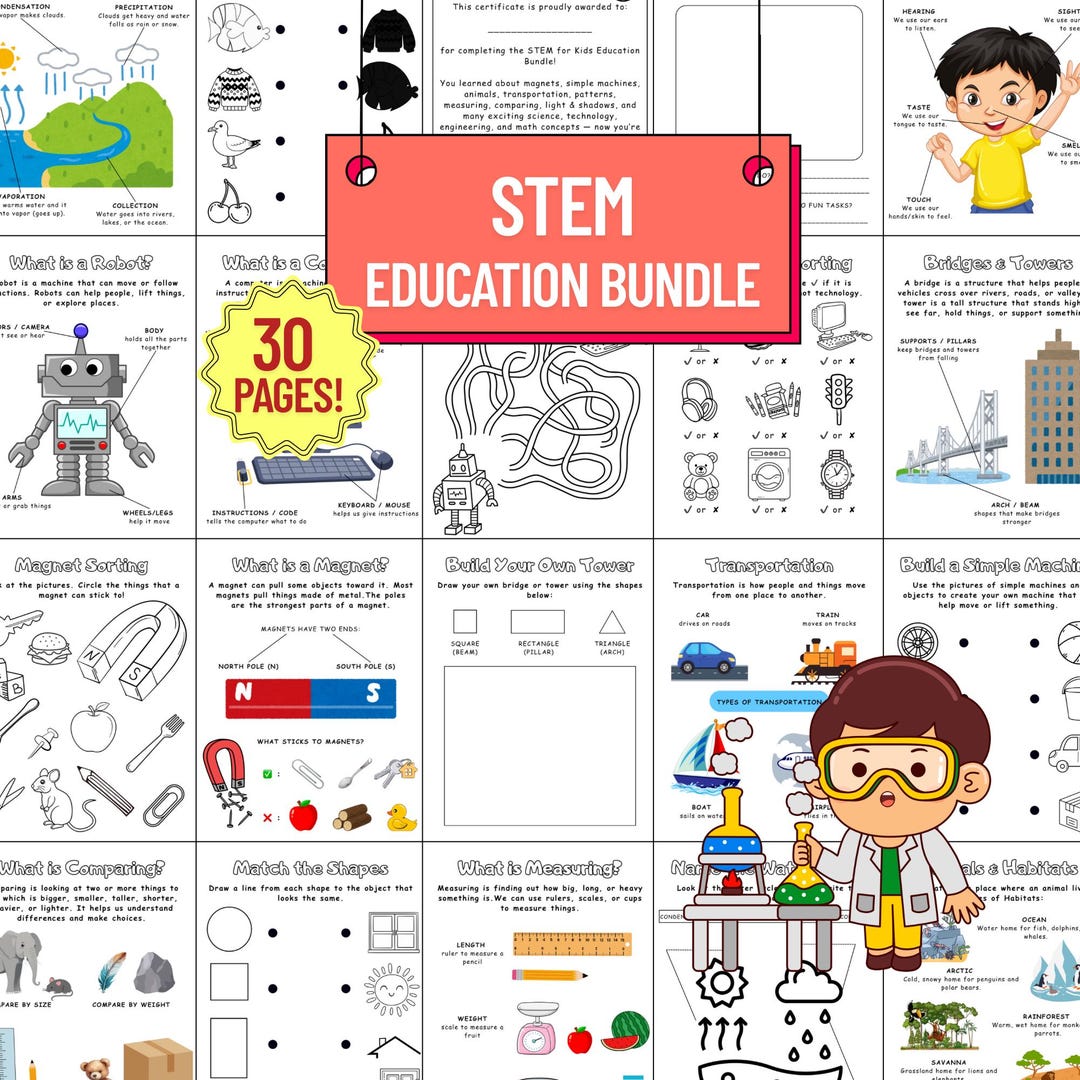
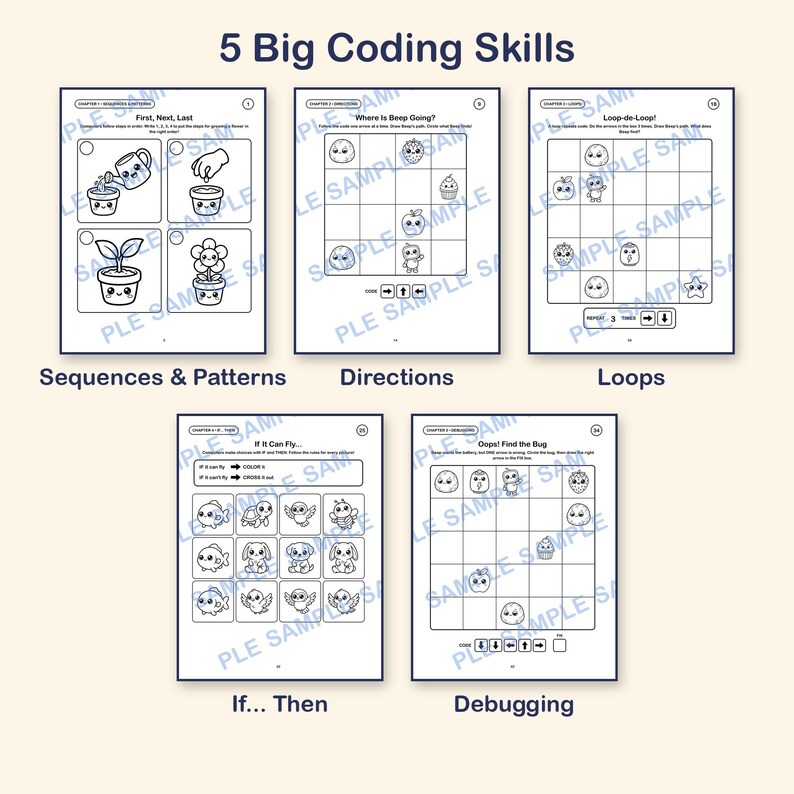
STEM activities for kids at home successfully merge analytical science, technology, engineering, and mathematics principles with foundational visual arts training. According to the National Association for the Education of Young Children (NAEYC), integrating hands-on visual arts with structured spatial tasks significantly enhances early cognitive development and mathematical comprehension in children. Early learners benefit immensely when abstract concepts are translated into concrete observation tasks utilizing printable grid drawing worksheets and real photo visual flashcards. These multimodal learning tools strengthen fine-motor precision, proportion estimation, and visual discrimination without requiring expensive classroom apparatus. Educators and parents can seamlessly foster spatial reasoning by incorporating structured, low-prep educational exercises into daily domestic routines. Discover specialized resources across Educational Activities designed to build robust cognitive foundations.
Visual Learning & Skill Snapshot:
- Core Focus: Integrating tactile grid drawing and real photography into home-based STEM learning modules.
- Target Skill: Spatial reasoning, visual discrimination, fine-motor proportion, and photo-based concept mastery.
- Key Recommendation: Use high-contrast photo references paired with proportional coordinate grids to bridge geometry and observation.
Core Principles and Visual Learning Overview
STEM activities for kids at home rely fundamentally on developing robust spatial awareness and precise visual-motor coordination through systematic observation. Spatial reasoning serves as a foundational predictor of future mathematical and scientific achievement, making the intersection of art and geometry a critical area of early childhood development. When children analyze photographic source material, they break complex objects down into manageable geometric shapes, angles, and coordinates. This analytical deconstruction mimics the core problem-solving processes utilized in engineering and computer coding. By utilizing tools found within Grid Drawing, children learn to translate visual information from a macro-level overview to a micro-coordinate level, effectively internalizing scale, symmetry, and proportion.
Key Specifications and Breakdown
| Age / Learning Stage | Visual Skill & Grid Ratio | Pedagogical Application & Scaffolding |
|---|---|---|
| Ages 3-4 (Early Explorers) | 1×1 to 2×2 Simple Grids | Focuses on macro-shapes and color matching using real photo visual flashcards to build basic visual literacy. |
| Ages 5-6 (Developing Learners) | 3×3 to 4×4 Intermediate Grids | Introduces line direction, basic proportion estimation, and coordinate tracking through structured drawing templates. |
| Ages 7-8+ (Advanced Beginners) | 5×5 and Complex Matrices | Emphasizes detailed observation, scale transformation, angular measurement, and meticulous fine-motor execution. |
Early visual-spatial integration significantly bolsters working memory and geometric problem-solving capabilities by training the brain to mentally manipulate visual matrices and coordinate systems. — National Association for the Education of Young Children (NAEYC)
Step-by-Step Practical Application and Printing Guidelines
STEM activities for kids at home require structured print setups and deliberate scaffolding to maximize cognitive retention and minimize frustration. Begin by selecting high-contrast, clear photographic references available through Photo Flashcards to ensure children can easily distinguish edges, shadows, and focal points. Print worksheets on heavy cardstock (minimum 65 lb weight) to prevent pencil tearing during intensive erasing and grid-mapping sessions. Guide the learner to cover all grid squares except one using a blank index card, isolating the visual data and preventing cognitive overload. Encourage children to verbalize their observations aloud—describing whether a line tilts diagonally or spans halfway across a coordinate box—before applying the pencil stroke to paper.
Common Challenges and How to Avoid Them
STEM activities for kids at home occasionally present hurdles when children attempt to draw entire objects at once rather than focusing on isolated grid coordinates. Frustration commonly arises when the initial grid scale feels too complex or when pencil pressure is too heavy for accurate corrections. Adults can effectively mitigate these challenges by starting with simpler matrix ratios, utilizing softer 2B pencils for effortless erasing, and modeling the coordinate-by-coordinate transfer method. Emphasize that precision develops gradually through repeated spatial practice rather than immediate perfection, preserving confidence and intrinsic motivation.
💬 Frequently Asked Questions
Explore More Free Learning Printables and Visual Activities on WePhotoAgency
Supporting early childhood cognitive growth with high-quality, engaging materials is essential for long-term academic success. Parents, educators, and homeschoolers can easily access an extensive library of professional educational resources, drawing templates, and photographic learning aids by visiting WePhotoAgency.com to download print-ready content for daily instruction.
Visual Reference Gallery