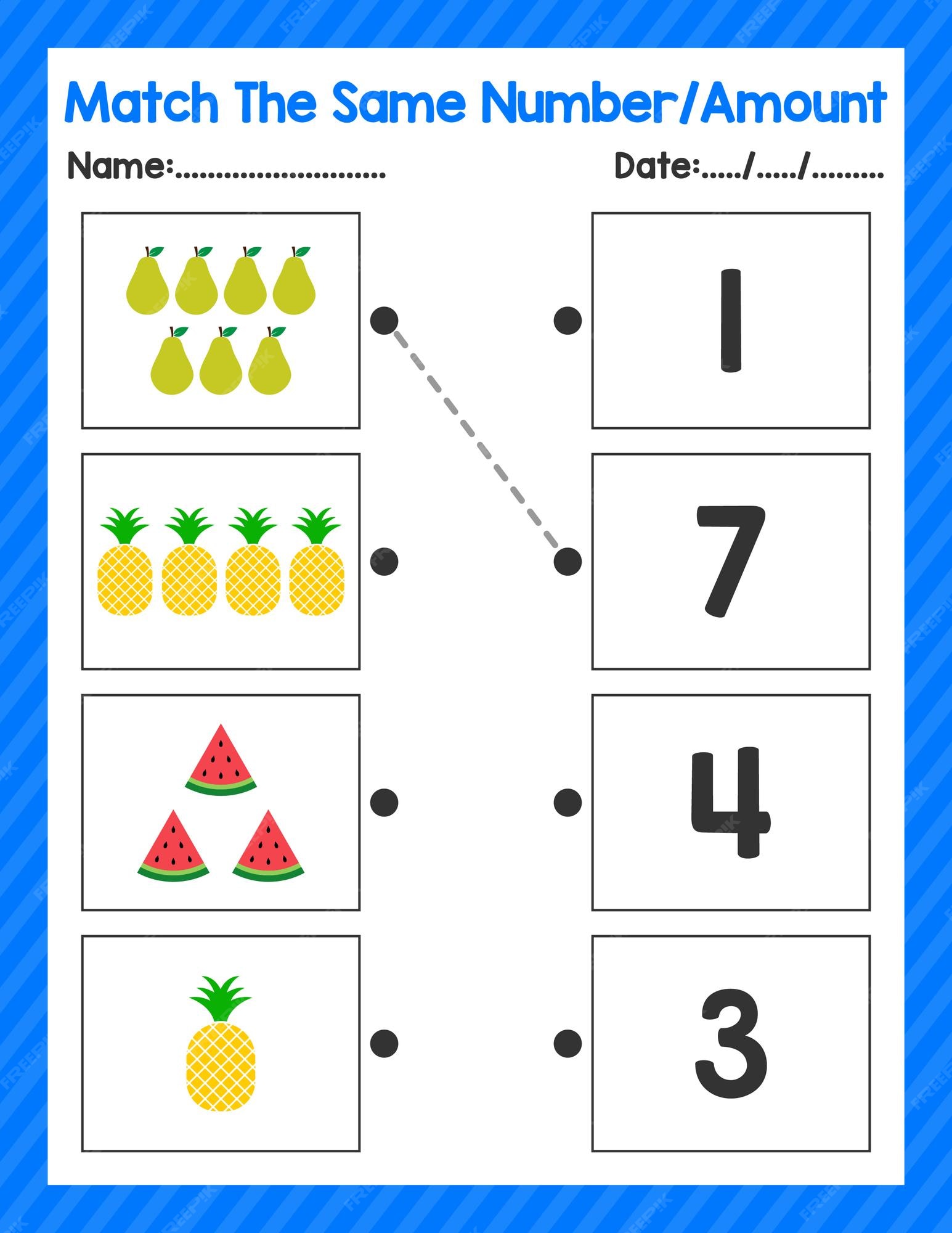
Introduction
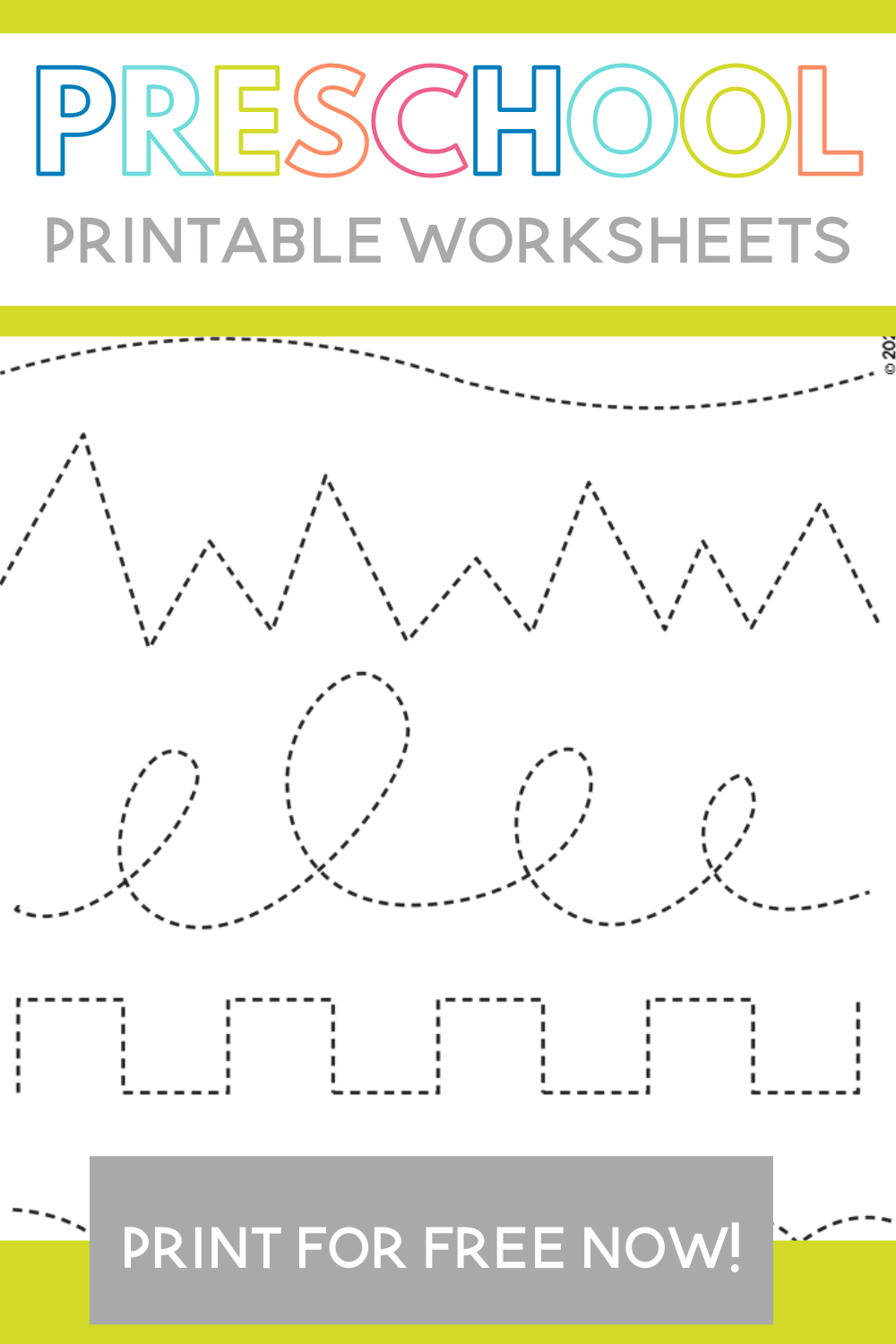
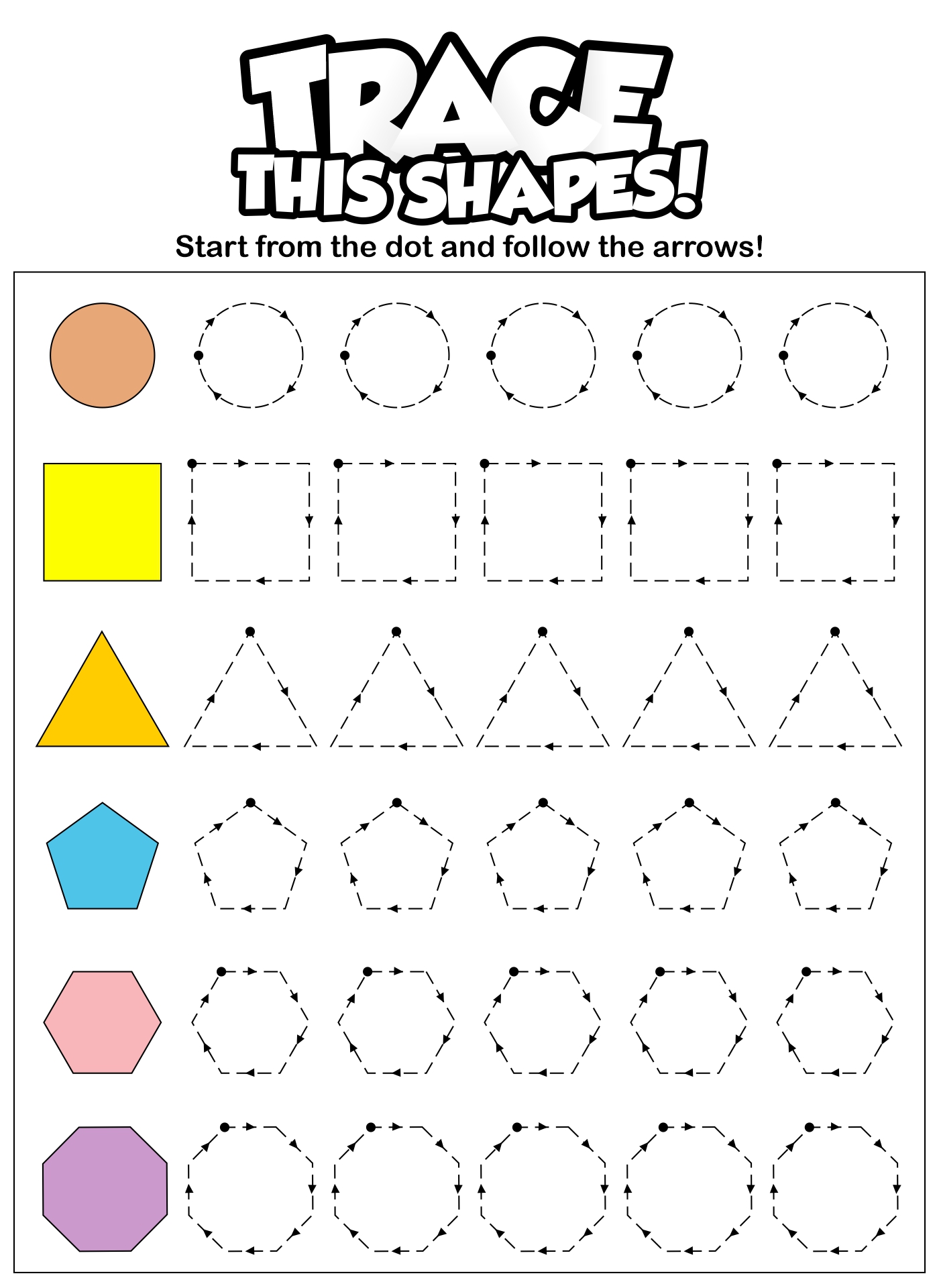
Preschool educational activities printable resources provide structured, tangible exercises that bridge early cognitive development with foundational visual arts skills. According to the National Association for the Education of Young Children (NAEYC), intentional print-based visual tasks actively support fine motor control, cognitive organization, and foundational spatial awareness in young learners. Utilizing carefully curated Educational Activities helps early childhood educators and parents transform standard worksheets into rich sensory-cognitive experiences. Structured printables remove abstract guesswork by anchoring lessons in physical observation and step-by-step visual execution.
Visual Learning & Skill Snapshot:
- Core Focus: Preschool educational activities printable modules utilizing grid drawing and photographic references.
- Target Skill: Spatial reasoning, visual discrimination, fine-motor proportion, and observation accuracy.
- Key Recommendation: Implement large-scale 2×2 grids alongside authentic visual prompts to build baseline confidence.
Core Principles and Visual Learning Overview
Spatial reasoning and proportion estimation develop effectively when young learners engage with specialized Grid Drawing worksheets. Breaking down complex shapes into manageable individual grid cells teaches children how to analyze lines, curves, and negative space methodically. By pairing these structural drawing tasks with realistic Photo Flashcards, educators connect abstract geometric mapping directly to tangible, real-world objects. This dual-modal approach reinforces visual memory, enhances hand-eye coordination, and prepares young minds for complex geometry and early literacy tracking.
Key Specifications and Breakdown
| Age / Learning Stage | Visual Skill & Grid Ratio | Pedagogical Application & Scaffolding |
|---|---|---|
| Ages 3-4 (Early Explorer) | 2×2 Grid with Bold Photographic Outlines | Focuses on basic contour matching and large focal point recognition without complex perspective. |
| Ages 4-5 (Developing Artist) | 3×3 Grid featuring Real-World Objects | Teaches intermediate proportion estimation, crossing the midline, and meticulous cell-by-cell scanning. |
| Ages 5-6 (Kindergarten Transition) | 4×4 Complex Grid with Detailed Textures | Encourages fine-motor precision, independent error detection, and advanced spatial orientation. |
Visual-spatial training through structured grid drawing and photographic observation significantly accelerates cognitive mapping and fine motor precision in early childhood development. — National Art Education Association (NAEA)
Step-by-Step Practical Application and Printing Guidelines
Executing printable visual activities successfully requires heavy-stock paper, vibrant printing settings, and distraction-free workspace preparation. Educators should begin by printing worksheets at 100 percent scale to ensure grid squares remain large enough for developing pencil grips. Introduce the visual reference card first, allowing the child to trace the contours with an index finger before putting pencil to paper. Scaffolding the activity through physical markers, such as placing a guiding ruler along individual rows, prevents visual fatigue and keeps attention focused on a single grid quadrant at a time.
Common Challenges and How to Avoid Them
Frustration during printable grid tasks typically stems from excessive visual clutter or skipping foundational finger-tracing exercises. Educators can mitigate this by isolating single grid sections using a cut-out paper frame, which eliminates overwhelming background stimuli. If a young learner struggles with proportion, temporarily substitute complex photographic subjects with high-contrast silhouette cards until baseline hand-eye coordination improves. Consistent, low-pressure exposure to structured visual printables ensures children build genuine confidence rather than rote memorization habits.
💬 Frequently Asked Questions
Explore More Free Learning Printables and Visual Activities on WePhotoAgency
Comprehensive visual art curricula and developmental worksheets remain widely accessible across the entire WePhotoAgency.com platform. Educators and families can continually update their resource libraries by downloading expertly designed materials tailored to diverse cognitive milestones and classroom needs.
Visual Reference Gallery