Introduction
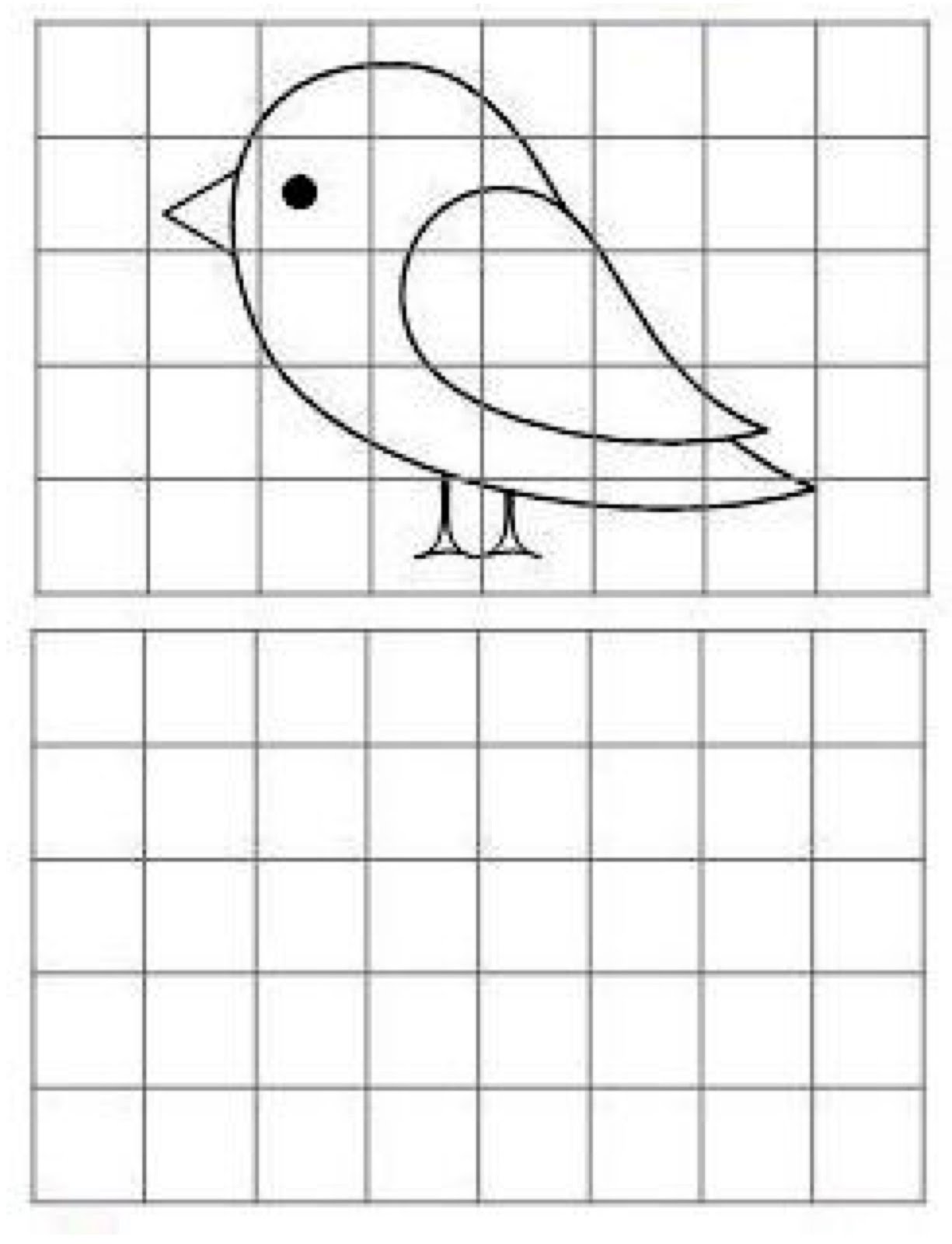
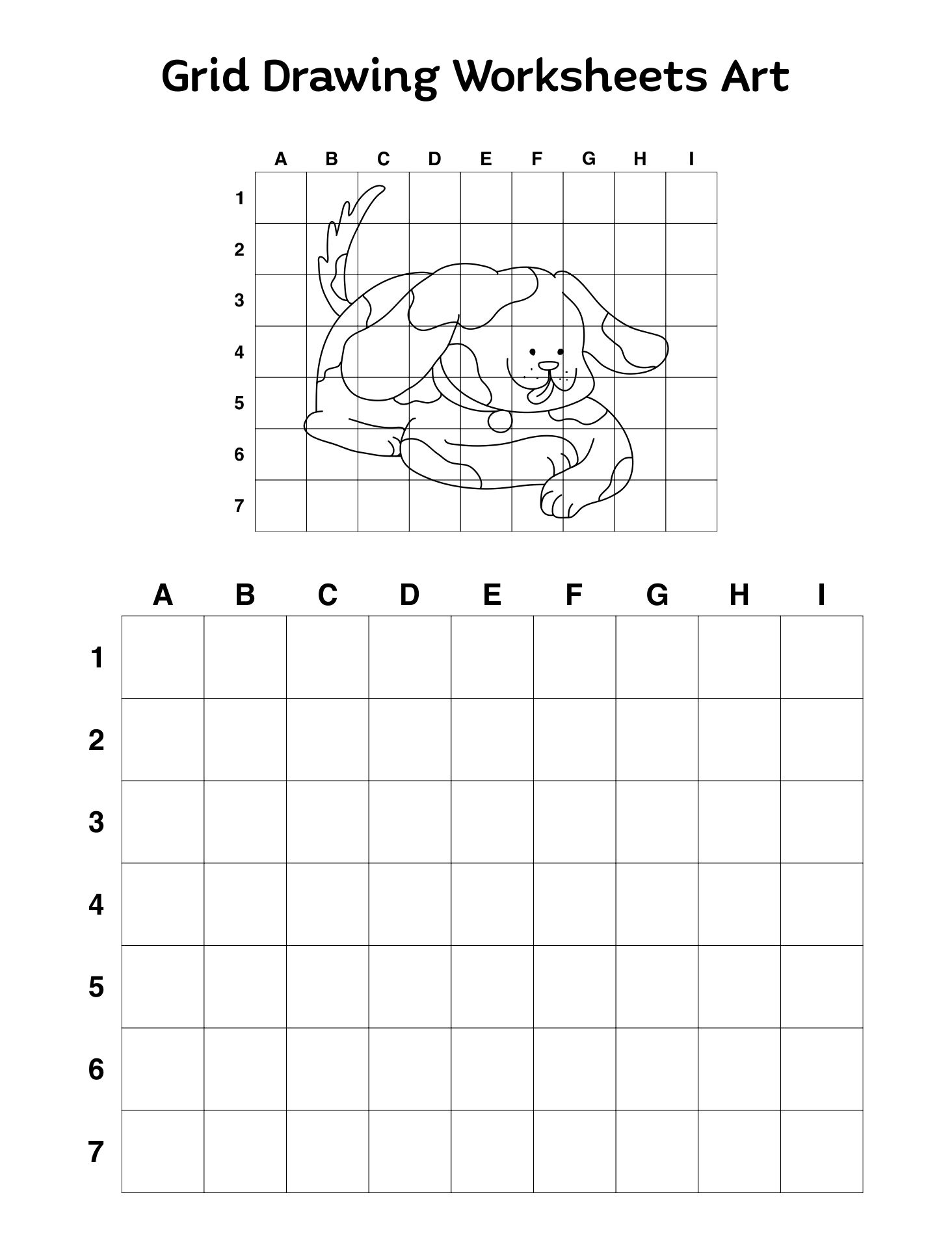
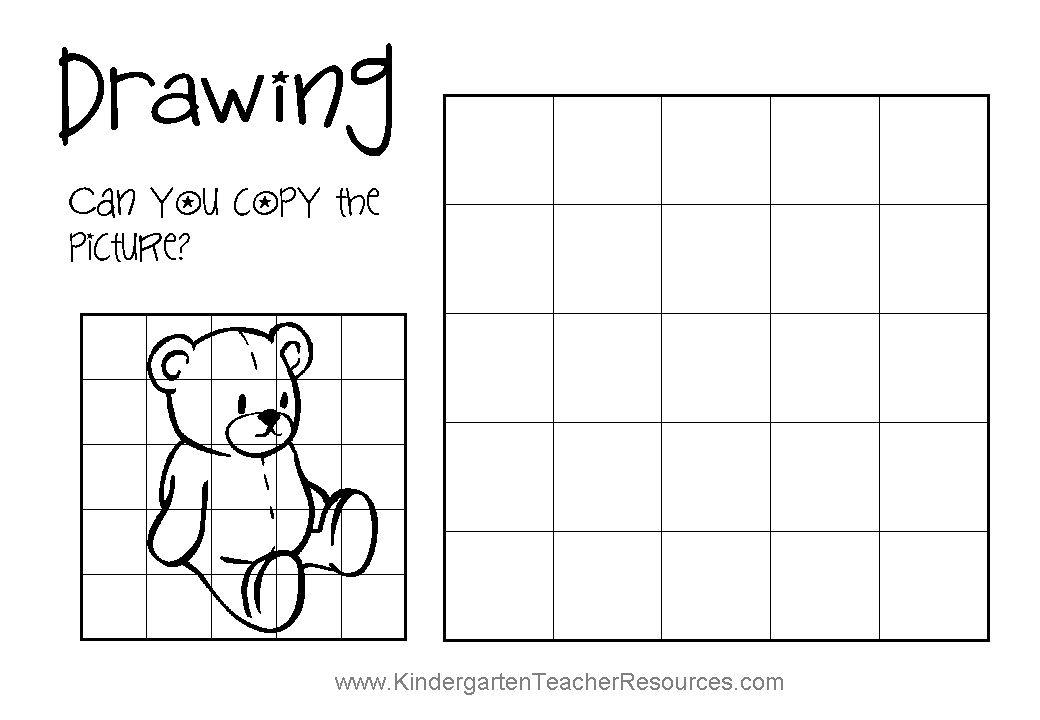
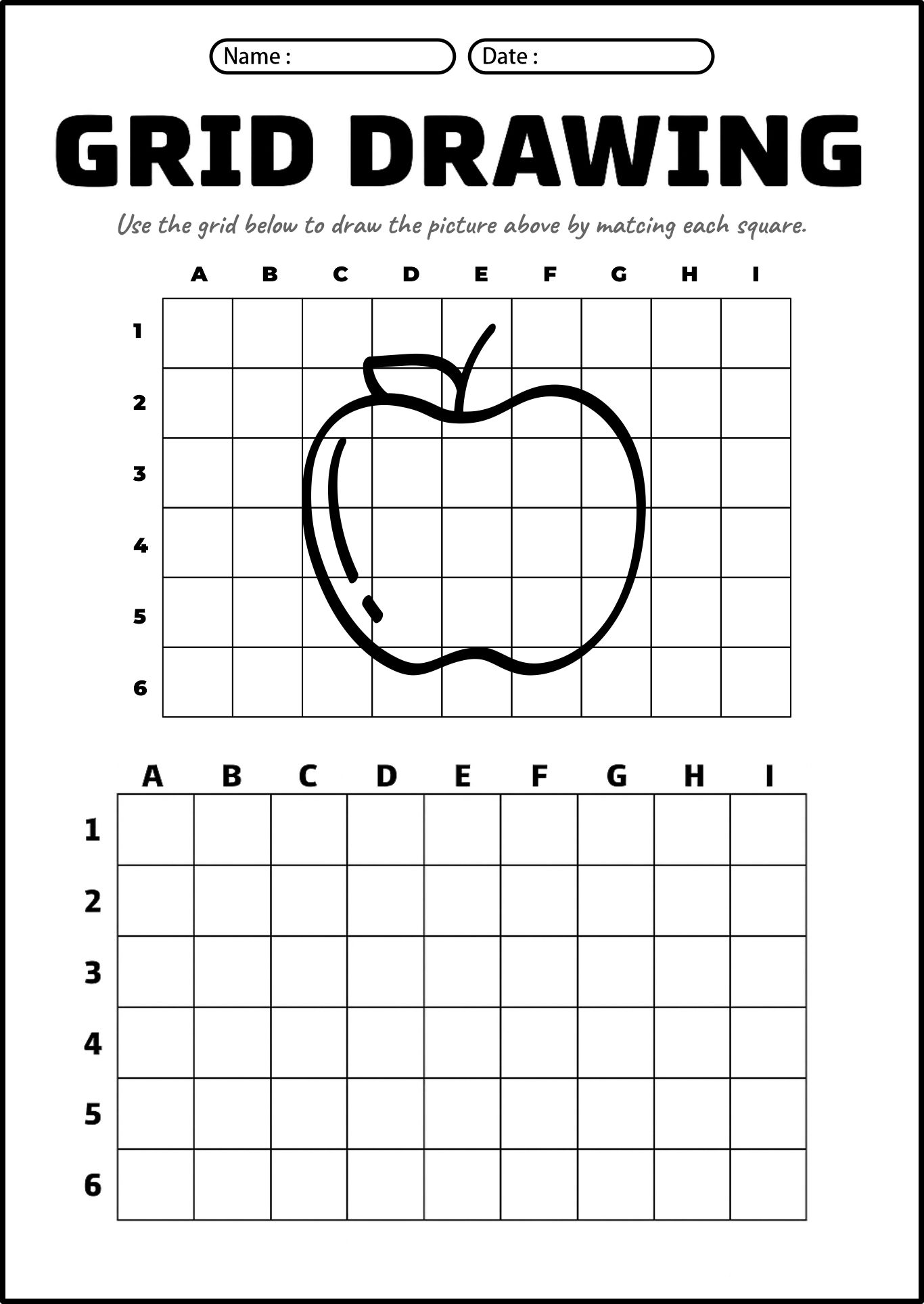
Grid drawing on photo systematically breaks complex visual stimuli into manageable coordinate squares to teach young learners proportional measurement, coordinate mapping, and fine-motor precision. According to the National Art Education Association (NAEA), structured observational drawing techniques reinforce foundational cognitive processing by translating three-dimensional or photographic realities into targeted two-dimensional coordinates. This rigorous methodology transforms standard photographic references into scalable learning frameworks, supporting early spatial awareness through printable grid worksheets, structured Photo Flashcards, and developmental Educational Activities.
Visual Learning & Skill Snapshot:
- Core Focus: Overlaying geometric matrices onto photographic references to isolate visual contours for accurate artistic reproduction.
- Target Skill: Spatial reasoning, visual discrimination, coordinate plotting, and fine-motor proportion control.
- Key Recommendation: Start early learners with simplified 2×2 or 3×3 grids before advancing to dense multi-square templates.
Core Principles and Visual Learning Overview
Grid drawing on photo relies on the principle of perceptual fragmentation, training the human eye to isolate individual segments of a larger picture rather than processing the image as an overwhelming whole. When children isolate a single grid square containing a specific section of a photograph—such as the curve of an animal’s ear or the edge of a leaf—cognitive load is reduced, enabling precise proportion estimation. This visual mapping technique bridges the developmental gap between symbolic drawing and realistic observation, establishing vital neurological connections between visual input and manual execution across early childhood curricula.
Key Specifications and Breakdown
| Age / Learning Stage | Visual Skill & Grid Ratio | Pedagogical Application & Scaffolding |
|---|---|---|
| Ages 4–5 (Early Explorer) | 2×2 or 3×3 simple grids | Focuses on basic shape placement and color block matching using real photo visual flashcards. |
| Ages 6–7 (Developing Artist) | 4×4 moderate coordinate matrices | Emphasizes line continuity, angle estimation, and proportion matching via printable Grid Drawing worksheets. |
| Ages 8–9 (Advanced Observer) | 5×5 or greater detailed grids | Targets complex contour mapping, tonal shading translation, and exact scaling accuracy. |
Structured visual partitioning significantly accelerates proportional estimation and spatial working memory in young learners — National Art Education Association (NAEA)
Step-by-Step Practical Application and Printing Guidelines
Executing an effective grid drawing exercise requires careful alignment between the original photographic reference and the blank target worksheet. Educators and parents should first select high-contrast, clear photo references, overlaying a uniform grid with prominent coordinate markers (letters across the top, numbers down the side). When printing worksheets, ensure the grid dimensions on the reference photo match the blank drawing grid exactly—either at a 1:1 ratio for absolute beginners or scaled up for older children learning proportional enlargement. Instruct learners to tackle the grid square by square, focusing exclusively on what appears inside individual intersecting lines rather than attempting to draw the entire subject at once.
Common Challenges and How to Avoid Them
Young learners frequently encounter difficulties when they attempt to draw the entire image across multiple grid squares simultaneously, resulting in distorted proportions and misplaced focal points. To prevent this oversight, educators should provide framing tools, such as blank index cards with a square window cutout, allowing children to isolate one target coordinate square while physically masking the rest of the reference photo. Additionally, ensuring that initial reference photos feature high contrast and simple subject matter prevents cognitive fatigue during early spatial mapping sessions.
💬 Frequently Asked Questions
Explore More Free Learning Printables and Visual Activities on WePhotoAgency
Expanding early childhood visual arts curricula and spatial reasoning exercises is seamless with the comprehensive resource library available at WePhotoAgency.com. Educators, parents, and homeschoolers can access an extensive collection of printable drawing templates, structured reference sheets, and developmental learning materials designed to support visual literacy at every developmental milestone.
Visual Reference Gallery