Introduction
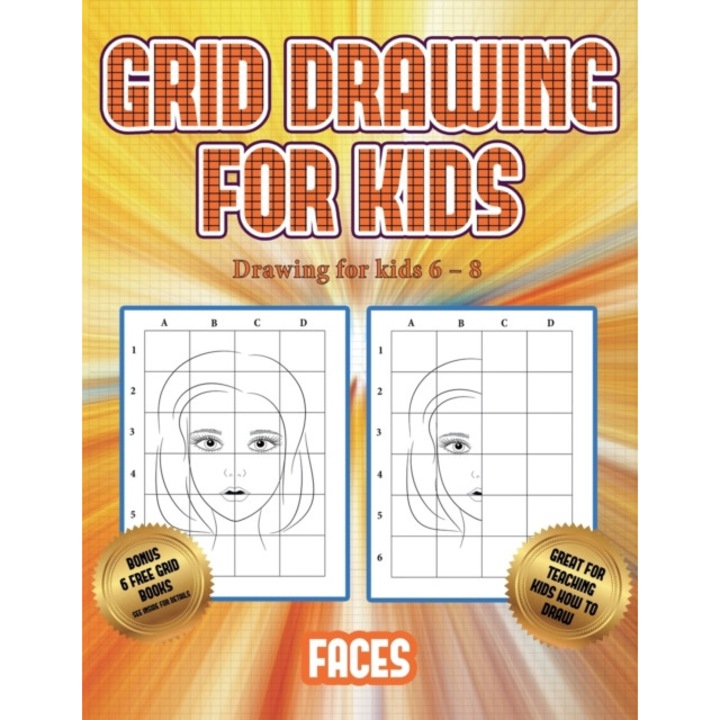
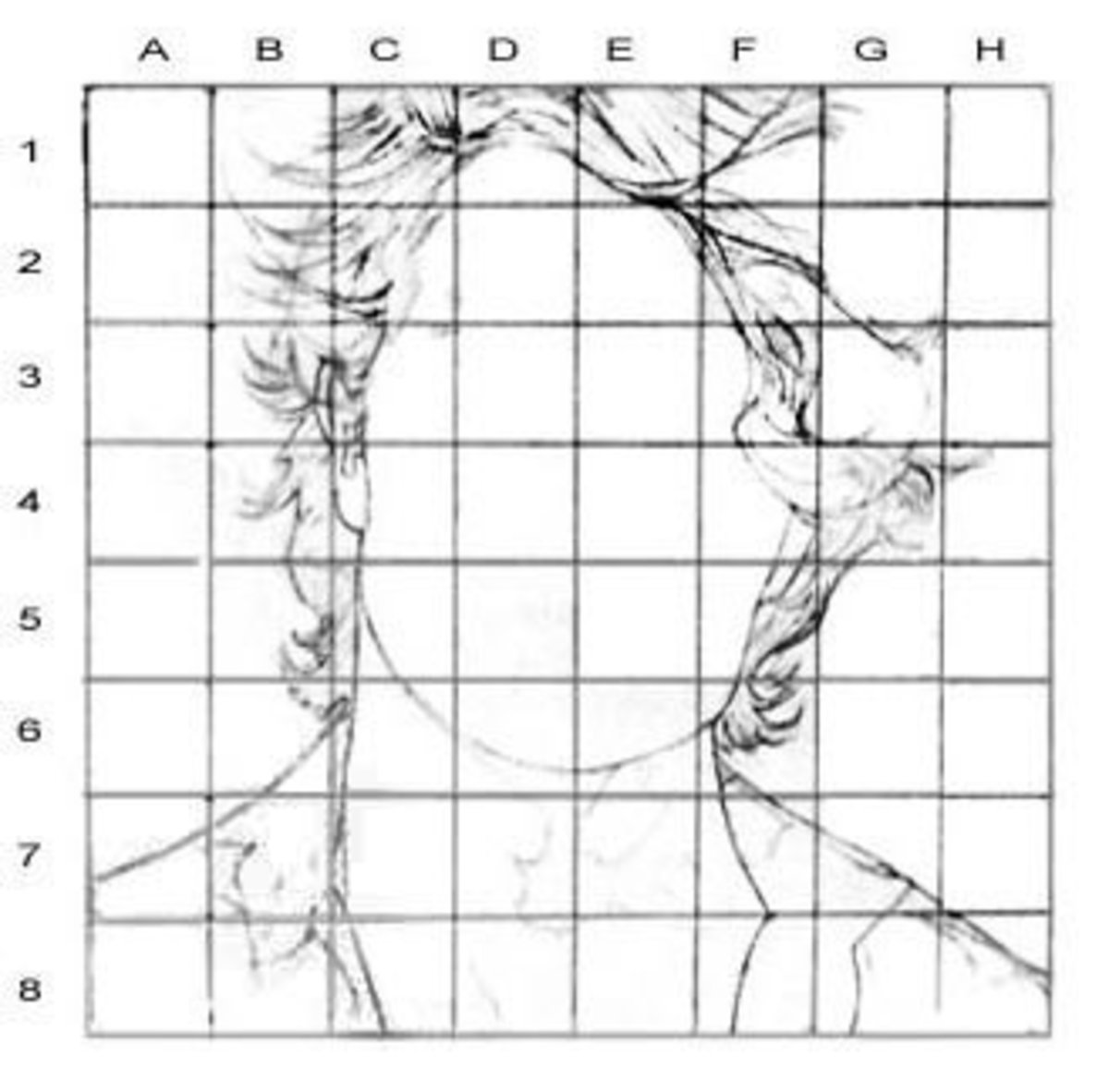
Grid drawing face is a powerful visual education technique that divides a reference image of a human visage into a coordinate-based matrix, teaching children to isolate individual shapes, lines, and facial proportions to develop precise spatial reasoning. According to the National Art Education Association (NAEA), structured observational drawing methods significantly accelerate visual-motor integration and cognitive mapping capabilities in developing learners. Utilizing printable Grid Drawing templates combined with high-contrast photographic references allows young learners to break complex human facial features into manageable, discrete coordinate blocks.
Visual Learning & Skill Snapshot:
- Core Focus: Coordinate-based visual breakdown of human facial proportions using print-ready reference grids.
- Target Skill: Spatial reasoning, visual discrimination, fine-motor proportion, and photorealistic observation.
- Key Recommendation: Pair simple 3×3 photo grids with tactile sketching tools before advancing to complex multi-row portrait matrices.
Core Principles and Visual Learning Overview
Grid drawing face methodology fundamentally shifts cognitive processing from symbolic representation to analytical observation, forcing the brain to look at abstract lines rather than preconceived notions of eyes, noses, and mouths. By transferring content square-by-square from real Photo Flashcards or printed worksheets, children bypass default mental shortcuts and engage high-level cognitive mapping. This deliberate practice enhances bilateral coordination and refines eye-hand accuracy, aligning perfectly with comprehensive Educational Activities designed for foundational cognitive growth.
Key Specifications and Breakdown
| Age / Learning Stage | Visual Skill & Grid Ratio | Pedagogical Application & Scaffolding |
|---|---|---|
| Ages 4–6 (Early Elementary) | 2×2 or 3×3 Matrix; Large, bold facial contours | Focuses on basic shape recognition and simple coordinate tracking without overwhelming visual clutter. |
| Ages 7–9 (Mid Elementary) | 4×4 Matrix; Intermediate facial landmarks | Teaches relative proportion estimation, symmetry, and alignment of eyes, nose, and mouth structures. |
| Ages 10+ (Advanced Young Artists) | 6×6+ Matrix; High-detail photographic tones | Refines intricate shading, micro-proportions, and realistic translation of complex human expressions. |
Systematic observational drawing strengthens visuospatial working memory and geometric proportionality in school-age children. — National Art Education Association (NAEA)
Step-by-Step Practical Application and Printing Guidelines
Executing a grid drawing face lesson requires high-contrast source images printed cleanly on heavyweight cardstock to prevent tearing during pencil transfer work. Educators should align the source face grid directly above or beside the blank drawing grid to minimize cognitive load during eye movement tracking. Instruct learners to isolate one grid box at a time using an indexing card or a masking frame, prompting them to evaluate where lines intersect specific coordinates before committing pencil strokes to paper.
Common Challenges and How to Avoid Them
Children frequently struggle with grid drawing face exercises when attempting to render the entire portrait at once rather than focusing strictly on isolated grid coordinates. Scaffold this learning curve by covering unfinished sections of the worksheet to reduce visual overwhelm and encourage strict square-by-square replication. Ensuring that both the reference photo matrix and the blank drawing matrix maintain identical aspect ratios prevents accidental facial distortion and builds accurate spatial estimation habits.
💬 Frequently Asked Questions
Explore More Free Learning Printables and Visual Activities on WePhotoAgency
Discover an extensive library of professional educational resources designed to enhance spatial intelligence, fine-motor coordination, and creative confidence across all developmental stages. Access premium printable worksheets, specialized visual tools, and engaging curriculum support by visiting the main hub at WePhotoAgency.com today.
Visual Reference Gallery