Introduction
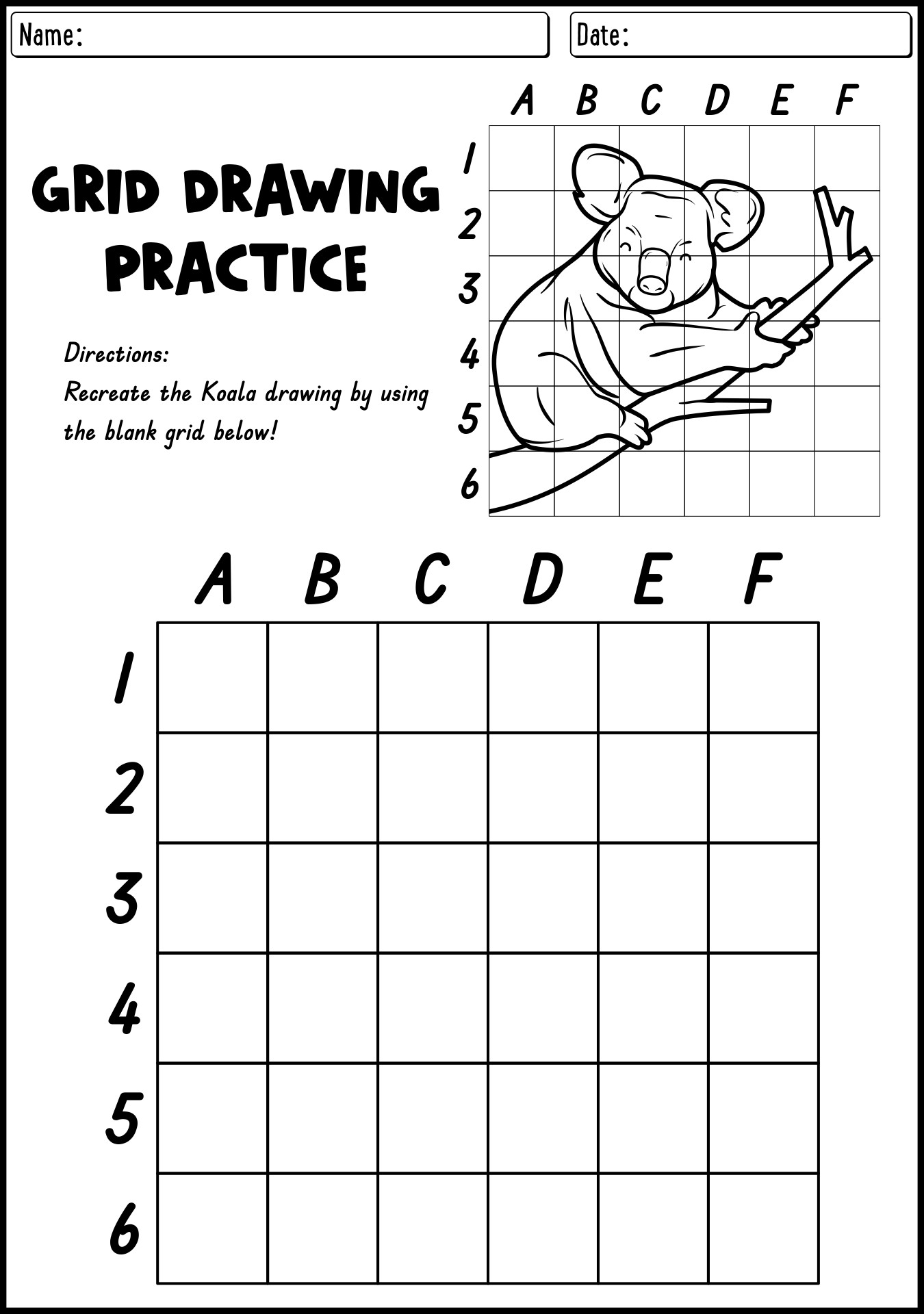
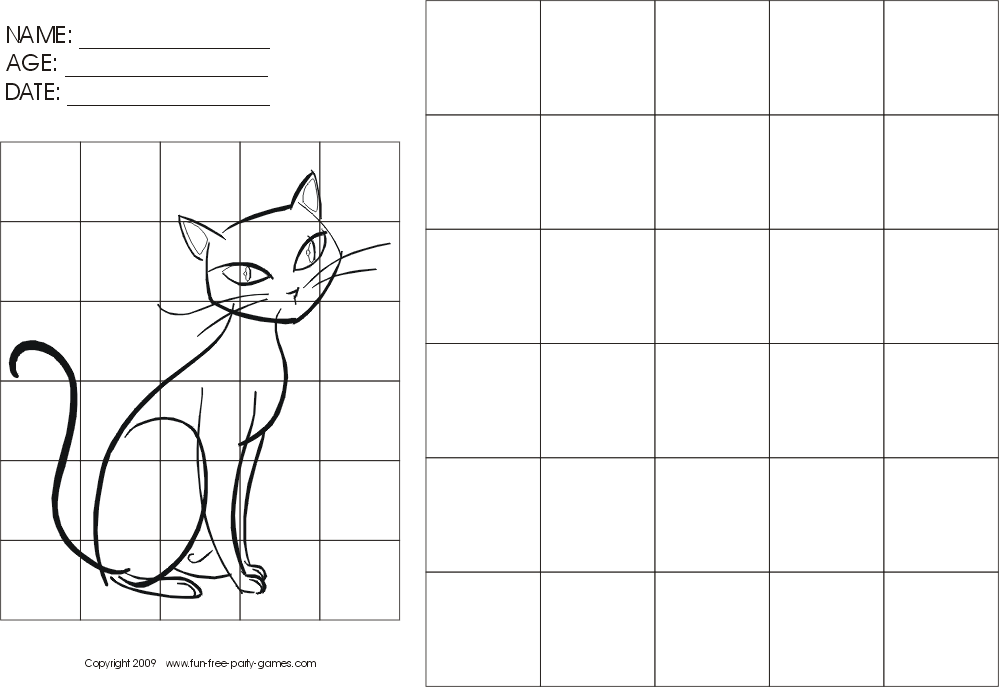
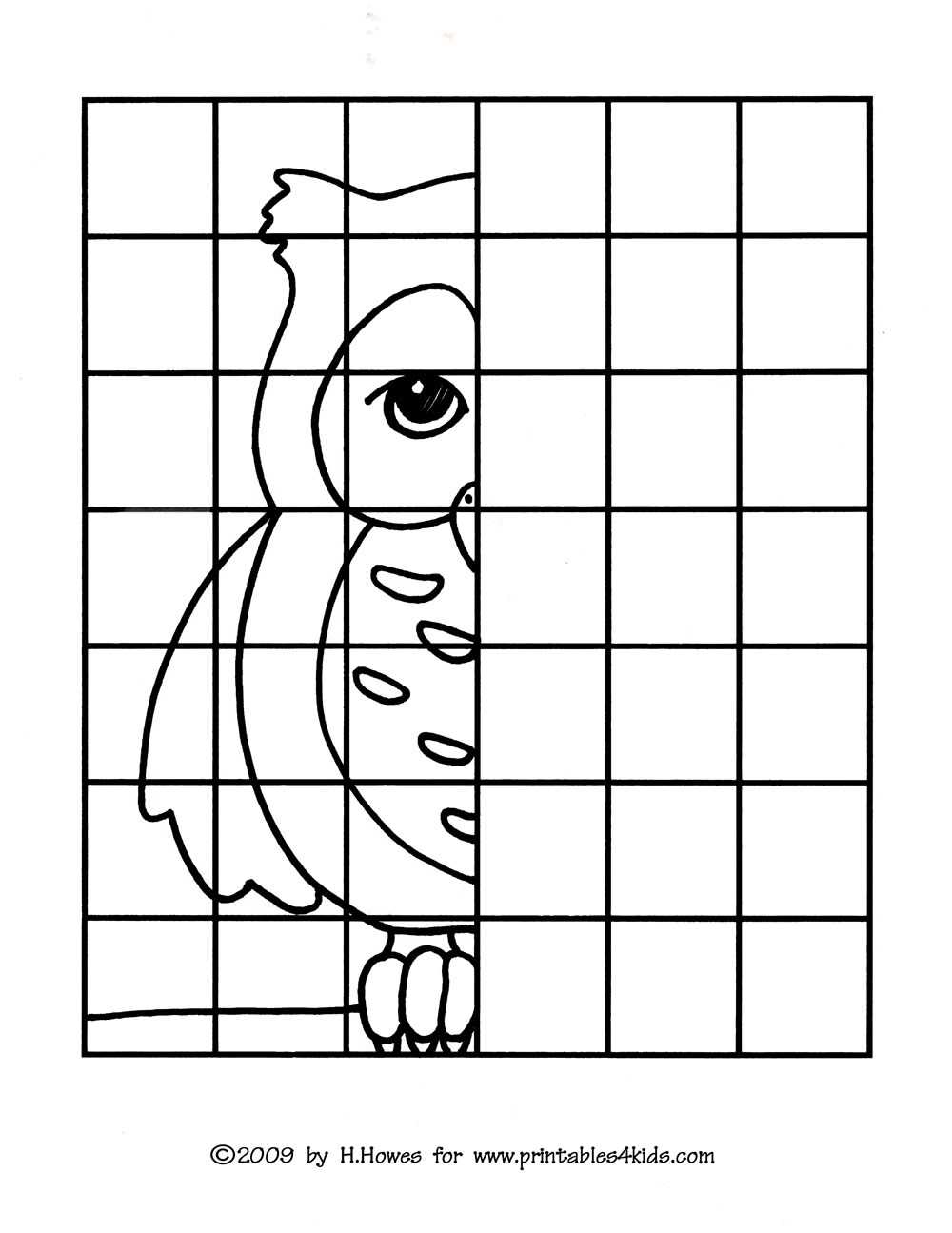
Grid drawing cm refers to the structured methodology of using a metric-based grid overlay on reference images and blank drawing sheets to teach children precise spatial awareness, proportion estimation, and hand-eye coordination. According to the National Art Education Association (NAEA), structured observational drawing techniques effectively scaffold visual-spatial intelligence, helping early learners break complex visual information into manageable geometric components. Mastering scale and proportion during early childhood lays a robust cognitive foundation for both advanced artistic expression and mathematical graphing literacy. Exploring specialized collections such as Grid Drawing provides educators with ready-to-print resources designed to facilitate this exact developmental milestone.
Visual Learning & Skill Snapshot:
- Core Focus: Centimeter-based grid partitioning for accurate image replication and spatial scaling.
- Target Skill: Spatial reasoning, visual discrimination, fine-motor proportion, and photo-based concept mastery.
- Key Recommendation: Pair high-contrast photo references with matching 1cm or 2cm grids to simplify coordinate tracking for young beginners.
Core Principles and Visual Learning Overview
Grid drawing cm leverages standard metric units to establish an objective coordinate system that bridges visual arts and fundamental geometry. Direct answer: Children learn to isolate individual square sections, focusing exclusively on line intersections, negative space, and contour lines within a single confined cell rather than feeling overwhelmed by an entire subject. This segment-by-segment cognitive processing reduces visual anxiety and builds confidence among early elementary students. Integrating real photo references alongside standard templates bridges abstract lines with tangible real-world objects, reinforcing cognitive association and memory retention. Curated tools like Photo Flashcards offer supplementary visual stimuli that enhance this exact observational skill set.
Key Specifications and Breakdown
| Age / Learning Stage | Visual Skill & Grid Ratio | Pedagogical Application & Scaffolding |
|---|---|---|
| Ages 4-5 (Early Explorers) | Large 3cm x 3cm cells; simplified outlines | Focuses on gross motor coordination and basic shape recognition using familiar animal or nature subjects. |
| Ages 6-7 (Developing Artists) | Standard 2cm x 2cm cells; moderate detail | Teaches intermediate coordinate mapping, intersecting line analysis, and direct proportion estimation. |
| Ages 8-9+ (Advanced Beginners) | Precise 1cm x 1cm cells; complex photography | Refines fine-motor precision, shading translation, and detailed visual scaling from high-resolution references. |
Structured visual activities involving metric coordinate grids significantly accelerate the development of bilateral coordination, visual-spatial attention, and fine-motor control in early childhood education. — National Art Education Association (NAEA)
Step-by-Step Practical Application and Printing Guidelines
Executing a successful centimeter grid drawing lesson requires precise printing parameters, high-contrast reference selection, and methodical step-by-step guidance. Direct answer: Educators must ensure that both the reference image and the blank worksheet utilize identical centimeter dimensions—such as matching 2cm square grids—to prevent mathematical scaling confusion for developing minds. Instruct learners to tackle the grid system one row at a time, moving sequentially from the top-left coordinate to the bottom-right corner. Utilizing durable cardstock for printable worksheets prevents warping from pencil pressure, while sharp 2B pencils allow young artists to easily erase guidelines once the core contour sketch is complete. Educators seeking broader skill-building materials can explore various Educational Activities designed to complement daily visual art curricula.
Common Challenges and How to Avoid Them
Children frequently struggle with grid drawing cm when they attempt to draw the entire subject at once instead of focusing on one isolated square cell. Direct answer: Instructors can eliminate this frustration by providing physical ‘window cards’ or L-shaped paper blockers that allow learners to isolate a single grid square and mask out distracting surrounding details. Another common error involves mismatched grid proportions between the photo reference and the drawing sheet, which distorts the final output. Ensuring uniform printer scale settings and utilizing pre-formatted worksheets guarantees mathematical alignment, keeping young artists engaged and successful.
💬 Frequently Asked Questions
Explore More Free Learning Printables and Visual Activities on WePhotoAgency
Empowering young learners with structured observational tools fosters lifelong creative confidence and critical spatial reasoning skills. Educators, parents, and homeschoolers can access an extensive library of professional resources, printable worksheets, and developmental guides by visiting WePhotoAgency.com to support comprehensive early childhood education.
Visual Reference Gallery