Introduction
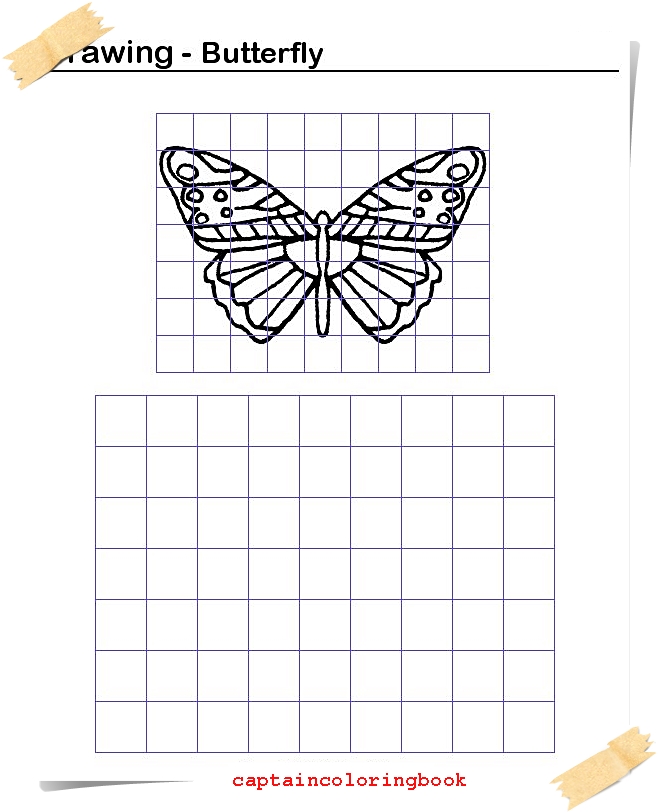
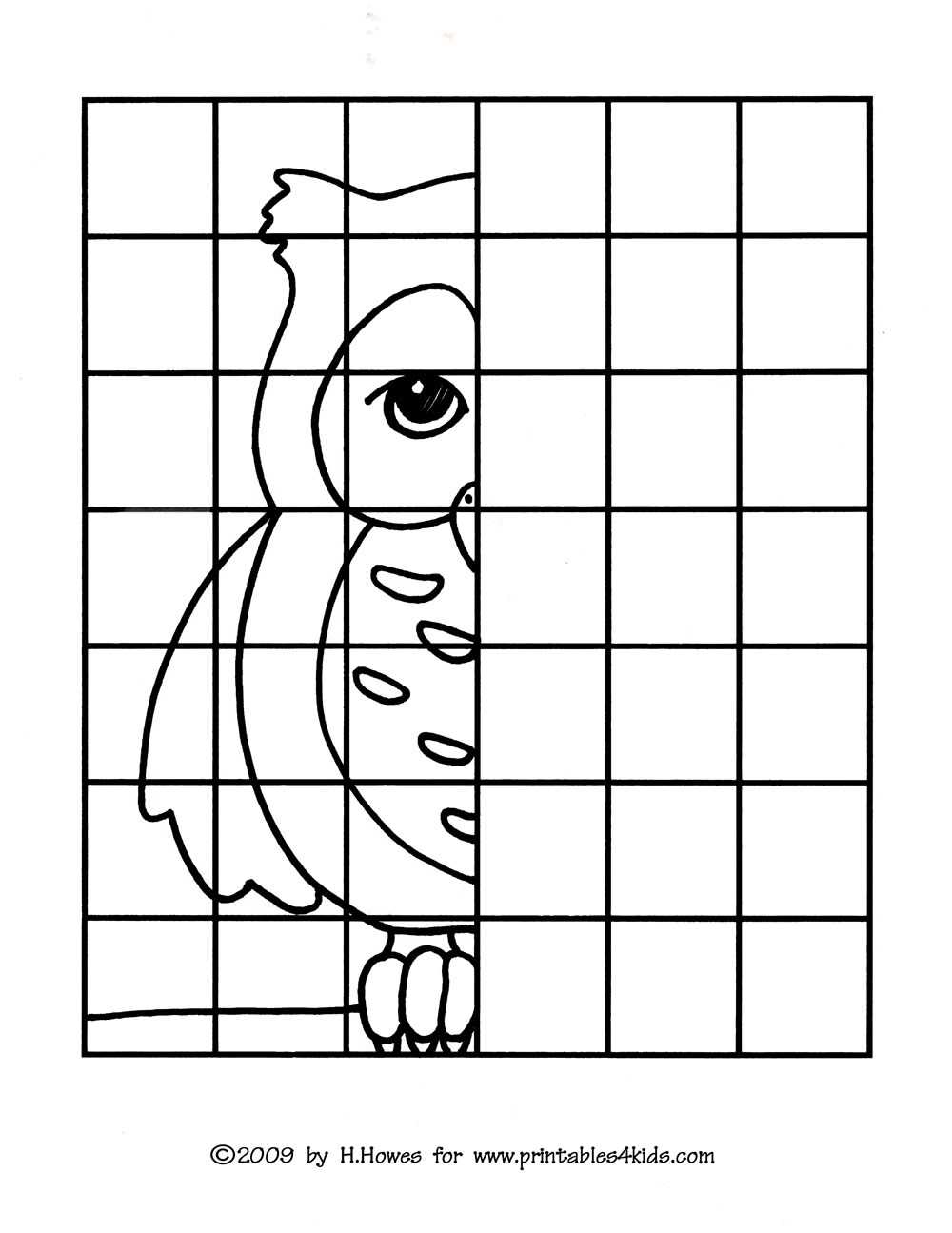
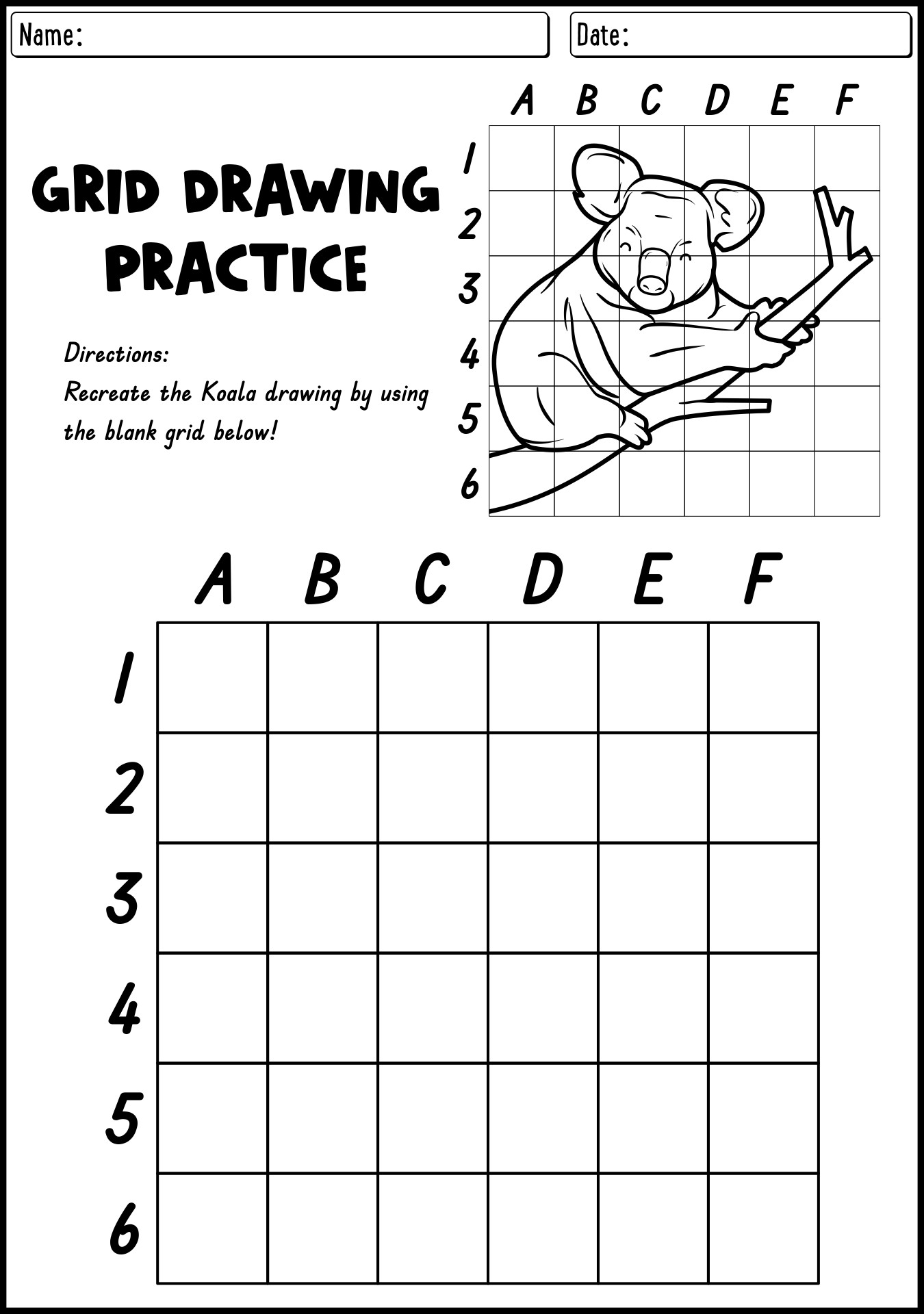
A grid drawing coloring book integrates structured spatial coordinates with photographic reference lines to teach young learners proportional accuracy and fine-motor control through systematic observation. According to the National Association for the Education of Young Children (NAEYC), hands-on visual arts activities that bridge geometric patterns with tactile drawing significantly enhance early visual-spatial processing and cognitive mapping in growing children. Utilizing printable Grid Drawing worksheets alongside real photo visual flashcards transforms abstract spatial mathematics into concrete, highly engaging artistic exercises.
Visual Learning & Skill Snapshot:
- Core Focus: Systematic breaking down of photographic reference images into manageable geometric grid coordinates.
- Target Skill: Spatial reasoning, visual discrimination, fine-motor proportion, and observation-based rendering.
- Key Recommendation: Pair large-cell printable grids with high-contrast real photo visual flashcards to scaffold early elementary success.
Core Principles and Visual Learning Overview
Spatial awareness is cultivated when learners systematically transfer visual information from a reference quadrant to a corresponding target drawing box. A grid drawing coloring book bridges the cognitive gap between freehand sketching and precise mathematical proportion by breaking complex photographic subjects into distinct, isolated quadrants. This methodology reduces cognitive overload, allowing children to focus exclusively on lines, curves, and negative space within a confined boundary. Educators frequently integrate real-world photographic stimuli, such as those found within specialized Photo Flashcards collections, to anchor the drawing exercise in tangible, real-world visual literacy.
Key Specifications and Breakdown
| Age / Learning Stage | Visual Skill & Grid Ratio | Pedagogical Application & Scaffolding |
|---|---|---|
| Ages 4–5 (Early Explorer) | 2×2 or 3×3 Large-Cell Grid | Focuses on basic shape recognition and matching simple lines using high-contrast photo references. |
| Ages 6–7 (Developing Artist) | 4×4 Medium-Cell Grid | Introduces proportional scaling, angle estimation, and foundational contour drawing techniques. |
| Ages 8–10 (Advanced Elementary) | 6×6 or dense coordinate grid | Emphasizes fine-motor precision, intricate shading, and complex photographic detail replication. |
Systematic visual division supports cognitive load reduction and fosters advanced spatial mapping abilities in early childhood education. — National Art Education Association (NAEA)
Step-by-Step Practical Application and Printing Guidelines
Executing effective grid drawing sessions requires careful selection of printable resources and high-contrast photographic subjects suited to the specific developmental stage of the child. Begin by selecting a clear, high-resolution reference image divided into numbered or lettered coordinate grids. Provide children with matching blank target grids printed on heavyweight paper to prevent bleeding from markers or heavy pencil pressure. Educators should demonstrate how to isolate a single quadrant at a time using a paper mask or index card, encouraging learners to analyze what shapes intersect specific grid lines before committing marks to paper. Incorporating these structured exercises into broader daily Educational Activities ensures consistent reinforcement of geometric and observational concepts.
Common Challenges and How to Avoid Them
Children frequently struggle when starting grid drawing activities due to moving across multiple quadrants randomly rather than completing one distinct box at a time. To prevent frustration, instructors should guide learners to focus entirely on the contents of a single square, noting where lines touch the top, bottom, and side boundaries of that specific cell. Another common hurdle involves using overly complex reference images featuring cluttered backgrounds, which overwhelms early visual discrimination skills. Selecting clean, isolated subjects against neutral backgrounds helps maintain focus, ensuring that proportion estimation remains an enjoyable, confidence-building experience rather than an insurmountable test.
💬 Frequently Asked Questions
Explore More Free Learning Printables and Visual Activities on WePhotoAgency
Continuous practice with structured spatial worksheets and photo-based visual tools establishes a robust foundation for advanced artistic and mathematical proficiency. Educators and parents seeking additional printable resources can explore the extensive curriculum libraries available at WePhotoAgency.com to support comprehensive early childhood development.
Printable Coloring Page Previews








Visual Reference Gallery