Introduction
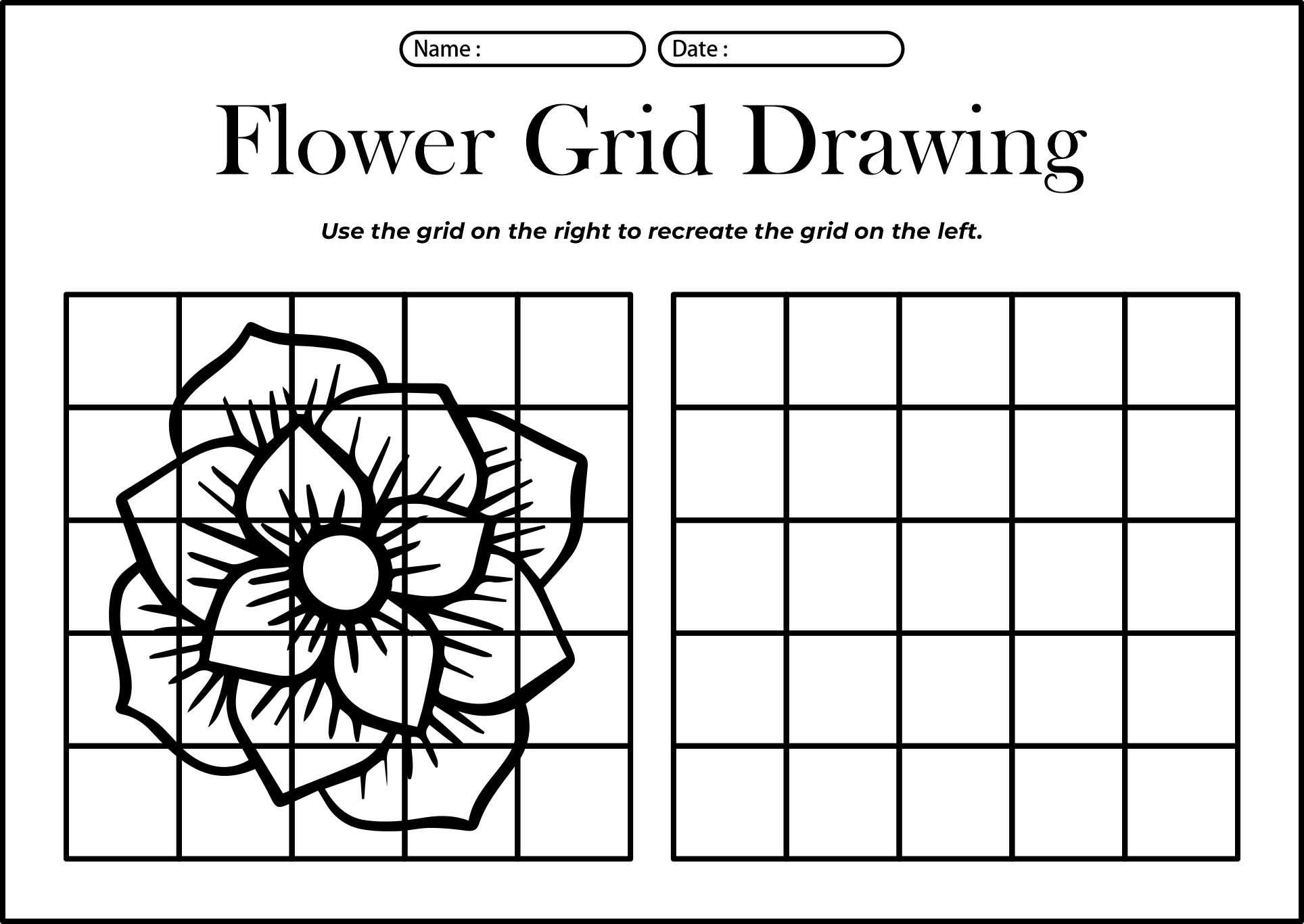
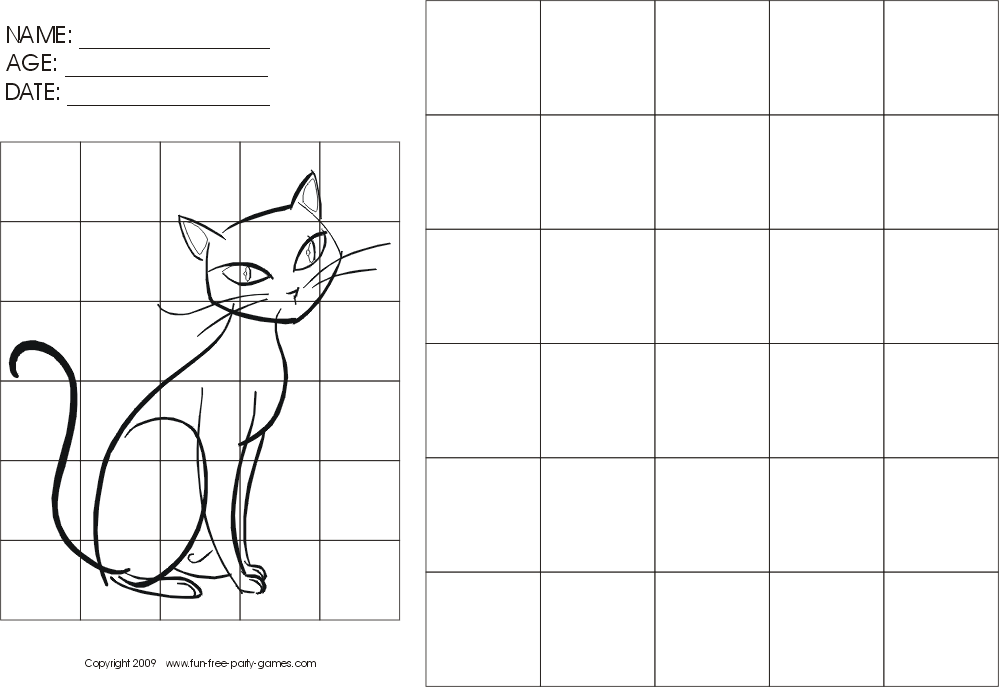
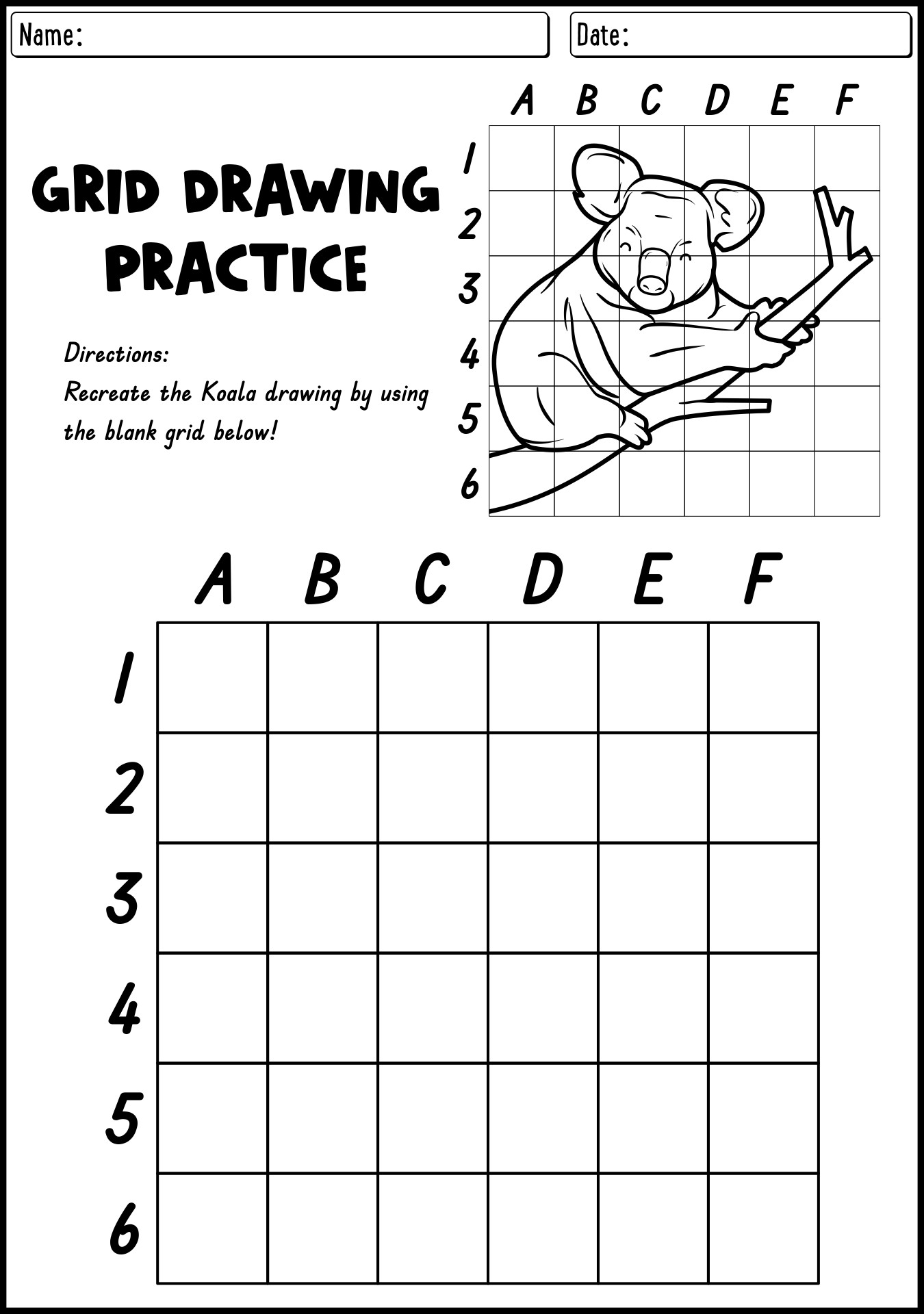
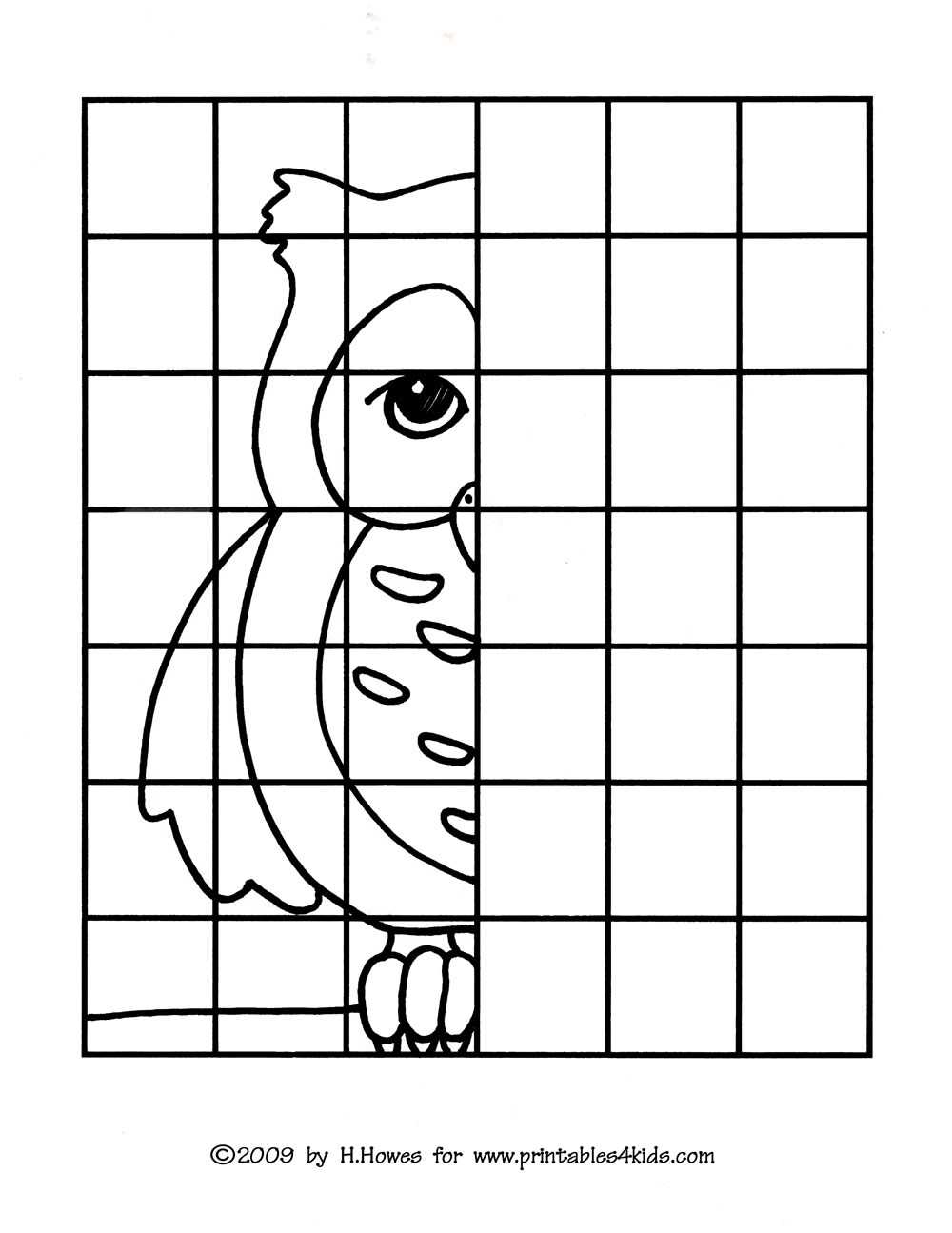
A grid drawing challenge is a structured visual learning exercise that divides a target image into smaller, manageable coordinate squares to teach children how to translate complex visual information onto blank corresponding grids. According to the National Art Education Association (NAEA), structured observational drawing activities significantly enhance spatial reasoning, proportional accuracy, and fine-motor coordination in early childhood education. Integrating Grid Drawing worksheets alongside real photographic references bridges the gap between abstract visual processing and concrete artistic execution. Educators and parents utilize these printable materials to cultivate sustained visual attention, patience, and geometric comprehension during formative learning years.
Visual Learning & Skill Snapshot:
- Core Focus: Systematic spatial breakdown and proportion transfer using coordinate grid lines.
- Target Skill: Spatial reasoning, visual discrimination, fine-motor proportion, and photo-based concept mastery.
- Key Recommendation: Pair high-contrast real photo references with simplified 2×2 or 3×3 grids for absolute beginners before advancing to complex matrices.
Core Principles and Visual Learning Overview
Grid drawing challenges operate on the foundational cognitive principle of chunking, which allows developing minds to break an overwhelming visual scene into isolated, easily processable geometric coordinates. By isolating individual squares from a larger picture, children shift focus away from preconceived symbols of objects and direct attention toward abstract lines, curves, negative spaces, and tonal relationships. This process aligns closely with principles found in structured Photo Flashcards, where real-world imagery replaces stylized cartoons to anchor cognitive development in tangible reality. Utilizing real photographic source material ensures that children learn to observe true proportions, lighting cues, and authentic structural contours rather than relying on generalized mental templates.
Key Specifications and Breakdown
| Age / Learning Stage | Visual Skill & Grid Ratio | Pedagogical Application & Scaffolding |
|---|---|---|
| Ages 4-5 (Early Learners) | 2×2 Matrix, High-Contrast Shapes | Focuses on basic shape recognition and simple coordinate tracking using large, bold photographic references. |
| Ages 6-7 (Early Elementary) | 3×3 Matrix, Simple Objects & Animals | Teaches intermediate line alignment, proportion estimation, and careful observation of overlapping elements. |
| Ages 8+ (Advanced Beginners) | 4×4 Matrix, Detailed Photographic Scenes | Builds advanced spatial mapping, precise pencil control, and complex contour replication across multiple coordinate boxes. |
Structured visual coordination exercises measurably improve visuospatial working memory and fine-motor precision in early childhood development. — National Art Education Association (NAEA)
Step-by-Step Practical Application and Printing Guidelines
Executing a successful grid drawing challenge requires clear preparation of print materials, stable workspace ergonomics, and intentional scaffolding of the reference images. Begin by printing matching grid worksheets on sturdy paper stock to prevent pencil punctures or tearing during repeated erasing. Place the source reference image and the blank drawing grid side-by-side on a flat surface to minimize uncomfortable head rotation and parallax errors. Instruct learners to select a single coordinate square at a time, labeling rows with letters and columns with numbers to reinforce alphanumeric literacy simultaneously. Encourage children to lightly sketch anchor points where lines intersect the grid borders before connecting the strokes with confident, controlled pencil movements. For broader curriculum integration, explore diverse Educational Activities designed to reinforce spatial awareness and multi-sensory cognitive growth.
Common Challenges and How to Avoid Them
Children frequently struggle with grid drawing challenges when the initial source image contains excessive visual clutter or when the grid density exceeds current developmental capacities. Educators and parents can prevent frustration by starting with simplified, high-contrast photographic subjects and limiting the worksheet to four or nine total squares. Another common obstacle involves learners attempting to draw the entire picture at once instead of focusing exclusively on one isolated box; mitigate this by providing a small cardboard viewfinder card that covers adjacent squares. Emphasize that perfection is secondary to observational effort, reminding young artists to constantly compare the relative distances of lines from the top and side borders of each individual grid cell.
💬 Frequently Asked Questions
Explore More Free Learning Printables and Visual Activities on WePhotoAgency
Unlocking young creative potential requires access to thoughtfully designed resources that merge cognitive development with artistic expression. Educators, homeschoolers, and parents can discover an extensive library of printable worksheets, visual guides, and creative learning tools by visiting WePhotoAgency.com to support comprehensive early childhood development.
Visual Reference Gallery