Introduction
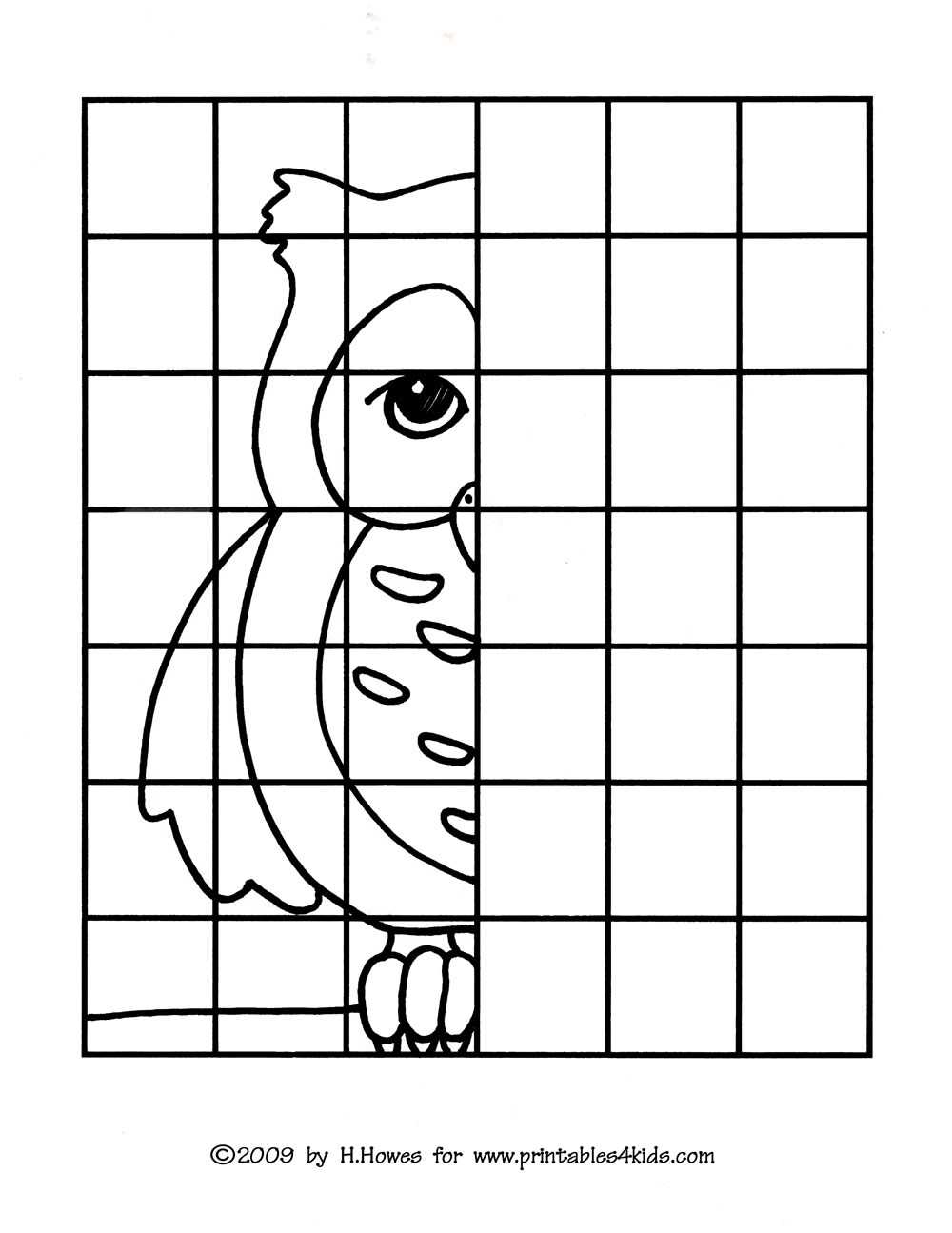
A grid drawing cat exercise systematically breaks down complex animal anatomy into manageable geometric squares, transforming photographic reference material into accessible spatial puzzles for early learners. According to the National Association for the Education of Young Children (NAEYC), structured visual-spatial activities during early childhood significantly enhance foundational mathematical reasoning, observational accuracy, and fine-motor coordination. Educators utilize printable worksheets paired with real photo visual flashcards to cultivate patience and cognitive tracking as children learn to replicate feline contours box by box. By shifting visual focus from an overwhelming whole animal to isolated lines within individual squares, children bypass generalized symbolic drawing habits and engage in true optical observation.
Visual Learning & Skill Snapshot:
- Core Focus: Systematic spatial division of feline photography using proportional grid coordinates.
- Target Skill: Spatial reasoning, visual discrimination, fine-motor proportion, and photo-based concept mastery.
- Key Recommendation: Pair high-contrast photo references with large 4×4 coordinate grids before introducing denser multi-square layouts.
Core Principles and Visual Learning Overview
Proportional grid replication develops advanced hand-eye coordination by training the brain to analyze negative space, line angles, and intersection points rather than relying on mental symbols. Utilizing materials found within Grid Drawing collections allows instructors to scaffold instruction from simple three-by-three grids to complex coordinate systems. When children observe an actual feline subject through Photo Flashcards, cognitive processing shifts from abstract imagination to concrete visual analysis. This methodology mirrors professional artistic practices, teaching young minds to measure distances visually, recognize symmetry, and build confidence through incremental drawing success.
Key Specifications and Breakdown
| Age / Learning Stage | Visual Skill & Grid Ratio | Pedagogical Application & Scaffolding |
|---|---|---|
| Ages 4-5 (Early Foundation) | 2×2 or 3×3 simple square ratio | Focuses on basic contour recognition, major facial features, and large motor pencil control using Educational Activities templates. |
| Ages 6-7 (Developing Primary) | 4×4 balanced coordinate grid | Emphasizes proportional ear placement, whisker angles, and tracking individual grid intersections without losing overall composition. |
| Ages 8+ (Advanced Elementary) | 5×5 or higher detail grid layout | Introduces tonal shading mapping, complex fur texture interpretation, and precise measurement comparisons across distant grid quadrants. |
Systematic visual arts instruction utilizing proportional coordinate grids demonstrably improves spatial memory retention and geometric estimation accuracy in early elementary school students — National Art Education Association (NAEA). For more related activities, check out our Grid Drawing Easy.
Step-by-Step Practical Application and Printing Guidelines
Executing an accurate feline coordinate drawing requires high-contrast printouts, stable writing surfaces, and clear division markers to ensure optimal visual tracking. Instructors should print reference sheets featuring clear lighting and sharp feline features alongside a matching blank grid worksheet equipped with identical row and column labels. Learners begin by locating the top-left coordinate square, identifying where the cat’s ear or eye intersects the grid lines, and carefully replicating that exact stroke before proceeding to adjacent squares. Utilizing a lightweight ruler or an L-shaped masking card helps young children isolate one grid square at a time, minimizing visual clutter and reducing cognitive overload during the rendering process.
Common Challenges and How to Avoid Them
Students frequently encounter frustration when attempting to draw the entire animal at once rather than focusing strictly on isolated square coordinates. To prevent misalignment, educators must actively discourage freehand sketching across multiple grid lines and instead prompt learners to ask specific positional questions regarding where lines cross horizontal and vertical boundaries. If proportions appear distorted, covering completed squares with a blank sheet of paper helps refocus attention on immediate local geometry. Providing varied reference photographs featuring distinct lighting and clear feline silhouettes ensures children practice analytical observation rather than memorized symbolic drawing habits.
💬 Frequently Asked Questions
Explore More Free Learning Printables and Visual Activities on WePhotoAgency
Accessing comprehensive educational resources empowers parents and educators to build robust visual-spatial curricula without excessive preparation time. The complete library at WePhotoAgency.com provides professionally curated worksheets, high-resolution visual references, and structured coordinate templates designed to inspire creativity and cognitive growth across all early childhood learning environments.
Visual Reference Gallery