Introduction
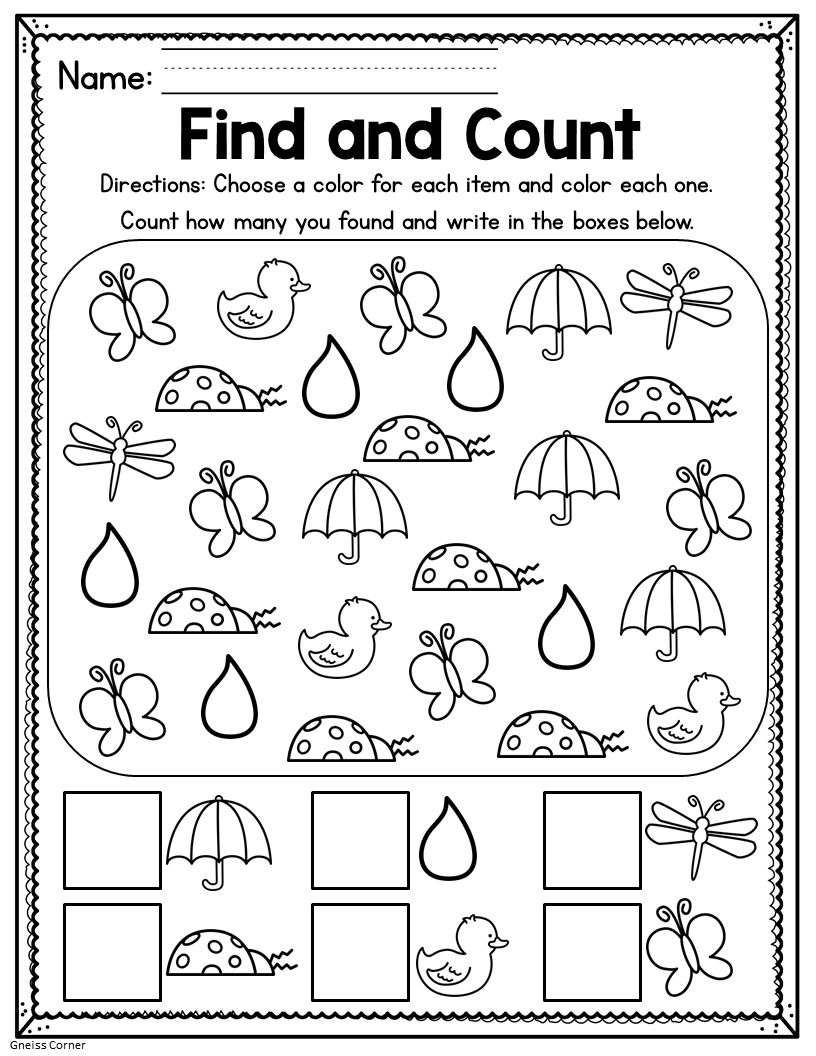
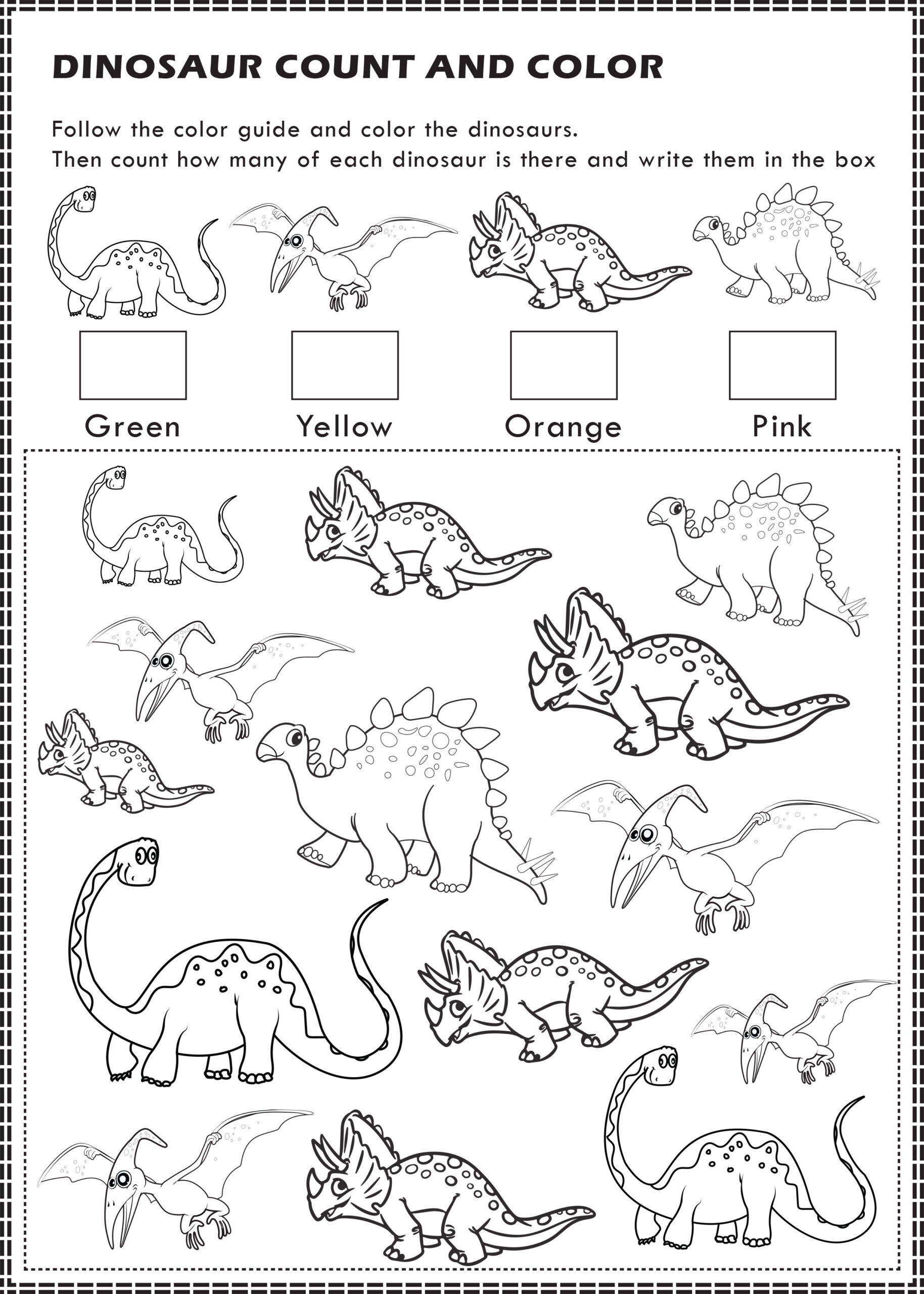
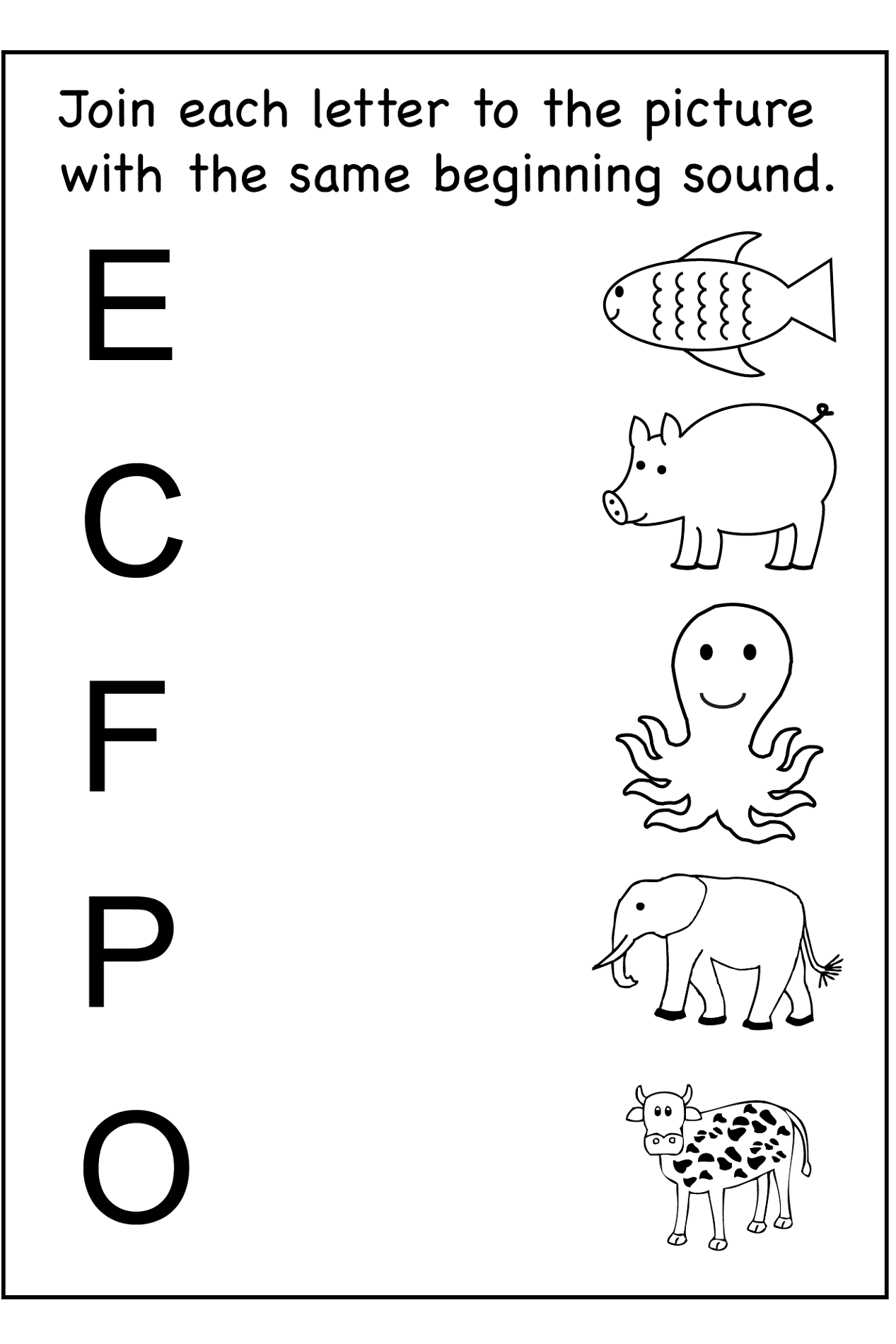
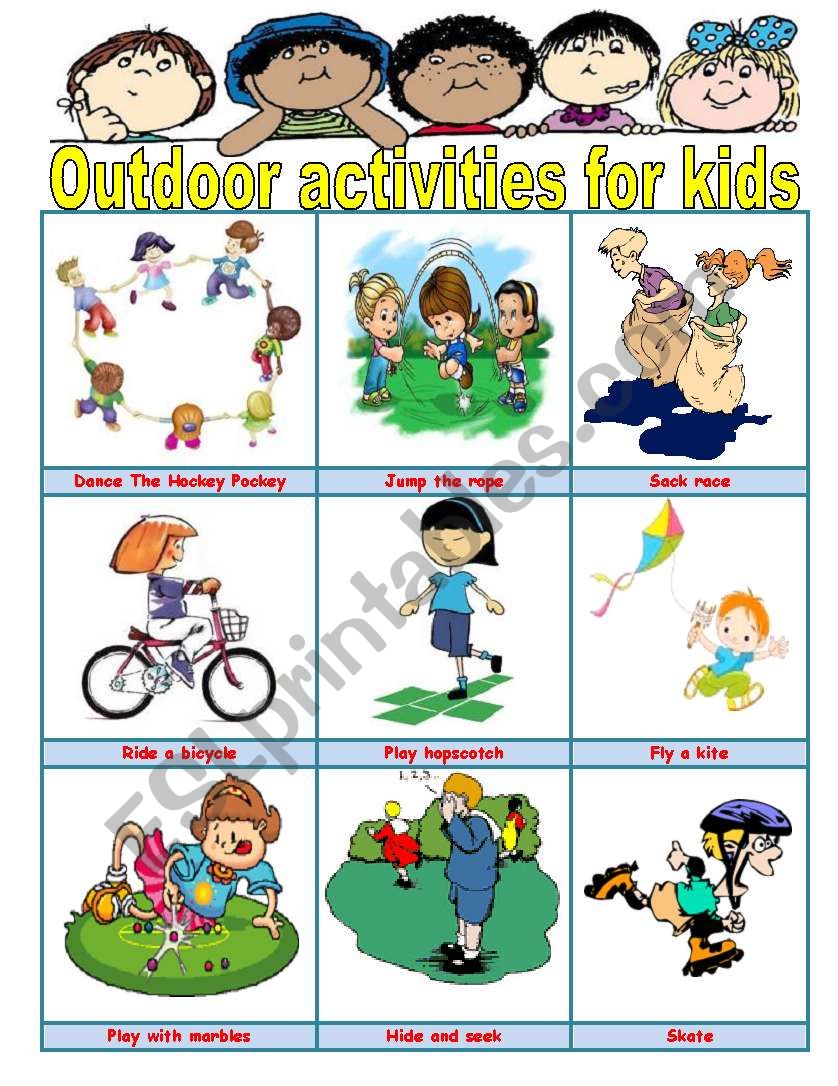
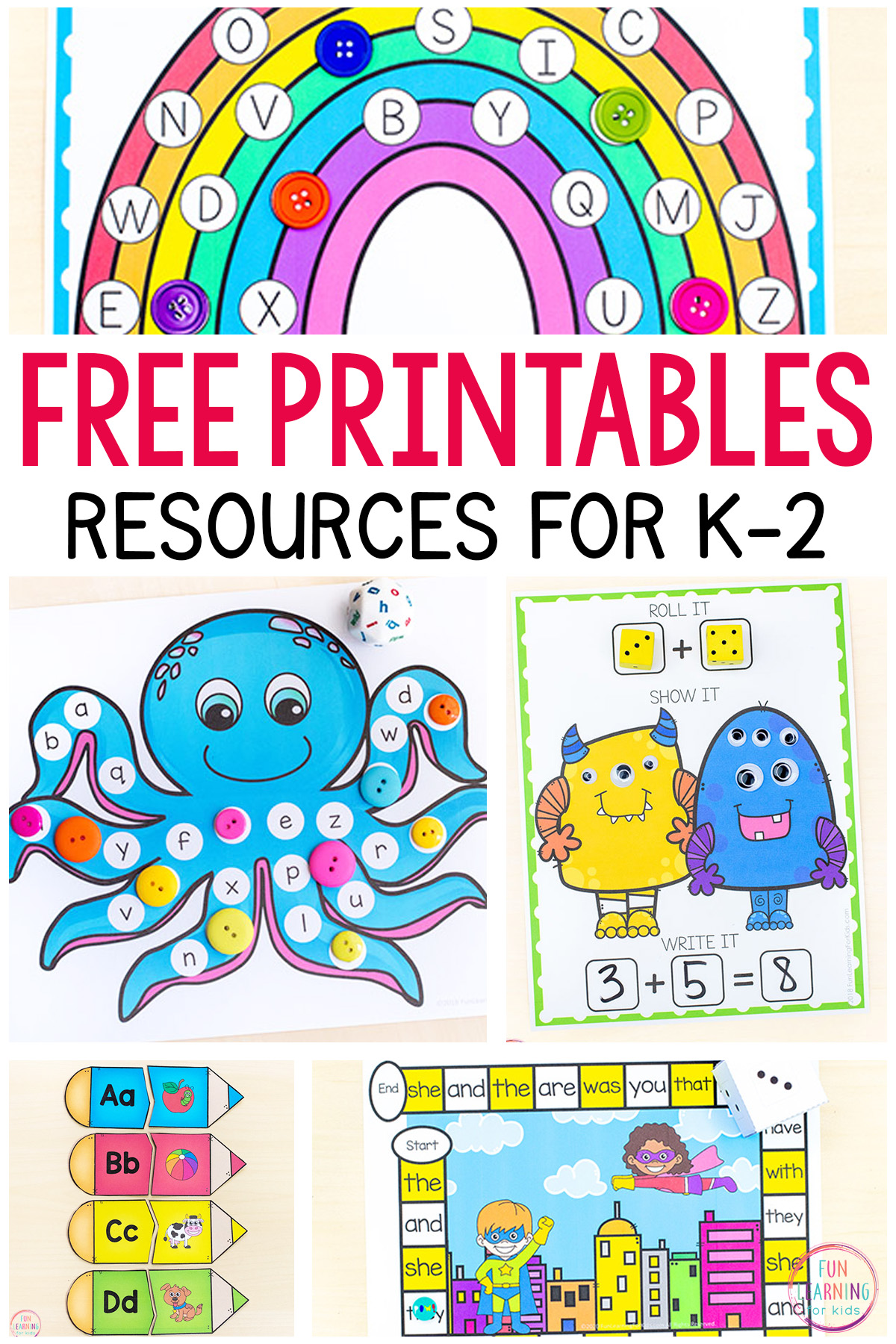
Fun learning activities for kids printable resources combine structured visual exercises and real photographic references to systematically accelerate cognitive development, spatial awareness, and fine-motor control. According to the National Association for the Education of Young Children (NAEYC), hands-on visual arts and structured representation tasks actively foster critical thinking, problem-solving capabilities, and mathematical proportion estimation in early childhood education. Utilizing downloadable materials such as Grid Drawing worksheets and photographic flashcards provides young learners with tangible, repeatable frameworks that bridge concrete observation and abstract cognitive abstraction.
Visual Learning & Skill Snapshot:
- Core Focus: Printable visual-spatial worksheets and photographic tools that translate observation into accurate drawing and classification.
- Target Skill: Spatial reasoning, visual discrimination, fine-motor proportion, and real-world concept mastery.
- Key Recommendation: Pair high-contrast photo references with simplified grid frameworks to scaffold early drawing and cognitive tasks.
Core Principles and Visual Learning Overview
Printable visual learning activities establish essential neuro-pathways by requiring children to analyze complex forms, break them down into manageable segments, and reconstruct them accurately on paper. Integrating Photo Flashcards alongside structured drawing templates enhances semantic memory, object recognition, and visual literacy by grounding abstract concepts in authentic photographic imagery. Educators and parents leverage these structured printouts to train the young eye in measuring angles, assessing scale, and discerning negative space without the frustration often caused by blank-page intimidation. By shifting cognitive focus from generalized rendering to specific, coordinate-based observation, learners develop heightened concentration and meticulous hand-eye coordination.
Key Specifications and Breakdown
| Age / Learning Stage | Visual Skill & Grid Ratio | Pedagogical Application & Scaffolding |
|---|---|---|
| Ages 4-5 (Early Foundation) | 2×2 simple grid with bold photo contours | Introduces coordinate tracking and basic shape replication using high-contrast everyday objects. |
| Ages 6-7 (Early Elementary) | 4×4 standard grid with realistic photo references | Develops proportion estimation, fine-motor pencil control, and structured observational analysis. |
| Ages 8-10 (Advanced Mastery) | 6×6 complex grid with intricate nature and architectural photos | Refines geometric alignment, multi-step concentration, and independent spatial problem-solving. |
Structured visual activities and grid-based representation tasks significantly improve spatial cognition, fine-motor dexterity, and mathematical proportion estimation in early learners. — National Art Education Association (NAEA)
Step-by-Step Practical Application and Printing Guidelines
Executing printable visual activities effectively requires standardized print configurations, proper paper weights, and sequential skill scaffolding to ensure optimal student engagement. Educators should print materials on heavy cardstock (minimum 65 lb / 176 gsm) to prevent tearing during repeated eraser use and fine-motor grid tracing. Begin the session by displaying the reference image alongside the blank grid, encouraging learners to isolate individual squares rather than attempting to draw the entire subject at once. For optimal retention and skill expansion, teachers and homeschoolers can integrate diverse Educational Activities that transition children from guided grid copying to independent observational drawing from real life.
Common Challenges and How to Avoid Them
Children frequently struggle with grid drawing and photo-matching exercises when the chosen reference image contains excessive visual clutter or when the grid density exceeds current developmental readiness. To prevent cognitive overload, adults must select simplified, high-contrast photographic subjects and scale back grid complexity until the child demonstrates consistent coordinate tracking. Discourage rushing through individual grid cells by modeling how to look back and forth between the reference photo and the drawing sheet multiple times before making a single pencil stroke. Providing supportive guidance, positive reinforcement, and appropriately scaled printables ensures that frustration remains low and creative confidence steadily grows.
💬 Frequently Asked Questions
Explore More Free Learning Printables and Visual Activities on WePhotoAgency
Discover an extensive library of professionally curated visual resources, drawing worksheets, and cognitive development tools designed to inspire young learners by visiting WePhotoAgency.com. Access new printable materials regularly to continuously challenge spatial reasoning and support creative exploration in classrooms and homes alike.
Visual Reference Gallery