Introduction
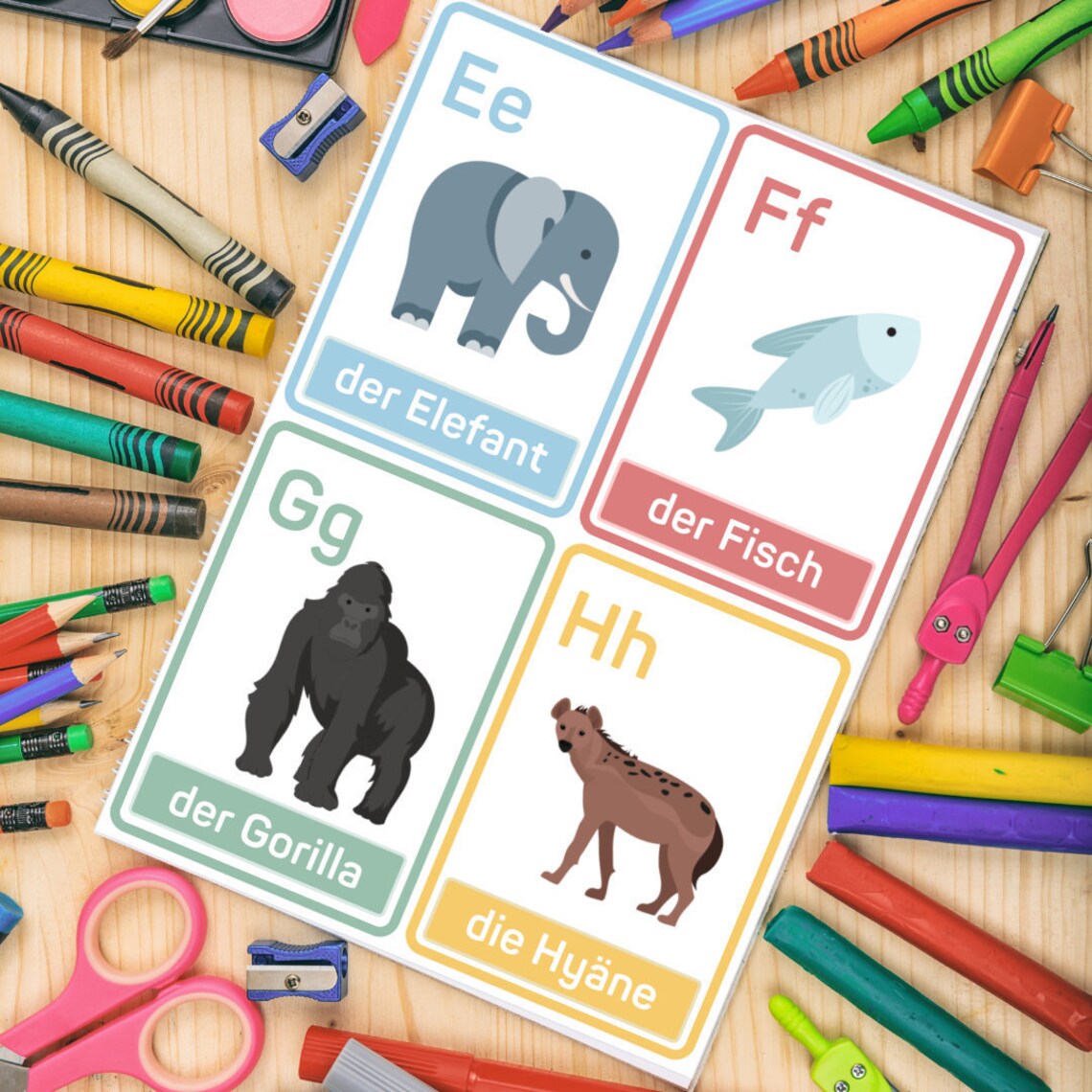
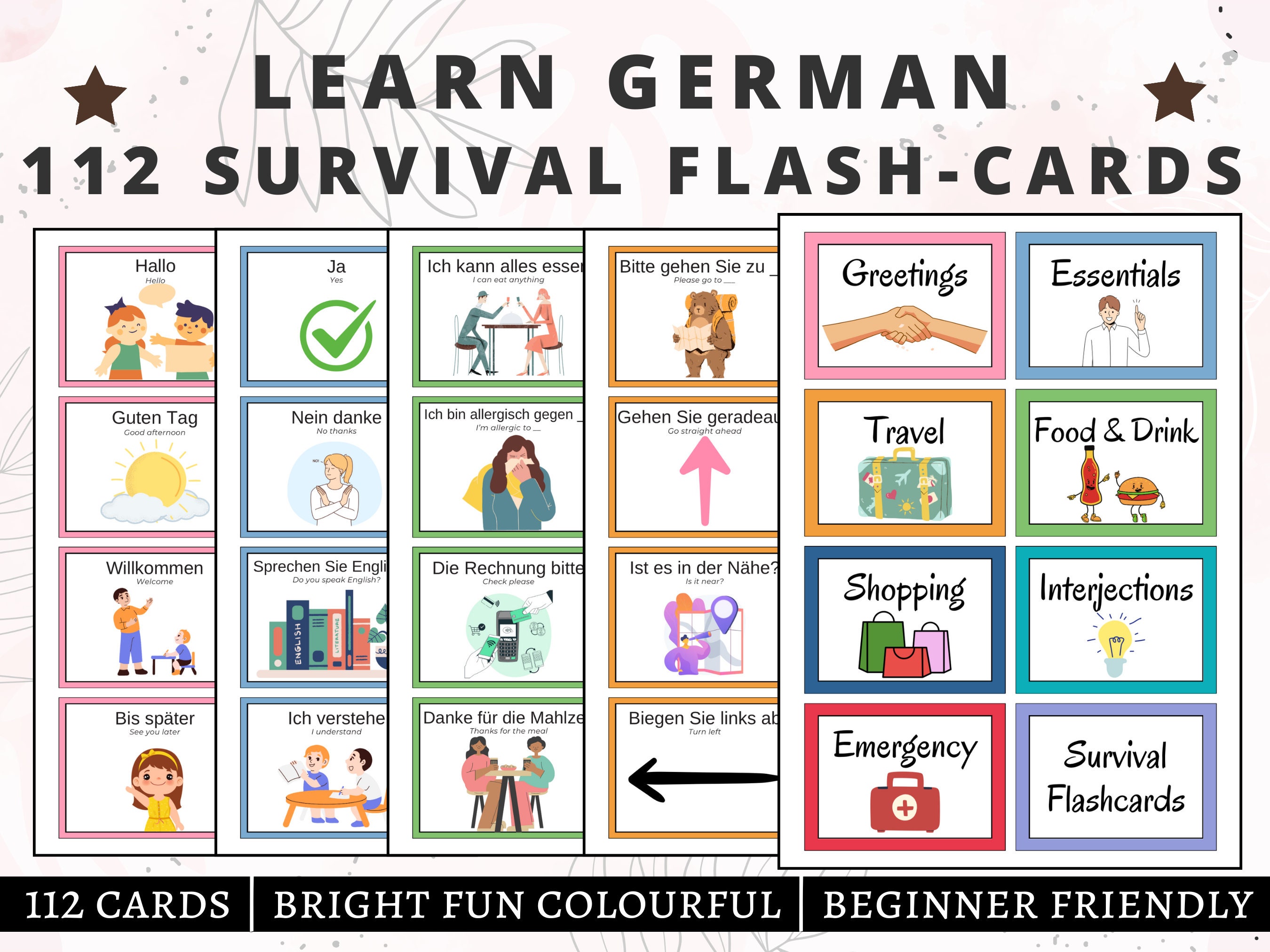
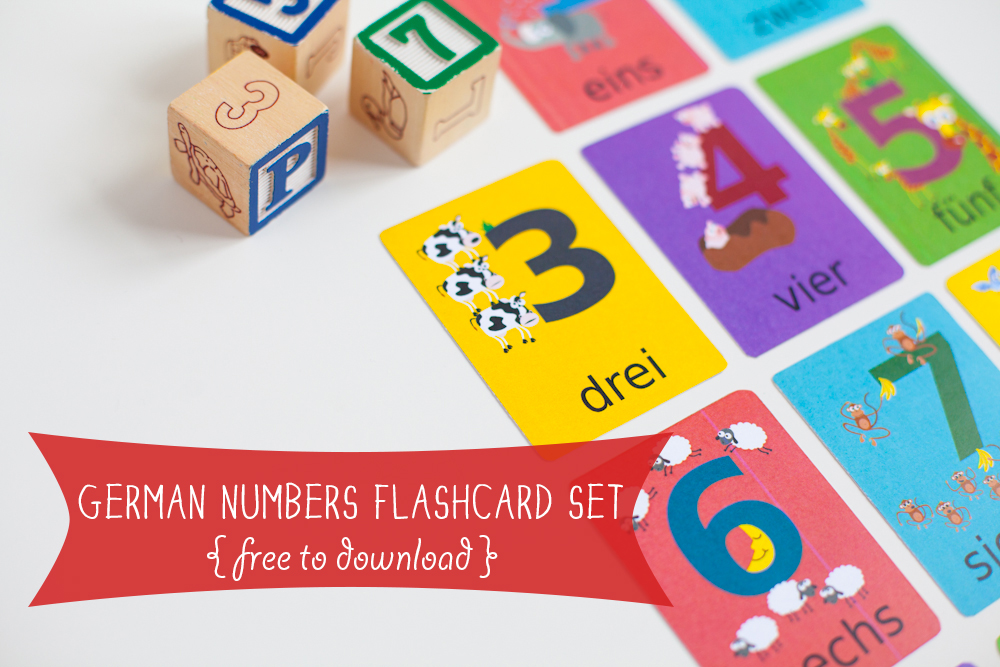
Free printable german flashcards function as multilingual visual learning tools that simultaneously build foreign language vocabulary, spatial awareness, and proportional drawing skills through photographic stimuli. According to the National Association for the Education of Young Children (NAEYC), integrating dual-language visual supports with hands-on cognitive tasks significantly enhances early childhood memory retention, executive function, and linguistic processing. Utilizing Photo Flashcards alongside structured layout frameworks allows educators to bridge concrete linguistic concepts with abstract artistic representation. This resource guide details how to leverage downloadable visual assets to foster advanced observation skills, precise proportion estimation, and bilingual fluency in early elementary environments.
Visual Learning & Skill Snapshot:
- Core Focus: Free printable german flashcards paired with structured grid drawing and spatial scaling exercises.
- Target Skill: Spatial reasoning, visual discrimination, fine-motor proportion, and bilingual concept mastery.
- Key Recommendation: Laminate high-contrast photographic resources and pair them with dry-erase grid worksheets for repeated iterative practice.
Core Principles and Visual Learning Overview
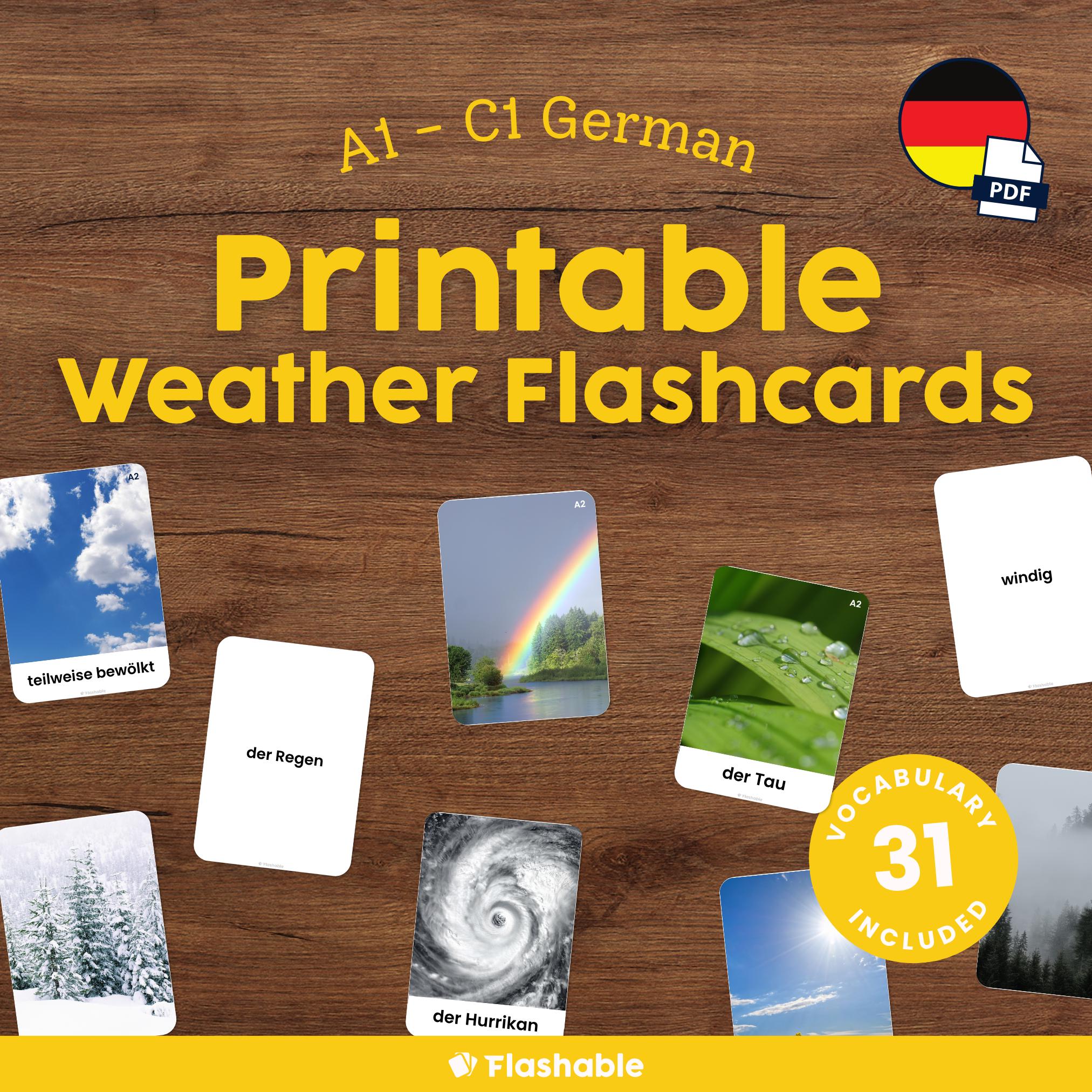
Visual learning principles dictate that pairing realistic photographic images with foreign language labels accelerates semantic mapping and enhances cognitive flexibility in young children. When children study real photo flashcards, the brain rapidly encodes visual data while simultaneously linking the image to a target vocabulary term. Translating this visual processing into hands-on drawing activities—such as transferring photographic elements onto a measured coordinate matrix—requires sophisticated spatial transformation. Integrating these bilingual visual materials into daily Educational Activities transforms passive memorization into active, multi-sensory problem-solving.
Key Specifications and Breakdown
| Age / Learning Stage | Visual Skill & Grid Ratio | Pedagogical Application & Scaffolding |
|---|---|---|
| Ages 4-5 (Early Years) | 1×1 to 2×2 Basic Quadrant | Focuses on macro-shapes, basic noun identification, and foundational fine-motor control using high-contrast photo cards. |
| Ages 6-7 (Early Elementary) | 3×3 to 4×4 Coordinate Matrix | Emphasizes proportion estimation, spatial orientation, and correct German article attribution (der, die, das). |
| Ages 8-9 (Advanced Elementary) | 5×5 Detailed Grid Scale | Challenges students with complex perspective rendering, descriptive adjectives, and sentence-building exercises. |
Artistic and cognitive development in early childhood relies on multi-sensory integration, connecting direct visual observation with physical fine-motor execution to build lasting neural pathways. — National Art Education Association (NAEA)
Step-by-Step Practical Application and Printing Guidelines
Executing successful visual arts and language lessons requires precise preparation of printable materials and controlled classroom environments. First, download high-resolution graphic sheets from verified educational repositories, ensuring that ink-jet settings are calibrated to 100% scale without auto-fit distortion. Next, print the materials onto heavy cardstock (minimum 110 lb weight) to prevent bleed-through and tactile fatigue during manipulation. Pair these assets with structured Grid Drawing templates, instructing learners to observe individual squares on the photo reference before sketching corresponding lines onto their blank coordinate worksheets. Finally, store completed sets in organized pocket charts to encourage independent student access and regular review.
Common Challenges and How to Avoid Them
Common obstacles in visual grid scaling include cognitive overload from overly complex reference images and student frustration when proportions fail to align across coordinate lines. Educators can mitigate these issues by starting young learners with simple, isolated objects against neutral backgrounds before introducing multi-item photographic scenes. Furthermore, teachers should discourage rushing the observation phase; dedicating the first two minutes solely to pointing out lines, angles, and German vocabulary terms dramatically improves final artistic accuracy. Providing physical framing tools or cardboard viewfinders also helps children isolate specific grid quadrants and reduces visual distraction.
💬 Frequently Asked Questions
Explore More Free Learning Printables and Visual Activities on WePhotoAgency
Educators, parents, and homeschoolers seeking to expand their curriculum can access an extensive collection of professional visual resources, developmental worksheets, and creative exercises by visiting the main portal at WePhotoAgency.com. Continued engagement with high-quality photographic media and structured drawing frameworks ensures children build robust cognitive, artistic, and linguistic foundations for lifelong academic success.
Visual Reference Gallery