Introduction
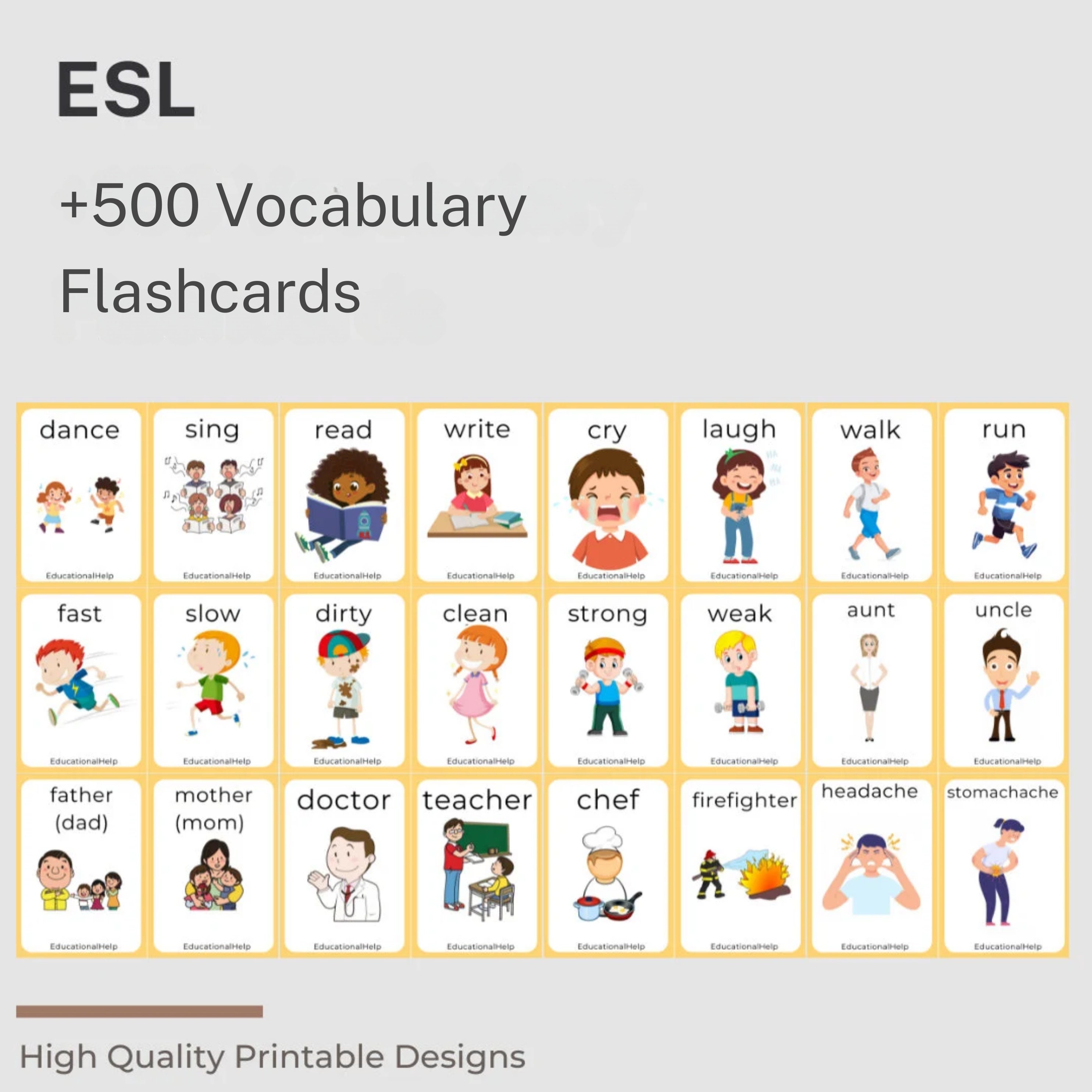
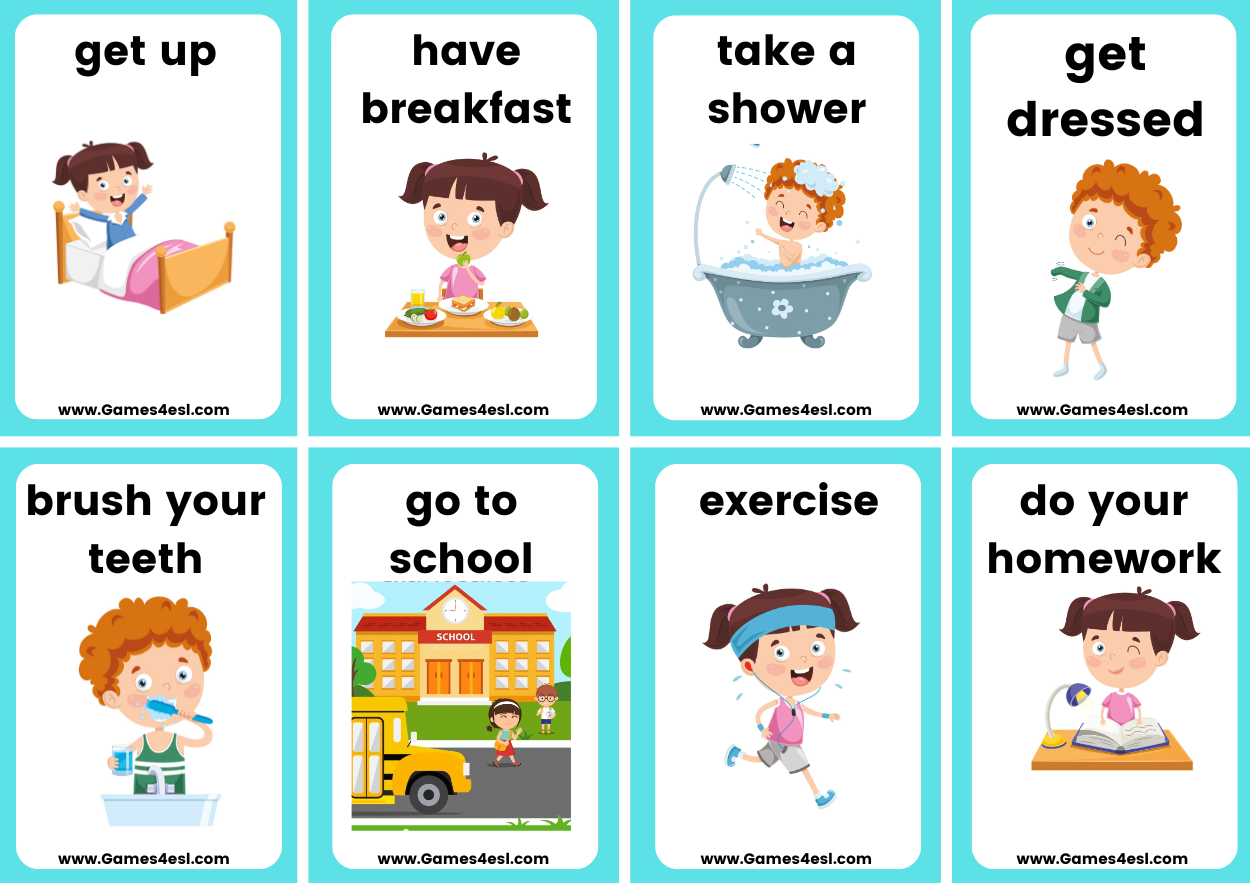
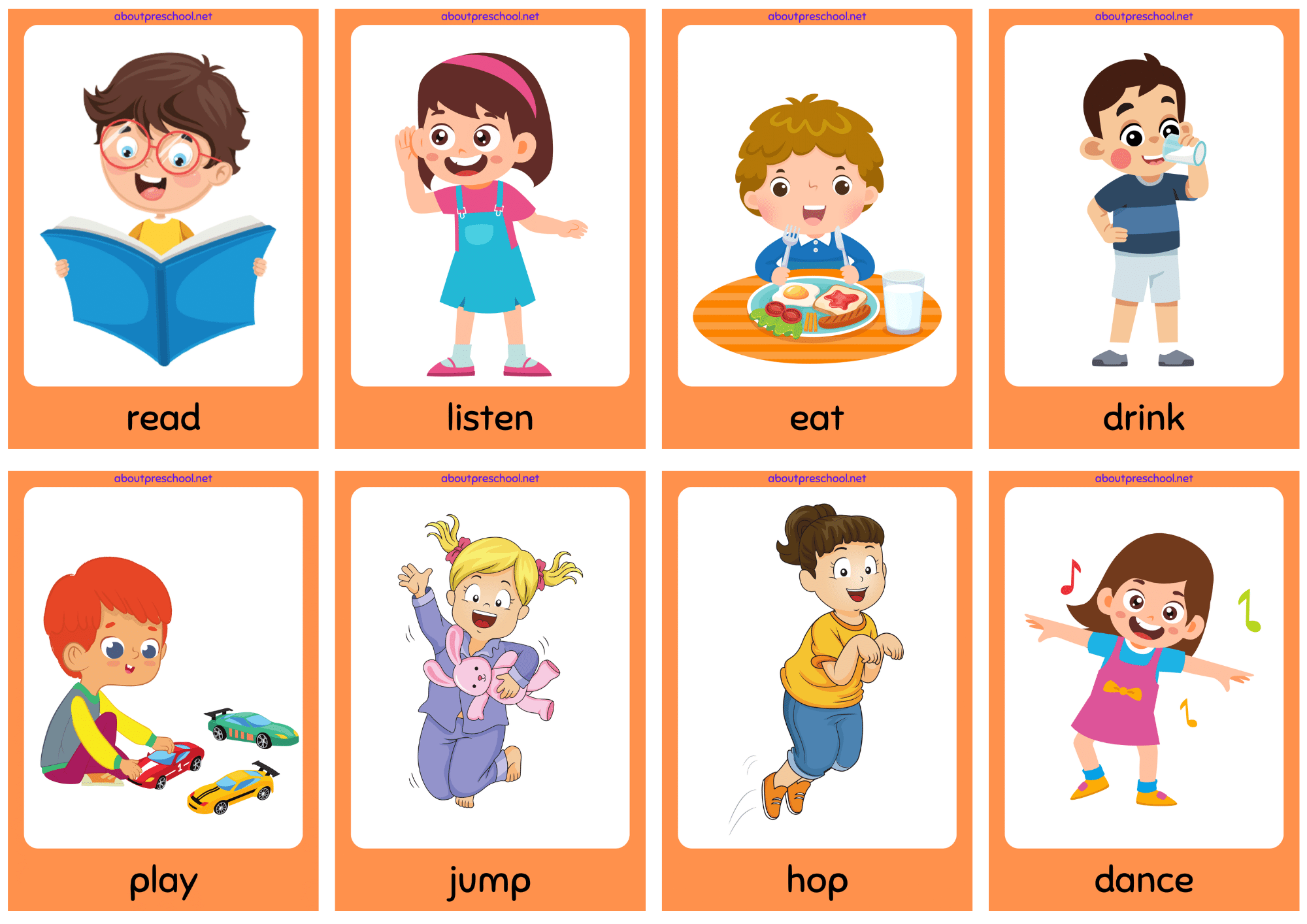
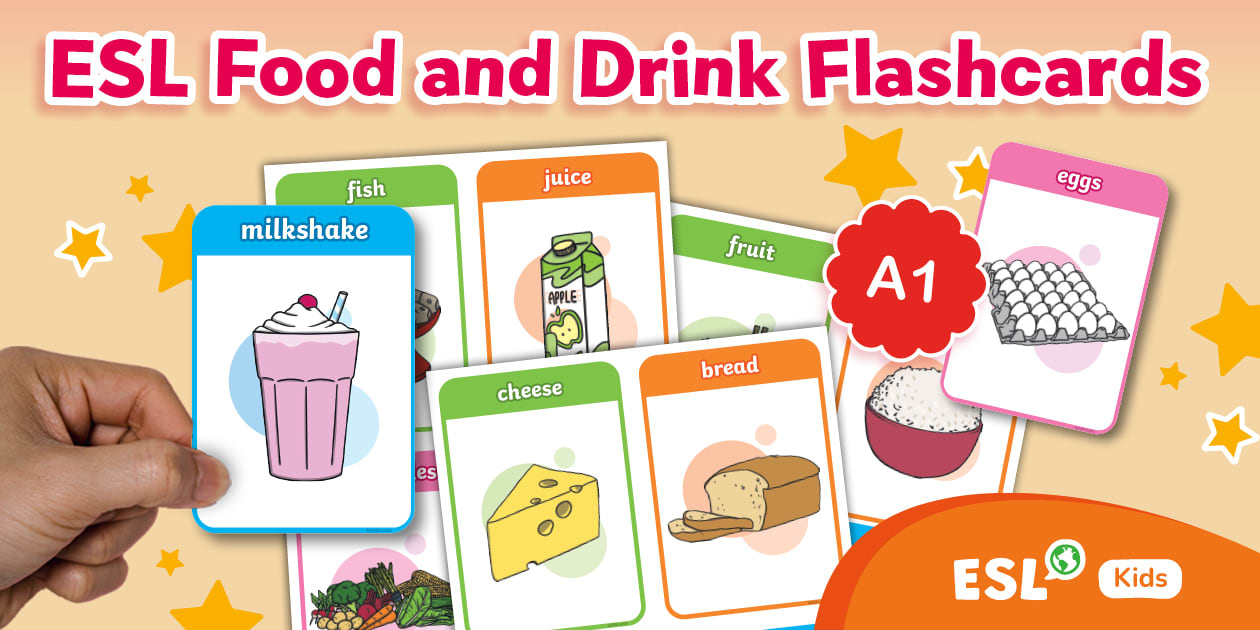
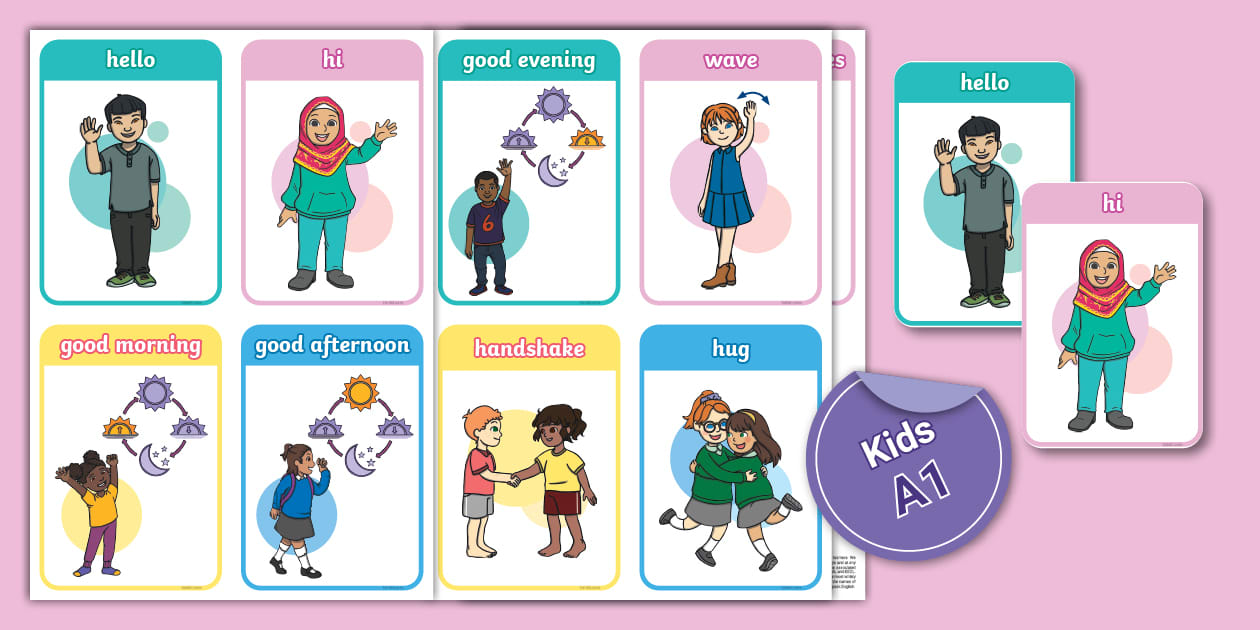
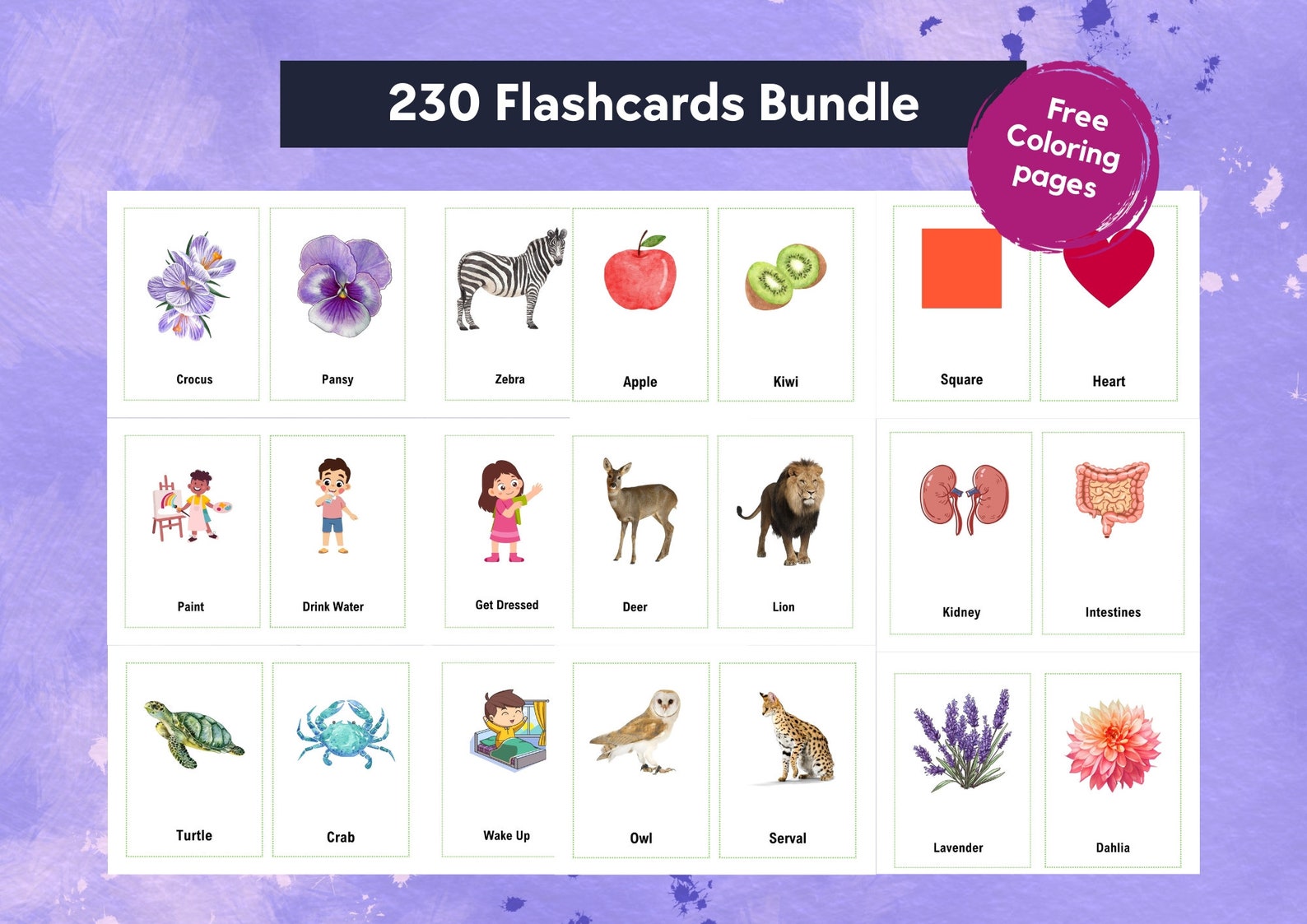
ESL picture flashcards are tangible photographic learning tools that accelerate language acquisition by bridging concrete visual imagery with abstract vocabulary through targeted cognitive mapping. According to the National Association for the Education of Young Children (NAEYC), visual representations paired with real-world objects significantly enhance memory retention and support language development in multilingual learners. Integrating these photographic cards into printable grid drawing worksheets bridges linguistic learning with foundational fine-motor control, spatial reasoning, and visual-spatial navigation. Educators, homeschoolers, and early elementary instructors utilize these combined resources to cultivate structural observation skills, proportion estimation, and precise manual dexterity in developing minds.
Visual Learning & Skill Snapshot:
- Core Focus: ESL picture flashcards paired with photographic grid drawing worksheets for accelerated dual-language and artistic development.
- Target Skill: Spatial reasoning, visual discrimination, fine-motor proportion estimation, and vocabulary integration.
- Key Recommendation: Pair high-contrast real photo cards directly with proportionate grid templates to anchor observational accuracy.
Core Principles and Visual Learning Overview
Real photo visual flashcards establish immediate semantic links by eliminating ambiguous cartoon interpretations and grounding linguistic concepts in tangible reality. When learners transition from observing a detailed photographic flashcard to replicating its sections on a Grid Drawing template, cognitive load is distributed into manageable visual coordinates. This systematic breakdown enhances spatial awareness, allowing children to analyze complex shapes, line intersections, and negative space without feeling overwhelmed. Utilizing professional resources from Photo Flashcards collections ensures that early learners build reliable observational habits, translating visual input directly into accurate hand-eye coordination and linguistic fluency.
Key Specifications and Breakdown
| Age / Learning Stage | Visual Skill & Grid Ratio | Pedagogical Application & Scaffolding |
|---|---|---|
| Ages 3 to 5 (Preschool) | 2×2 Large Grid / Basic Silhouette | Introduce simple nouns through Educational Activities focused on matching photo flashcards to outlined grid squares. |
| Ages 6 to 8 (Early Elementary) | 4×4 Intermediate Grid / Real Photos | Execute proportional line translation, connecting vocabulary terms to individual grid sectors for dual literacy and art mastery. |
| Ages 9+ (Advanced ESL/Art) | 8×8 Complex Grid / High Detail | Master detailed shading, spatial proportions, and descriptive vocabulary writing based on realistic photographic prompts. |
Tangible photographic tools and structured grid divisions measurably improve visual-spatial working memory and language processing speeds in early childhood learners by reducing cognitive load through chunking. — National Art Education Association (NAEA). For more related activities, check out our Flashcards Picture Cards.
Step-by-Step Practical Application and Printing Guidelines
Implementing ESL picture flashcards effectively requires high-resolution printing, durable cardstock lamination, and exact grid alignment to maintain proportional fidelity. Instructors should begin by selecting high-contrast photographic cards representing common objects, placing them adjacent to matching grid worksheets scaled to the learner’s developmental stage. Learners examine the reference photo cell-by-cell, identifying anchor points where lines intersect grid borders before reproducing the lines onto their blank template. This methodical approach ensures that children focus on individual spatial relationships rather than attempting to draw the entire complex subject at once, drastically reducing frustration and improving proportional accuracy.
Common Challenges and How to Avoid Them
Rushing through proportional estimation and misaligning grid coordinates represent the primary obstacles children face when combining picture flashcards with grid drawing exercises. Educators can easily prevent these setbacks by introducing viewfinder tools, pointing out specific grid intersections verbally in the target language, and encouraging students to count grid squares aloud before drawing. Establishing a slow, analytical pace transforms the activity from an intimidating drawing test into an engaging, accessible puzzle that reinforces both linguistic retention and fine-motor control.
💬 Frequently Asked Questions
Explore More Free Learning Printables and Visual Activities on WePhotoAgency
Accessing professional developmental tools, structured drawing guides, and high-contrast photographic resources has never been simpler for educators and parents alike. Discover an extensive library of downloadable pedagogical assets designed to support cognitive growth by visiting WePhotoAgency.com today.
Visual Reference Gallery