Introduction
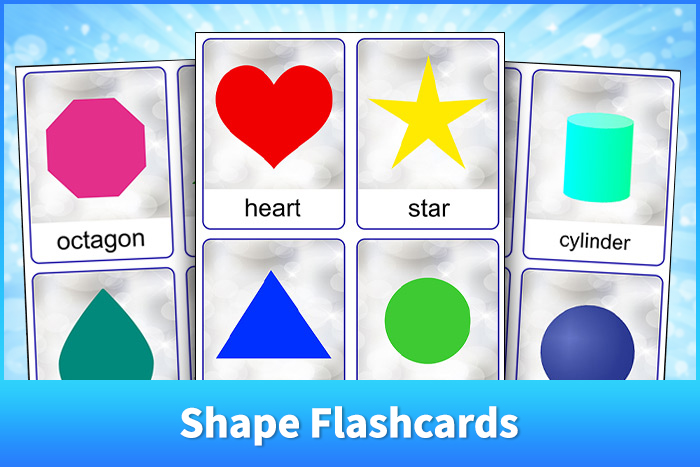
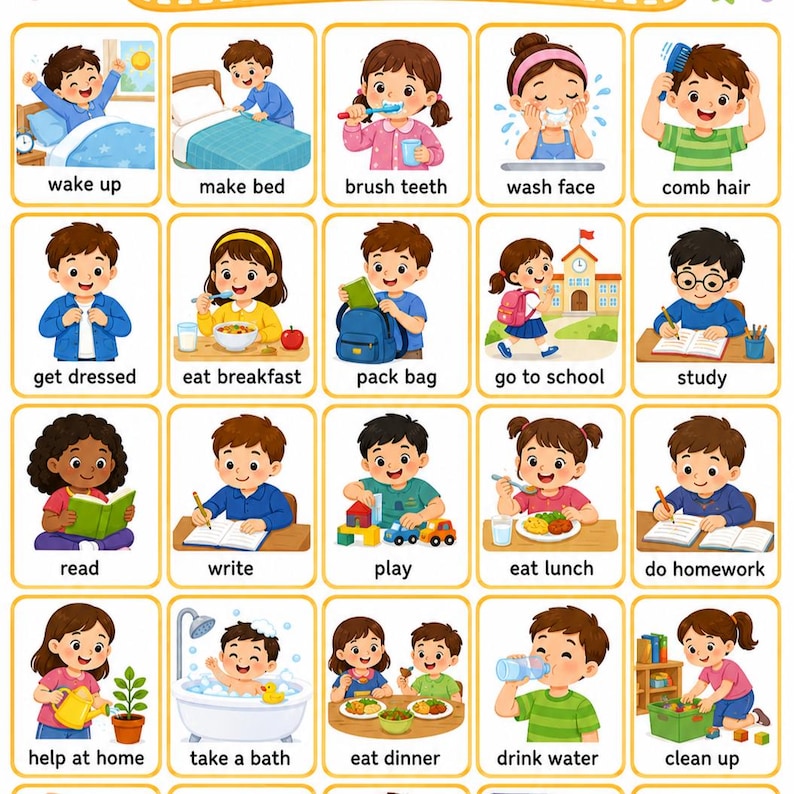
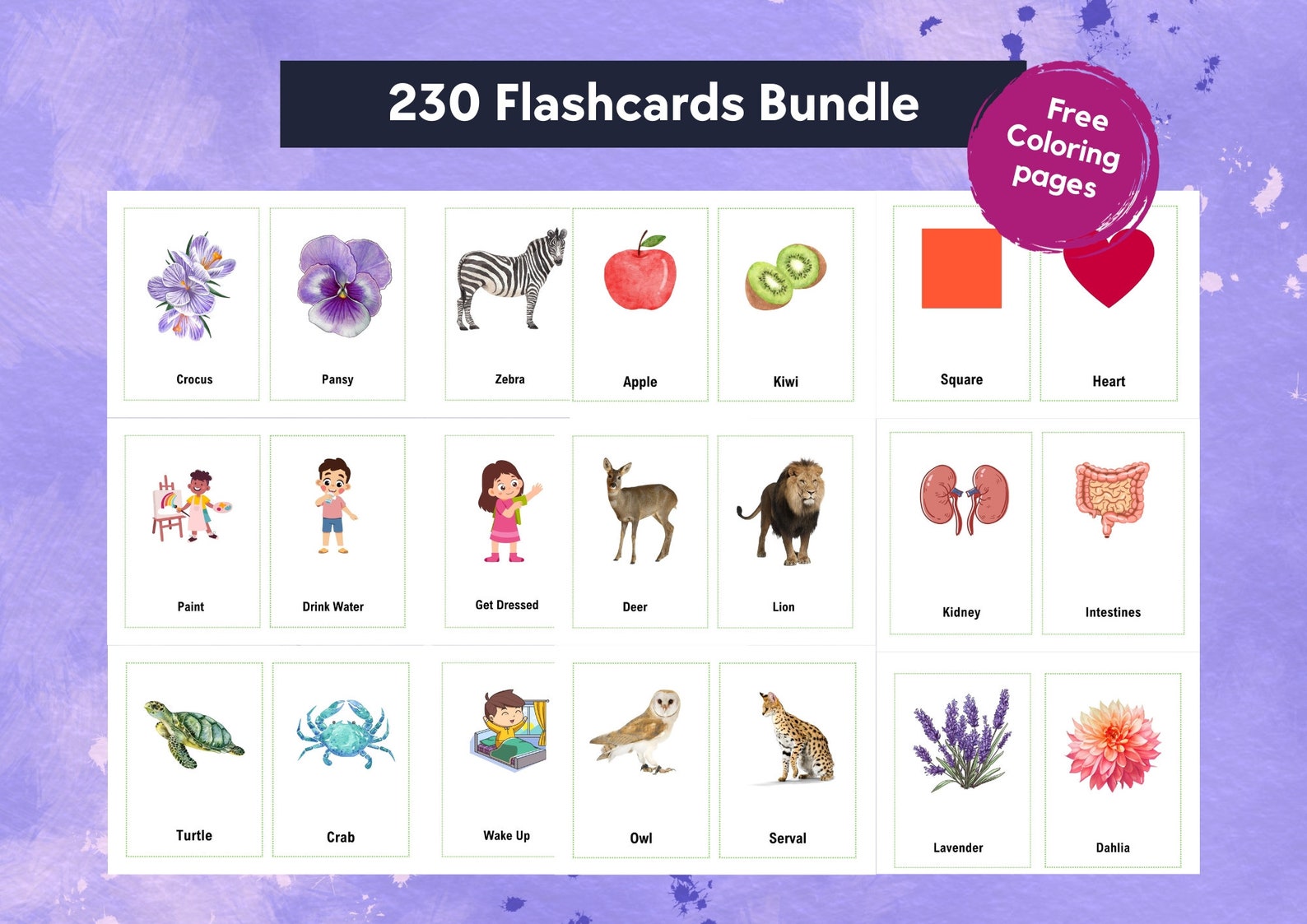
English picture flashcards utilize authentic photographic imagery paired with vocabulary to accelerate cognitive development, visual literacy, and linguistic acquisition in early childhood environments. According to the National Association for the Education of Young Children (NAEYC), purposeful exposure to high-contrast, realistic visual tools significantly enhances memory retention, semantic mapping, and spatial categorization among young learners. Integrating these tangible photo assets into daily learning routines bridges the gap between concrete observation and abstract symbol recognition. Educators and homeschooling families frequently pair these resources with Photo Flashcards to maximize engagement, visual discrimination, and foundational literacy outcomes simultaneously.
Visual Learning & Skill Snapshot:
- Core Focus: English picture flashcards connecting realistic photographic references with foundational vocabulary acquisition.
- Target Skill: Spatial reasoning, visual discrimination, fine-motor proportion estimation, and cross-modal language mapping.
- Key Recommendation: Implement structured printable grid worksheets alongside photo prompts to develop multi-step spatial observation skills.
Core Principles and Visual Learning Overview
English picture flashcards establish a direct cognitive bridge between real-world visual stimuli and linguistic symbols by leveraging the human brain’s natural preference for photographic processing. When children analyze high-resolution images, the visual cortex processes shape, scale, shading, and texture concurrently, activating neural pathways essential for advanced reading comprehension and fine art creation. Transitioning from observing standalone picture cards to rendering subjects onto printable grid drawing worksheets requires children to isolate individual quadrants, evaluate proportion ratios, and translate two-dimensional spatial data onto paper. This methodical breakdown fosters patience, enhances hand-eye coordination, and transforms overwhelming artistic or linguistic tasks into manageable, step-by-step visual puzzles suitable for various developmental stages.
Key Specifications and Breakdown
| Age / Learning Stage | Visual Skill & Grid Ratio | Pedagogical Application & Scaffolding |
|---|---|---|
| Ages 3–4 (Early Exploration) | Unpartitioned or 2×2 Simple Grid | Focuses on matching realistic photo flashcards with spoken English vocabulary and basic outline tracing. |
| Ages 5–6 (Foundational Practice) | 3×3 Standard Grid Proportions | Encourages direct visual observation, line estimation, and basic square-by-square reproduction. |
| Ages 7–9 (Advanced Application) | 4×4 or Complex Coordinate Grid | Mastery of detailed proportion scaling, negative space analysis, and independent artistic rendering. |
Visual-Spatial Integration Principle: Structured graphic organizers and photographic reference cards significantly improve visual-spatial working memory, allowing young learners to systematically decode complex shapes and linguistic symbols simultaneously. — National Art Education Association (NAEA)
Step-by-Step Practical Application and Printing Guidelines
Executing successful visual learning sessions with English picture flashcards and Grid Drawing worksheets requires durable preparation, proper lighting, and systematic workspace organization. Begin by printing all photographic flashcards and corresponding grid worksheets on heavy cardstock (minimum 110 lb weight) to prevent tearing during frequent handling by small hands. Laminate the printed sheets for extended classroom durability or slip them into dry-erase pockets to encourage repeated trial-and-error drawing practice. Place the reference photo directly adjacent to the blank grid worksheet on a well-lit flat surface, instructing children to scan individual grid coordinates sequentially from top-left to bottom-right rather than attempting to render the entire complex image at once. This methodical workflow reinforces disciplined observation, patience, and spatial accuracy.
Common Challenges and How to Avoid Them
Children frequently struggle with proportion distortion and visual overload when transitioning from standard flashcard observation to complex grid-based art replication. To mitigate frustration, educators should ensure that initial photo selections feature high-contrast subjects with clearly defined edges, such as animals or everyday objects, before introducing complex organic forms or crowded scenes. If a child attempts to draw the entire image freehand instead of focusing on single grid squares, cover the surrounding grid boxes with a blank index card to isolate the immediate focal zone. Integrating varied Educational Activities keeps the curriculum dynamic, preventing burnout while systematically building spatial confidence and vocabulary mastery over time.
💬 Frequently Asked Questions
Explore More Free Learning Printables and Visual Activities on WePhotoAgency
Discover an extensive library of professional educational resources, printable worksheets, and visual learning tools by exploring the complete collection at WePhotoAgency.com. Empower early learners with high-quality assets designed to foster cognitive growth, spatial awareness, and creative confidence.
Visual Reference Gallery