Introduction
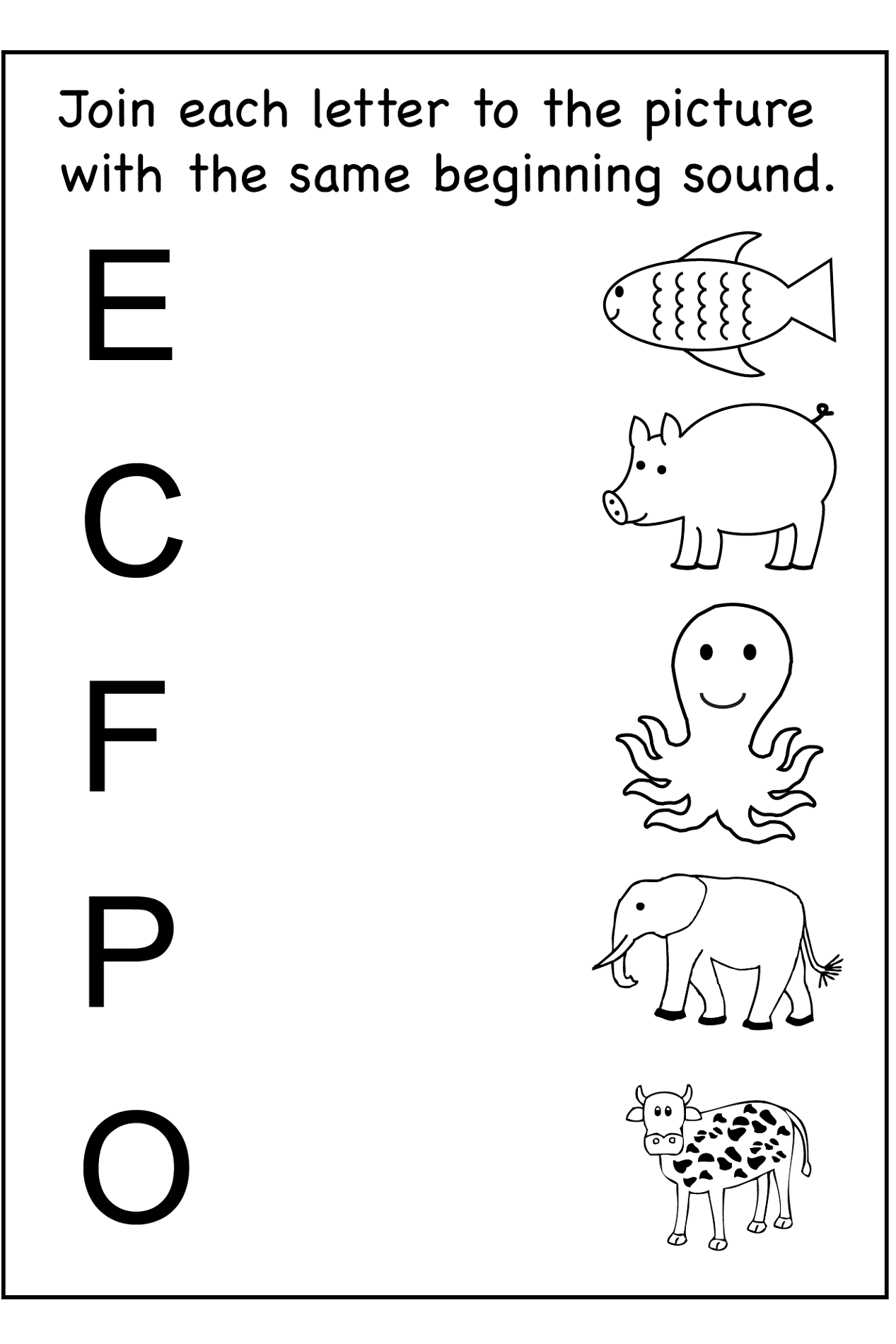
Educational activities for kids ideas encompass structured, hands-on visual learning tools designed to strengthen cognitive development, spatial reasoning, and observational precision in early childhood. According to the National Association for the Education of Young Children (NAEYC), purposeful engagement with visual and tactile learning materials directly promotes foundational mathematics readiness, visual-motor integration, and critical thinking skills. Educators and parents continuously seek reliable, research-backed resources—such as printable Grid Drawing worksheets, realistic Photo Flashcards, and targeted Educational Activities—to bridge concrete visual observation with abstract academic concepts.
Visual Learning & Skill Snapshot:
- Core Focus: Hands-on educational activities for kids ideas combining observation, fine motor practice, and spatial mapping.
- Target Skill: Spatial reasoning, visual discrimination, fine-motor proportion, and photo-based concept mastery.
- Key Recommendation: Pair high-contrast photographic flashcards with progressive grid-copying worksheets to scaffold cognitive load effectively.
Core Principles and Visual Learning Overview
Structured visual exercises build essential neural pathways by teaching children how to deconstruct complex images into manageable geometric and spatial components. When young learners interact with real photographic references rather than stylized cartoons, cognitive processing shifts toward authentic visual analysis, texture recognition, and accurate proportion estimation. Integrating these methodologies into daily lesson plans supports diverse learning styles, helping both tactile and visual learners translate raw visual data into precise physical representations through guided drawing and flashcard matching.
Key Specifications and Breakdown
| Age / Learning Stage | Visual Skill & Grid Ratio | Pedagogical Application & Scaffolding |
|---|---|---|
| Ages 3-4 (Early Years) | 2×2 Grid / High-Contrast Objects | Utilize real photo flashcards to build vocabulary and teach basic object sorting through matching games. |
| Ages 5-7 (Early Elementary) | 4×4 Grid / Real-World Animals | Employ simplified grid drawing worksheets to teach coordinate mapping, symmetry, and basic line control. |
| Ages 8-10 (Middle Childhood) | 6×6 Grid / Complex Architecture | Introduce proportional scaling and architectural details using high-detail photographic reference matrices. |
Structured visual activities directly correlate with enhanced geometric aptitude, spatial memory retention, and fine-motor control during foundational childhood development. — National Art Education Association (NAEA). For more related activities, check out our Edible Stem Activities For Kids.
Step-by-Step Practical Application and Printing Guidelines
Implementing printable visual resources requires careful consideration of print clarity, paper weight, and spatial setup to maximize educational impact. Instructors should print grid drawing worksheets on durable, heavy-cardstock paper to prevent pencil tearing during repeated erasing and measuring. Flashcard sets must be printed at 100 percent scale without auto-cropping to ensure accurate aspect ratios for visual discrimination exercises. Setting up a dedicated, well-lit workstation with blunt-tipped educational tools and uncluttered clipboards helps young learners maintain focus while transferring visual details from reference cards onto grid coordinates.
Common Challenges and How to Avoid Them
Children frequently struggle with grid drawing when presented with an excessive number of squares or overly complex reference images all at once. Educators can easily prevent cognitive overload by masking off unused portions of the worksheet with blank paper, allowing the learner to focus exclusively on one grid square at a time. Furthermore, if a child encounters difficulty estimating proportions, instructors should guide the learner to locate specific grid intersections where lines cross key reference points, reinforcing analytical observation over hurried guessing.
💬 Frequently Asked Questions
Explore More Free Learning Printables and Visual Activities on WePhotoAgency
Transform everyday instruction with professionally curated visual tools, expert guides, and printable resources designed to inspire young minds. Discover an extensive collection of developmental resources by visiting WePhotoAgency.com to elevate early education at home and in the classroom.
Visual Reference Gallery