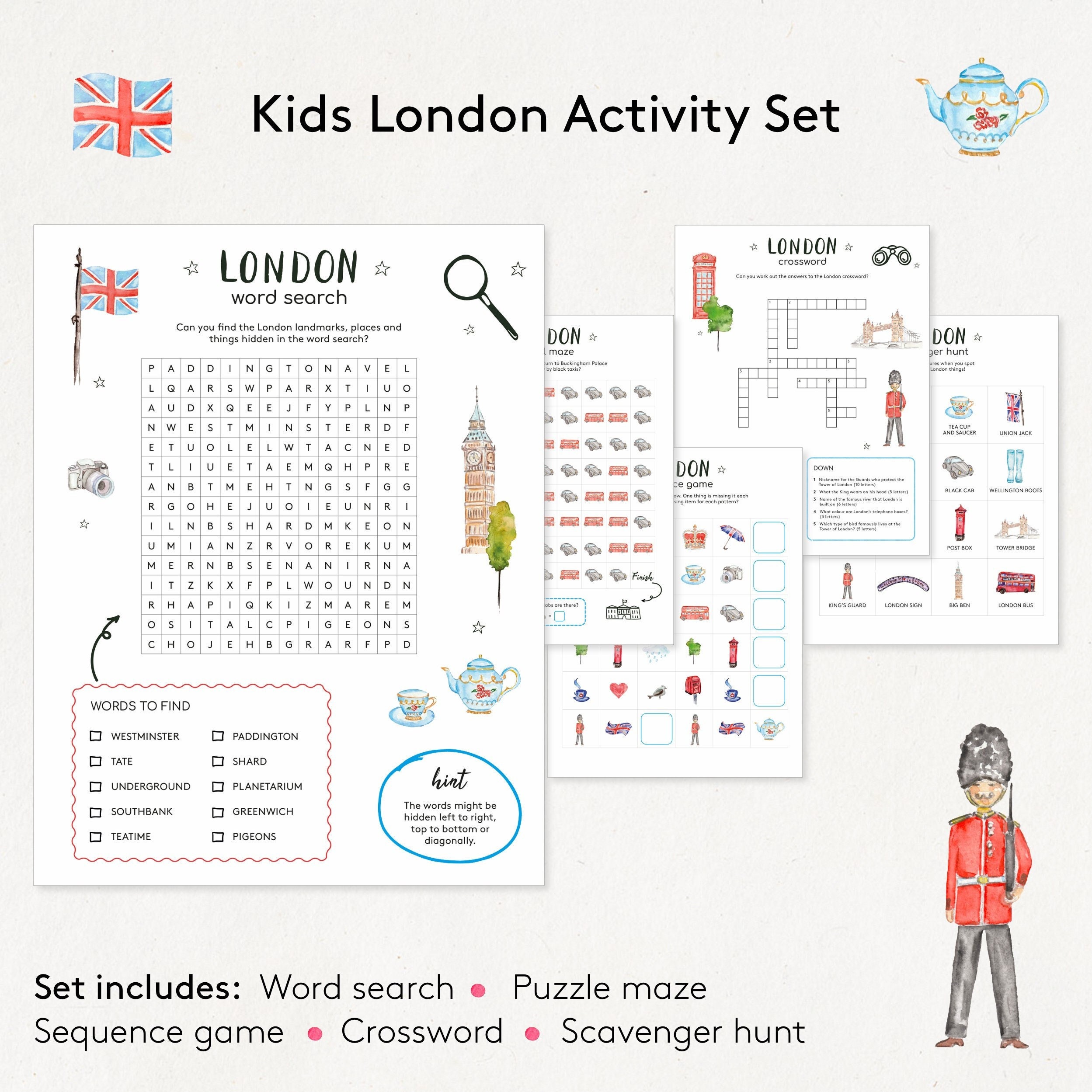
Introduction
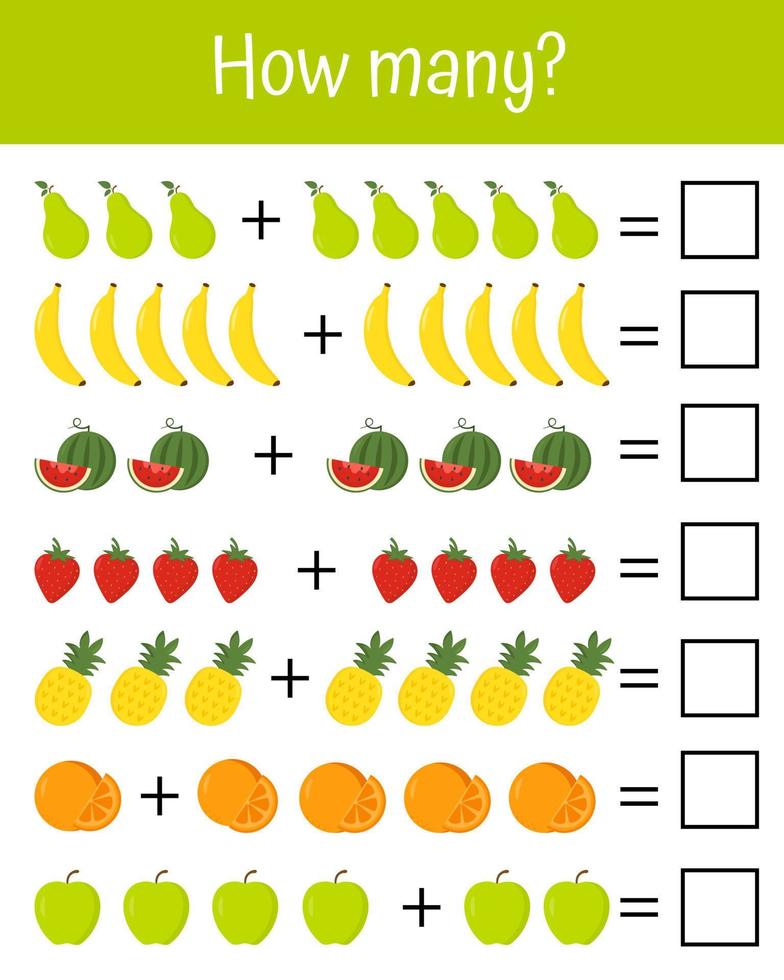
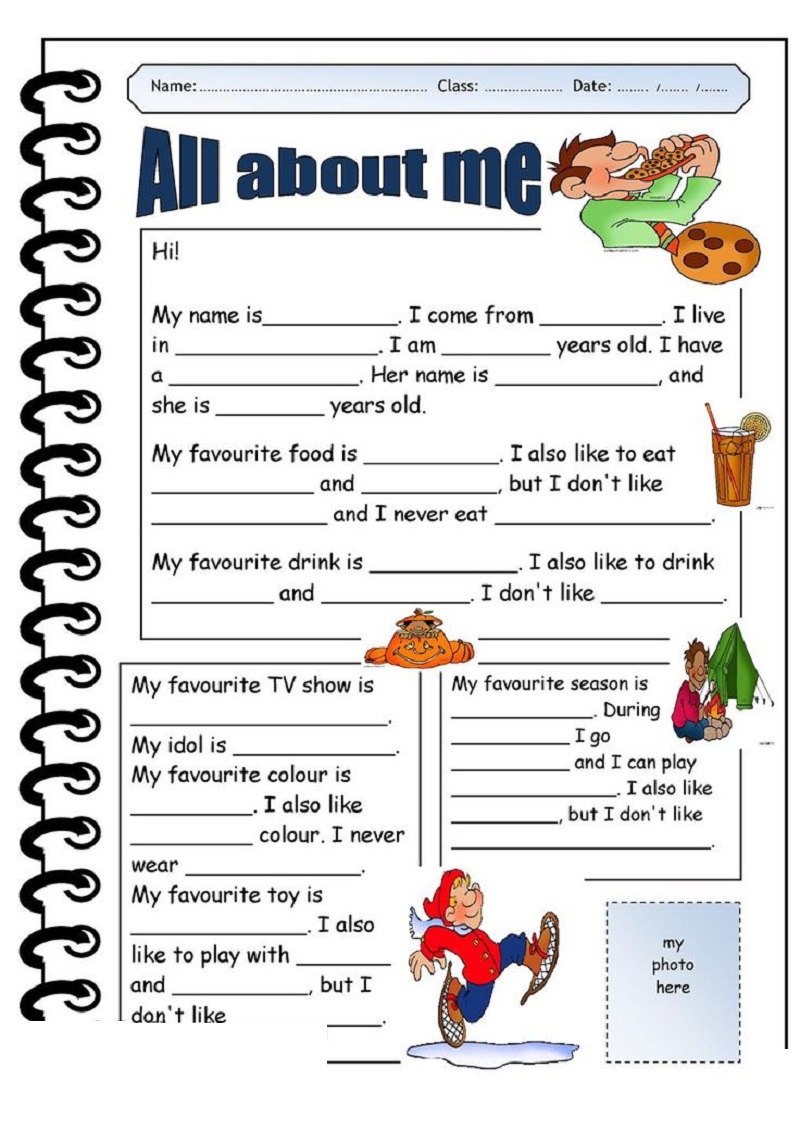
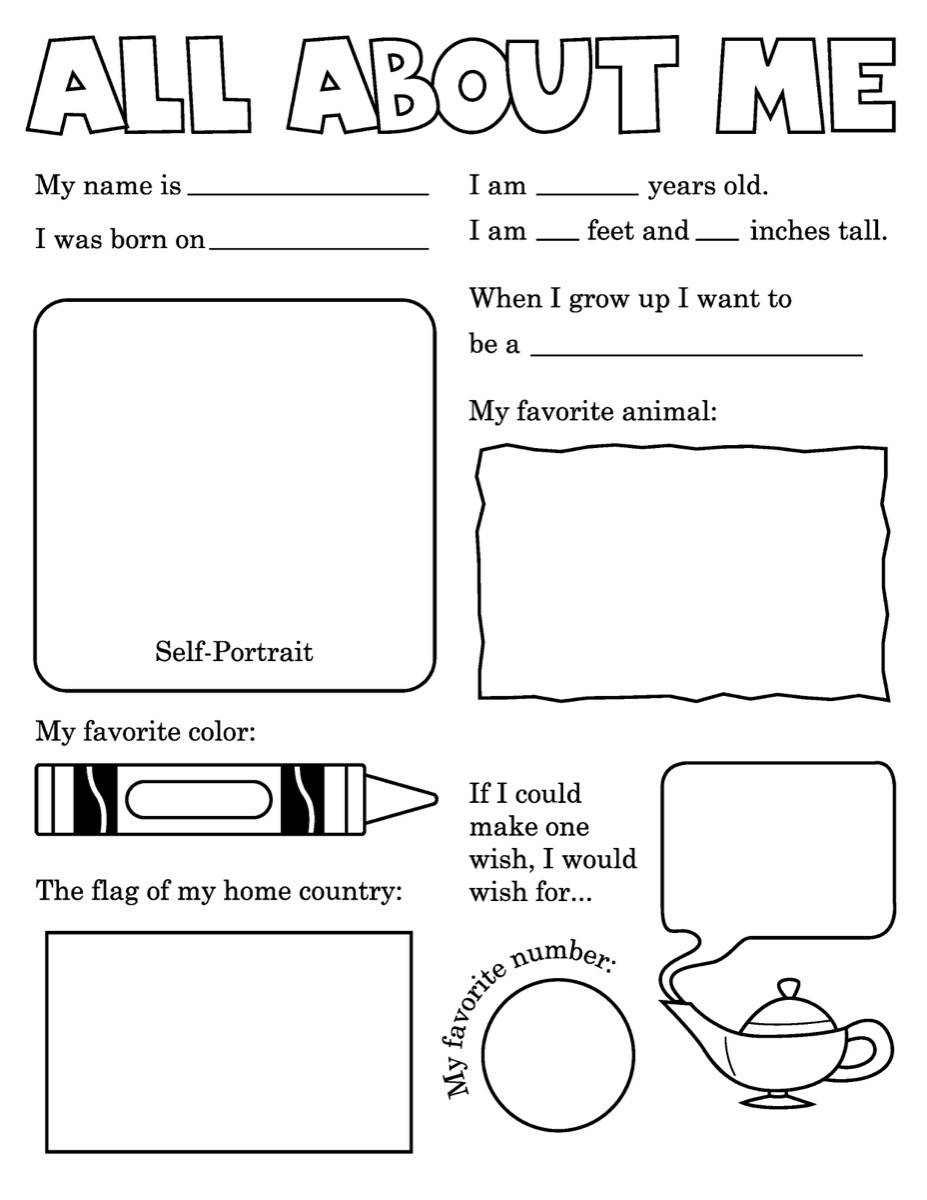
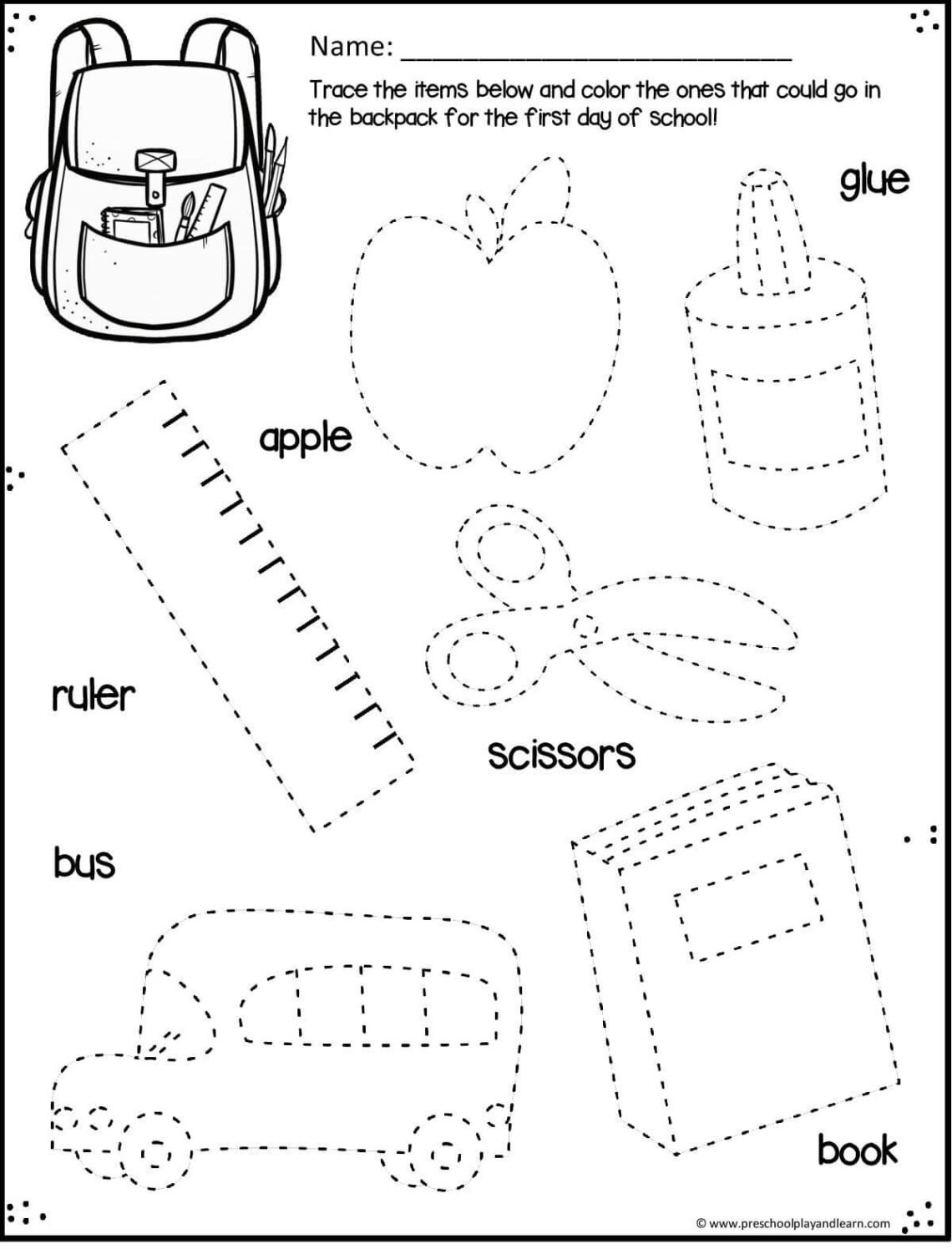
Educational activities for kids at school encompass structured visual-spatial exercises that transform cognitive processing through tangible art creation and observation. According to the National Association for the Education of Young Children (NAEYC), systematic engagement with observational drawing and photographic media significantly enhances fine motor dexterity, visual discrimination, and foundational mathematical proportional reasoning in early childhood development. Integrating printable grid drawing worksheets and realistic photo flashcards offers educators and parents powerful tools to bridge artistic expression with rigorous cognitive milestones. These hands-on learning resources cultivate deliberate focus, translating complex visual stimuli into manageable grid coordinates, thereby strengthening critical neurological pathways essential for both literacy and spatial mathematics.
Visual Learning & Skill Snapshot:
- Core Focus: Structured visual-spatial exercises utilizing printable grid worksheets and real photo flashcards to accelerate cognitive and motor development.
- Target Skill: Spatial reasoning, proportional estimation, visual discrimination, and fine-motor precision.
- Key Recommendation: Pair high-contrast photo references with corresponding grid scales to anchor abstract spatial concepts in concrete observation.
Core Principles and Visual Learning Overview
Visual learning principles dictate that children process concrete images far more rapidly than abstract symbols, making educational activities rooted in real photography an optimal vehicle for cognitive growth. When young learners engage with Grid Drawing worksheets, cognitive demand is systematically distributed across distinct coordinate boxes, reducing visual overwhelm. This methodical partitioning teaches children to isolate lines, curves, and negative spaces rather than attempting to draw an entire complex object at once. Simultaneously, incorporating real-world Photo Flashcards into daily routines stimulates semantic categorization and detailed visual memory, laying the groundwork for advanced pattern recognition, geometry, and observational drawing techniques in early elementary classrooms.
Key Specifications and Breakdown
| Age / Learning Stage | Visual Skill & Grid Ratio | Pedagogical Application & Scaffolding |
|---|---|---|
| Ages 3-4 (Preschool) | 2×2 or 3×3 simple large-cell grids | Focuses on basic shape identification and tactile line tracing using high-contrast photographic animal or object references. |
| Ages 5-6 (Kindergarten) | 4×4 moderate coordinate divisions | Builds proportional estimation and hand-eye coordination through structured reproduction of familiar everyday items. |
| Ages 7-8 (Early Elementary) | 6×6 or complex multi-cell grids | Refines intricate detail work, spatial symmetry, and independent visual analysis using real-world architectural or botanical photos. |
Systematic visual observation and structured grid partitioning actively stimulate bilateral brain integration, supporting the foundational executive function skills required for spatial reasoning and geometry. — National Art Education Association (NAEA). For more related activities, check out our Dinosaur Stem Activities For Kids.
Step-by-Step Practical Application and Printing Guidelines
Executing effective visual lessons requires high-resolution printing techniques, durable cardstock selection, and methodical step-by-step scaffolding for every learner. Educators must first print grid worksheets and photo references at 100% scale without scaling or cropping to ensure precise coordinate matching. Instructors should demonstrate how to point to a specific grid square on the master photo before locating the identical coordinate square on the blank student template. Encouraging children to use a finger or a masking card to isolate one grid box at a time prevents visual distraction and reinforces methodical, sequential thinking. Regular utilization of these printed resources in both homeschool settings and traditional classrooms ensures consistent, measurable progress in visual attention span and fine-motor control.
Common Challenges and How to Avoid Them
Frustration during visual drawing exercises typically stems from overly complex initial grids or rushing through proportion estimation without adult guidance. To prevent cognitive overload, teachers should initiate instruction with simple, high-contrast photographic subjects before introducing intricate organic shapes or detailed landscapes. When children struggle with scale replication within individual grid boxes, breaking the coordinate square down into smaller diagonal quadrants provides an immediate scaffolding solution. Ensuring that students use sharp pencils and high-quality erasers also minimizes mechanical barriers, allowing complete focus to remain on visual observation, line accuracy, and spatial mapping.
💬 Frequently Asked Questions
Explore More Free Learning Printables and Visual Activities on WePhotoAgency
Optimizing early cognitive growth and creative confidence requires a reliable library of professionally designed printables, structured grid templates, and photographic resources. Educators, parents, and homeschool instructors are encouraged to visit the comprehensive collection available at WePhotoAgency.com to download high-quality materials tailored for every developmental stage and visual learning objective.
Visual Reference Gallery