Introduction
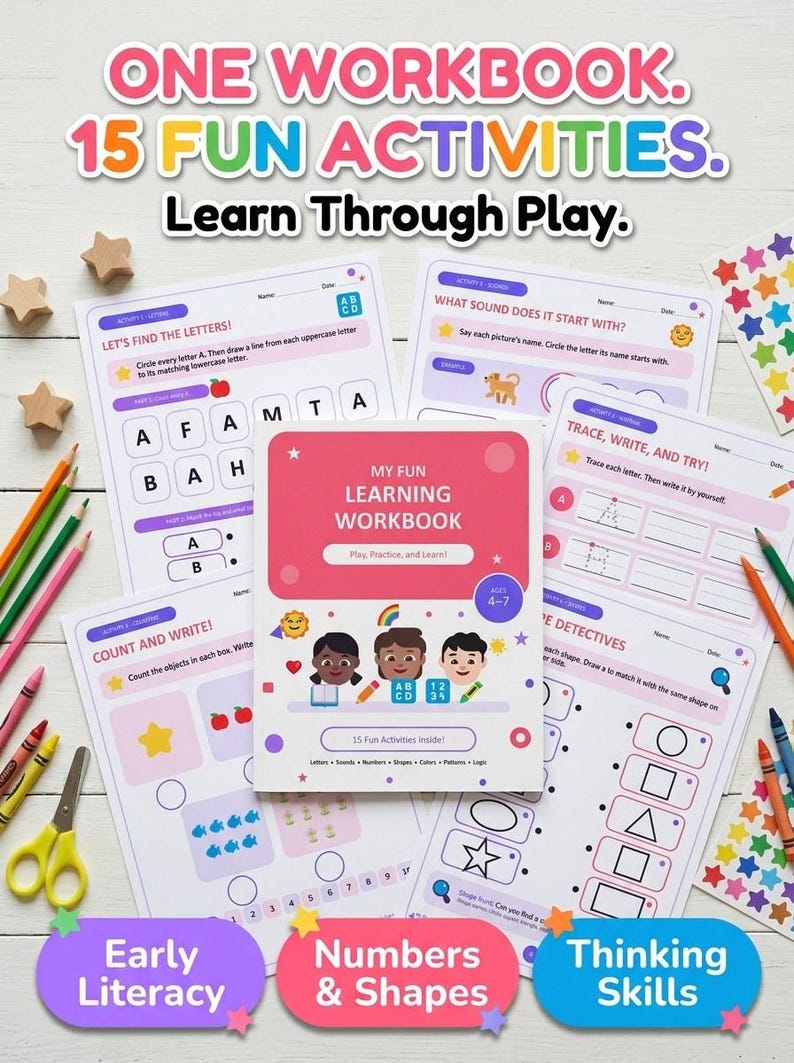
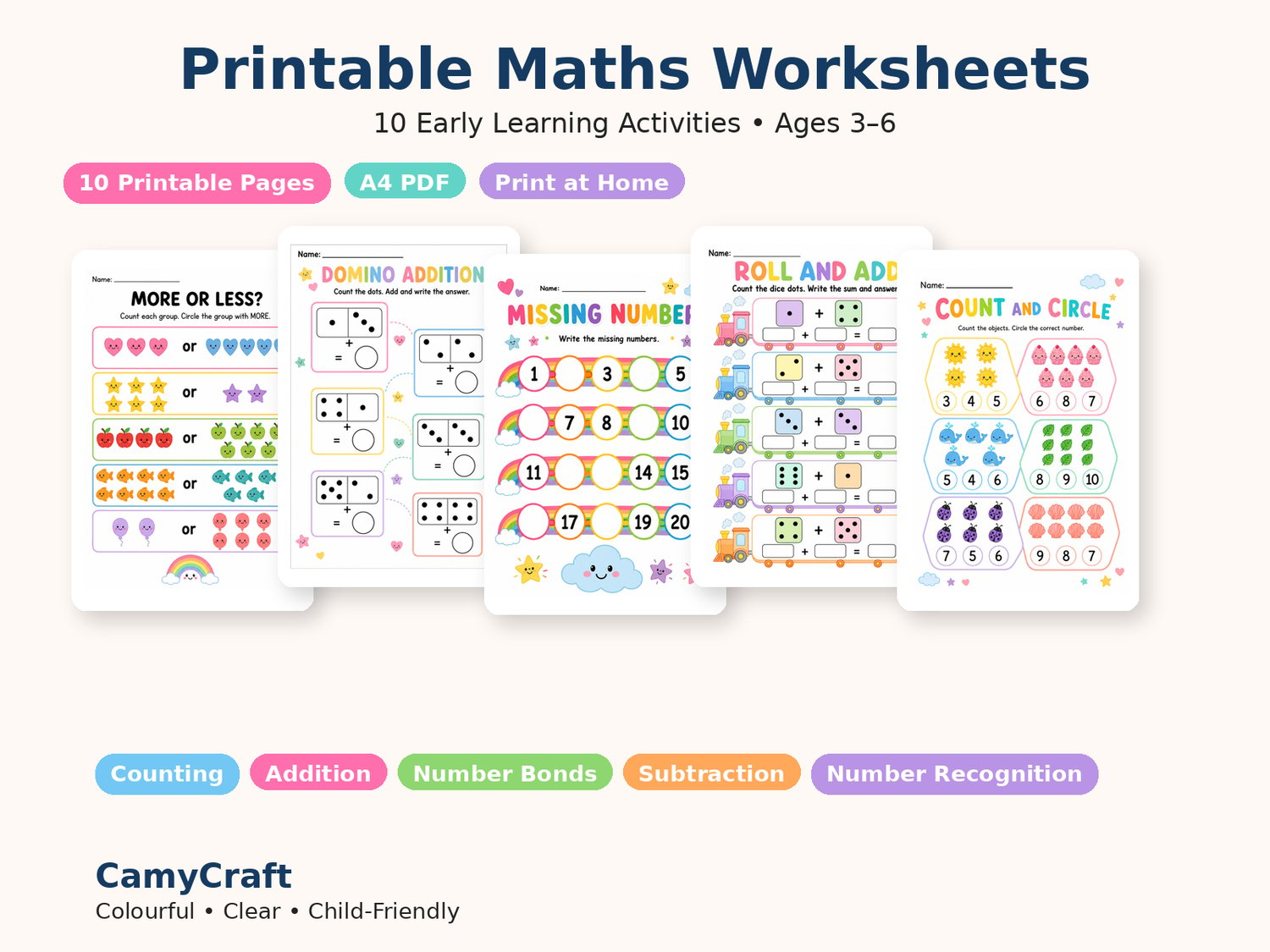
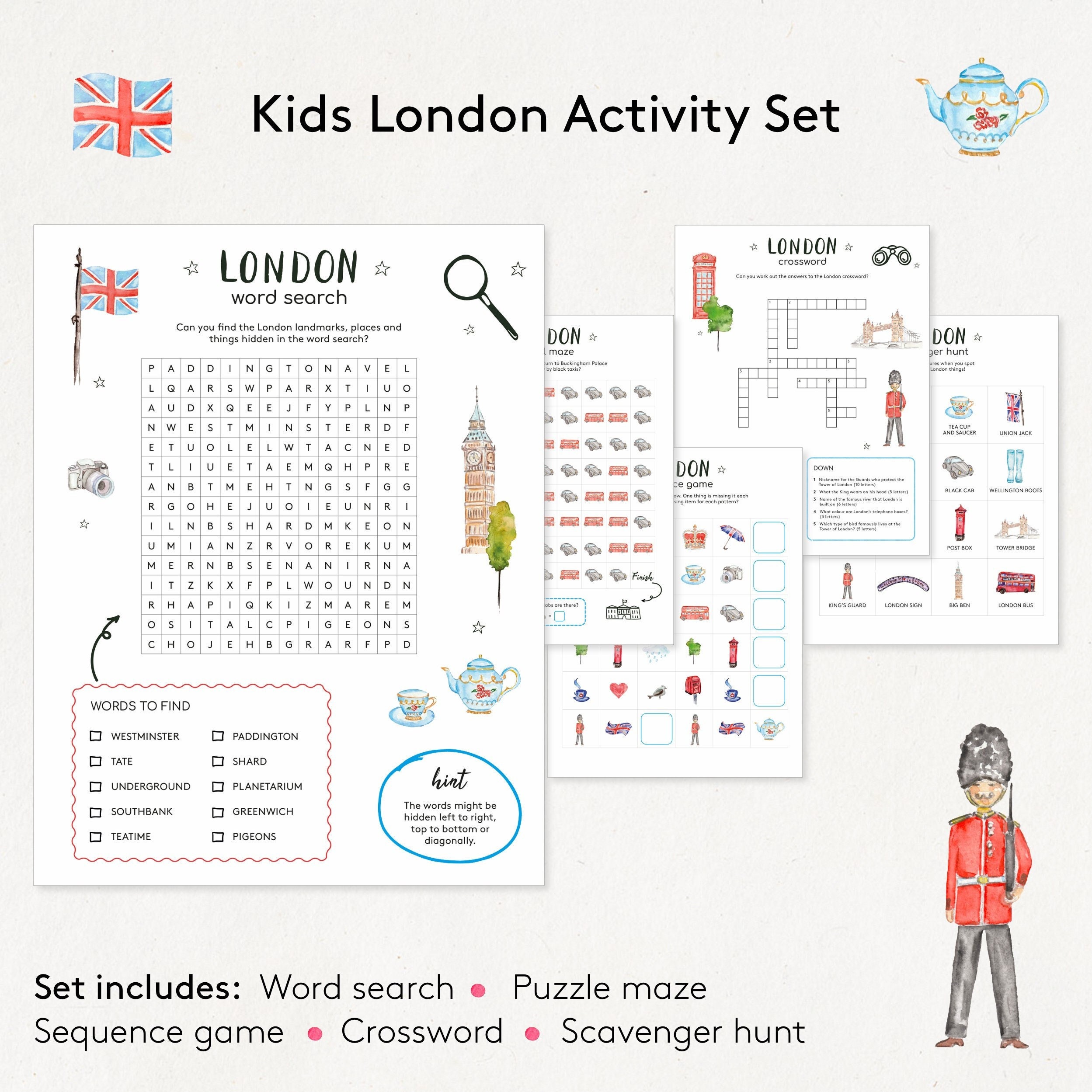
Educational activities for kids at home transform domestic environments into structured cognitive workshops by leveraging targeted visual learning tools. According to the National Association for the Education of Young Children (NAEYC), hands-on multisensory engagement with tangible printables significantly accelerates neural pathway formation and fine-motor precision during early childhood development. This authoritative guide examines how structured spatial exercises cultivate foundational academic capabilities.
Visual Learning & Skill Snapshot:
- Core Focus: Implementing print-based spatial exercises and visual discrimination tools within home settings.
- Target Skill: Spatial reasoning, visual discrimination, fine-motor proportion, and photo-based concept mastery.
- Key Recommendation: Pair photographic stimulus cards with structured geometric drawing grids to anchor abstract concepts in concrete observation.
Core Principles and Visual Learning Overview
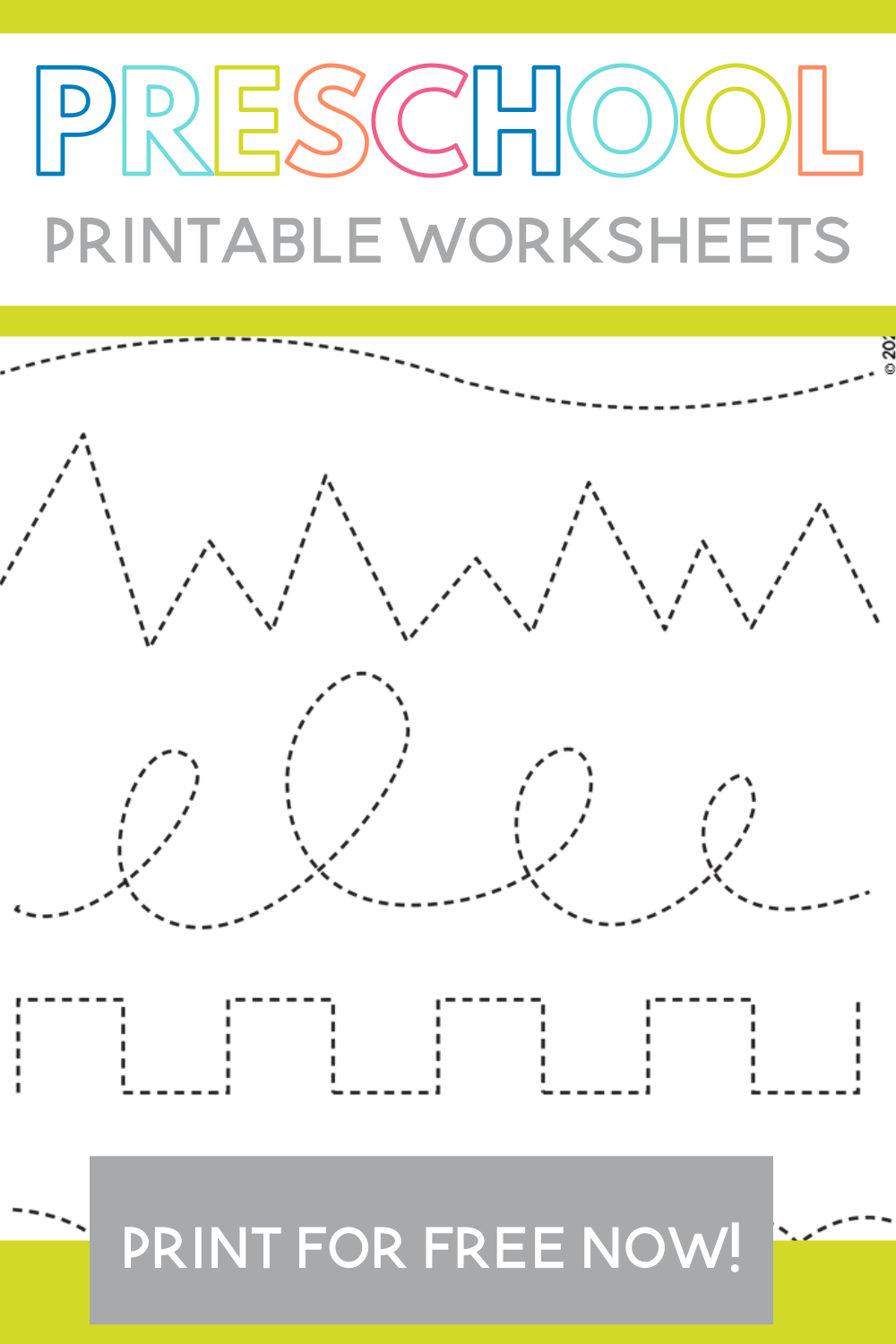
Structured visual resources establish critical baseline capabilities for early childhood cognitive development by translating complex real-world imagery into manageable coordinate systems. Utilizing Grid Drawing templates allows children to dissect continuous lines and complex shapes into isolated coordinate quadrants, systematically reducing cognitive overload. Concurrently, integrating high-clarity Photo Flashcards replaces cartoon abstractions with authentic photographic imagery, sharpening real-world object recognition, categorical sorting, and vocabulary retention across diverse Educational Activities designed for home environments.
Key Specifications and Breakdown
| Age / Learning Stage | Visual Skill & Grid Ratio | Pedagogical Application & Scaffolding |
|---|---|---|
| Early Preschool (Ages 3-4) | 1×1 Photo matching & un-gridded flashcards | Focuses on visual discrimination, color sorting, and real-world object association through tangible cards. |
| Transition Kindergarten (Ages 5-6) | 2×2 Coordinate grids with simple line art | Introduces proportional mapping, spatial quadrant tracking, and pencil control within bounded geometric cells. |
| Early Elementary (Ages 7-8) | 4×4 Complex photographic grid scaling | Builds advanced observational accuracy, geometric proportion estimation, and independent artistic replication. |
Intentional visual scaffolding through structured geometric fragmentation and real photographic reference materials significantly improves spatial working memory and fine-motor execution in young children. — National Art Education Association (NAEA). For more related activities, check out our Disney Stem Activities For Kids.
Step-by-Step Practical Application and Printing Guidelines
Executing structured visual worksheets effectively requires strict adherence to high-contrast printing parameters and physical setup protocols. Educators and parents must print worksheets at one-hundred-percent scale without page-scaling distortion to maintain exact geometric proportions across coordinate grid lines. Secure worksheets to hard flat surfaces using low-tack repositionable tape to prevent paper slippage, ensuring stable bilateral coordination while the child translates visual data from reference cards to the drawing grid.
Common Challenges and How to Avoid Them
Children frequently experience cognitive frustration when transitioning directly from open drawing to complex coordinate grids without intermediate behavioral scaffolding. Combat this obstacle by masking off all surrounding grid cells except the primary target quadrant using a small opaque card, isolating the visual field to prevent eye-tracking fatigue. Furthermore, replacing standard graphite pencils with thick primary-grip writing utensils ensures proper hand positioning during detailed proportional estimation tasks.
💬 Frequently Asked Questions
Explore More Free Learning Printables and Visual Activities on WePhotoAgency
Empowering young learners with targeted visual resources requires access to high-quality, professionally designed printables that stimulate cognitive growth and artistic confidence. Discover an extensive collection of developmental tools, drawing sheets, and visual learning aids by visiting the primary resource library at WePhotoAgency.com to support holistic childhood education at home.
Visual Reference Gallery