Introduction
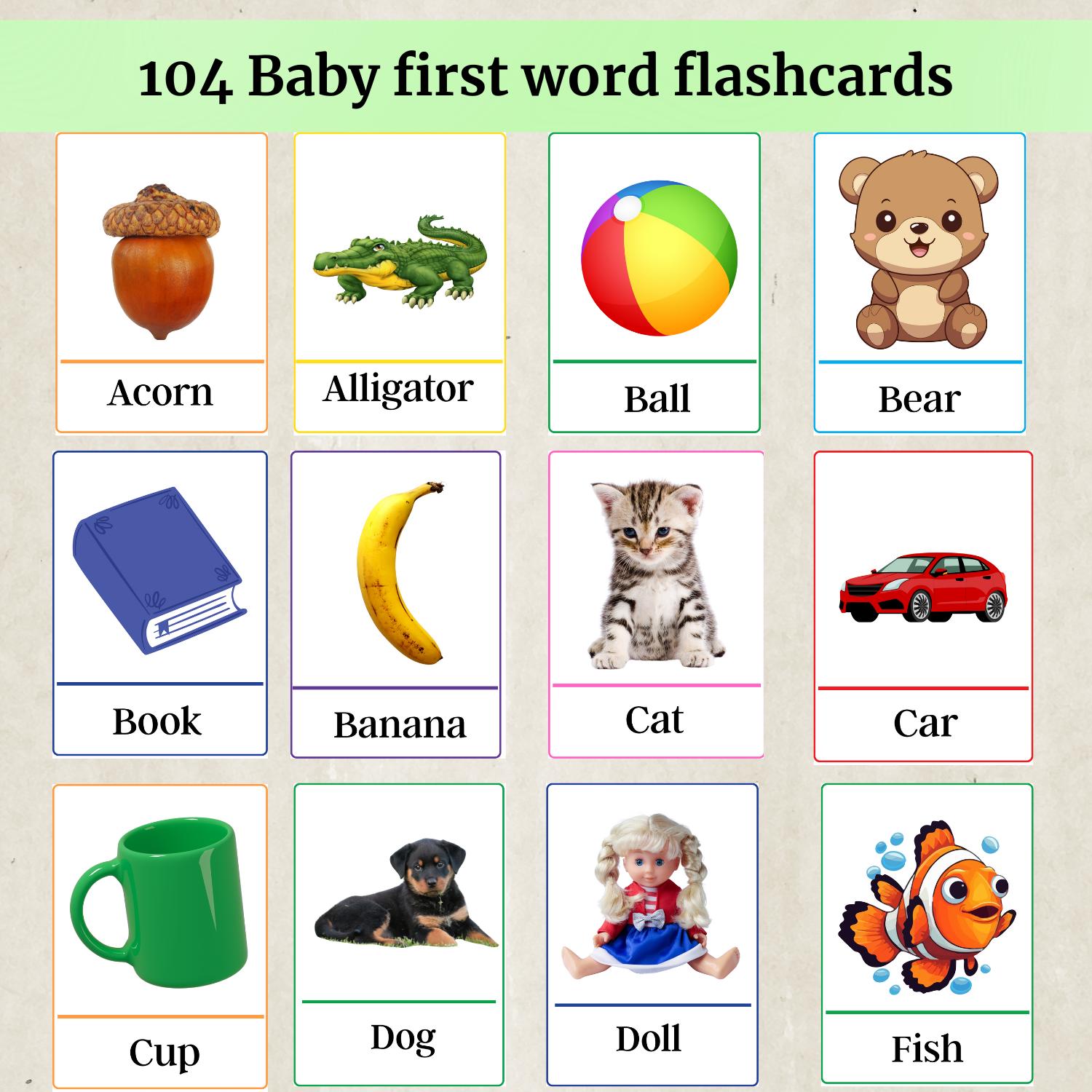
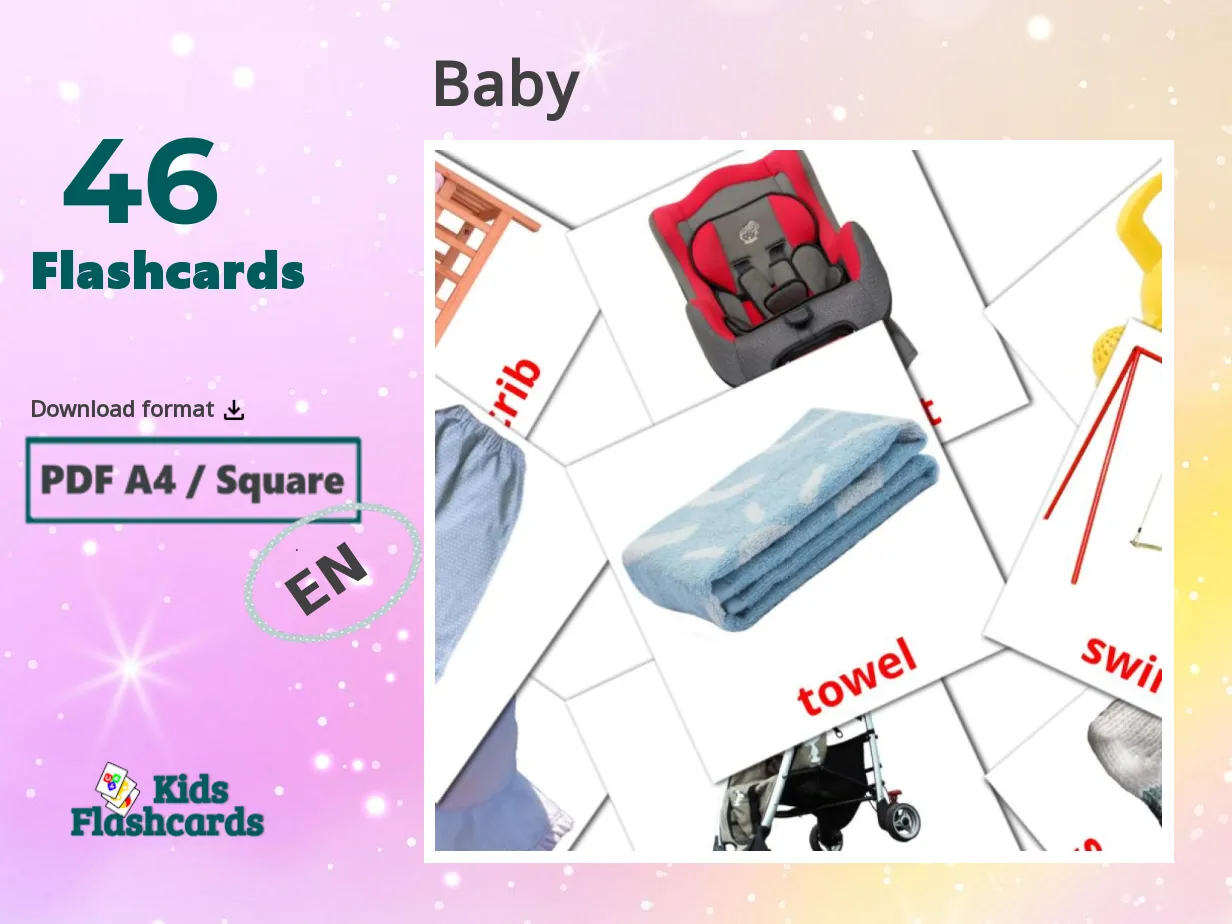
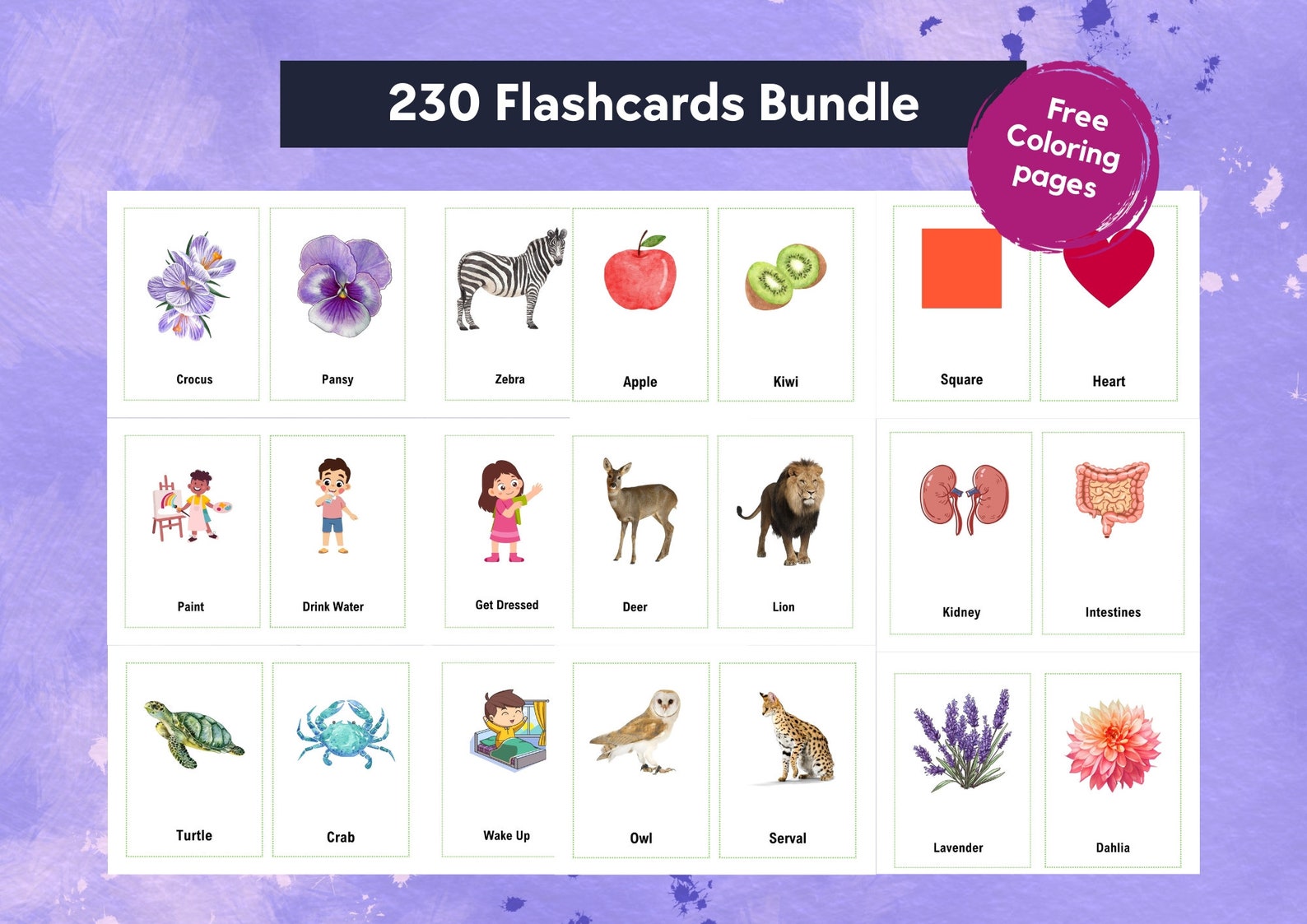
Baby photo flashcards are tactile visual tools that accelerate early cognitive development by pairing concrete photographic imagery with foundational spatial analysis and observation skills. According to the National Association for the Education of Young Children (NAEYC), purposeful exposure to rich visual representations significantly enhances a child’s early visual discrimination, vocabulary acquisition, and pattern recognition. Integrating these cards into daily curricula bridges the gap between passive observation and active art-making. Educators and caregivers can expand these benefits by utilizing diverse Photo Flashcards to stimulate early language skills and visual memory.
Visual Learning & Skill Snapshot:
- Core Focus: Concrete photographic stimuli used to build spatial tracking, proportion estimation, and observation habits.
- Target Skill: Spatial reasoning, visual discrimination, fine-motor proportion, and photo-based concept mastery.
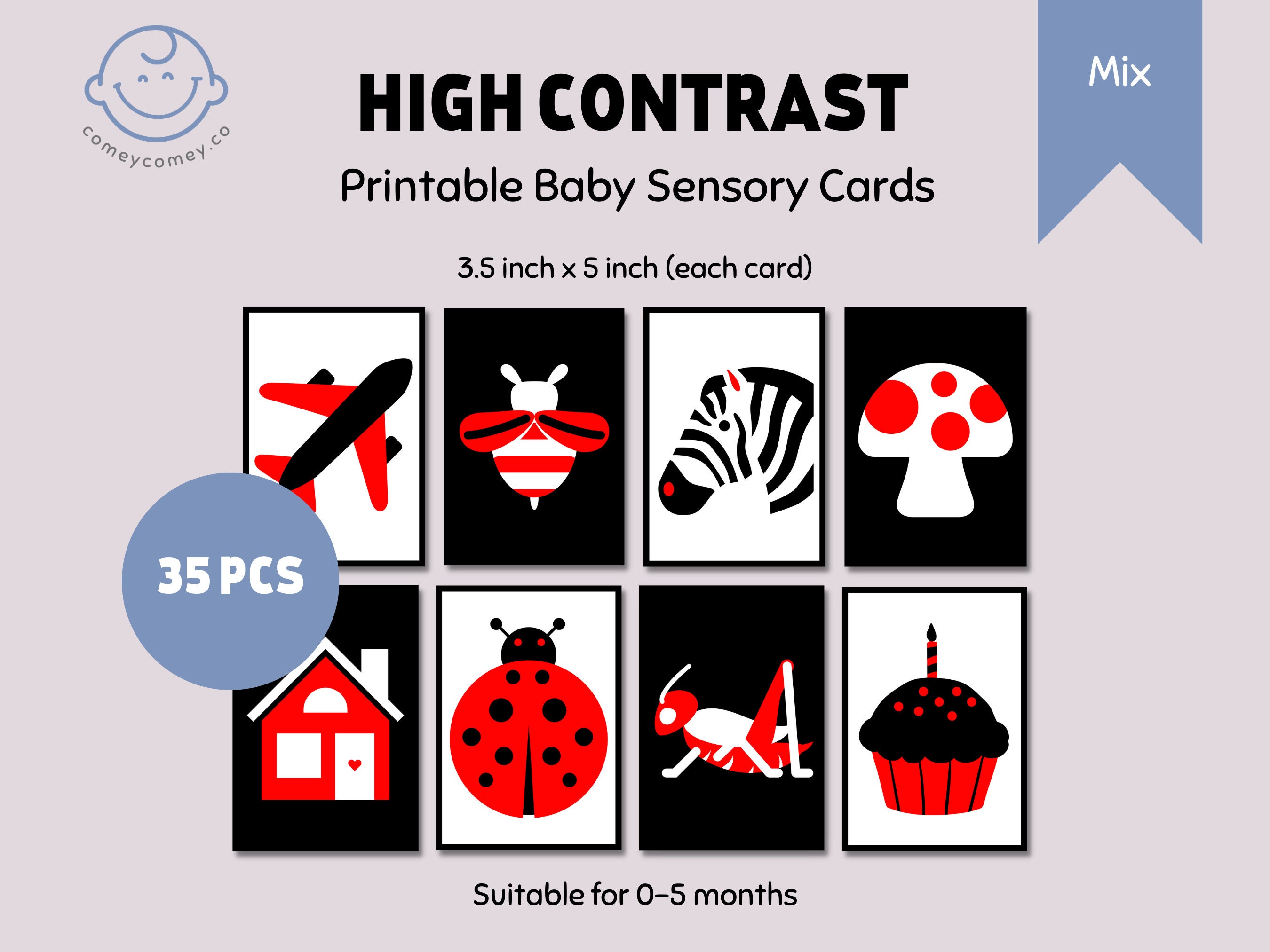
- Key Recommendation: Pair high-contrast photographic cards directly with structured grid drawing worksheets to ground abstract artistic concepts in familiar visual references.
Core Principles and Visual Learning Overview
Spatial reasoning and accurate proportion estimation develop most robustly when young learners deconstruct photographic images into manageable geometric sections. By coupling real imagery with structured Grid Drawing exercises, children learn to isolate visual information, analyze coordinate relationships, and replicate line proportions onto paper grids. This systematic translation from a real photographic card to a gridded worksheet trains the eye to measure angles, judge relative sizes, and notice subtle shifts in shading and contours. Systematic practice builds essential hand-eye coordination while establishing cognitive foundations required for advanced geometry, reading, and representational drawing.
Key Specifications and Breakdown
| Age / Learning Stage | Visual Skill & Grid Ratio | Pedagogical Application & Scaffolding |
|---|---|---|
| Early Toddler (18-36 Months) | Single-image recognition, ungridded matching | Use real photo cards for matching games, sorting exercises, and tactile visual vocabulary expansion. |
| Preschool (3-5 Years) | 2×2 simple grid proportion copying | Introduce basic grid drawing sheets paired with high-contrast close-up photographs to teach quadrant awareness. |
| Early Elementary (6-8 Years) | 4×4 complex grid scaling and proportion | Apply advanced photographic reference cards for observational drawing, scale transfer, and detailed line accuracy. |
Early childhood art education must prioritize observational accuracy and spatial exploration over rigid stylistic perfection to foster authentic cognitive growth. — National Art Education Association (NAEA)
Step-by-Step Practical Application and Printing Guidelines
Executing a successful visual learning session requires high-resolution printing, durable cardstock lamination, and clear grid alignment between the reference card and the student worksheet. Educators should print photographic materials at 300 DPI on matte heavyweight paper to eliminate distracting glare, ensuring optimal visual clarity for young observers. When transitioning children from physical cards to drawing exercises, place the reference card directly above the matching grid worksheet on a slant-board to encourage proper vertical tracking and minimize parallax distortion. Consistent execution of these printing and setup steps guarantees that learners focus entirely on proportion estimation, line placement, and spatial analysis.
Common Challenges and How to Avoid Them
Young learners frequently struggle with proportion distortion when attempting to copy complex photographic elements across unscaled or mismatched grid matrices. To prevent frustration, instructors should limit early exercises to simplified, high-contrast subjects and enforce strict single-quadrant focus techniques during initial drawing sessions. Guiding children to isolate individual squares using cardstock window frames reduces visual overload, allowing the brain to process lines and shapes independently of the broader image context. Regular practice with structured Educational Activities reinforces these isolation strategies, transforming complex drawing tasks into achievable cognitive steps.
💬 Frequently Asked Questions
Explore More Free Learning Printables and Visual Activities on WePhotoAgency
Comprehensive visual art curricula and developmental printables are readily accessible through the centralized resources hosted at WePhotoAgency.com. Educators, parents, and homeschoolers can browse an extensive digital library designed to support cognitive development, creative confidence, and foundational fine-motor proficiency.
Visual Reference Gallery