Introduction
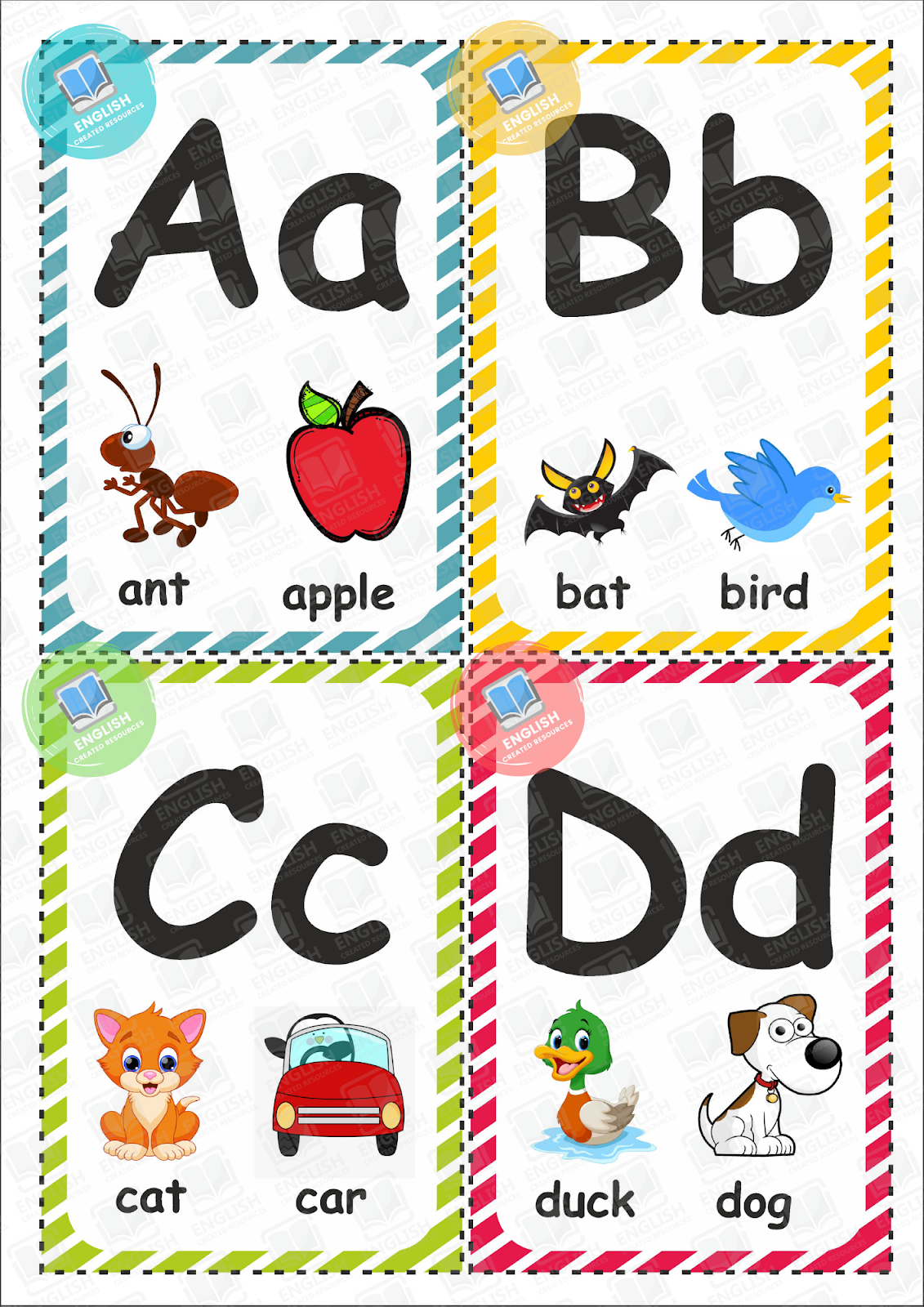
Free printable english flashcards function as critical multisensory tools that bridge concrete photographic imagery and abstract linguistic comprehension for young learners. According to the National Association for the Education of Young Children (NAEYC), intentionally designed visual media and hands-on printables significantly enhance early cognitive development, vocabulary retention, and observational accuracy. Integrating real photographic resources into daily routines supports dual-coding theory, allowing learners to process information simultaneously through verbal and visual channels. Exploring curated Photo Flashcards provides educators and caregivers with structured assets tailored for vocabulary acquisition and early literacy immersion. Furthermore, pairing linguistic flashcards with foundational graphic templates found within Grid Drawing collections fosters a seamless transition between language identification, spatial awareness, and fine-motor precision.
Visual Learning & Skill Snapshot:
- Core Focus: Free printable english flashcards utilizing real photographic imagery to accelerate vocabulary and spatial processing.
- Target Skill: Cross-modal concept mapping, spatial reasoning, fine-motor proportion estimation, and visual discrimination.
- Key Recommendation: Pair photographic flashcards with structured grid worksheets to reinforce proportional drawing and structural observation.
Core Principles and Visual Learning Overview
Free printable english flashcards grounded in high-resolution photography radically improve cognitive retention by eliminating cartoon abstractions and anchoring language learning in tangible, real-world visual data. When young children observe photographic representations alongside clearly typed target vocabulary, neural pathways connecting visual perception to semantic processing strengthen rapidly. This methodology supports advanced spatial awareness and proportion estimation, particularly when children replicate observed photographic subjects onto scaled drawing grids. Engaging regularly with diverse Educational Activities ensures that language acquisition remains dynamic, tactile, and deeply integrated with artistic observation. Educators and homeschooling parents utilize these printables to scaffold complex visual-motor tasks, transforming static vocabulary drills into active observational drawing and geometric scaling exercises.
Key Specifications and Breakdown
| Age / Learning Stage | Visual Skill & Grid Ratio | Pedagogical Application & Scaffolding |
|---|---|---|
| Early Toddler (Ages 3-4) | 1:1 Direct Photo Matching & Recognition | Focuses on concrete noun identification, vocabulary building, and basic visual discrimination without complex grids. |
| Early Preschool (Ages 5-6) | 2×2 Grid Proportion Estimation | Introduces basic spatial boundaries, hand-eye coordination, and simple line replication derived from photo cards. |
| Early Elementary (Ages 7-8) | 4×4 Advanced Coordinate Mapping | Requires precise measurement, proportional sketching, and contextual sentence building using real-world photographic stimuli. |
Intentional visual scaffolding and the use of authentic photographic reference materials significantly accelerate children’s cognitive mapping and spatial proportionality skills. — National Art Education Association (NAEA)
Step-by-Step Practical Application and Printing Guidelines
Free printable english flashcards achieve maximum durability and educational utility when printed on heavy cardstock and laminated for repeated tactile interaction. Educators begin by selecting high-contrast photographic cards that match the current thematic vocabulary unit, ensuring images feature clear focal points against neutral backgrounds. Next, students examine the photographic card, identifying distinct geometric shapes, proportions, and spatial boundaries before transferring those observations onto a corresponding grid workspace. Caregivers should guide children to break down complex visual elements into smaller grid squares, encouraging deliberate observation rather than hurried sketching. This systematic workflow builds patience, strengthens fine-motor control, and anchors new linguistic concepts permanently into long-term memory through active, multi-step engagement.
Common Challenges and How to Avoid Them
Free printable english flashcards frequently fail to yield strong educational outcomes when educators introduce overly dense visual grids or abstract illustrations before foundational object recognition is established. Young learners often struggle with proportion estimation and grid alignment if teachers rush the transition from simple photo matching to multi-square drawing exercises. To prevent cognitive overload, adults must scaffold the activity by starting with ungridded photo cards, gradually introducing minimalist two-by-two grids before advancing to complex coordinate systems. Providing tactile markers, such as finger-tracing borders or using dry-erase framing tools, helps children isolate individual grid cells and maintain accurate spatial orientation throughout the drawing process.
💬 Frequently Asked Questions
Explore More Free Learning Printables and Visual Activities on WePhotoAgency
Enhance early childhood curriculums, art lessons, and homeschool environments by accessing the complete repository of professional resources hosted directly at WePhotoAgency.com. Discover an expansive collection of expert-designed visual assets, structured drawing templates, and interactive educational printables created to inspire lifelong curiosity and mastery.
Visual Reference Gallery