Introduction
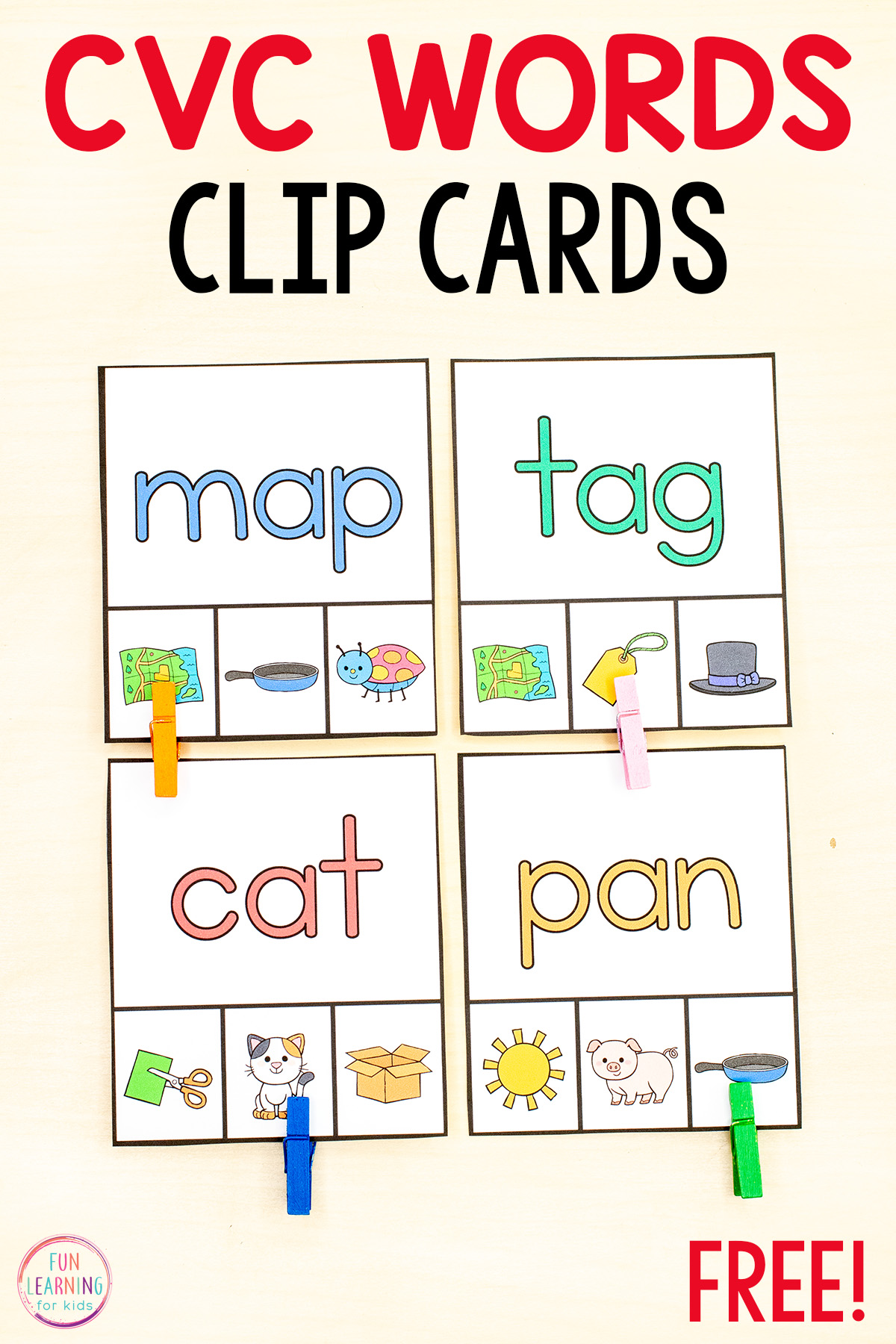
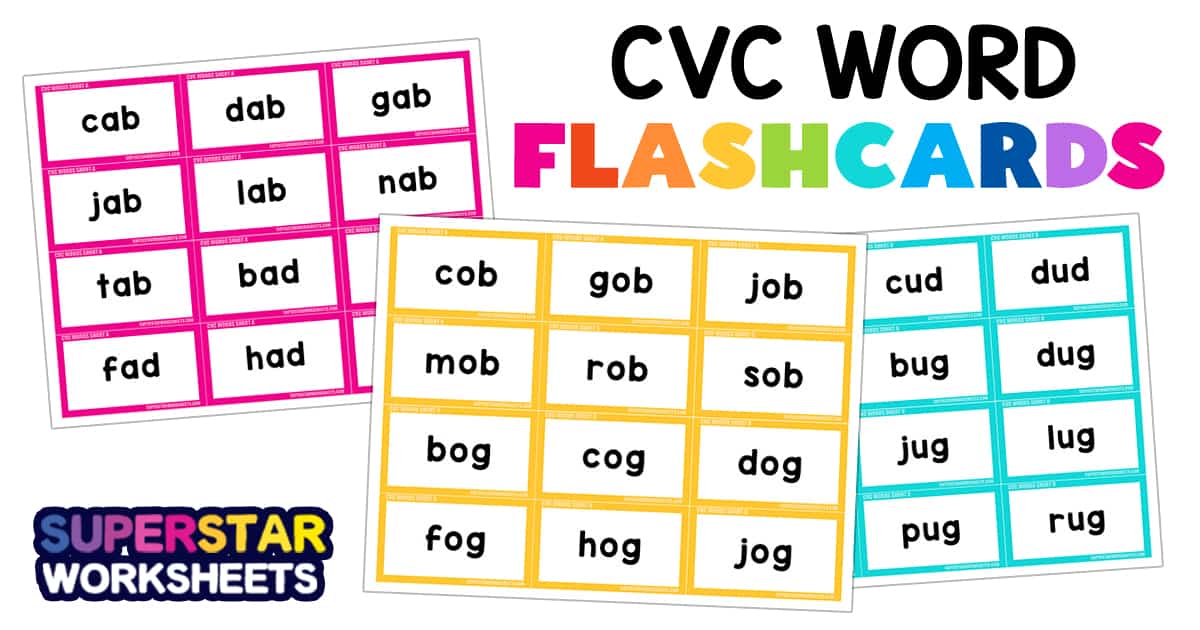
Free printable cvc flashcards serve as essential visual tools that bridge concrete photographic imagery with early phonemic decoding and spatial proportion development in children. According to the National Association for the Education of Young Children (NAEYC), multisensory visual resources that combine real-world imagery with structured orthographic patterns significantly accelerate early literacy acquisition and cognitive mapping. Utilizing high-contrast Photo Flashcards alongside structured grid templates allows young learners to translate concrete objects into geometric grid coordinates, reinforcing both phonetic awareness and observational accuracy. By pairing consonant-vowel-consonant word structures with realistic photography, educators and parents provide a multi-layered learning environment that fosters critical thinking, fine-motor control, and accurate spatial estimation without relying on abstract or confusing illustrations.
Visual Learning & Skill Snapshot:
- Core Focus: Integration of free printable cvc flashcards with grid drawing worksheets to build decoding and visual scaling skills.
- Target Skill: Spatial reasoning, visual discrimination, fine-motor proportion estimation, and word-to-image association.
- Key Recommendation: Laminate photo-based phonics cards and pair them with dry-erase coordinate grids for repeated, low-stakes practice.
Core Principles and Visual Learning Overview
Free printable cvc flashcards operate on foundational cognitive principles that link visual memory directly to linguistic decoding and manual drawing accuracy. When children examine realistic photographic cards, the brain processes actual visual data rather than stylized interpretations, reducing cognitive load during word recognition. This direct visual connection transitions seamlessly into tactile Grid Drawing exercises, where learners analyze proportions, lines, and negative space within bounded grid squares. Such structured visual exercises cultivate fine-motor precision, hand-eye coordination, and spatial awareness—critical precursors to advanced geometry, handwriting, and detailed observation. Incorporating these materials into daily Educational Activities establishes a robust foundation for holistic early childhood development.
Key Specifications and Breakdown
| Age / Learning Stage | Visual Skill & Grid Ratio | Pedagogical Application & Scaffolding |
|---|---|---|
| Ages 3-4 (Early Recognition) | 1×1 Grid with Real Photo Flashcards | Focuses on object identification, vocabulary expansion, and large-motor visual matching. |
| Ages 5-6 (Phonics Integration) | 2×2 Grid with CVC Word Cards | Connects initial phoneme sounds to grid coordinates and simple letter formation. |
| Ages 7-8 (Advanced Proportion) | 4×4 Grid with Complex Phonics Pairs | Enhances proportional accuracy, fine-motor pen control, and independent decoding. |
Multisensory learning experiences combining photographic visual stimuli with structured grid mapping yield superior retention and cognitive scaling in early childhood development. — National Association for the Education of Young Children (NAEYC)
Step-by-Step Practical Application and Printing Guidelines
Free printable cvc flashcards achieve maximum educational efficacy when prepared and implemented through a deliberate, structured printing and scaffolding routine. First, download high-resolution PDF templates featuring crisp photographic images paired with clear lowercase typography. Print these resources onto heavy cardstock (minimum 110 lb weight) to prevent show-through and ensure durability during frequent handling. Next, apply a matte thermal laminate coating to eliminate distracting glare under classroom or home lighting. Cut the sheets precisely along alignment guides to maintain uniform card dimensions. Introduce the cards by having learners name the photographic object, identify the component phonemes, and replicate the image proportions onto corresponding Grid Drawing worksheets using an HB graphite pencil.
Common Challenges and How to Avoid Them
Free printable cvc flashcards can occasionally overwhelm young learners if visual density or grid complexity increases too rapidly before foundational observation skills are established. Educators often encounter children rushing through proportion estimation or guessing words based on partial letter cues instead of analyzing the photographic subject. To prevent these obstacles, begin with simplified 2×2 coordinate grids that isolate a single dominant feature of the photographic card before graduating to intricate multi-square layouts. Encourage children to use a finger or pointer card to isolate individual grid squares, reducing visual clutter and promoting methodical, step-by-step observation and decoding.
💬 Frequently Asked Questions
Explore More Free Learning Printables and Visual Activities on WePhotoAgency
Free printable cvc flashcards represent only one facet of a comprehensive visual and literacy curriculum available through the central resource library at WePhotoAgency.com. Educators, parents, and homeschoolers can access a vast collection of professional photographic learning tools, geometric grid worksheets, and tactile cognitive activities designed to inspire curiosity and build foundational academic skills. Continuous engagement with these expertly crafted printables ensures children develop both artistic confidence and advanced analytical reasoning.
Visual Reference Gallery