Introduction
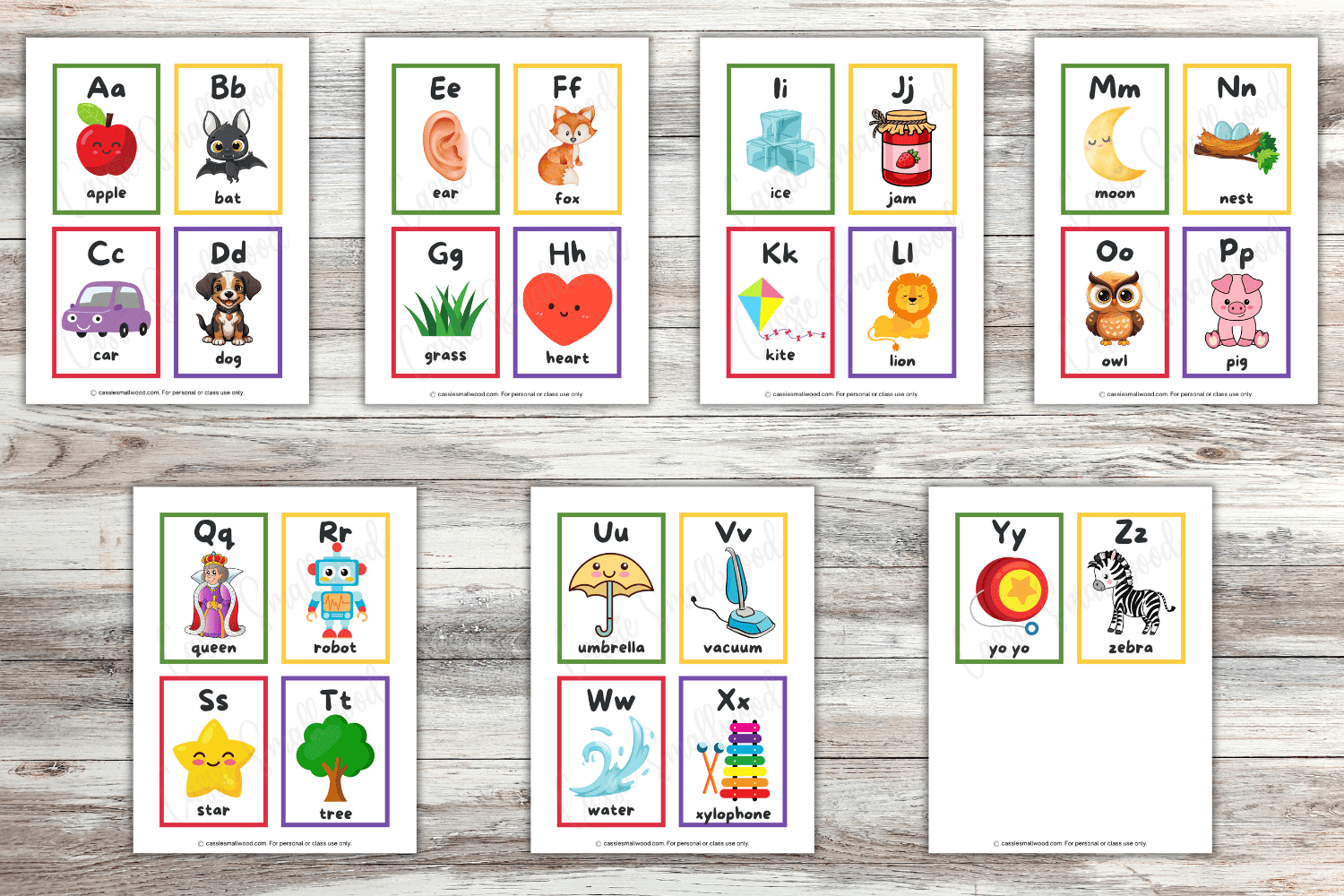
Utilizing a free printable alphabet flashcards pdf bridges real-world photographic imagery and early letter recognition through structured visual mechanics. According to the National Association for the Education of Young Children (NAEYC), integrating concrete visual representations alongside letter-sound correspondence accelerates foundational literacy and cognitive processing in young children. Educators, parents, and homeschoolers leverage these digital assets to foster critical observation skills, tactile engagement, and spatial awareness before formal writing instruction begins. By combining real photographic references with grid-based structural frameworks, learners transition smoothly from visual identification to manual proportion estimation.
Visual Learning & Skill Snapshot:
- Core Focus: Utilizing free printable alphabet flashcards pdf for real-photo visual mapping and spatial reasoning.
- Target Skill: Spatial reasoning, visual discrimination, fine-motor proportion, and observation-based letter formation.
- Key Recommendation: Print assets on heavy cardstock and pair them with Grid Drawing exercises to enhance visual-motor coordination.
Core Principles and Visual Learning Overview
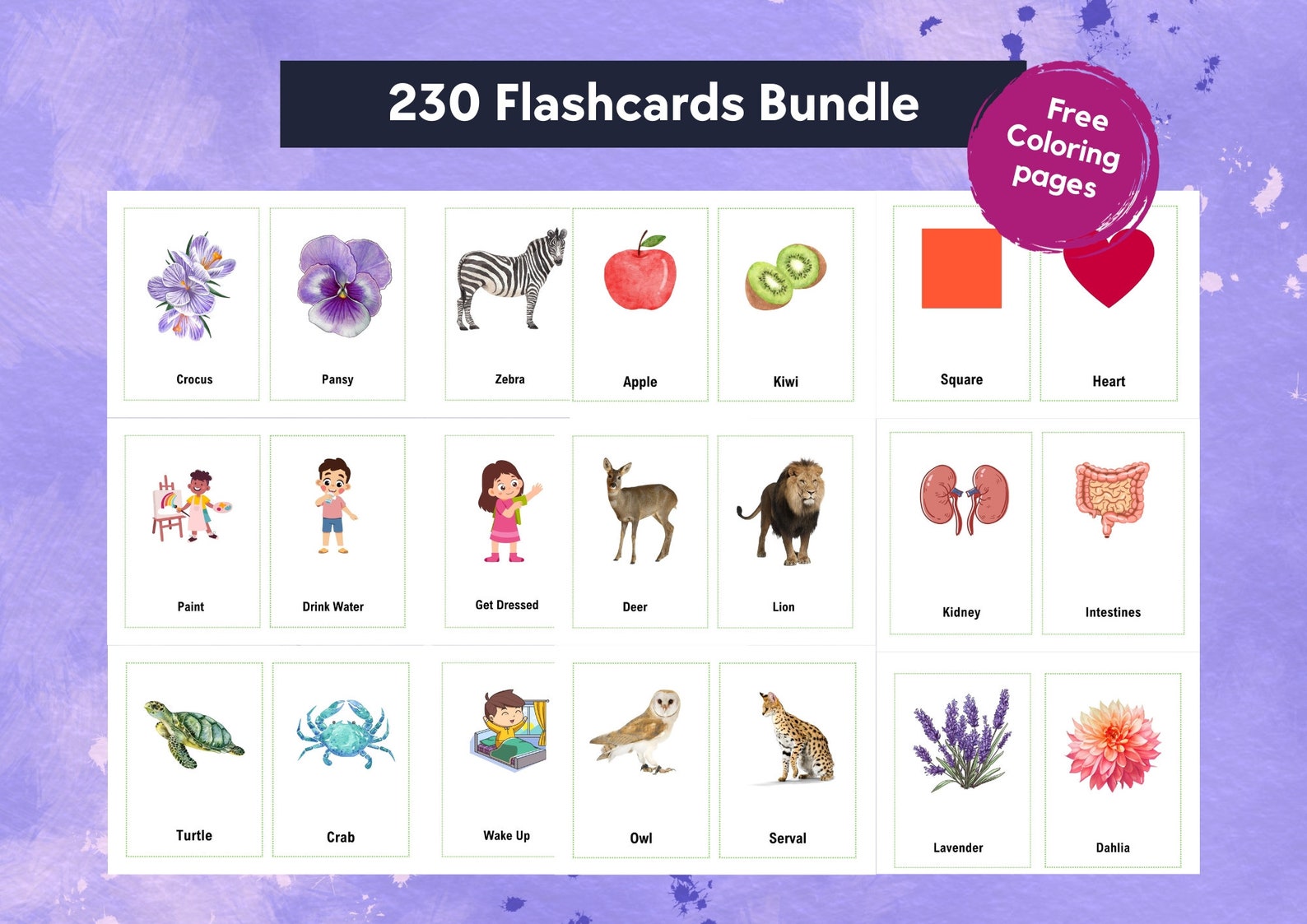
Implementing a free printable alphabet flashcards pdf in early learning environments demands an understanding of visual perception and cognitive scaffolding. Real photo visual flashcards ground abstract alphabetic symbols in concrete, real-world context, significantly improving memory retention compared to standard clip-art or plain typography. When children examine photographic cues alongside bold character glyphs, the brain builds dual-coding pathways that link visual memory with linguistic labels. Furthermore, integrating Photo Flashcards into daily routines encourages children to analyze contours, symmetry, and negative space, which serve as foundational precursors to accurate geometry and handwriting.
Key Specifications and Breakdown
| Age / Learning Stage | Visual Skill & Grid Ratio | Pedagogical Application & Scaffolding |
|---|---|---|
| Ages 3-4 (Early Discovery) | 1:1 Photo-to-Letter Matching | Focus on visual discrimination, color identification, and basic phonemic awareness using real photographic objects. |
| Ages 4-5 (Spatial Expansion) | 2×2 Grid Proportion Mapping | Introduce simple geometric lines to help children observe letter curves and angles relative to photographic edges. |
| Ages 6-7 (Advanced Refinement) | Multi-quadrant Scale Estimation | Combine letter flashcards with detailed Educational Activities to test memory and fine-motor precision. |
Visual-spatial integration training enhances structural observation and geometric proportion estimation in early childhood development. — National Art Education Association (NAEA). For more related activities, check out our English Picture Flashcards.
Step-by-Step Practical Application and Printing Guidelines
Executing structured visual lessons with downloadable instructional media requires proper material preparation and sequential presentation. Begin by downloading a reliable free printable alphabet flashcards pdf file, ensuring printer settings are calibrated to 100 percent scale to maintain accurate geometric proportions. Print the documents onto heavyweight cardstock (at least 110 lb weight) to prevent show-through and ensure durability during repeated manipulative use. Laminate the individual cards to withstand frequent handling, and introduce them alongside scaled grid drawing worksheets where children replicate the card outlines using coordinate squares to build fine-motor precision.
Common Challenges and How to Avoid Them
Addressing cognitive overload and visual clutter prevents frustration during early letter recognition and spatial mapping exercises. Children often struggle when flashcards present too many competing photographic details without a clear focal point; educators must select minimalist, high-contrast photo cards that highlight the target letter clearly. Avoid rushing the transition from simple identification to grid-based proportion drawing by first allowing tactile exploration of the physical cards. Providing structured guidance through scaffolding techniques ensures that young learners master observation and scale estimation at a developmentally appropriate pace.
💬 Frequently Asked Questions
Explore More Free Learning Printables and Visual Activities on WePhotoAgency
Expanding visual-spatial horizons requires access to high-quality, professional educational media designed for educators, homeschoolers, and young learners. Discover an extensive library of downloadable resources, teaching guides, and creative printables by visiting the central collection at WePhotoAgency.com to elevate daily classroom engagement and cognitive development.
Visual Reference Gallery