Introduction
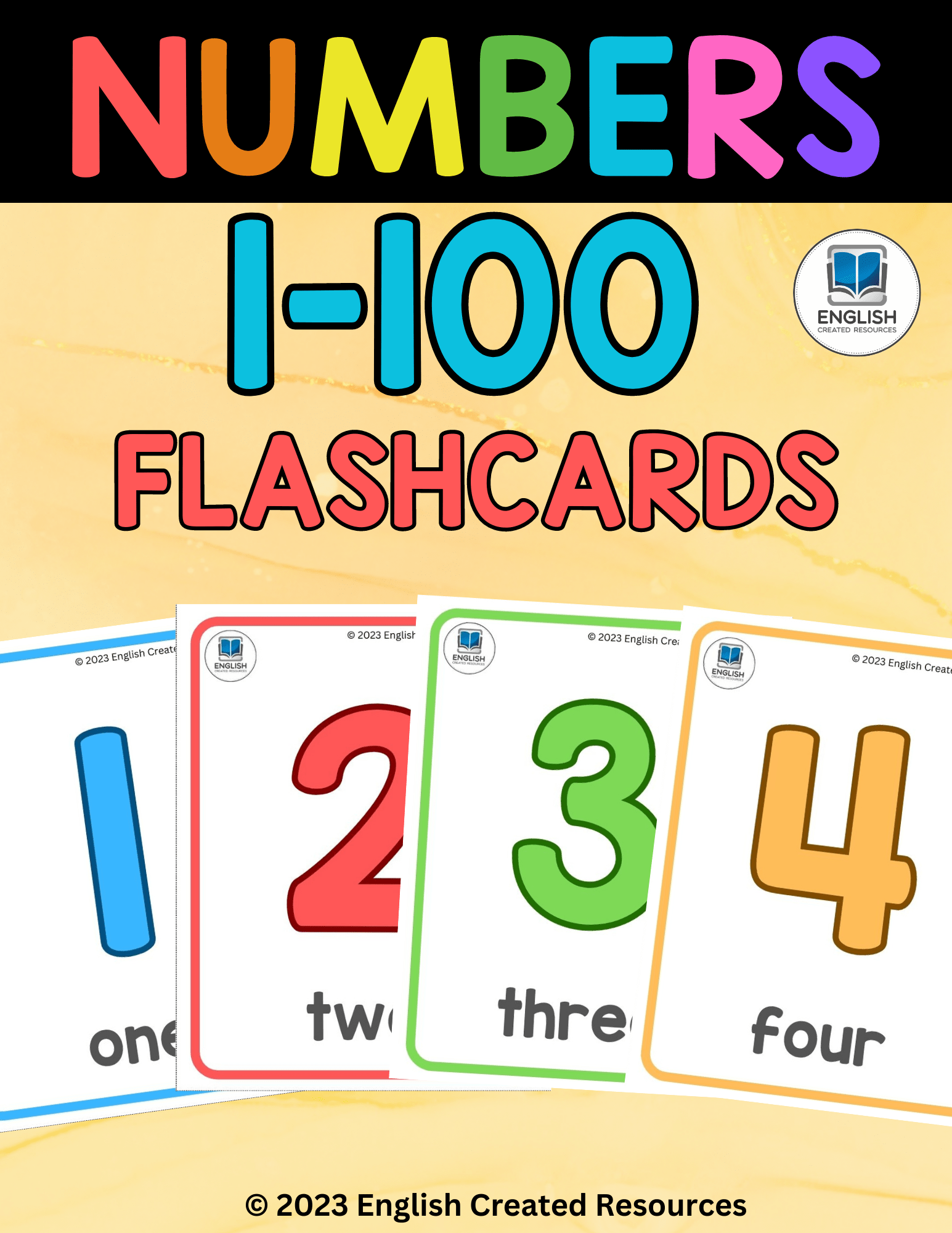
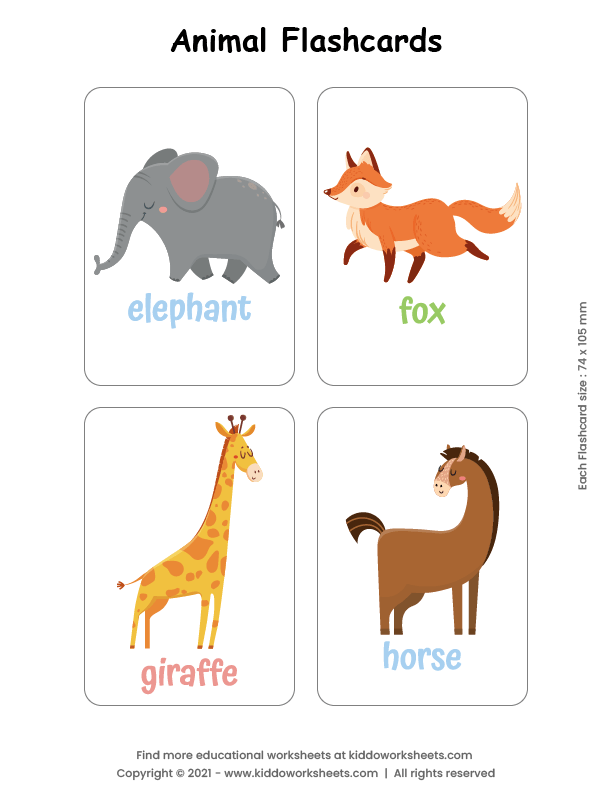
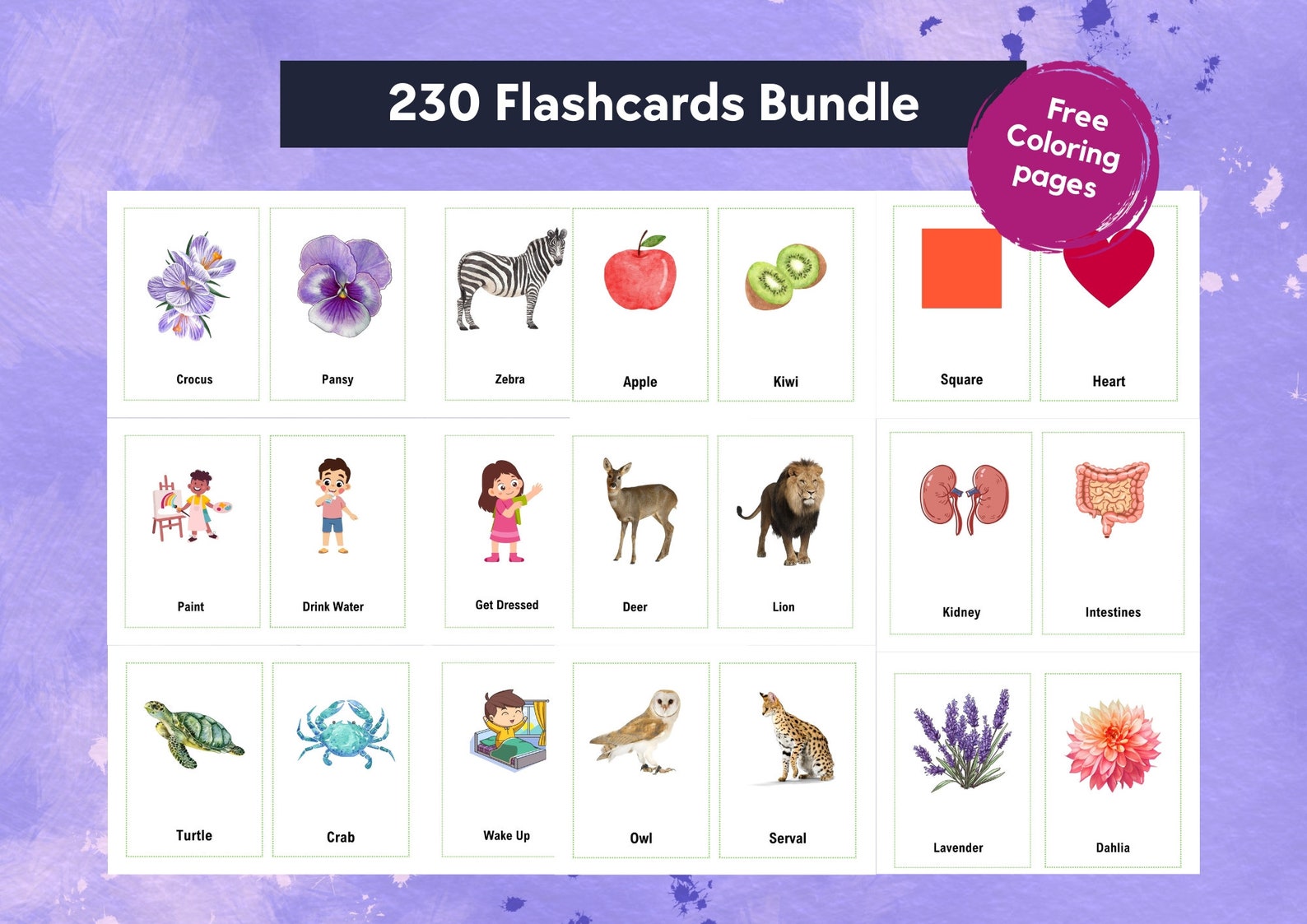
Flashcards from photo transform ordinary visual images into targeted, tactile cognitive tools that bridge observational art and spatial literacy for young learners. According to the National Association for the Education of Young Children (NAEYC), intentionally designed visual media and hands-on graphic manipulation significantly enhance early childhood cognitive mapping, visual discrimination, and fine-motor precision. By converting customized digital photographs into structured printable grid drawing worksheets and real photo visual flashcards, educators provide children with concrete entry points into complex proportional thinking. Integrating Photo Flashcards into daily instructional routines allows teachers and homeschoolers to bridge abstract perceptual concepts with tangible artistic production, fostering early geometry skills, visual memory retention, and meticulous hand-eye coordination.
Visual Learning & Skill Snapshot:
- Core Focus: Converting digital photographic references into structured visual learning cards and grid-based art worksheets.
- Target Skill: Spatial reasoning, visual discrimination, proportion estimation, and grid-scaling observation.
- Key Recommendation: Pair high-contrast printed photo tiles with proportional drawing grids to ground abstract spatial tasks in familiar imagery.
Core Principles and Visual Learning Overview
Spatial awareness and proportional estimation develop most robustly when children decompose complex visual inputs into manageable segments through grid-based observation. When utilizing custom Grid Drawing exercises derived from personal photographs, learners practice coordinate mapping, line orientation, and scale transformation without feeling overwhelmed by an entire composition. This instructional method encourages children to look past preconceived labels of objects—such as a house, a tree, or an animal—and focus strictly on lines, angles, and negative spaces. Utilizing customized Educational Activities featuring real photographic references guarantees that children connect abstract geometric frameworks directly to the observable physical world, establishing a solid foundation for advanced geometry and observational drawing in later grades.
Key Specifications and Breakdown
| Age / Learning Stage | Visual Skill & Grid Ratio | Pedagogical Application & Scaffolding |
|---|---|---|
| Ages 4–5 (Early Childhood) | 2×2 grid ratio; high-contrast photo flashcards | Focuses on whole-to-part matching, basic shape recognition, and vocabulary expansion through tangible image cards. |
| Ages 6–7 (Early Elementary) | 3×3 grid ratio; simplified line-to-photo matching | Introduces coordinate tracking, basic proportional scaling, and deliberate pencil control within bounded grid cells. |
| Ages 8–10 (Advanced Elementary) | 4×4 or complex grid ratio; tonal value mapping | Teaches advanced spatial estimation, perspective analysis, and precise grid-to-paper transfer techniques. |
Visual-spatial manipulation of photographic grids reinforces cognitive mapping, proportional accuracy, and fine-motor coordination across early elementary milestones. — National Art Education Association (NAEA)
Step-by-Step Practical Application and Printing Guidelines
Implementing photo-derived flashcards and grid worksheets requires selecting high-contrast, clear imagery that emphasizes distinct lines and primary subjects. Educators begin by cropping chosen photographs into square formats, overlaying a clean grid overlay using standard editing tools, and printing companion worksheets where corresponding blank grids match the exact row and column dimensions. Children examine each individual grid square on the reference card, verbalize the spatial coordinates, and replicate the contained lines onto the corresponding blank coordinate block. Utilizing heavy cardstock for printing ensures durability during repeated handling, while laminating individual flashcards allows classrooms to use dry-erase markers for repetitive tracing, scaling, and coordinate practice.
Common Challenges and How to Avoid Them
Overcomplicating the initial visual reference represents the most frequent obstacle when introducing children to grid-based drawing and photo flashcards. Educators prevent frustration by beginning with simple, uncluttered subjects—such as single geometric toys, close-up botanical elements, or familiar animals—before introducing complex landscape scenes or crowded portraits. If a child struggles to reproduce lines within a specific grid quadrant, instructors should guide the learner to isolate the single cell by covering adjacent squares with blank paper masks, thereby eliminating visual clutter and sharpening targeted observation skills.
💬 Frequently Asked Questions
Explore More Free Learning Printables and Visual Activities on WePhotoAgency
Empowering young learners with exceptional visual art tools and cognitive development resources remains simple through the comprehensive library curated at WePhotoAgency.com. Educators and parents can access a diverse array of downloadable teaching aids designed to foster creativity, enhance spatial reasoning, and support foundational artistic growth across all early childhood educational environments.
Visual Reference Gallery