Introduction
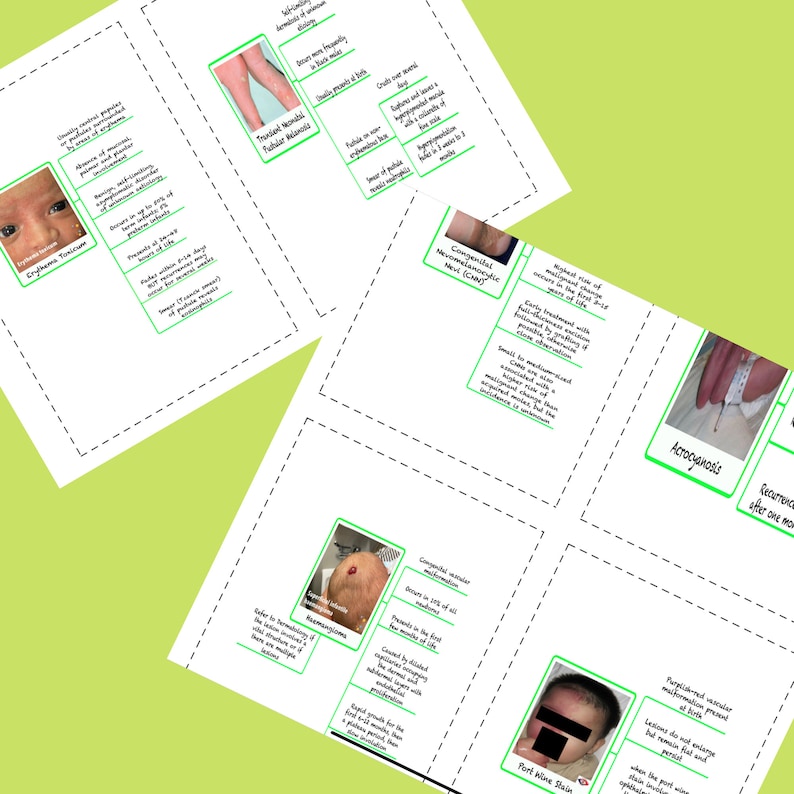
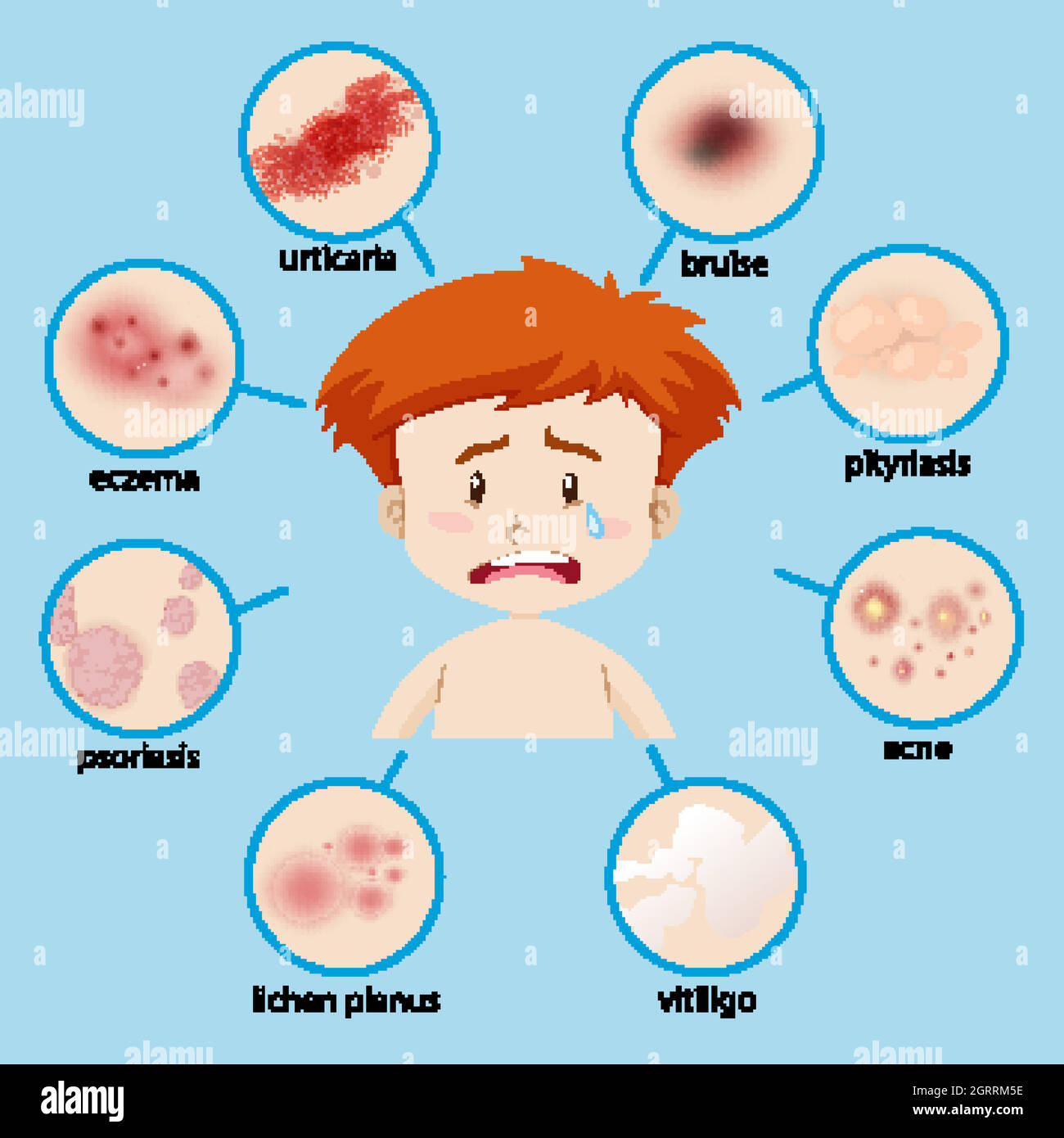
Dermatology picture flashcards utilize macro-photography of skin textures, patterns, and dermatological variations to build advanced visual discrimination, spatial awareness, and fine-motor proportion estimation in young learners. According to the National Association for the Education of Young Children (NAEYC), structured visual analysis of detailed real-world photographic stimuli significantly enhances cognitive categorization and observation skills during early childhood development. Incorporating these Photo Flashcards into educational settings transforms abstract biological concepts into tangible, highly engaging Educational Activities suitable for homeschoolers, art teachers, and early elementary classrooms.
Visual Learning & Skill Snapshot:
- Core Focus: Dermatology picture flashcards applied to macro-photography analysis and scale drawing.
- Target Skill: Spatial reasoning, visual discrimination, fine-motor proportion estimation, and close-up observation.
- Key Recommendation: Pair high-contrast photographic cards with scaled Grid Drawing worksheets to bridge observation with tactile execution.
Core Principles and Visual Learning Overview
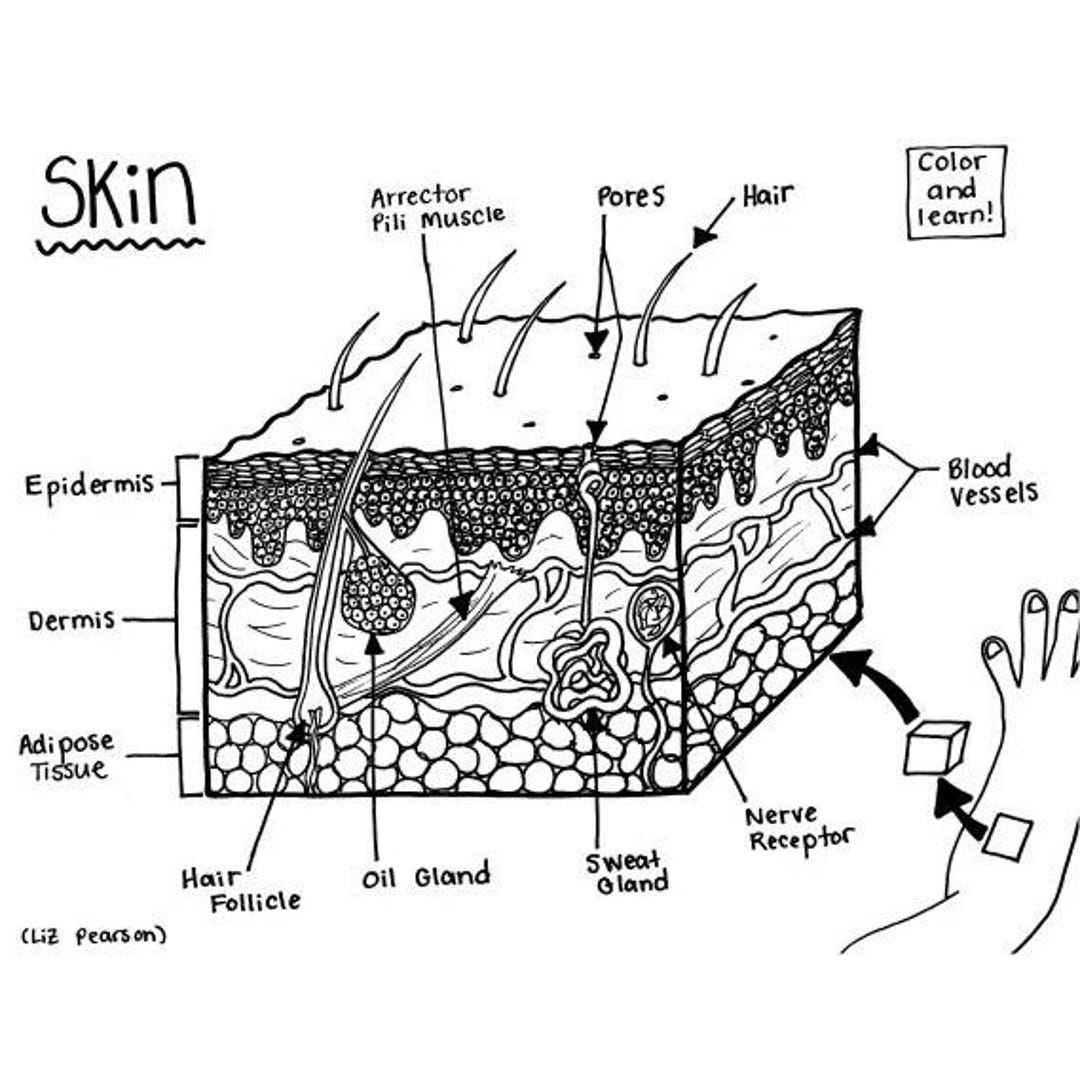
Visual learning efficiency accelerates when children transition from viewing high-resolution photographic cards to mapping those visual data points onto structured coordinates. Dermatology picture flashcards supply exceptional training grounds for this cognitive bridge because skin textures, moles, pores, and cellular patterns force the human eye to move past generalized symbols and focus entirely on exact shapes, lines, and gradients. When educators combine these photo references with a controlled grid framework, learners stop guessing and start observing proportional relationships. This method dismantles the intimidation of complex rendering tasks by breaking intricate visual surfaces into manageable individual grid squares, cultivating patience, hand-eye coordination, and accurate spatial estimation.
Key Specifications and Breakdown
| Age / Learning Stage | Visual Skill & Grid Ratio | Pedagogical Application & Scaffolding |
|---|---|---|
| Ages 4-6 (Early Foundation) | 1×1 to 2×2 macro grids | Focuses on color mapping, basic shape isolation, and gross texture matching using simplified photo prompts. |
| Ages 7-9 (Intermediate Observation) | 4×4 proportional coordinate grids | Develops fine-motor pencil control, line weight variation, and precise spatial proportion estimation from clinical details. |
| Ages 10+ (Advanced Mastery) | Multi-quadrant fine-detail grids | Requires intricate gradient shading, exact contour tracking, and advanced scientific observation of organic surface patterns. |
Structured visual analysis of complex photographic textures directly correlates with enhanced cognitive categorization, spatial processing speed, and fine-motor precision in young learners. — National Art Education Association (NAEA)
Step-by-Step Practical Application and Printing Guidelines
Executing tactile grid drawing sessions using photographic reference materials requires careful preparation of physical printouts to ensure optimal visual clarity. Begin by selecting high-contrast dermatology picture flashcards printed on heavy matte cardstock to eliminate distracting surface glares under classroom lighting. Next, align the corresponding blank grid worksheets side-by-side with the photo card, securing both documents onto a stable slanted drawing board to maintain correct ergonomic viewing angles. Instruct learners to isolate one grid coordinate at a time using a paper viewfinder mask, compelling the brain to analyze abstract shapes rather than the whole complex image. Finally, guide students to replicate line intersections and shading densities meticulously before erasing guide markers and evaluating overall proportional accuracy.
Common Challenges and How to Avoid Them
Frustration during detailed grid replication typically stems from learners attempting to draw the entire image at once instead of working systematically coordinate by coordinate. Educators can easily prevent this obstacle by enforcing the single-box isolation method, which keeps young artists focused on small, achievable segments of the photo flashcard. Another frequent hurdle involves incorrect pencil pressure and heavy outlines that obscure delicate skin tone gradients and subtle texture patterns. Mitigate this by providing specialized 2H and HB sketching pencils, teaching students to build tones progressively rather than pressing down forcefully on the first pass.
💬 Frequently Asked Questions
Explore More Free Learning Printables and Visual Activities on WePhotoAgency
Unlocking the full potential of visual arts education and cognitive spatial training requires a diverse, continuously expanding library of professional print resources. Educators, parents, and homeschool pioneers can access an extensive collection of classroom-ready materials, specialized photo cards, and structured worksheets by visiting WePhotoAgency.com to elevate everyday learning environments.
Visual Reference Gallery