Introduction
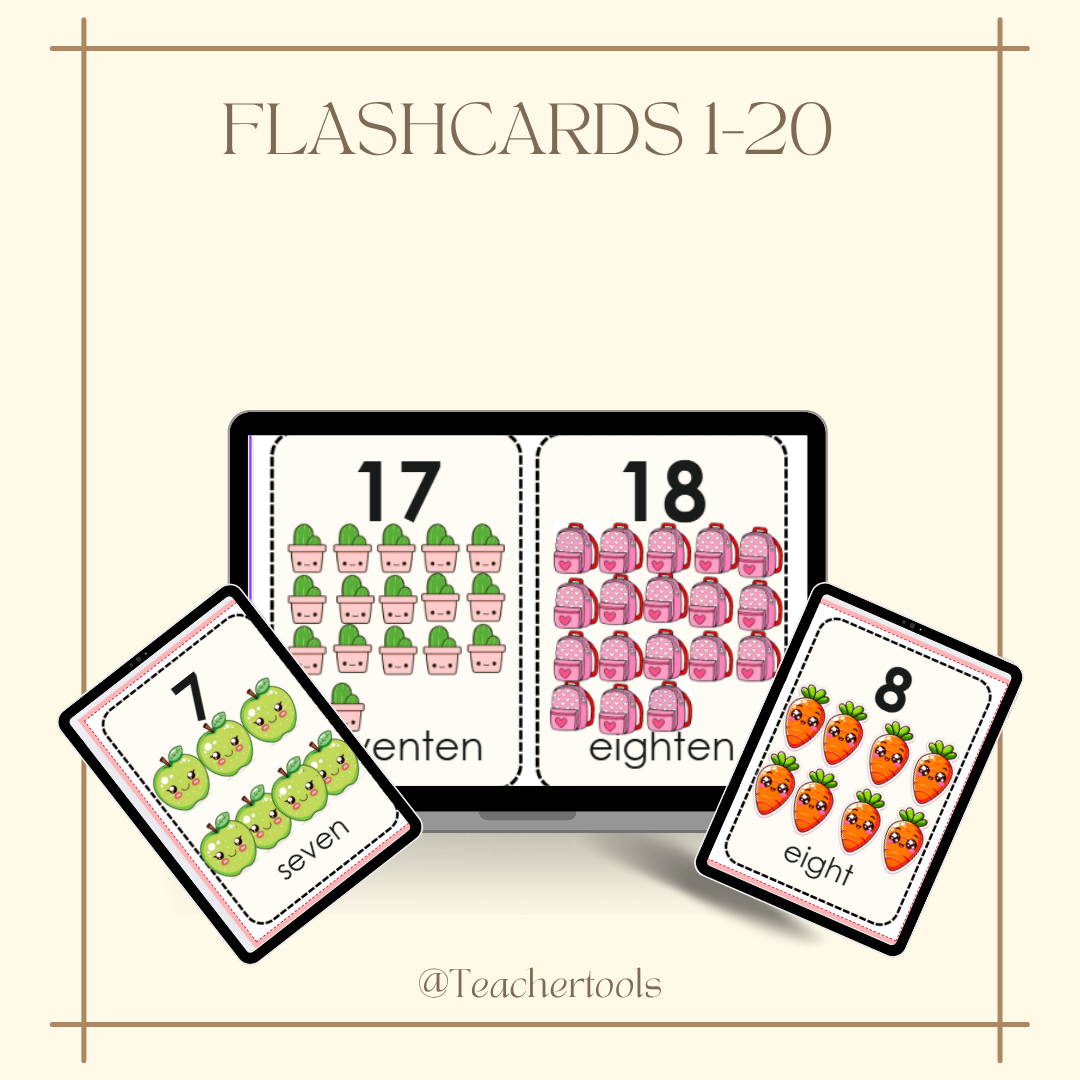
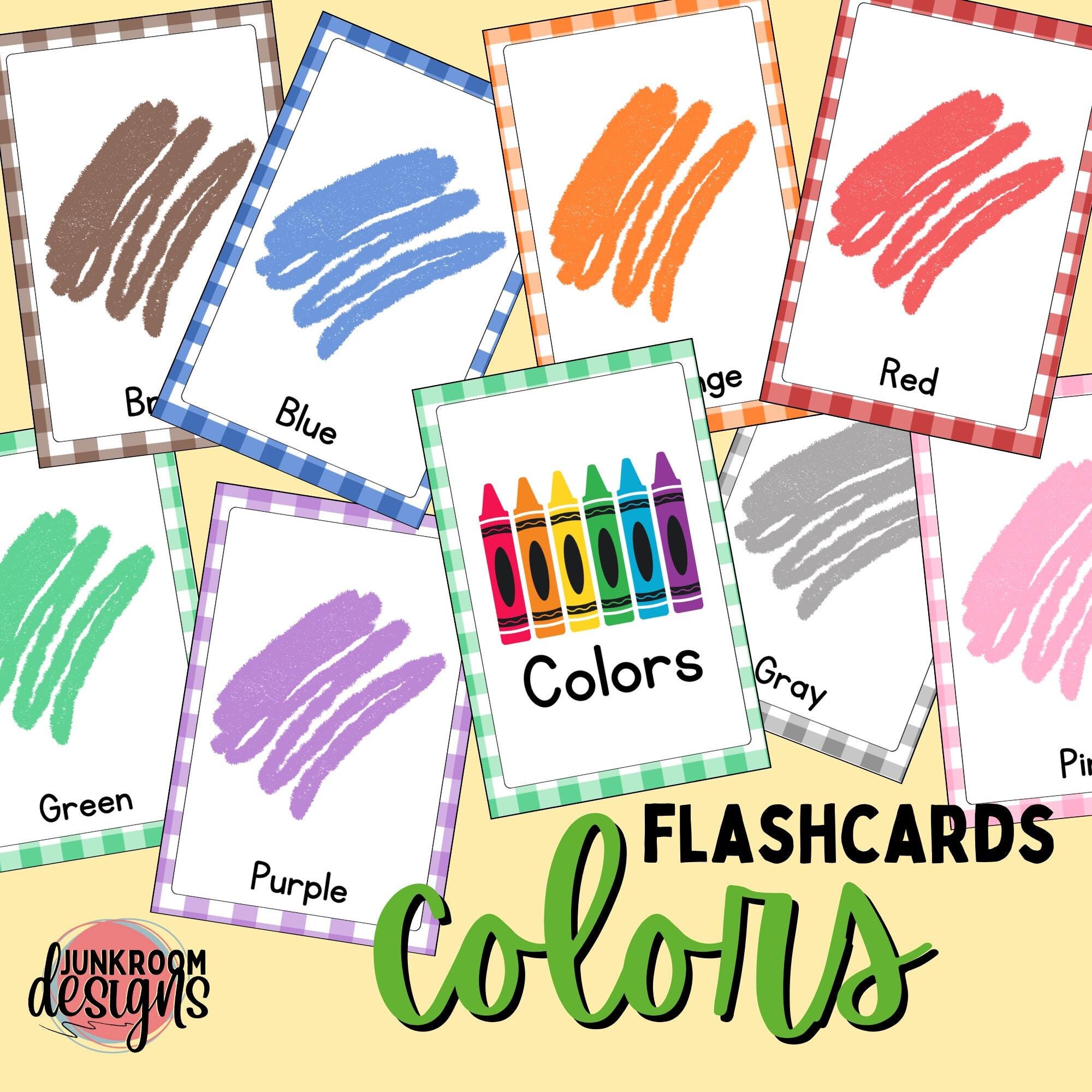
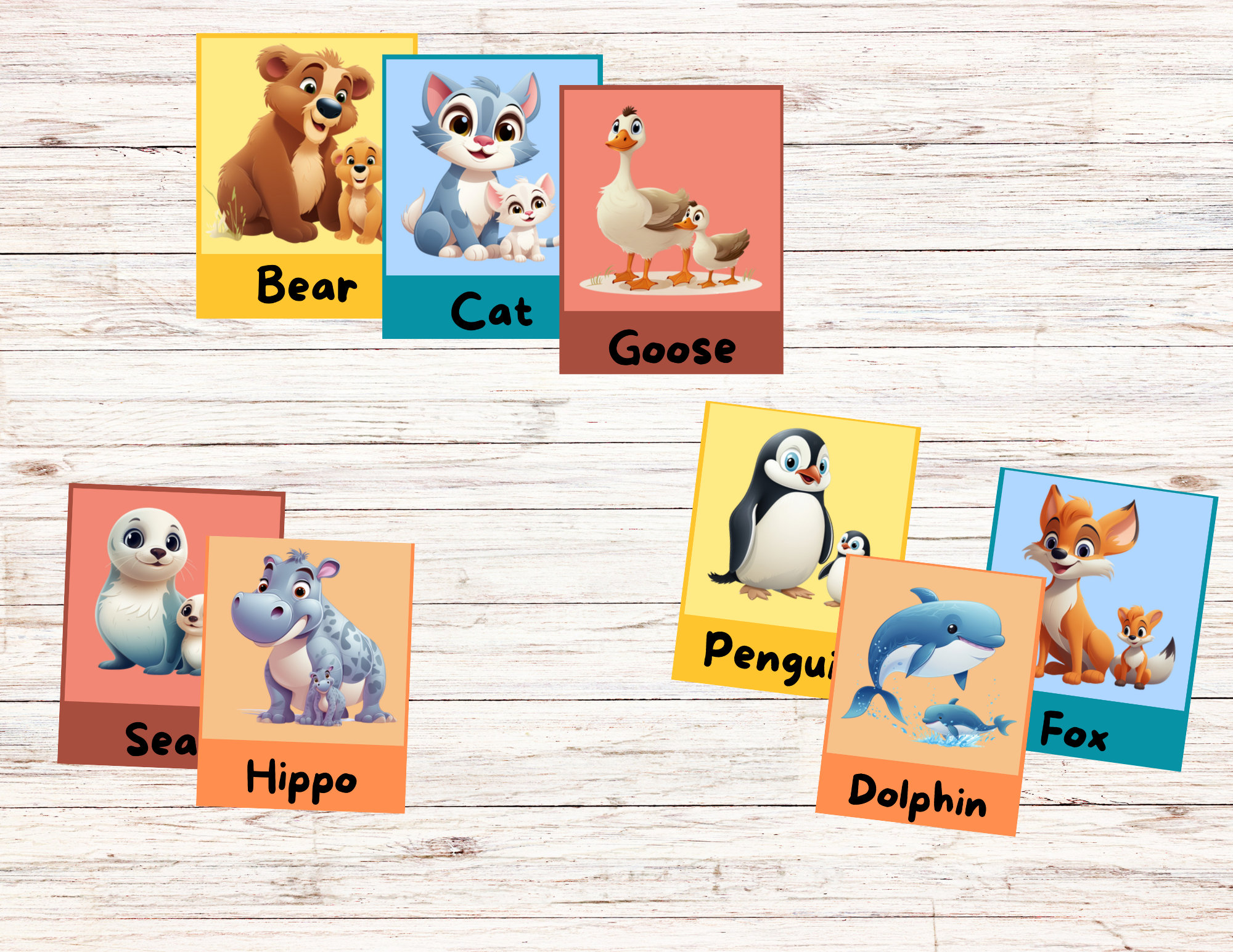
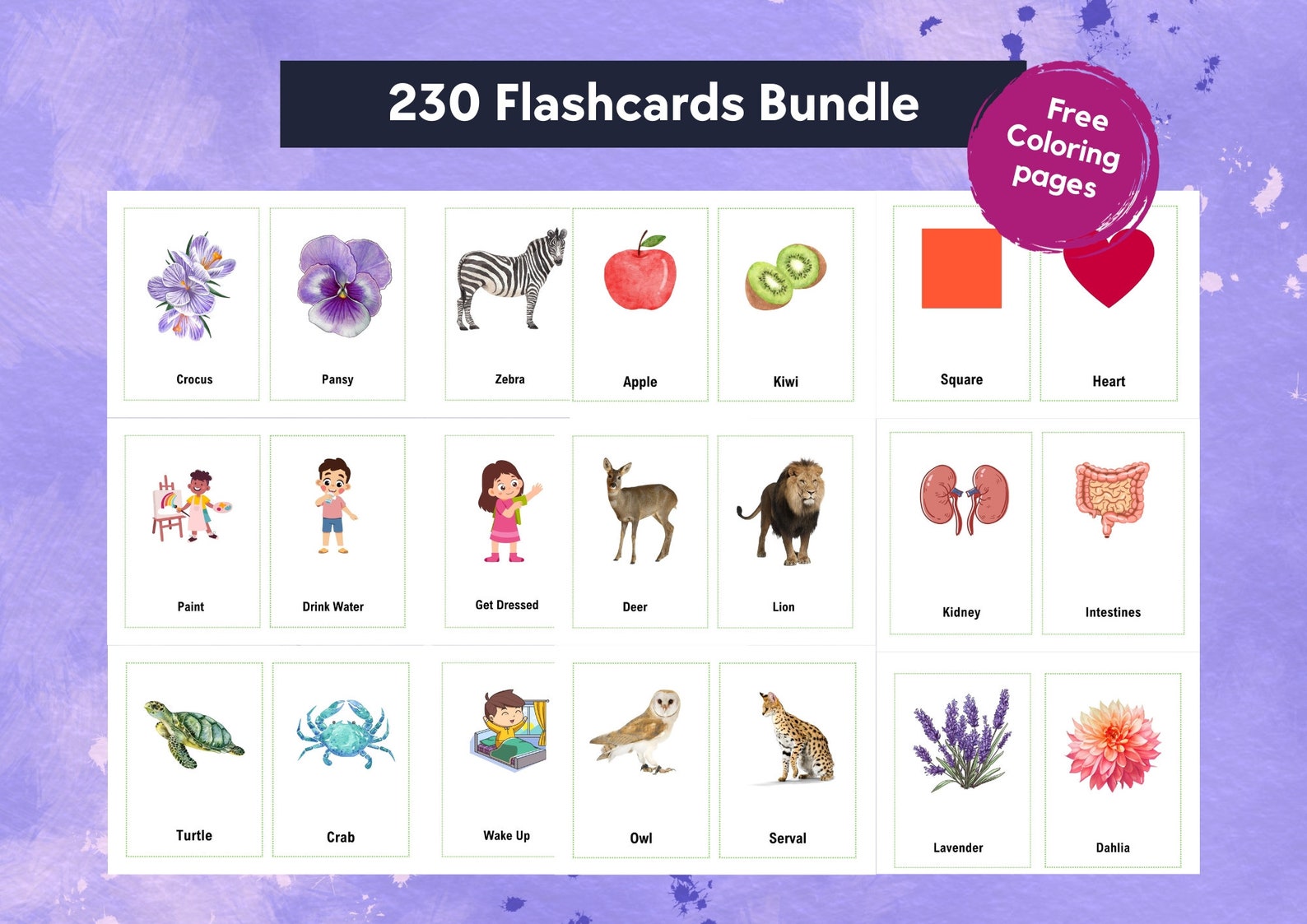
Digital picture flashcards are high-resolution visual tools that bridge screen-based observation and hands-on tactile learning by displaying real-world photographic stimuli for early childhood cognitive development. According to the National Association for the Education of Young Children (NAEYC), purposeful integration of concrete visual media supports young minds in developing foundational mental representations and cross-modal processing skills. Utilizing these visual assets alongside structured Grid Drawing worksheets allows educators to cultivate systematic observation habits, encouraging learners to break complex visual forms down into manageable components. By transitioning photographic references into printable formats, classrooms and homeschool environments transform passive digital viewing into active, hands-on spatial problem-solving.
Visual Learning & Skill Snapshot:
- Core Focus: Leveraging digital picture flashcards to bridge high-resolution visual observation with tactile drawing and proportional reasoning.
- Target Skill: Spatial reasoning, visual discrimination, fine-motor proportion estimation, and grid coordinate mapping.
- Key Recommendation: Pair high-contrast photo assets directly with scaled physical worksheets to reinforce hand-eye coordination.
Core Principles and Visual Learning Overview
Spatial awareness and visual discrimination develop effectively when learners systematically analyze photographic reference materials before executing physical strokes on paper. Digital picture flashcards serve as versatile references that display authentic textures, accurate color proportions, and real-world lighting, moving beyond simplistic cartoon illustrations to ground early art education in realistic observation. When paired with printable grid frameworks found in specialized Photo Flashcards collections, children learn to isolate specific quadrants, measure relative distances, and map visual coordinates accurately. This multi-step cognitive process strengthens bilateral coordination, improves visual-spatial memory, and lays a rigorous groundwork for geometric comprehension and advanced draftsmanship.
Key Specifications and Breakdown
| Age / Learning Stage | Visual Skill & Grid Ratio | Pedagogical Application & Scaffolding |
|---|---|---|
| Ages 4–5 (Early Foundation) | 2×2 Grid Matrix, High-Contrast Shapes | Focuses on basic contour recognition and matching simple photographic details within large, clear boxes. |
| Ages 6–8 (Developing Literacy) | 3×3 Grid Matrix, Proportional Scaling | Encourages line estimation, edge alignment, and breaking complex organic subjects into geometric fractions. |
| Ages 9+ (Advanced Application) | 4×4 or Custom Grid, Fine Detail Study | Demands meticulous proportion checking, tonal value observation, and independent photo reference analysis. |
Visual-spatial training through structured photographic analysis significantly enhances geometric reasoning, proportional accuracy, and fine-motor coordination in early childhood learners. — National Art Education Association (NAEA)
Step-by-Step Practical Application and Printing Guidelines
Executing successful drawing sessions requires deliberate preparation of both digital assets and printed companion worksheets to maximize cognitive engagement. Begin by displaying the chosen photo flashcard on a dedicated screen or printing a physical copy at a scale matching the student’s drawing grid. Instruct learners to first scan the entire image as a cohesive whole before isolating individual grid squares to analyze line direction, negative space, and intersection points. Educators can explore a wide variety of structured Educational Activities designed to scaffold this transition from whole-image observation to quadrant-by-quadrant transcription. Ensure printouts maintain crisp lines and high contrast so that young artists can easily distinguish fine details, shadows, and boundaries during the drawing process.
Common Challenges and How to Avoid Them
Young learners frequently encounter hurdles such as rushing through proportion estimation or focusing exclusively on isolated grid squares without checking overall image cohesion. Overcoming these tendencies involves guiding children to periodically step back, compare their developing sketches against the reference photo, and verify coordinate placements before finalizing permanent ink or pencil lines. Establishing a routine of slow, deliberate visual scanning prevents frustration and trains the brain to notice subtle angles and proportions that casual observation often misses. Providing structured check-ins during the drawing process further reinforces patience, accountability, and methodical problem-solving strategies.
💬 Frequently Asked Questions
Explore More Free Learning Printables and Visual Activities on WePhotoAgency
Advancing early childhood visual literacy requires consistent access to professional-grade reference materials, structured worksheets, and engaging educational assets designed for diverse learning environments. Educators, parents, and homeschool instructors are encouraged to browse the comprehensive resource library available at WePhotoAgency.com to discover additional printable tools that inspire creativity, build cognitive confidence, and transform everyday observation into meaningful artistic expression.
Visual Reference Gallery