Introduction
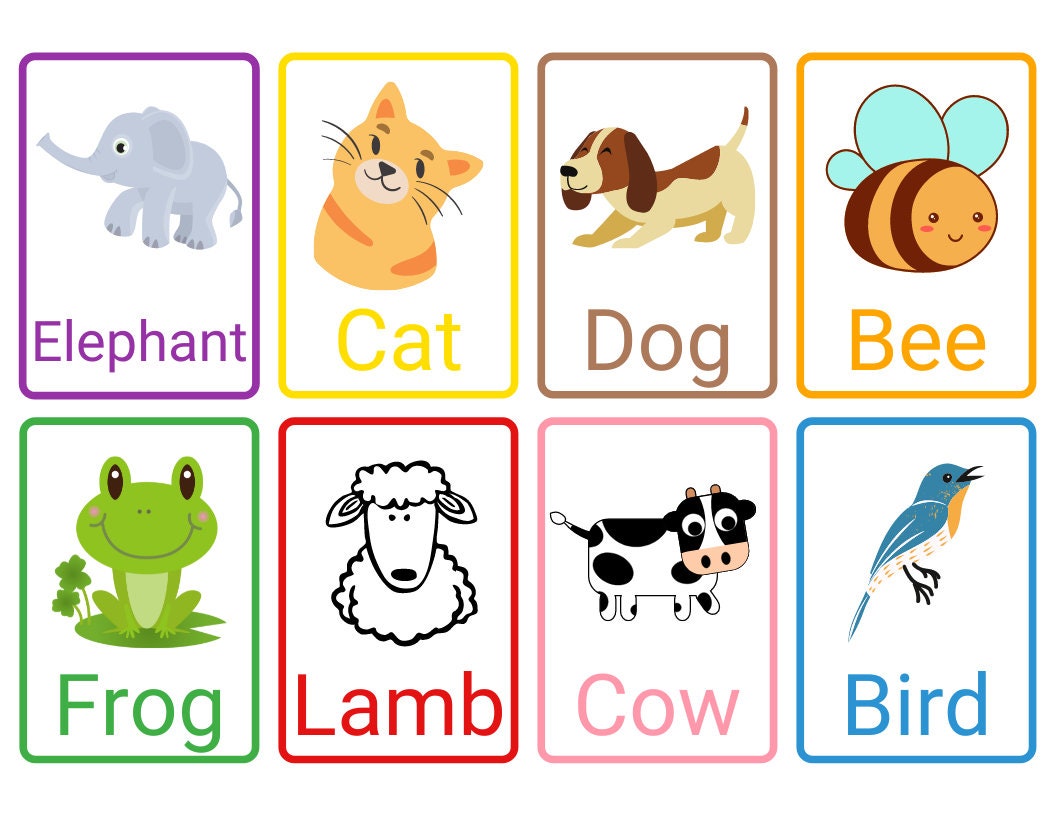
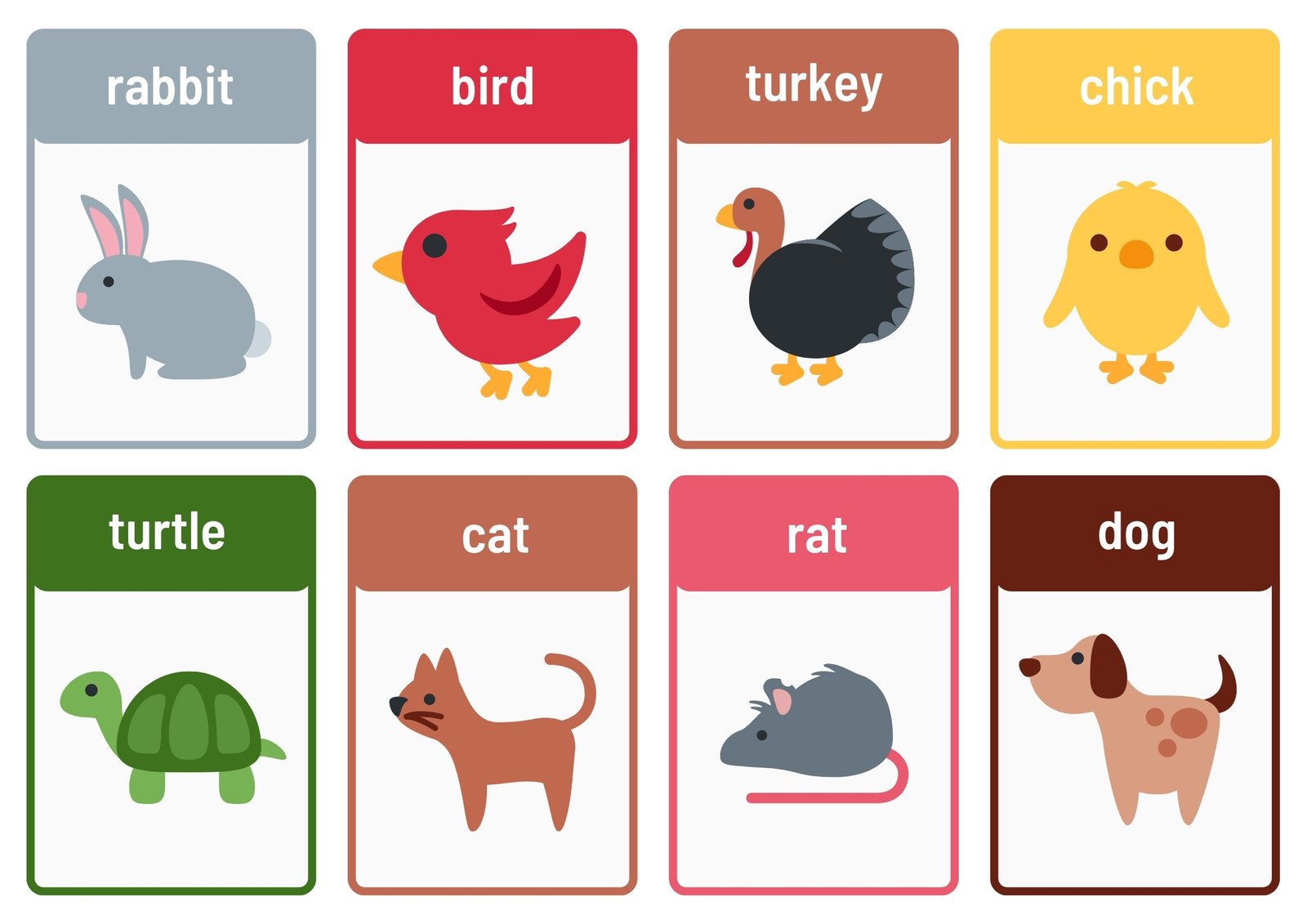
Animal picture flashcards serve as foundational visual tools that accelerate cognitive development by pairing concrete biological imagery with abstract spatial processing tasks. According to the National Association for the Education of Young Children (NAEYC), hands-on manipulation of realistic photographic stimuli significantly enhances visual discrimination, working memory, and observational precision in early learners. Utilizing high-resolution imagery bridges the gap between passive viewing and active cognitive engagement, preparing young minds for complex geometric and artistic disciplines. Integrating these visual resources into curricula helps children decode complex forms into manageable segments, supporting foundational literacy and foundational art skills.
Visual Learning & Skill Snapshot:
- Core Focus: High-definition animal picture flashcards paired with printable grid drawing frameworks.
- Target Skill: Spatial reasoning, visual discrimination, fine-motor proportion, and manual drafting accuracy.
- Key Recommendation: Pair photographic flashcards directly with scaled grid worksheets to systematically train proportional estimation.
Core Principles and Visual Learning Overview
Spatial awareness and proportion estimation improve dramatically when learners deconstruct photographic subjects using standardized visual grids. Animal picture flashcards provide authentic reference points that eliminate stylized distortions found in cartoon illustrations, encouraging children to observe true anatomical structures, textures, and contour variations. When combined with Grid Drawing exercises, these photographic references require students to translate two-dimensional coordinates into coordinated hand movements. This methodology activates both hemispheres of the brain, linking analytical spatial mapping with creative fine-motor execution.
Key Specifications and Breakdown
| Age / Learning Stage | Visual Skill & Grid Ratio | Pedagogical Application & Scaffolding |
|---|---|---|
| Ages 4-5 (Early Explorers) | 2×2 grid ratio with bold outlines | Focuses on basic contour recognition and hand-eye coordination using large, distinct animal features. |
| Ages 6-8 (Developing Artists) | 4×4 standard coordinate grid | Teaches intermediate proportion estimation, negative space awareness, and detailed texture replication. |
| Ages 9+ (Advanced Students) | 8×8 complex proportional grid | Refines precision drawing, microscopic observation, and realistic scale translation from real photos. |
Early childhood art education must prioritize observational accuracy and spatial reasoning over mere replication, establishing neural pathways crucial for mathematical and scientific literacy. — National Art Education Association (NAEA)
Step-by-Step Practical Application and Printing Guidelines
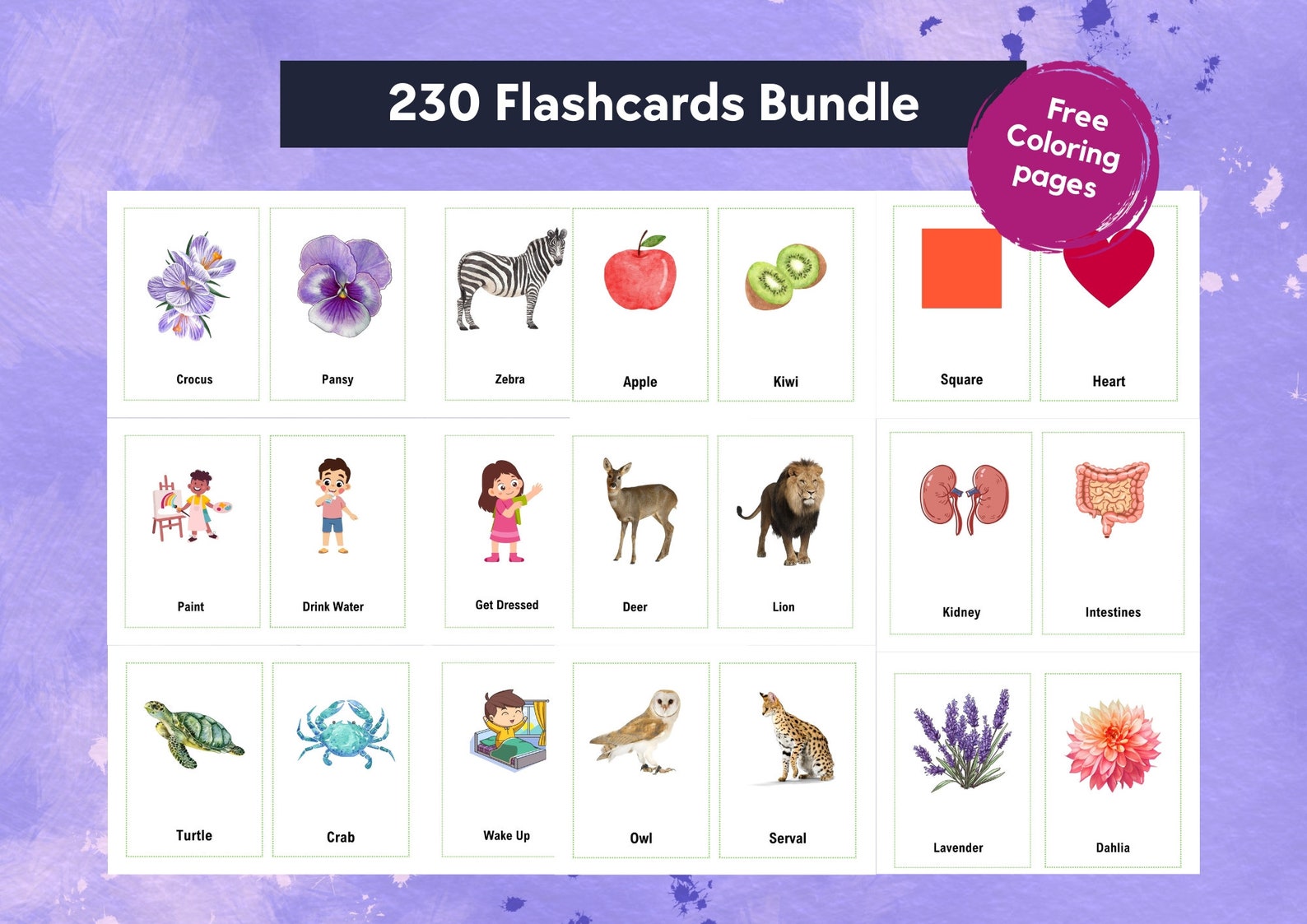
Executing effective drawing sessions requires durable materials, clean cardstock printing, and clear visual pairing methodologies. Educators should laminate standard Photo Flashcards alongside matching grid worksheets to allow repeated dry-erase practice before final paper drafting. Begin by placing the target animal picture card at eye level next to the blank grid sheet. Instruct learners to isolate one grid square at a time, analyzing the intersection of lines, curves, and negative space before transferring pencil strokes onto the corresponding grid block. This methodical segmentation prevents cognitive overload and guarantees accurate proportion maintenance throughout the entire drawing process.
Common Challenges and How to Avoid Them
Frustration during proportional drawing typically stems from attempting to copy the entire subject at once rather than focusing on isolated grid quadrants. Educators can resolve this hurdle by providing viewfinders or opaque cardboard blockers that conceal adjacent squares, forcing the brain to process shapes purely as abstract geometric relationships. Furthermore, utilizing high-contrast animal picture flashcards ensures that shadows and highlights remain distinct, preventing visual confusion when children attempt to render fur patterns or feather textures. Consistent, low-pressure practice with these modular visual tools builds long-term confidence and exceptional hand-mastery.
💬 Frequently Asked Questions
Explore More Free Learning Printables and Visual Activities on WePhotoAgency
Access an extensive library of professional teaching aids, structured drawing templates, and interactive visual resources designed to foster cognitive growth. Educators and parents can discover curated collections of printable assets by visiting Educational Activities and exploring the main repository at WePhotoAgency.com to elevate daily early childhood learning experiences.
Visual Reference Gallery