Introduction
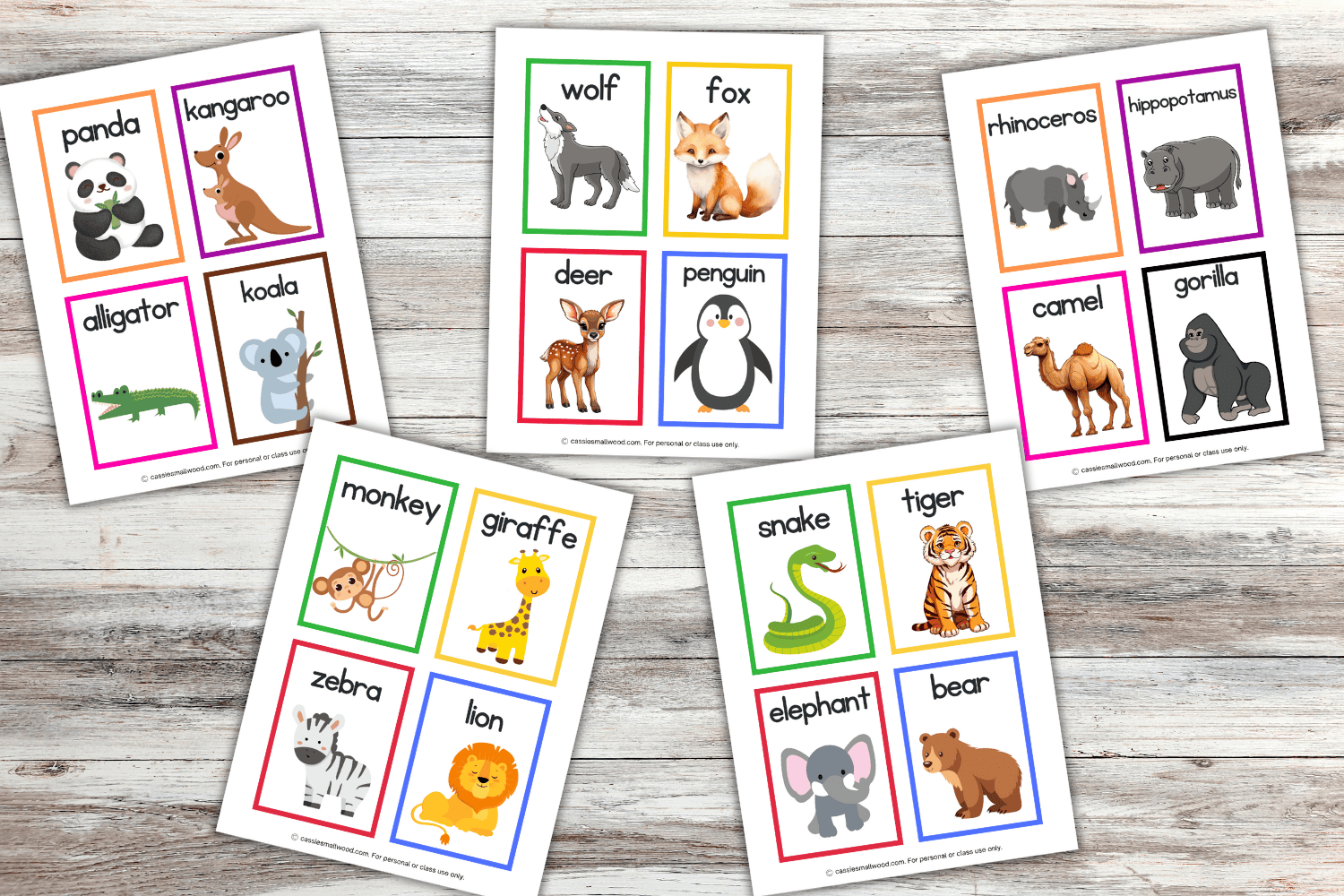
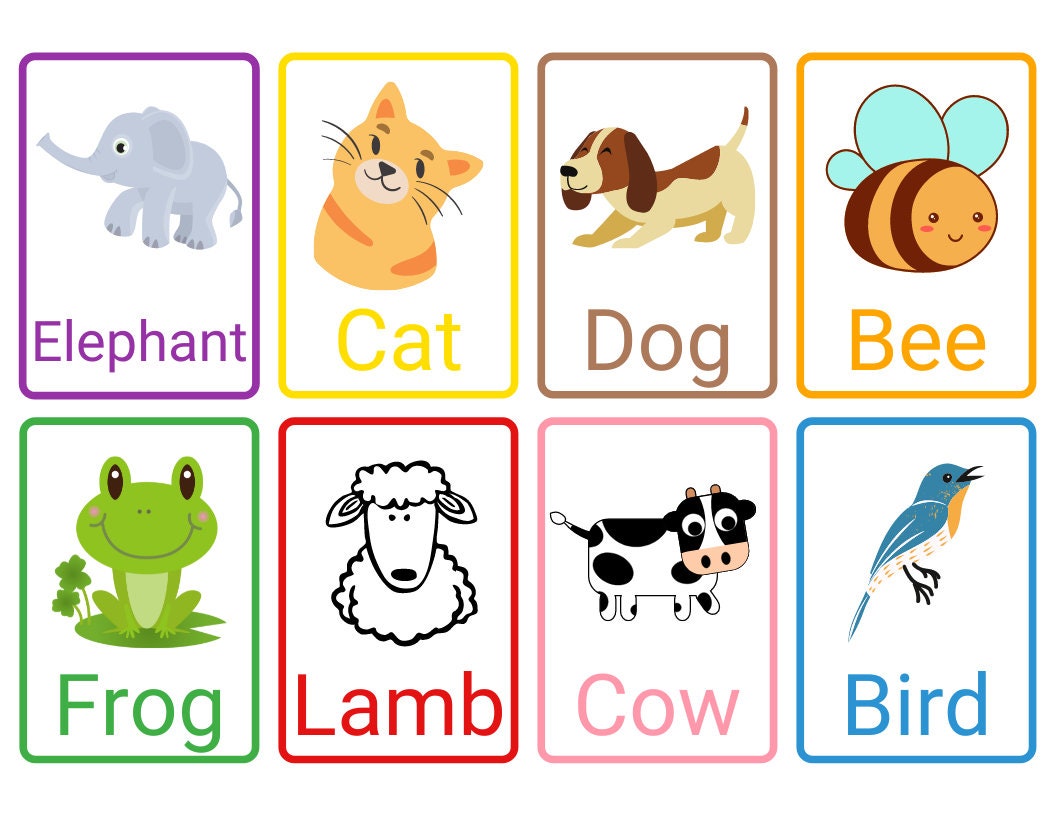
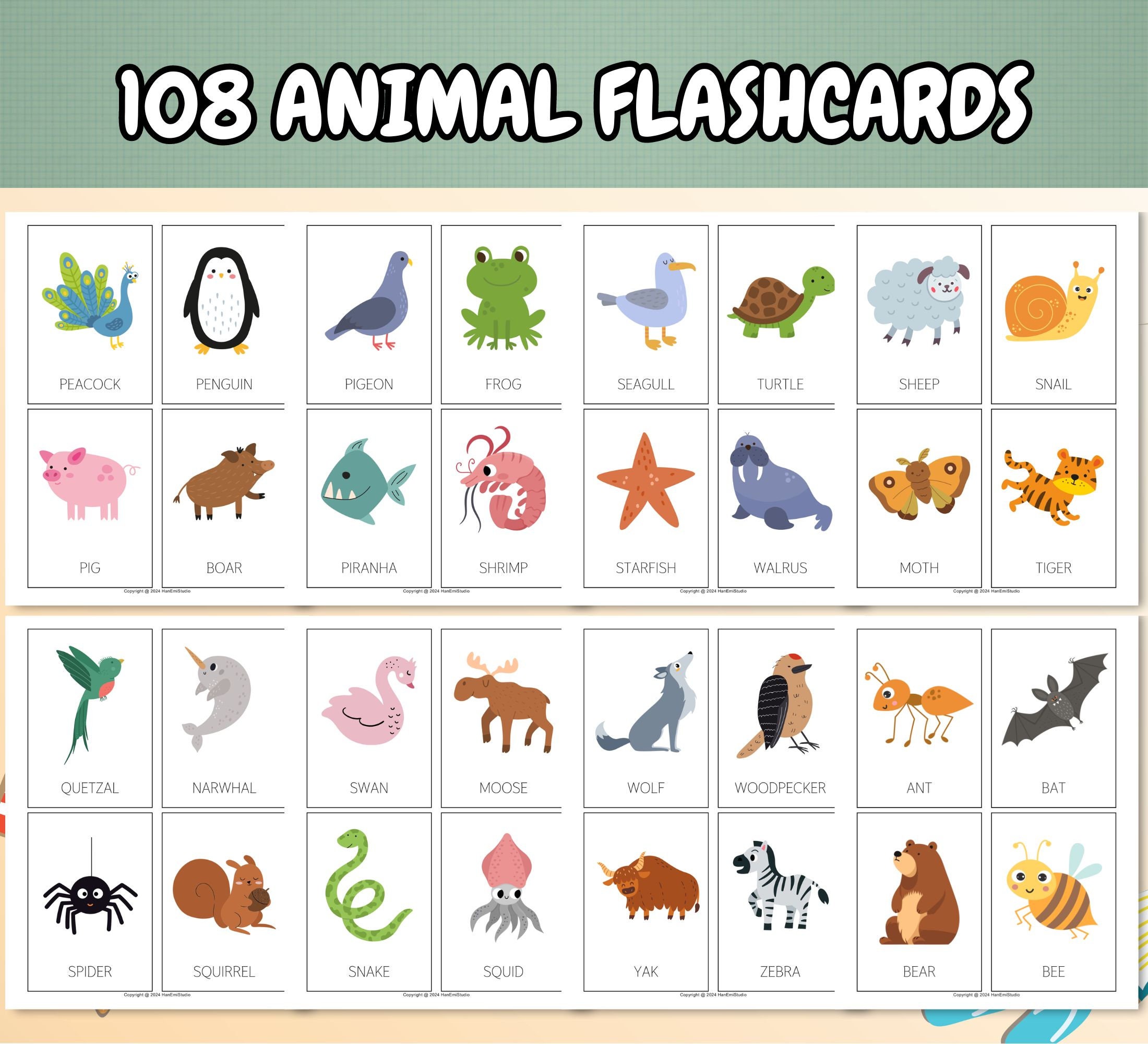
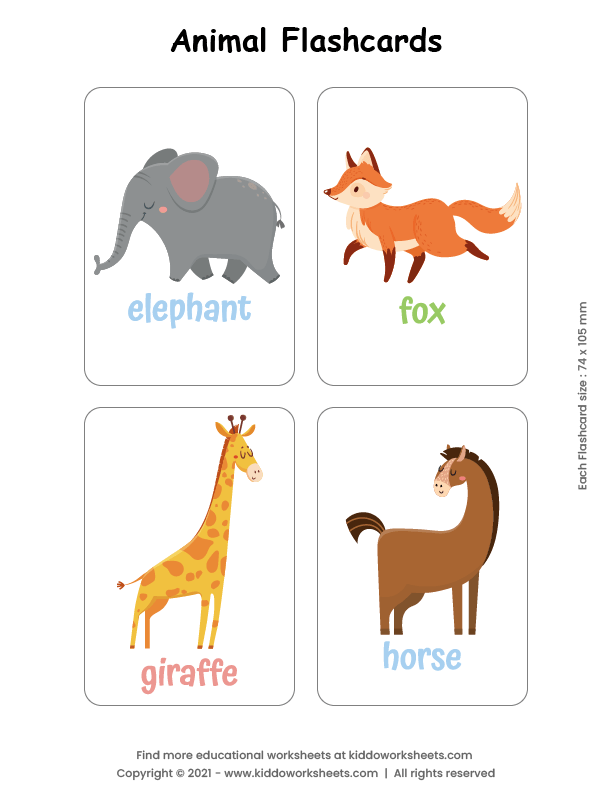
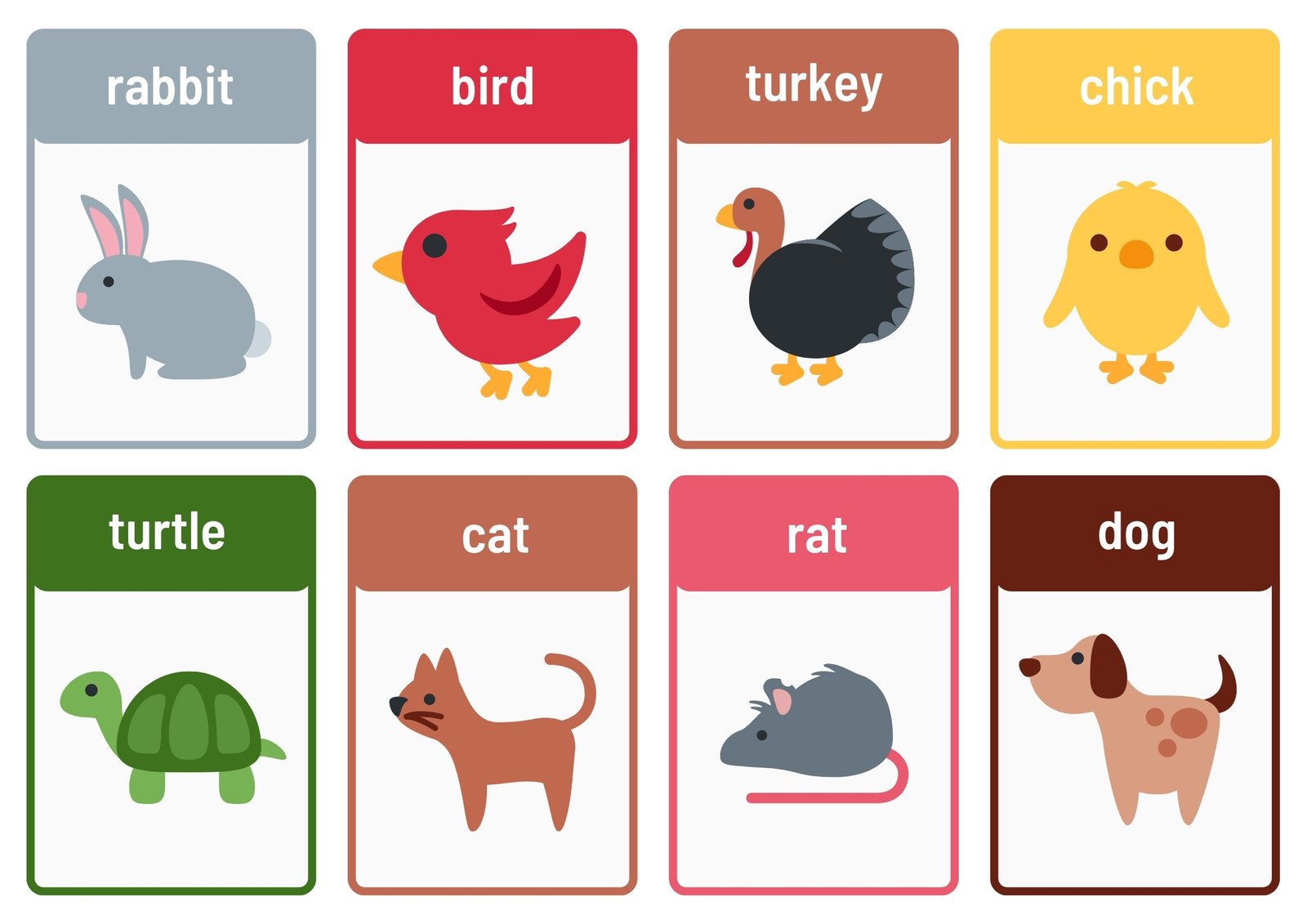
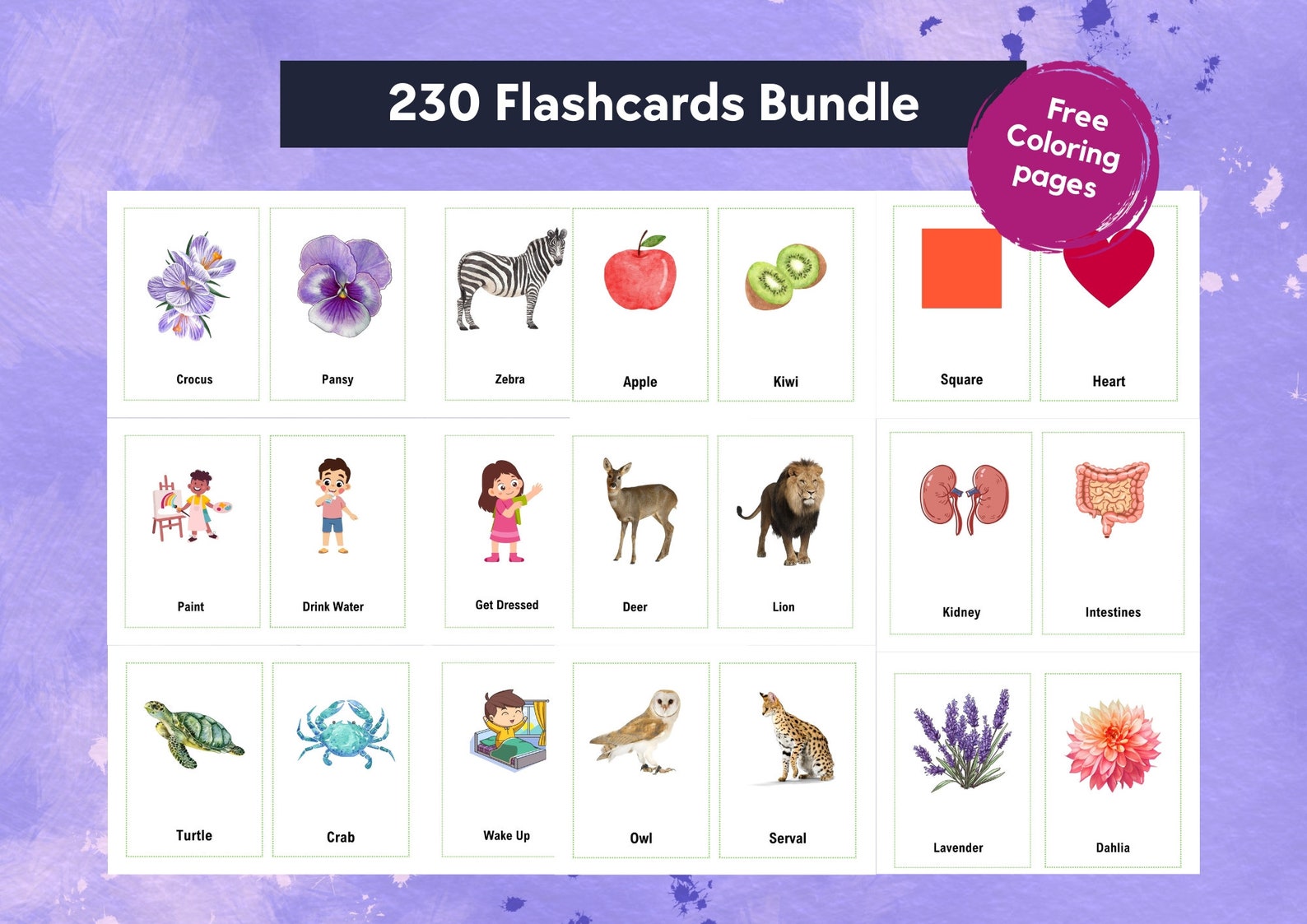
Animal photo flashcards serve as transformative visual-cognitive tools that bridge wildlife observation, fine art skill-building, and early childhood spatial reasoning development. According to the National Association for the Education of Young Children (NAEYC), hands-on manipulation of realistic photographic resources significantly enhances children’s visual literacy, cognitive mapping, and concrete observation skills. Integrating these cards into structured learning environments bridges abstract artistic concepts with concrete real-world imagery, preparing young minds for complex geometry, art, and reading comprehension.
Visual Learning & Skill Snapshot:
- Core Focus: Utilizing high-definition animal photo flashcards alongside printable grid worksheets to boost spatial accuracy.
- Target Skill: Spatial reasoning, visual discrimination, fine-motor proportion estimation, and grid coordinate mapping.
- Key Recommendation: Pair high-contrast macro animal photographs directly with proportional grid squares to scaffold independent observation.
Core Principles and Visual Learning Overview
Animal photo flashcards provide children with unfiltered, high-resolution visual data that strengthens foundational cognitive mapping by moving beyond stylized cartoon depictions into authentic biological observation. When educators combine Photo Flashcards with structured drawing exercises, young learners transition seamlessly from passive viewing to active spatial analysis. This methodology forces the developing brain to break down complex organic curves, textures, and anatomical proportions into manageable visual quadrants. By anchoring drawing practice to authentic photographic references, instructors cultivate meticulous attention to detail, symmetry, and scale.
Key Specifications and Breakdown
| Age / Learning Stage | Visual Skill & Grid Ratio | Pedagogical Application & Scaffolding |
|---|---|---|
| Ages 3-4 (Early Preschool) | Basic shapes, 2×2 grids, high-contrast mammals | Focus on whole-object recognition and simple contour tracking using oversized photo references. |
| Ages 5-7 (Kindergarten / Grade 1) | Proportional estimation, 4×4 grids, bird/reptile textures | Encourage coordinate mapping and section-by-section observation to build precise hand-eye coordination. |
| Ages 8-10 (Early Elementary) | Advanced anatomical symmetry, 6×6 grids, macro insect/mammal details | Implement scale alteration exercises using Grid Drawing techniques to master complex line work. |
Visual-spatial training through structured photographic analysis significantly accelerates geometric comprehension and fine-motor precision in early childhood. — National Art Education Association (NAEA)
Step-by-Step Practical Application and Printing Guidelines
Executing successful visual arts lessons with animal reference materials requires durable print configurations, standardized grid overlays, and progressive skill pacing. Educators should print high-resolution flashcards and accompanying Educational Activities on heavy cardstock (minimum 110 lb weight) to withstand repeated classroom handling. Begin by placing the reference photo directly adjacent to the blank grid worksheet to eliminate distant eye-tracking strain. Instruct learners to isolate one grid square at a time using a cardboard viewfinder window, translating the lines, negative space, and tonal shifts systematically from the photographic card to their drawing paper.
Common Challenges and How to Avoid Them
Young learners frequently struggle with spatial disorientation, rushing proportions, and copying the entire animal as a single monolithic shape rather than analyzing individual grid coordinates. To remediate this, facilitators must explicitly demonstrate how to look at intersection points where animal features cross grid lines. Breaking complex zoological forms—such as a tiger’s stripes or an owl’s feather patterns—into abstract geometric fragments eliminates intimidation and teaches children to trust objective visual evidence over mental assumptions of what an animal should look like.
💬 Frequently Asked Questions
Explore More Free Learning Printables and Visual Activities on WePhotoAgency
Enhance early childhood curricula and art studio lesson plans by exploring the extensive catalog of printable assets available directly through WePhotoAgency.com. Dedicated educators, homeschoolers, and parents can access a growing repository of professional resources designed to spark curiosity, build confidence, and foster lifelong visual literacy.
Visual Reference Gallery