Introduction
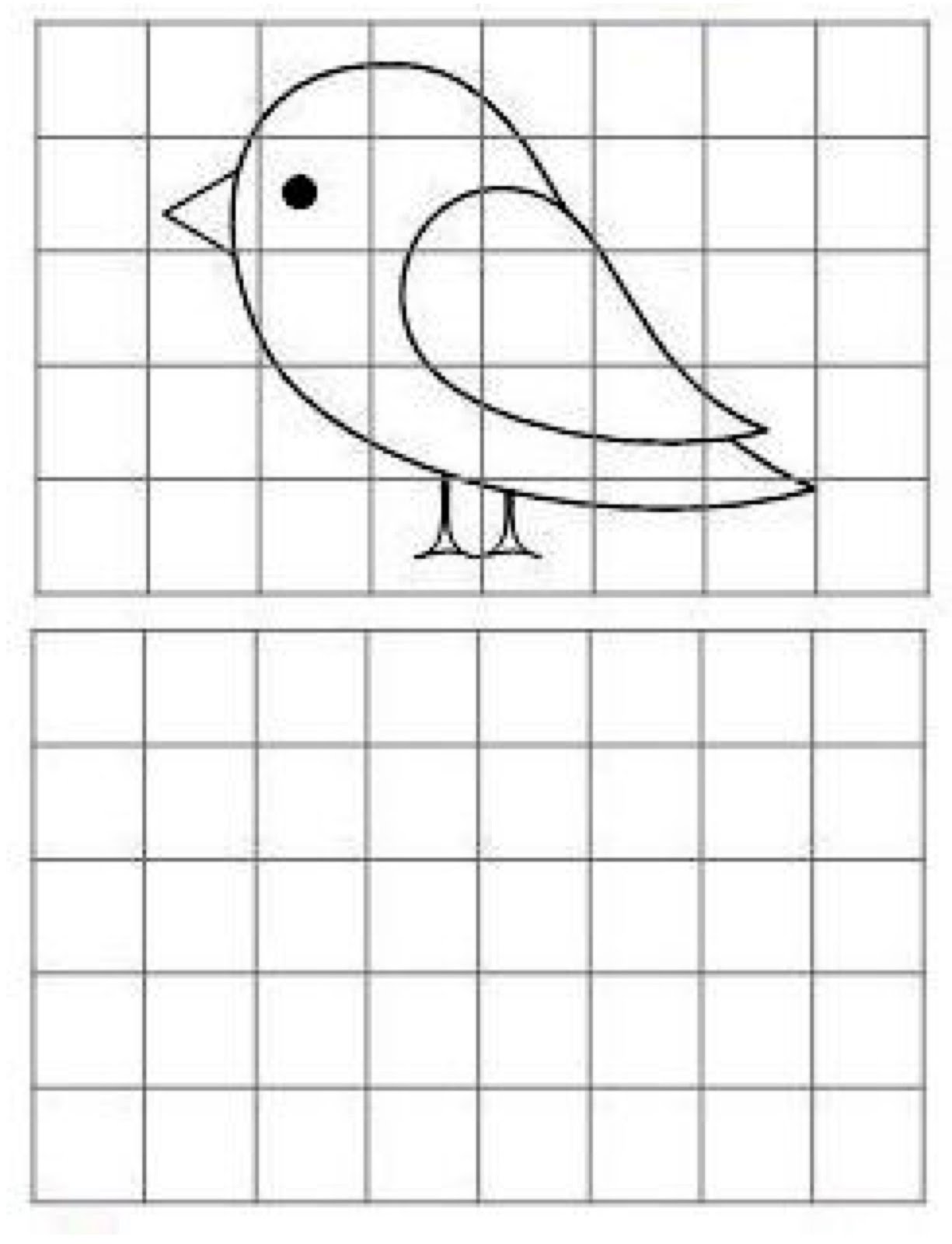
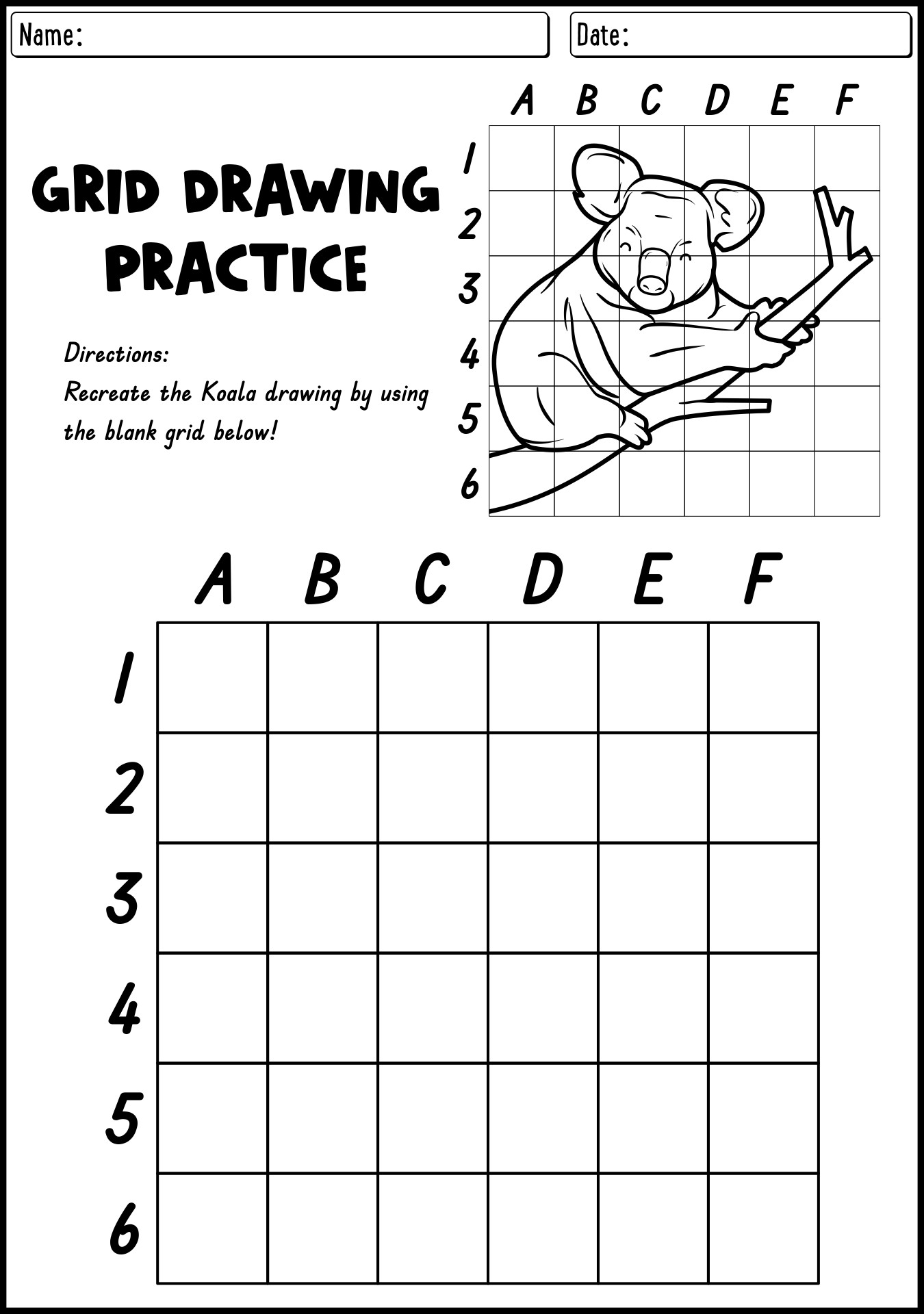
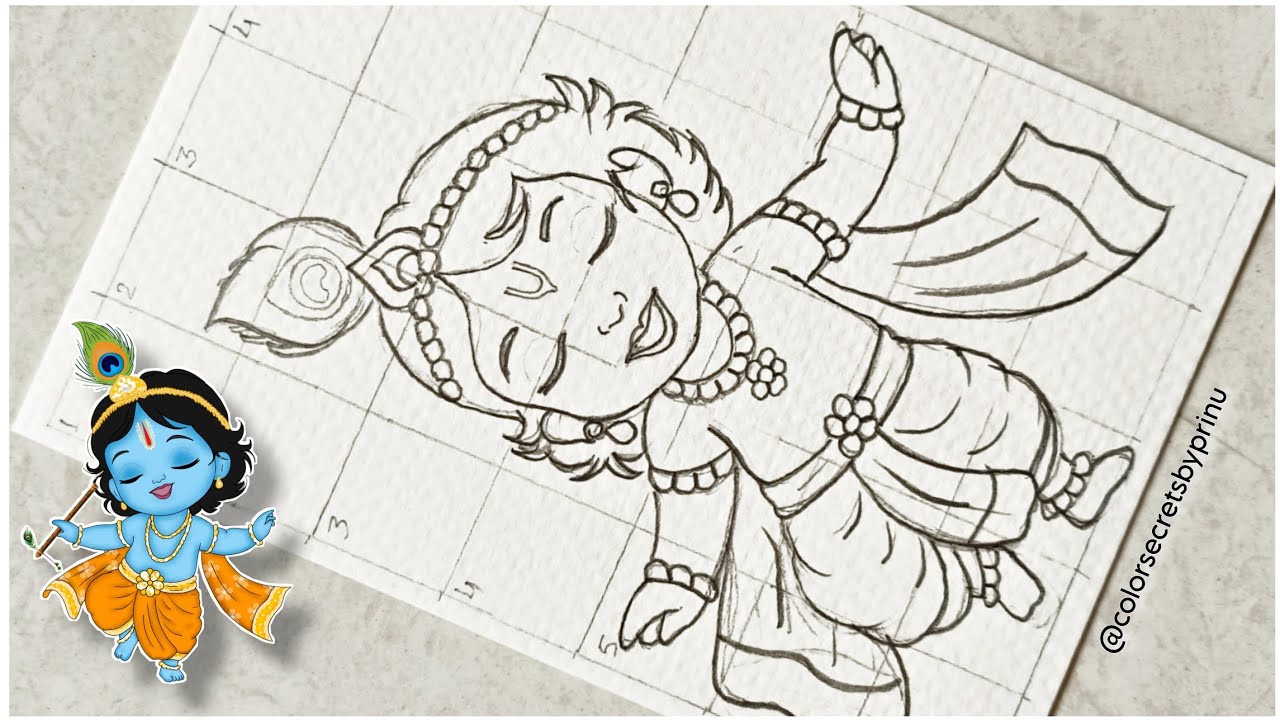
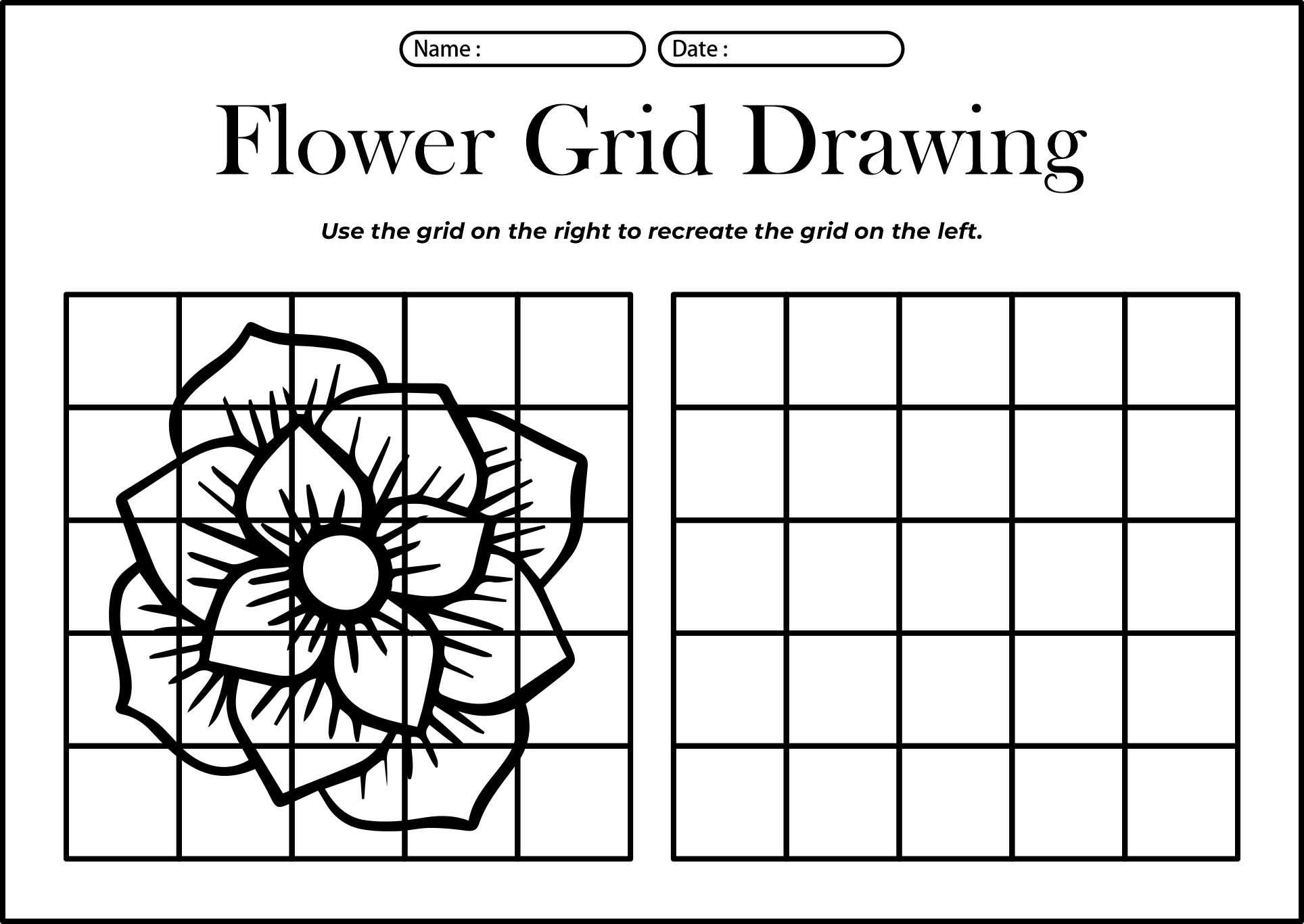
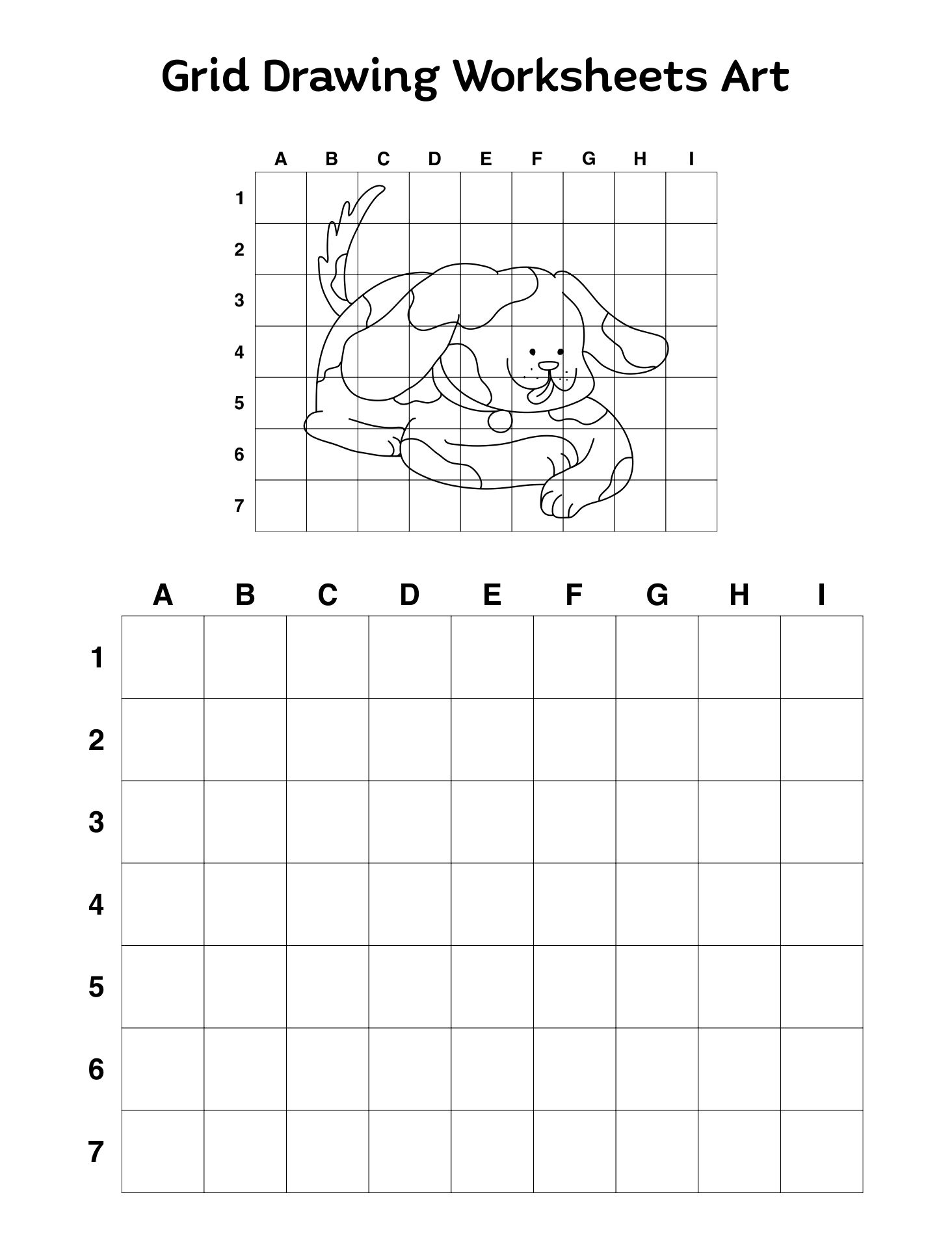
Grid method drawing practice is a structured visual learning technique that breaks complex photographic references into smaller, manageable coordinate squares to teach spatial reasoning, proportion estimation, and observational accuracy to young learners. According to the National Art Education Association (NAEA), structured observational drawing activities significantly enhance fine-motor coordination, visual literacy, and analytical problem-solving skills in early childhood development. This foundational strategy bridges the gap between abstract visual perception and concrete fine-motor execution by leveraging printable Grid Drawing worksheets and reference templates.
Visual Learning & Skill Snapshot:
- Core Focus: Coordinate-based visual mapping utilizing photo references for young learners.
- Target Skill: Spatial reasoning, visual discrimination, fine-motor proportion, and photo-based concept mastery.
- Key Recommendation: Start early learners with large 3×3 grids before progressing to high-density coordinate ratios.
Core Principles and Visual Learning Overview
Grid method drawing practice fundamentally shifts a child’s cognitive focus away from labeling objects and toward analyzing abstract lines, negative spaces, and intersecting geometric coordinates. By breaking down real-world visual flashcards into discrete segments, educators help learners isolate individual details without becoming overwhelmed by the overarching subject. This technique leverages developmental visual processing milestones, encouraging children to evaluate spatial relationships, scale factors, and relative positioning. Incorporating vibrant Photo Flashcards alongside coordinate grids strengthens visual memory, cognitive mapping, and accurate hand-eye coordination during formative learning years.
Key Specifications and Breakdown
| Age / Learning Stage | Visual Skill & Grid Ratio | Pedagogical Application & Scaffolding |
|---|---|---|
| Ages 4-5 (Early Foundation) | 3×3 Grid Matrix, Basic Shapes | Utilize high-contrast photographic references with simple silhouettes to teach corner-to-corner coordinate mapping. |
| Ages 6-7 (Intermediate Skill) | 4×4 Grid Matrix, Balanced Proportions | Pair worksheets with physical manipulatives and Educational Activities to reinforce spatial estimation. |
| Ages 8-10 (Advanced Mastery) | 6×6 Grid Matrix, Complex Details | Introduce multi-tone photo references requiring tonal value matching, scaling, and precise intersecting line replication. |
Systematic visual division and coordinate mapping significantly accelerate spatial cognition, visual discrimination, and fine-motor precision in early childhood art education. — National Art Education Association (NAEA)
Step-by-Step Practical Application and Printing Guidelines
Implementing grid method drawing practice effectively requires high-contrast printing, clear coordinate labeling, and proper physical workspace ergonomics for developing hands. Educators should print reference photos and matching blank coordinate sheets side-by-side on durable cardstock to prevent tearing during pencil work. Instruct children to tackle the drawing one individual square at a time, using a masking card to cover surrounding distraction boxes if necessary. This sequential focus ensures accurate line replication, prevents cognitive overload, and instills methodical work habits applicable across all academic disciplines.
Common Challenges and How to Avoid Them
Rushing proportions and jumping across non-adjacent squares represent the most frequent obstacles encountered during early grid drawing exercises. Educators can mitigate these challenges by teaching children to look specifically at where lines intersect the grid borders—such as the exact midpoint or quarter-mark of a square line—before committing graphite to paper. Providing lighter, non-reproducible blue-line grids also helps young artists focus on their pencil marks without visual distraction, ensuring a frustration-free learning progression.
💬 Frequently Asked Questions
Explore More Free Learning Printables and Visual Activities on WePhotoAgency
Empower young learners with professionally designed educational resources by exploring the comprehensive library available at WePhotoAgency.com. Discover an extensive collection of printable worksheets, visual flashcards, and step-by-step drawing guides engineered by pediatric learning specialists to foster lifelong creativity, cognitive growth, and academic confidence.
Visual Reference Gallery