Introduction
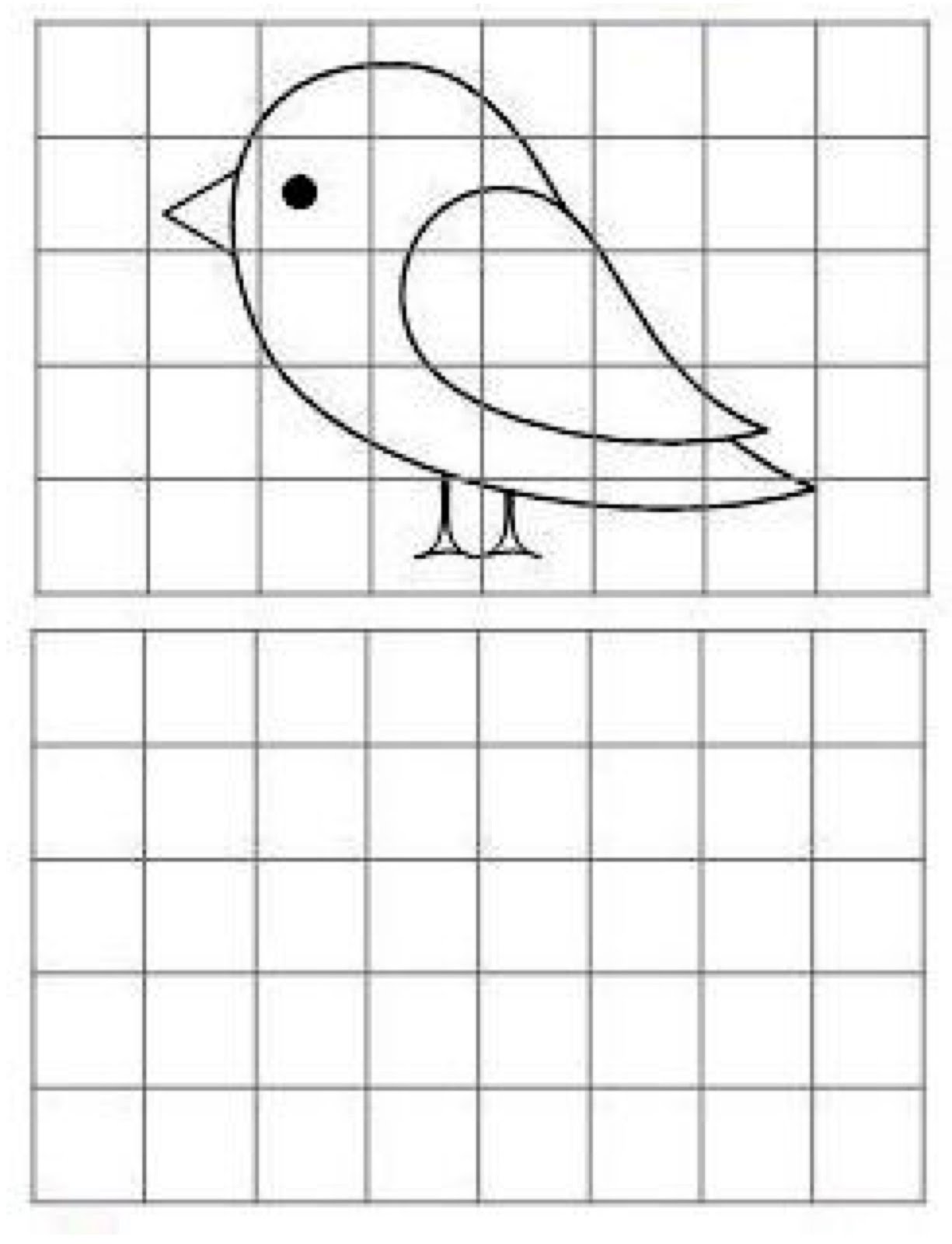
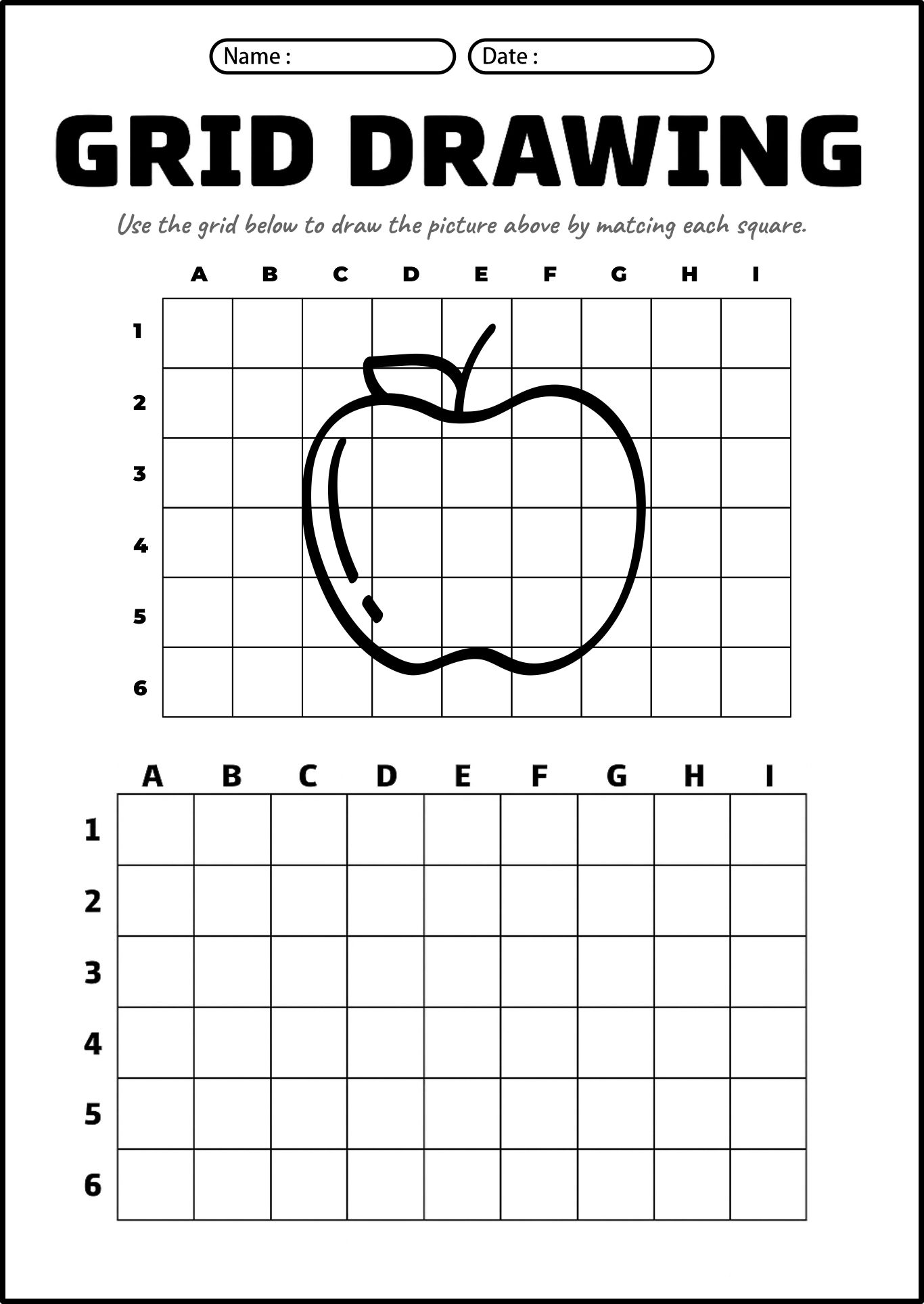
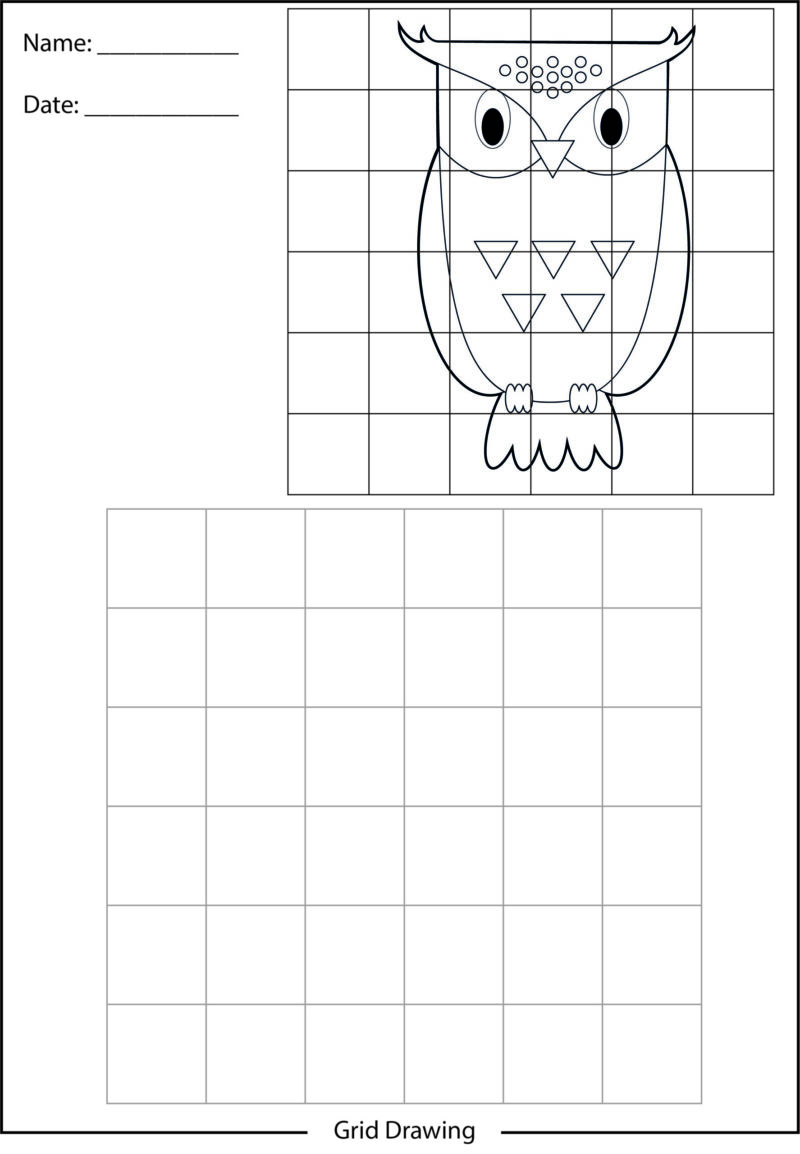
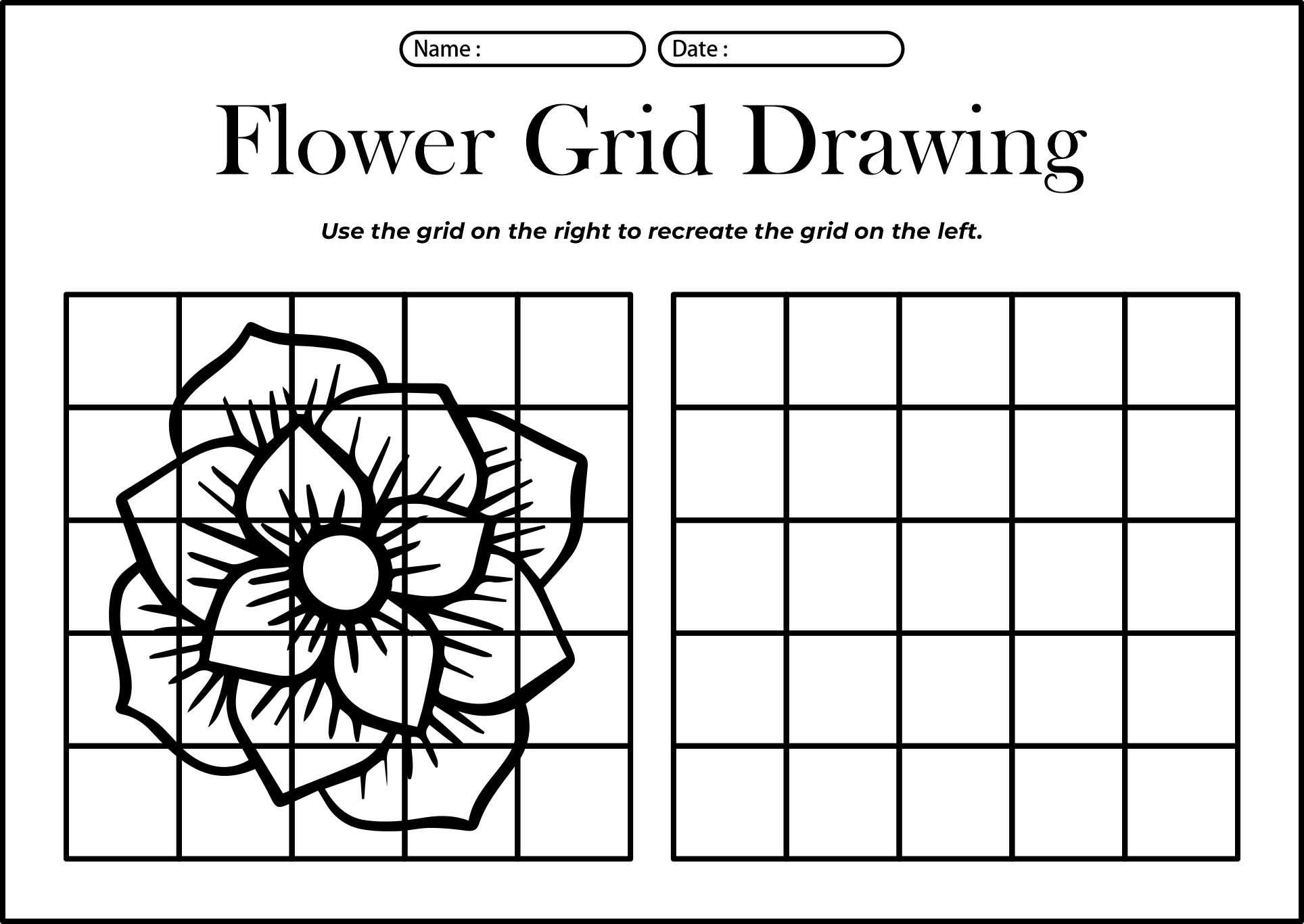
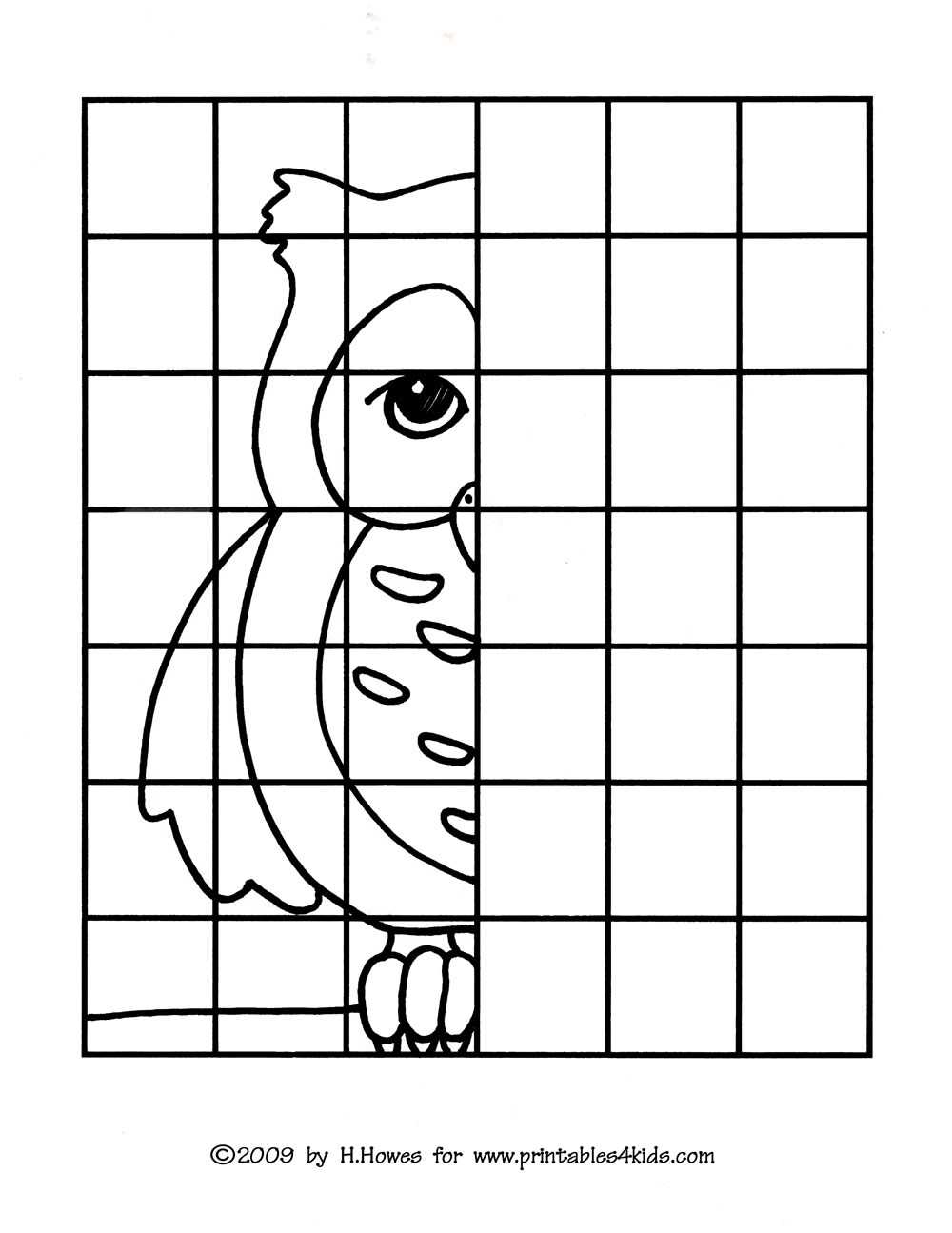
A grid drawing template serves as a foundational cognitive tool that segments complex visual information into manageable geometric squares, significantly accelerating children’s spatial awareness and proportion estimation skills. According to the National Art Education Association (NAEA), structured visual exercises that break down reference images into smaller coordinate units help children transition from symbolic drawing to observational realism by training the brain to analyze spatial relationships rather than relying on preconceived symbols. Utilizing printable worksheets alongside real photo visual flashcards bridges the gap between abstract geometrical concepts and concrete tangible objects. Early learners, homeschoolers, and art educators leverage these frameworks to systematically cultivate fine-motor control, hand-eye coordination, and visual discrimination across developmental milestones.
Visual Learning & Skill Snapshot:
- Core Focus: Systematic spatial division via a grid drawing template for accurate proportion mapping.
- Target Skill: Spatial reasoning, visual discrimination, fine-motor proportion, and photo-based concept mastery.
- Key Recommendation: Pair high-contrast photo references with simplified 2×2 or 4×4 grids before progressing to complex 8×8 configurations.
Core Principles and Visual Learning Overview
A grid drawing template operates on the pedagogical principle of perceptual chunking, reducing cognitive overload by forcing the visual cortex to process one isolated coordinate square at a time. When children analyze Grid Drawing exercises paired with real-world imagery, cognitive processing shifts from holistic guesswork to methodical coordinate mapping. This practice mirrors methods utilized in professional cartography and traditional art training, making advanced observational drawing accessible to early elementary students. Furthermore, integrating Photo Flashcards into the setup allows young learners to cross-reference concrete photographic lighting, textures, and structural contours directly onto their blank coordinate matrices, reinforcing holistic visual literacy.
Key Specifications and Breakdown
| Age / Learning Stage | Visual Skill & Grid Ratio | Pedagogical Application & Scaffolding |
|---|---|---|
| Ages 4-6 (Early Explorer) | 2×2 or 3×3 simple blocks | Focuses on basic contour tracing and shape recognition using high-contrast everyday objects. |
| Ages 7-9 (Developing Artist) | 4×4 or 5×5 intermediate grids | Encourages proportional scaling, line accuracy, and angle estimation from nature photos. |
| Ages 10+ (Advanced Learner) | 8×8 complex coordinate grids | Develops advanced shading, symmetry calculation, and meticulous photographic replication skills. |
Systematic spatial decomposition significantly enhances cognitive working memory and visual-motor integration in early childhood education. — National Art Education Association (NAEA)
Step-by-Step Practical Application and Printing Guidelines
Executing an effective grid drawing lesson requires pairing a master reference sheet with a corresponding blank template printed on heavy cardstock to prevent tearing during pencil erasing. Instructors should select high-resolution photographic references that feature clear focal points and distinct lines, then ensure both the reference image and the student template share matching grid dimensions to avoid scaling distortions. Children should be encouraged to focus strictly on one individual square at a time, checking coordinate markers (such as letters across the top and numbers down the side) before sketching lines. For additional hands-on practice sessions, educators can easily source curated Educational Activities designed to build foundational spatial dexterity prior to independent freehand drawing.
Common Challenges and How to Avoid Them
Rushing through coordinate mapping is the most frequent obstacle encountered by young learners, often leading to skewed proportions when children jump across disparate squares without completing sequential rows. To prevent frustration, educators should introduce line-finder tools or paper masks that physically isolate a single grid box, keeping the child’s attention strictly focused on local details rather than the overwhelming whole. Another common hurdle involves using overly complex photographic source material featuring low-contrast shadows; replacing these with bold, clear outlines ensures that young learners can accurately identify line intersections and curve trajectories within every single square.
💬 Frequently Asked Questions
Explore More Free Learning Printables and Visual Activities on WePhotoAgency
Unlocking full cognitive and artistic potential in early education relies on consistent access to high-quality, scaffolded visual learning tools and structured practice sheets. Educators, homeschoolers, and parents can discover an extensive library of printable worksheets, visual flashcards, and developmental resources by visiting WePhotoAgency.com today.
Visual Reference Gallery